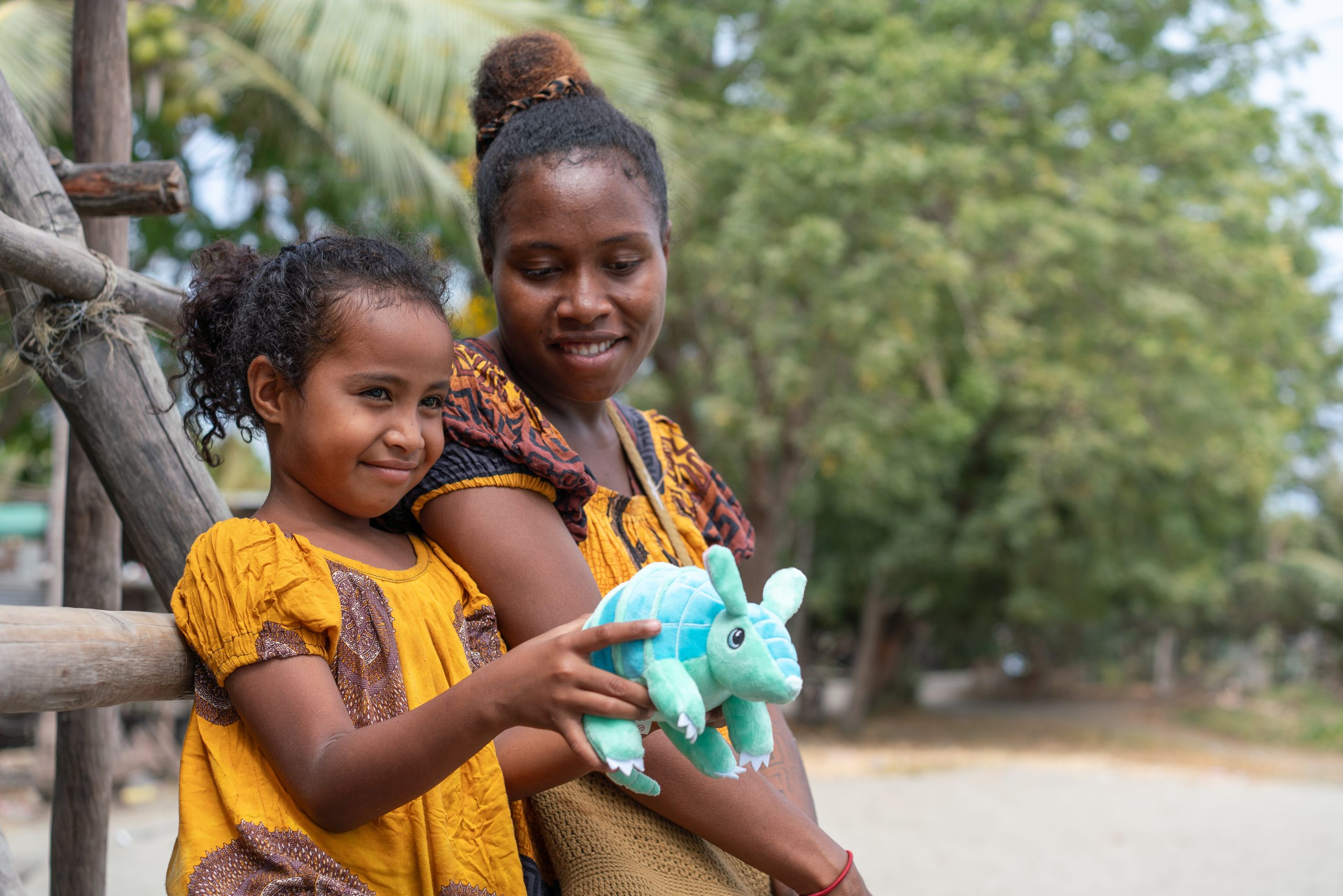
When Ruby began losing feeling in her arm, her daughter was just six months old. Having lost her own mother to leprosy as a baby, Ruby feared her daughter could grow up without a mother too.
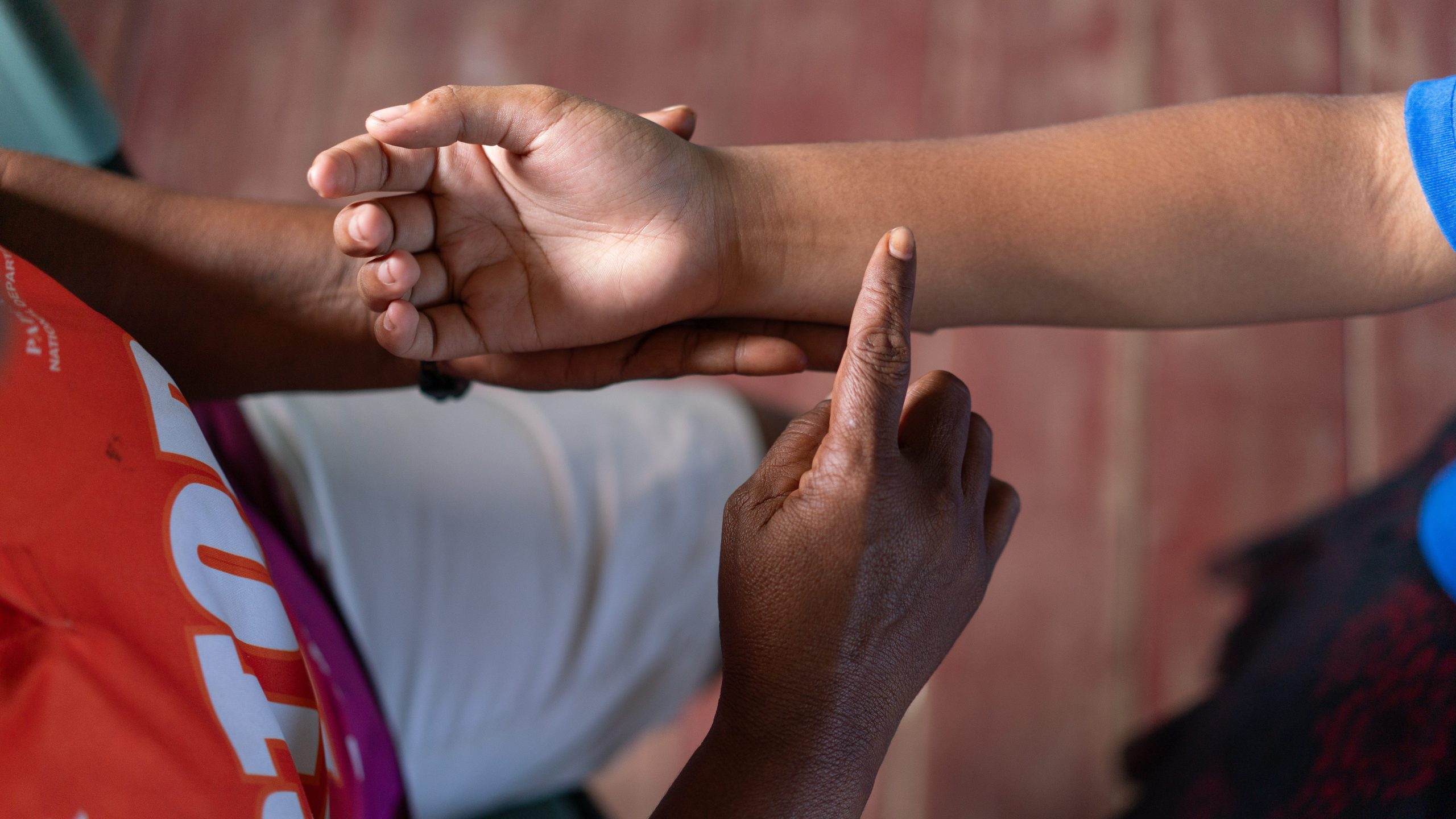
Then her cousin drew a biro across her left arm. Ruby couldn’t feel it.
Her arm had become swollen and red. Her cousin was volunteering with a leprosy awareness team visiting the village that day.
“Because he was my cousin, I walked straight up to him and explained my situation, and he listened,” Ruby recalls.
As a young mother, Ruby knew what leprosy could do. She had seen the damage it could cause, and worried about how she would care for Rose if the same thing happened to her.
“And it made me so sad, because I have a little girl to take care of, and I don’t have a mother,” she says.
Ruby’s mother had also lived with leprosy. She died when Ruby was just a baby, and Ruby never had the chance to know her.
Years later, as a young mother facing symptoms herself, Ruby worried that the barriers many women face in accessing healthcare could have devastating consequences for her own family.
The cost of seeking care
Before the awareness team arrived, Ruby had been praying for help, and their visit felt like an answer.
Her cousin arranged to accompany her to a clinic where a doctor could examine her arm. But getting there wasn’t simple.
Ruby was still breastfeeding Rose and couldn’t afford a bottle or formula. Her older sister could care for the baby, but Ruby had no idea how long she would be away.
“It was very difficult to leave her with my big sister, but I tried my best so that I could get the medicine,” she says.
Ruby’s experience reflects challenges many women face when seeking healthcare. Women affected by leprosy often face additional barriers to diagnosis and treatment, including stigma, caring responsibilities, financial dependence and limited ability to travel alone.
These barriers can delay treatment, allowing the disease to progress and increasing the risk of disability.
For Ruby, the clinic was about 30 minutes away by vehicle. The doctor examined her arm and confirmed she had leprosy.
The diagnosis was frightening. But it also brought something Ruby had been desperately hoping for: a way forward.
Now, thanks to the support of the team, she can now access the treatment she needs. “I’m so thankful,” she says.
The past she wished she could change
Leprosy is curable, but without early treatment it can damage nerves and cause lasting disability. Ruby says she completed treatment and gradually began to regain feeling in her arm.
Ruby says she still cries when people speak about her mother. Receiving treatment brought those feelings to the surface again.
“[My mother] passed away when I was a baby. I never had a chance to see her,” Ruby says. The loss was even more profound, now that Ruby is living what her mother’s life could have been.
“I wish I could bring back the past so that my mother could get the treatment that I’m now getting, or I should be the one bringing her to the hospital.”
Ruby’s Christian faith shapes the way she lives with that loss.
“I’m hoping and praying that when Jesus Christ comes back, I’ll see her again.”
What comes next?
For many women, receiving treatment is only part of the challenge. Fear of discrimination and social stigma can prevent people from seeking help in the first place.
Ruby says that in her village, people sometimes hide symptoms because they fear gossip or being laughed at. Some stay inside or cover up rather than tell anyone that something is wrong.
Speaking openly about illness can take courage. As Ruby puts it, “Only the brave ones do.”
That is why visits from community volunteers matter to her. They can speak with people in their homes, including those who are too frightened or ashamed to approach a clinic.
Ruby hopes to join the volunteers and speak openly about what happened to her.
“I would come out to the crowd and tell my whole story,” she says.
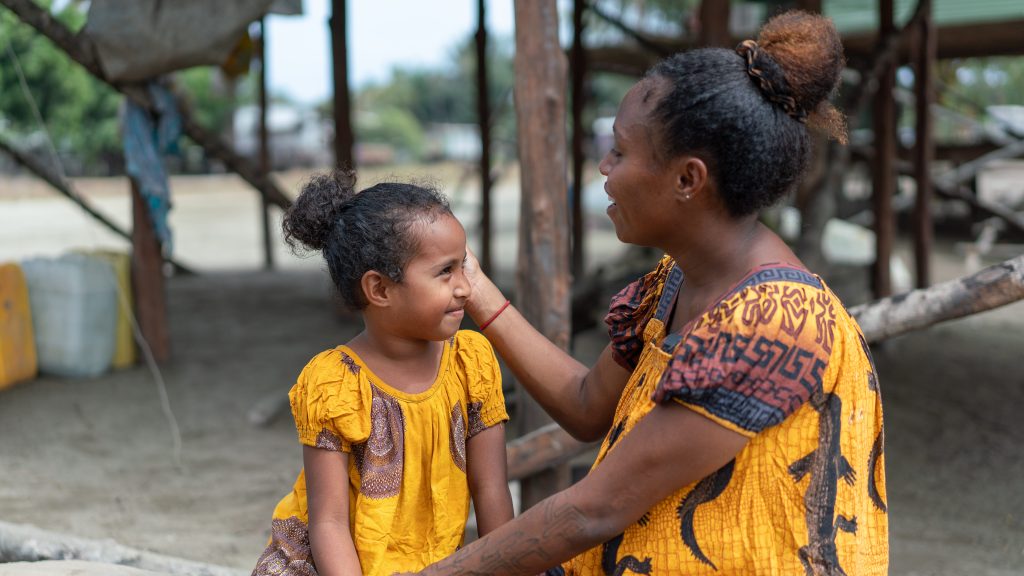
“If they feel shy, I’ll be there to comfort them because I’m the experienced one.”
Ruby wants the next generation to have choices she did not. For Rose, that begins with education. School was one of Ruby’s favourite things as a child.
“My family said that I was the cleverest child because from elementary to grade seven, I did well in my school,” she says.
Her education ended in Grade 8. Without a Grade 12 certificate, she explains, finding regular work is difficult. “I want her to finish all the grades that I haven’t completed. That’s my biggest dream.”
Above all, Ruby wants to be there as Rose grows up.
“I want my child to live with me and grow up with me. I don’t want her to experience the life that I had.”
Ruby is still making plans for her own future, too. “I trust in myself, too: I will become someone.”
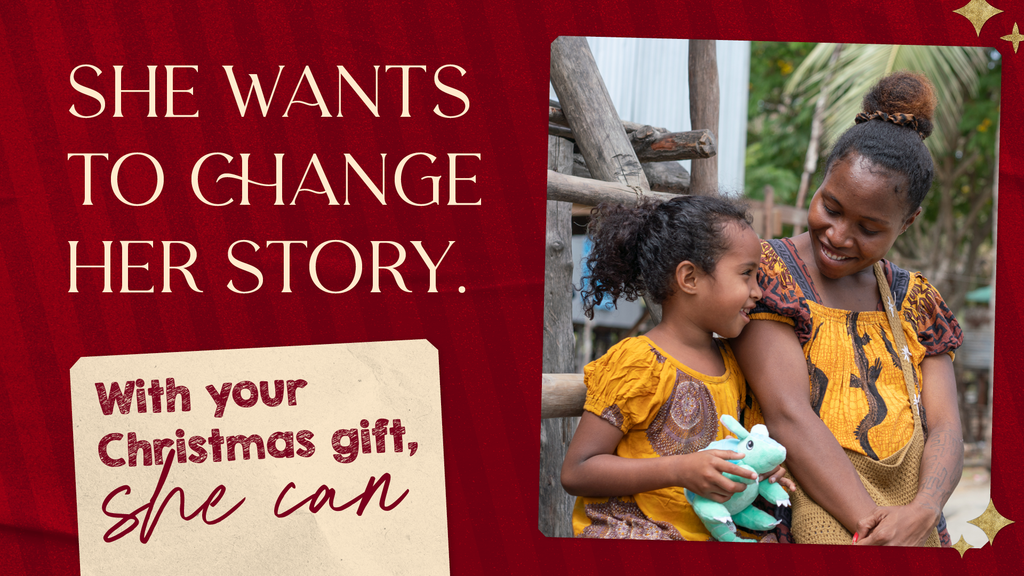
With your Christmas gift, She Can
At Christmas, we remember a mother and her child, bringing hope into the world.
Ruby reached treatment because someone she trusted listened and helped her see a doctor. Other women may still be frightened to speak up or unable to reach care. When care is delayed, its effects can reach beyond a woman herself, shaping her children’s lives too.
This Christmas, your gift can support local health workers, screening and outreach programs that help women overcome barriers to diagnosis and treatment, so they can access care before leprosy causes lasting harm.
Give a gift this Christmas so that more women can build a brighter future.
For more stories like this, you can browse our full collection here!