- Blogs
From fundraising shop to ethical gifting: The story behind The Leprosy Mission Shop
A handmade Christmas decoration can bring joy for years. But behind some of the most thoughtful gifts are stories of...



one person is diagnosed with leprosy.
Help children, families and communities access care sooner. Become an EarlyHealth Ally and help create healthier futures.
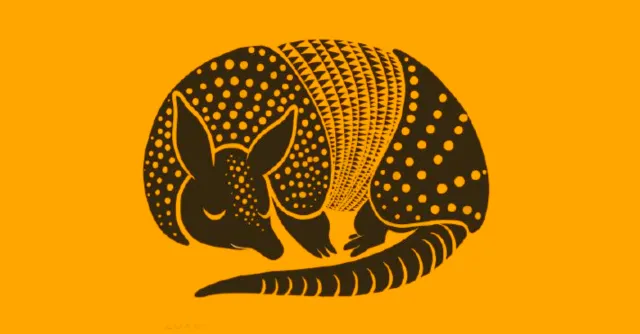
Did you know that the armadillo is one of the few animals that can contract leprosy and pass it to humans?
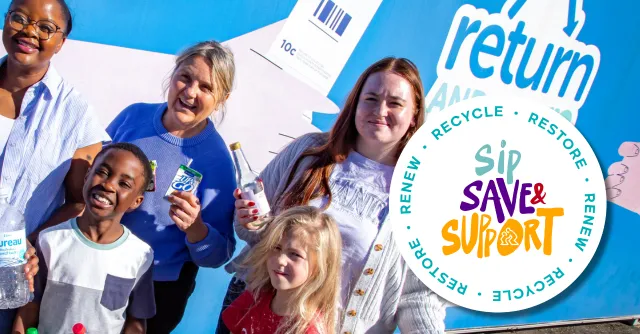
By collecting and returning containers, you’re helping protect the planet and changing lives for people affected by leprosy.
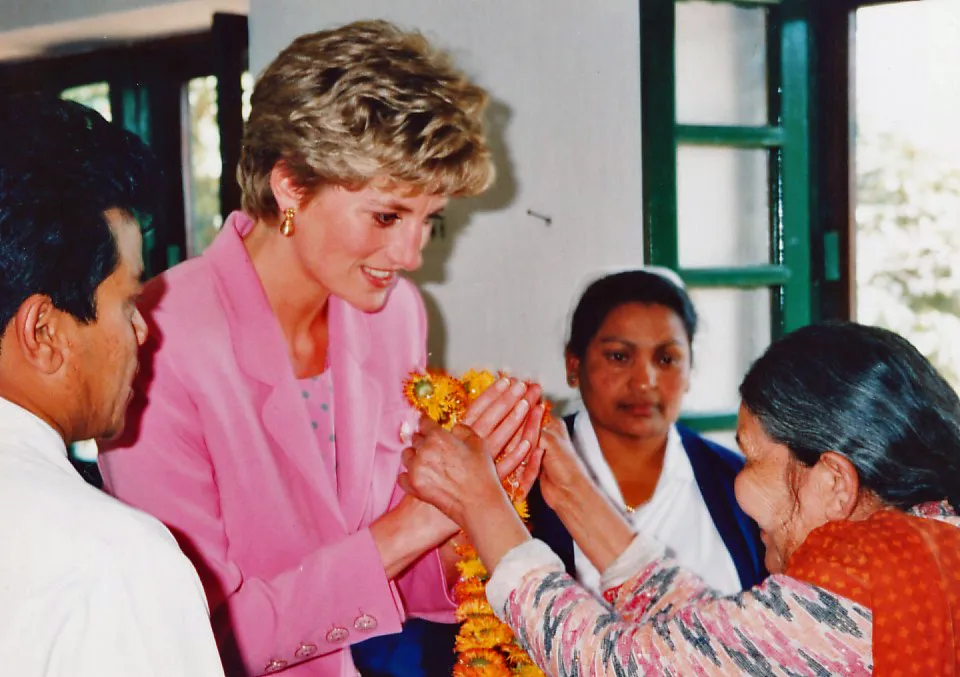
It’s hard to imagine an adult life less ordinary than that of Diana, Princess of Wales. Global recognition. Beauty. Style. Scrutiny. Wealth. Enigma. Royalty: a Queen in the wings. And the explosive, all-consuming fame that made it impossible to miss, wherever you went.
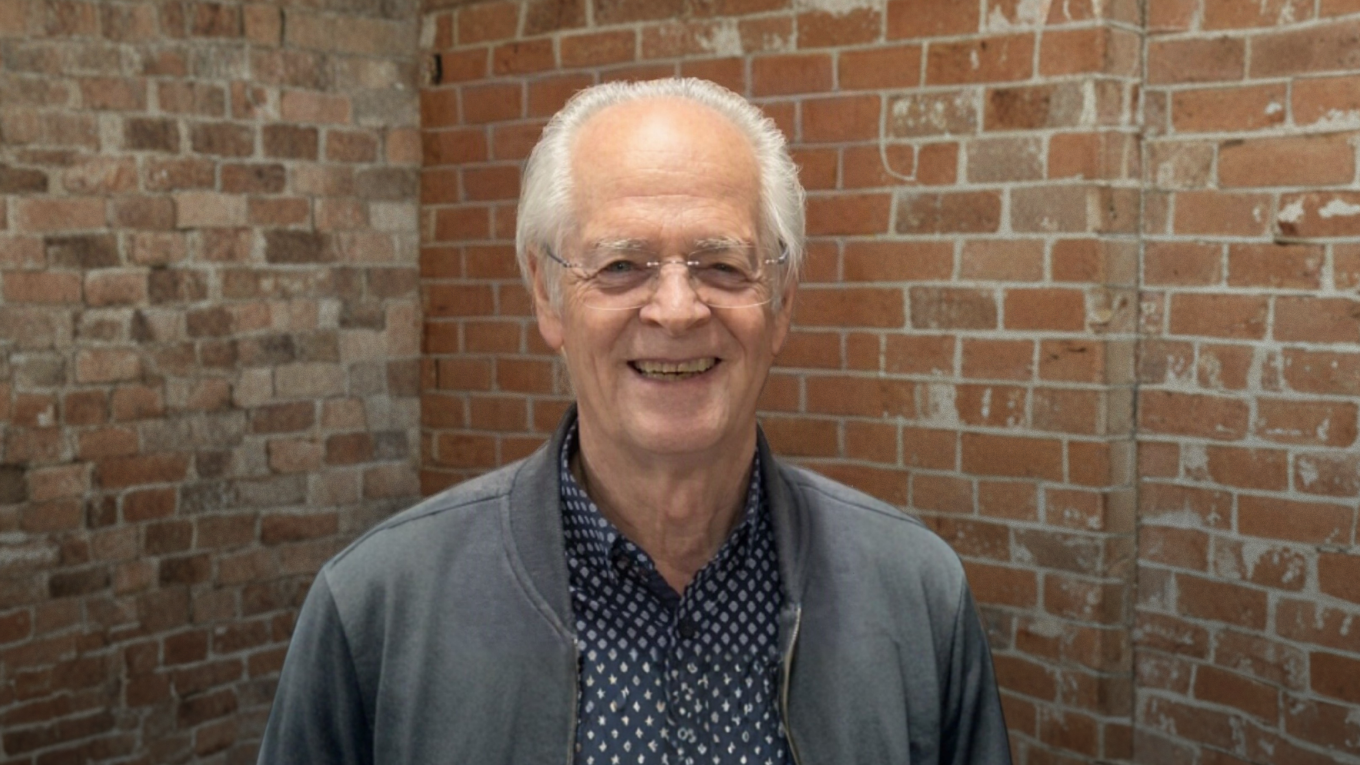
Across 19 years, Peter Warren travelled thousands of kilometres speaking about leprosy to people who often thought the disease belonged to another time. Years later, he’s still challenging many of the same misconceptions.
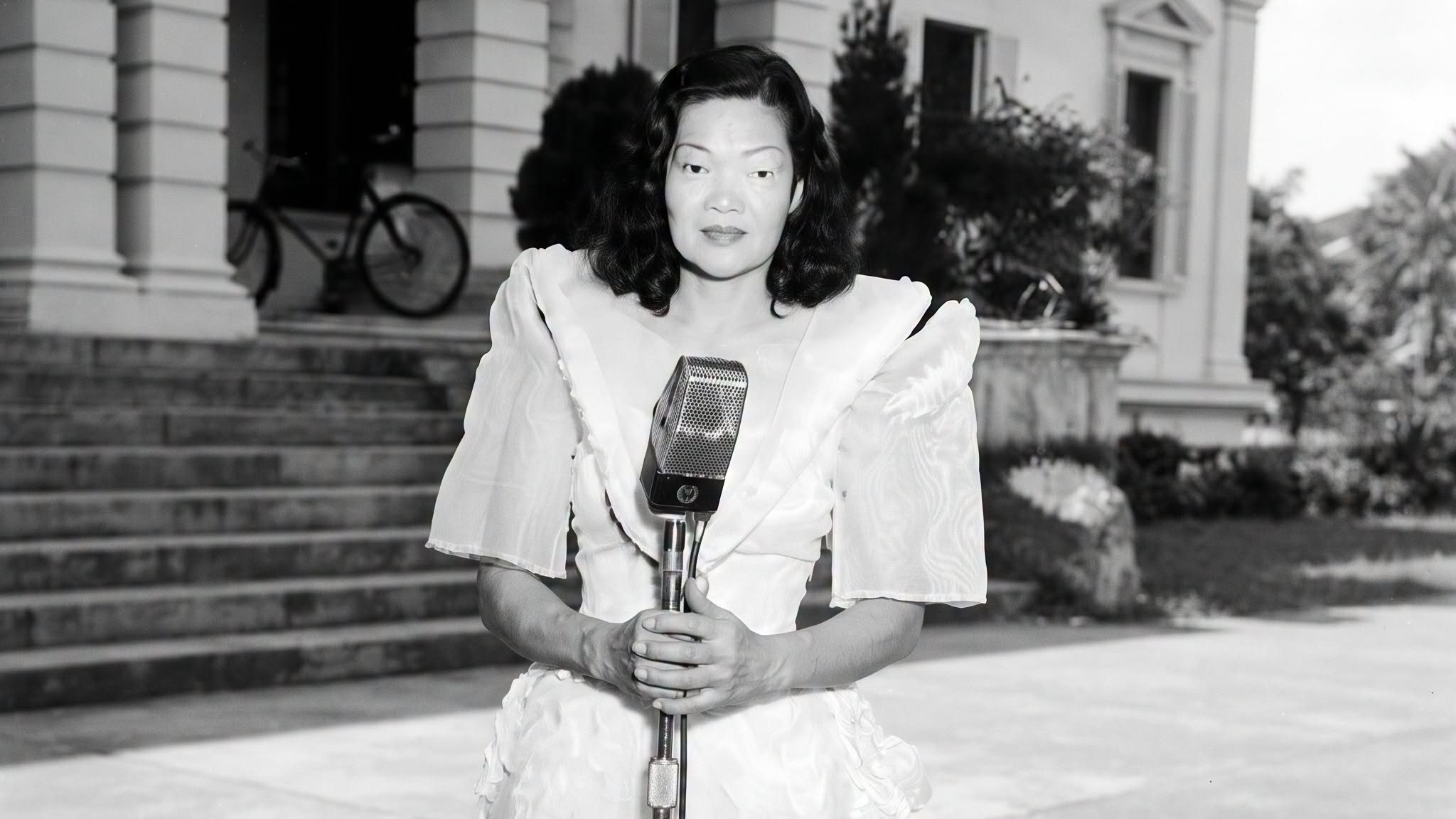
During the Japanese occupation of the Philippines, Josefina Guerrero (also known as “Joey”) carried messages, mapped enemy positions and crossed checkpoints with information that could have cost her life. Leprosy had already changed everything for Joey, but it could also make Japanese soldiers reluctant to search her too closely.
A handmade Christmas decoration can bring joy for years. But behind some of the most thoughtful gifts are stories of...
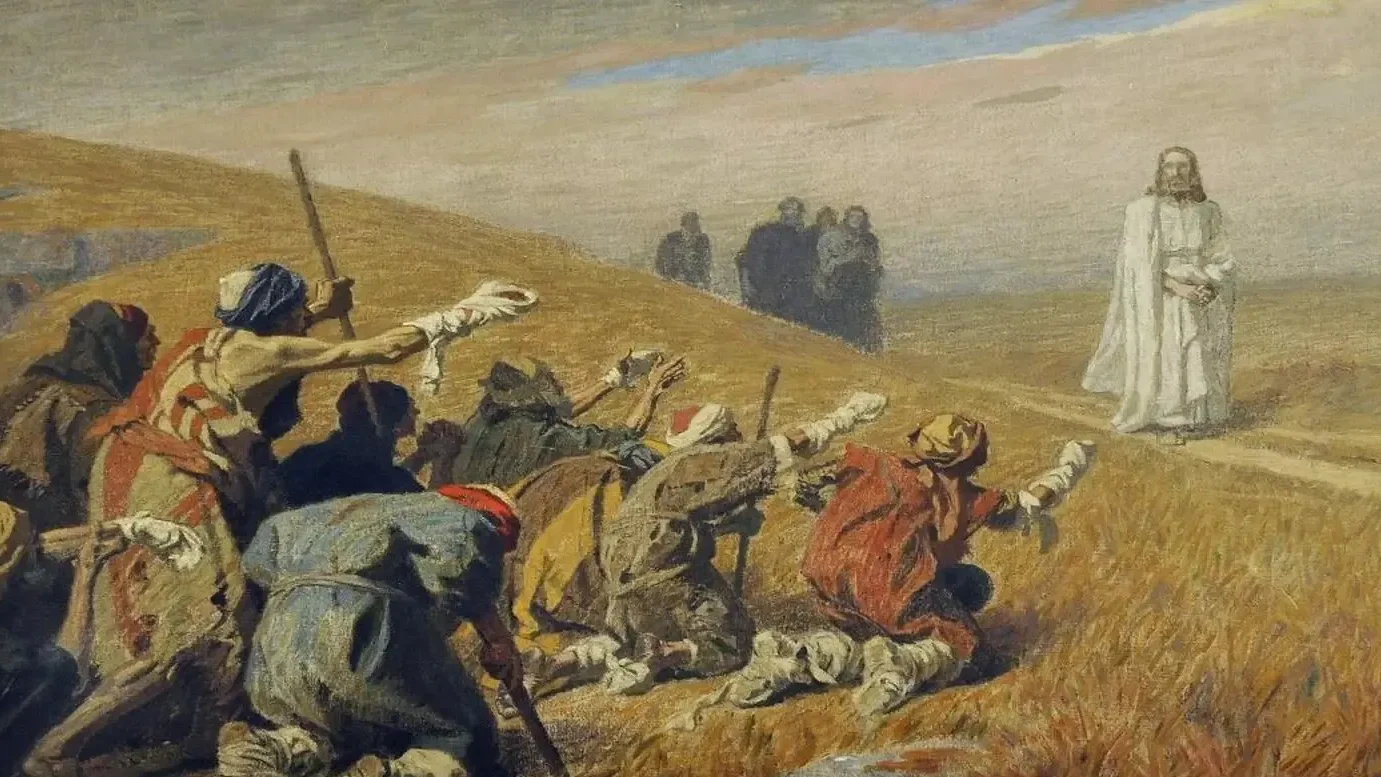
Leprosy is one of the world’s oldest diseases, and the stigma surrounding it has deep historical roots. For centuries, ideas...
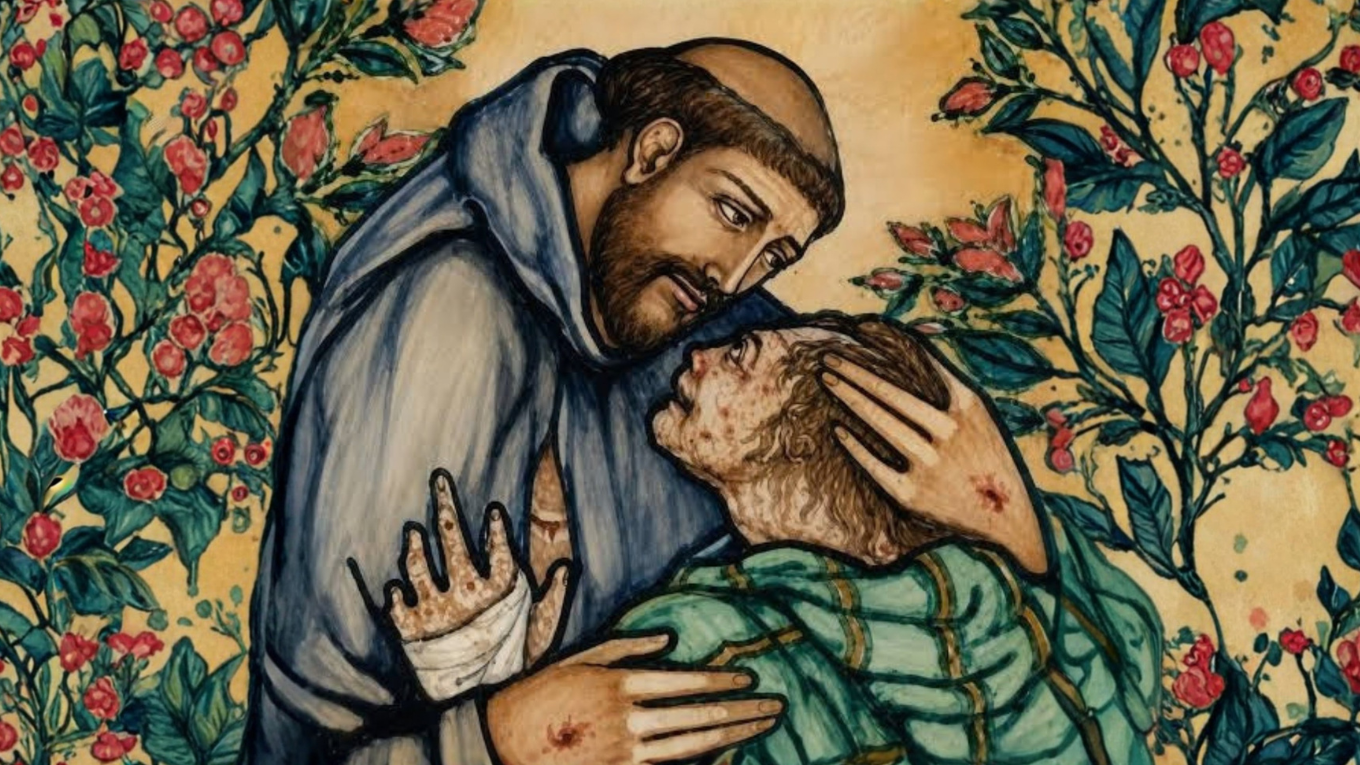
Francis of Assisi left an account of his own transformation. It begins with the people he had once gone out...
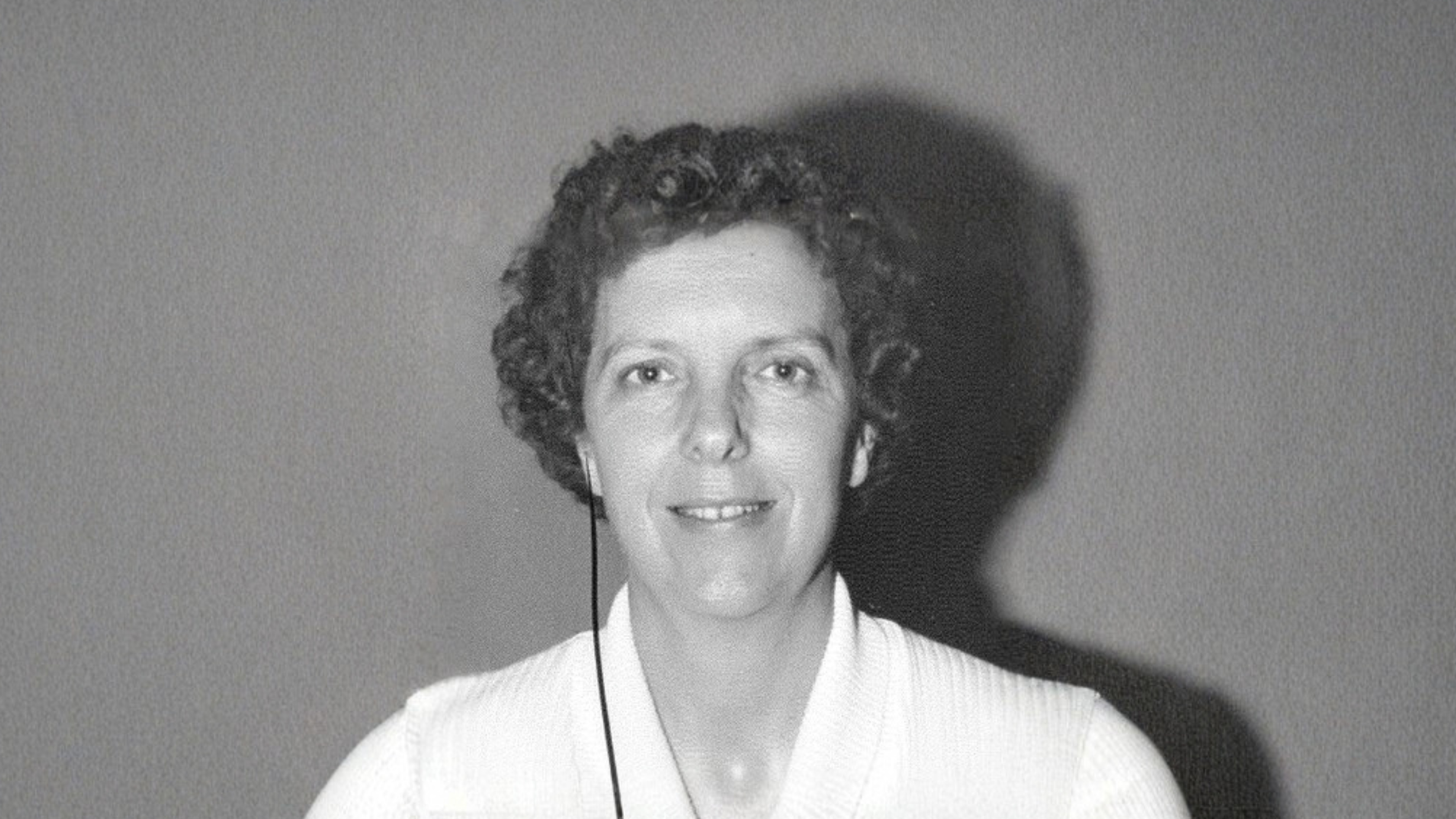
British physiotherapist Jean Watson, who died in December 2025, spent more than 50 years helping people protect themselves when their...
The map was taped to her back. The soldiers searching her never found it. During the Japanese occupation of the...
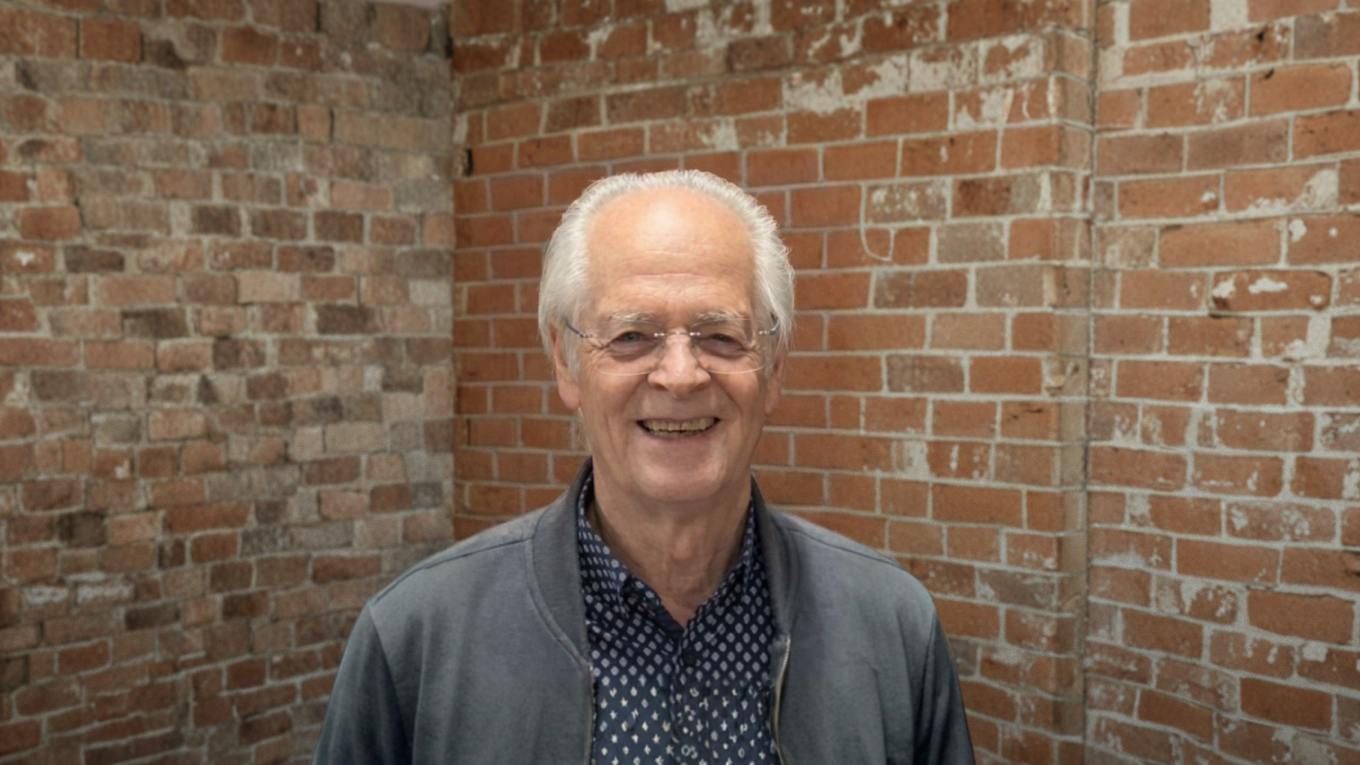
Across 19 years, Peter Warren travelled thousands of kilometres speaking about leprosy to people who often thought the disease belonged...
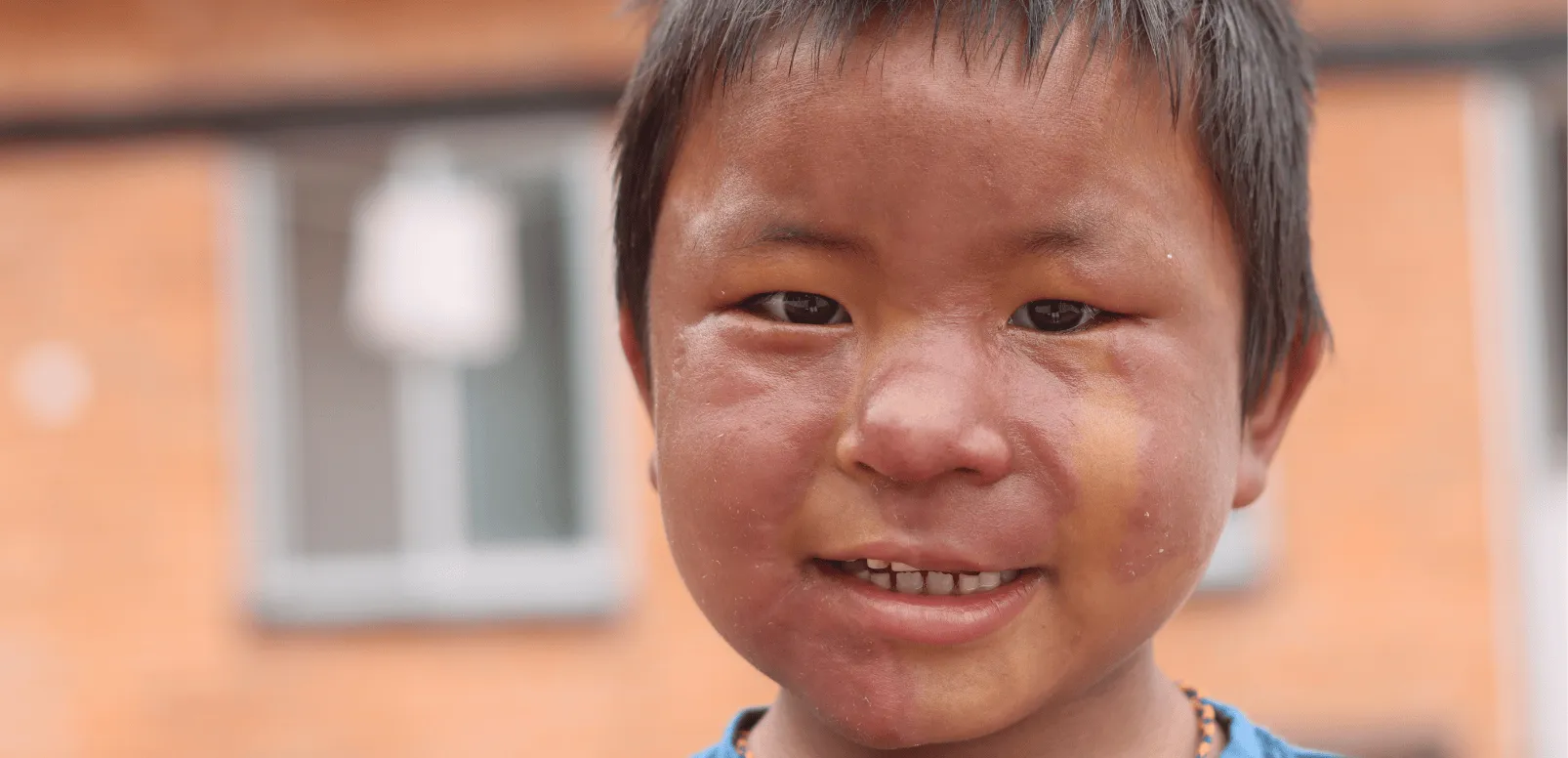
Last Giving Day, we introduced you to eight-year-old Kamal. When Gillian from The Leprosy Mission met him at Anandaban Hospital...

By clicking Subscribe you're confirming that you agree with our Terms and Conditions