
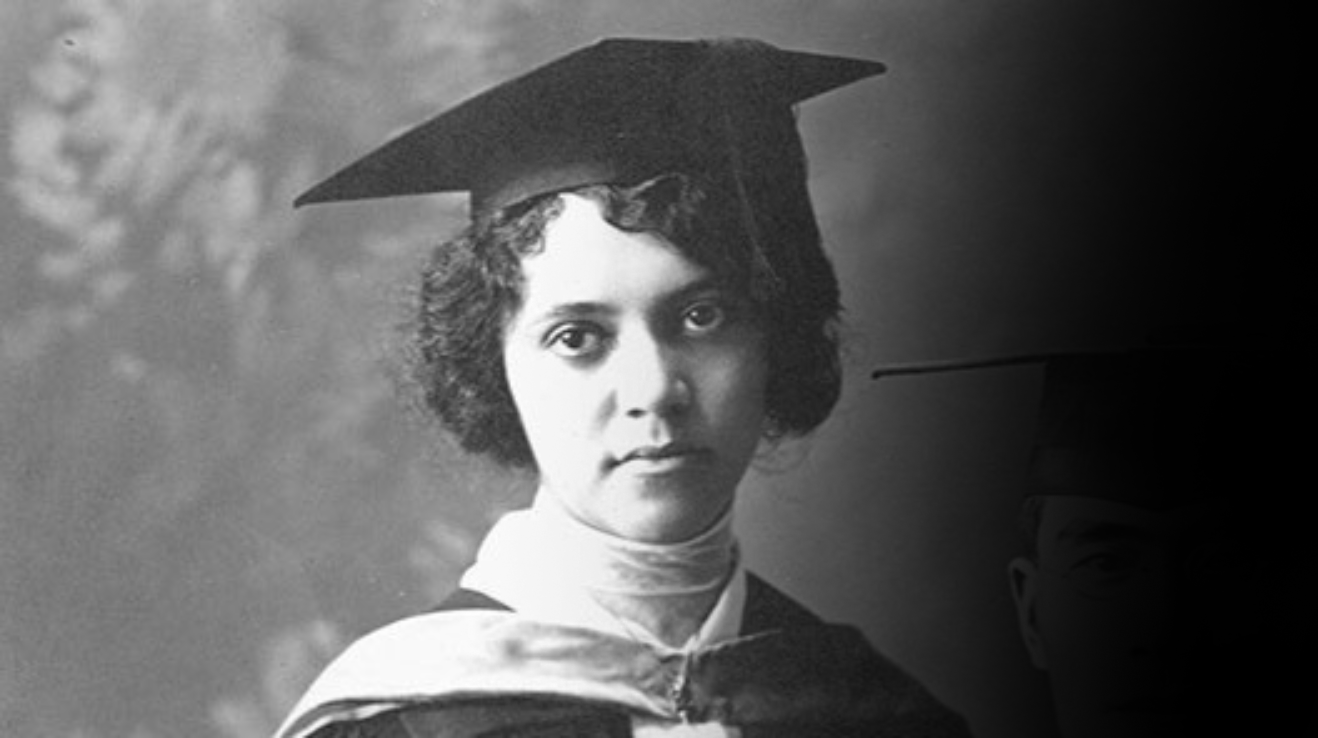
In the early twentieth century, a young chemist accomplished what seasoned researchers had failed to do for decades.
Her name was Alice Ball.
A 23-year-old Black woman, Ball’s brilliance should have been celebrated. But in 1915, the combination of her age, race and gender instead pushed her to the margins of scientific recognition.
To be clear: Alice Ball’s work changed the course of leprosy treatment.
At the time, doctors relied on chaulmoogra oil, a traditional remedy extracted from the seeds of a Southeast Asian tree. The oil showed promise, but it was thick, unstable and painfully difficult to administer. Injections often failed to absorb properly. Treatment was inconsistent. Hope was fragile.
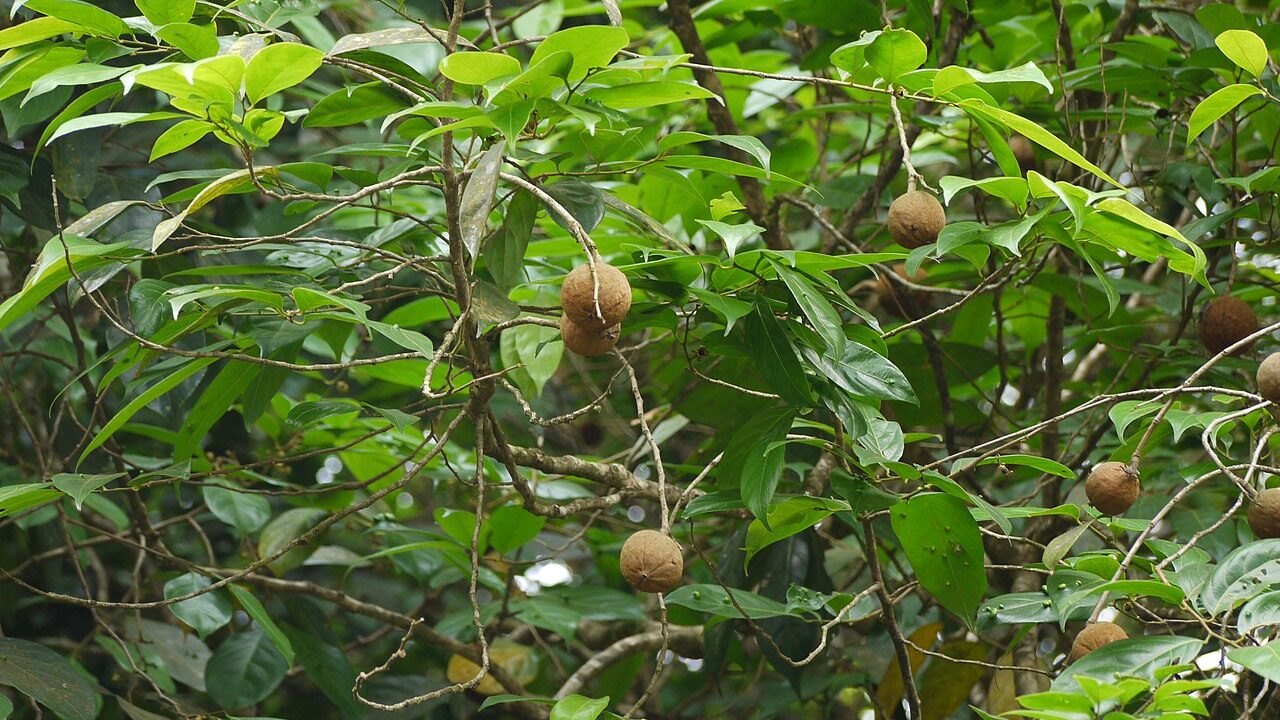
Alice Ball found a way to chemically modify the oil so it could be safely injected and absorbed by the body. Her method transformed chaulmoogra oil from a crude remedy into a viable medical treatment.
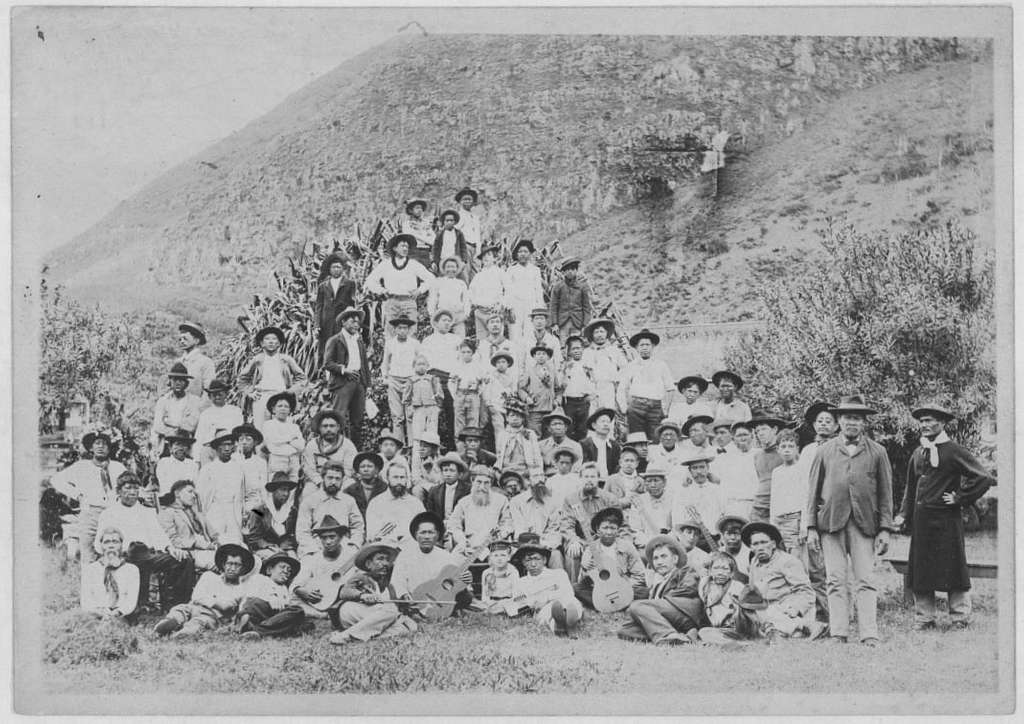
For patients confined in settlements such as Kalaupapa in Hawaiʻi, this breakthrough mattered deeply. For the first time, some patients improved enough to be discharged. While it was not yet a cure, it marked the beginning of the end of an era defined by lifelong exile. Ball’s achievement was extraordinary not only for its scientific ingenuity, but for the journey she endured to earn it.
She was the first woman to earn a master’s degree in chemistry from the University of Hawaiʻi, and the first Black woman to do so. In her early twenties, she accomplished what laboratories around the world had struggled to achieve.
But Alice Ball did not live to see the full impact of her discovery. She died in 1916 at just 24 years old.
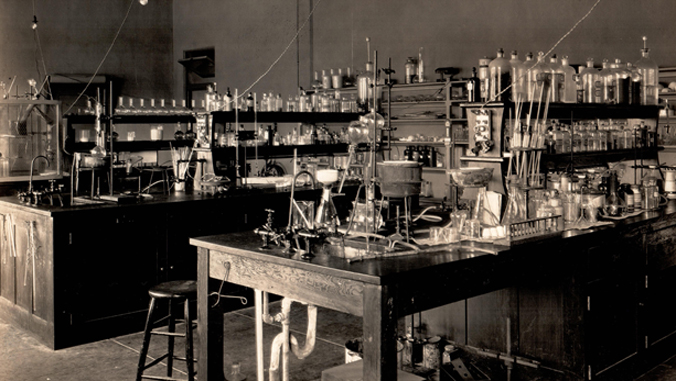
After her death, the president of the College of Hawaiʻi published her findings under his own name. For years, the treatment became known as “the Dean Method.” Ball’s role was minimised and then largely forgotten.
In an era shaped by both racism and sexism, it was not difficult for a young Black woman’s contribution to be overshadowed.
It would take decades for the historical record to be corrected.
It was not until the year 2000 that the University formally recognised her contribution. That same year, the Governor of Hawaiʻi declared February 29 Alice Augusta Ball Day—a leap year date, heartbreakingly fitting for a woman whose contribution had been overlooked for so long.

In 2022, Alice Ball Day was moved to February 28, establishing an annual recognition of the woman who changed medical history.
Today, her work is known as the Ball Method.
Why does this story matter now?
Because leprosy has never been only a medical condition. It has always been entangled with stigma, fear, isolation and injustice. The history of the disease includes suffering, but also resilience, courage and overlooked contributors.

At Leprosy Mission Australia, we stand in a long line of people working toward treatment, dignity and inclusion for those affected by leprosy. That history includes researchers, health workers, advocates and people with lived experience. It also includes a young Black chemist whose name nearly vanished from the story.
Alice Ball did not set out to make a political statement. She set out to solve a scientific problem.
In doing so, she altered the trajectory of a disease—and eventually, the story we tell about it.
On Alice Ball Day, we say her name and thank God for the brilliant mind, hard work and tenacity of Alice Ball.

For more stories like this, you can browse our full collection here!