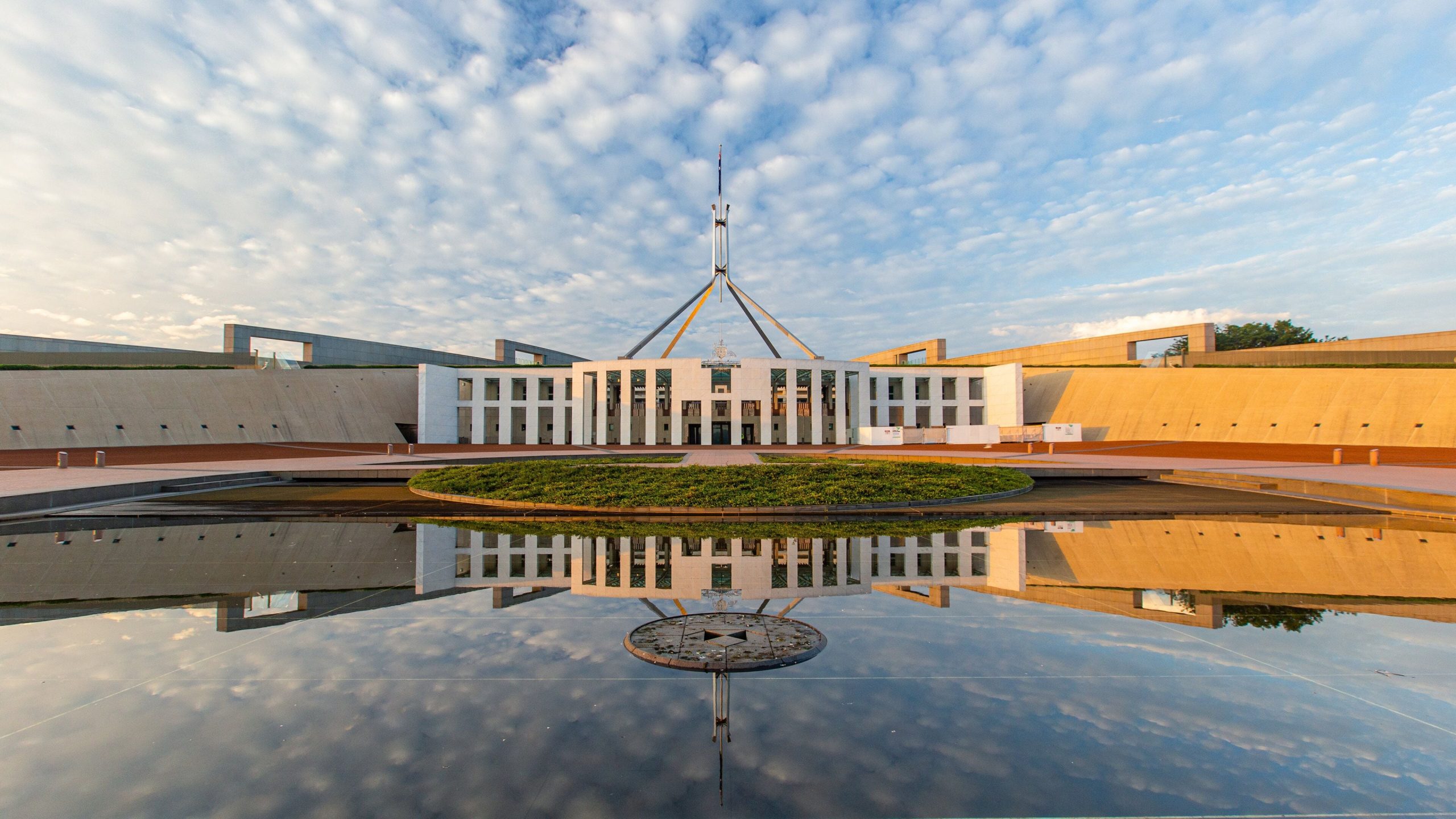
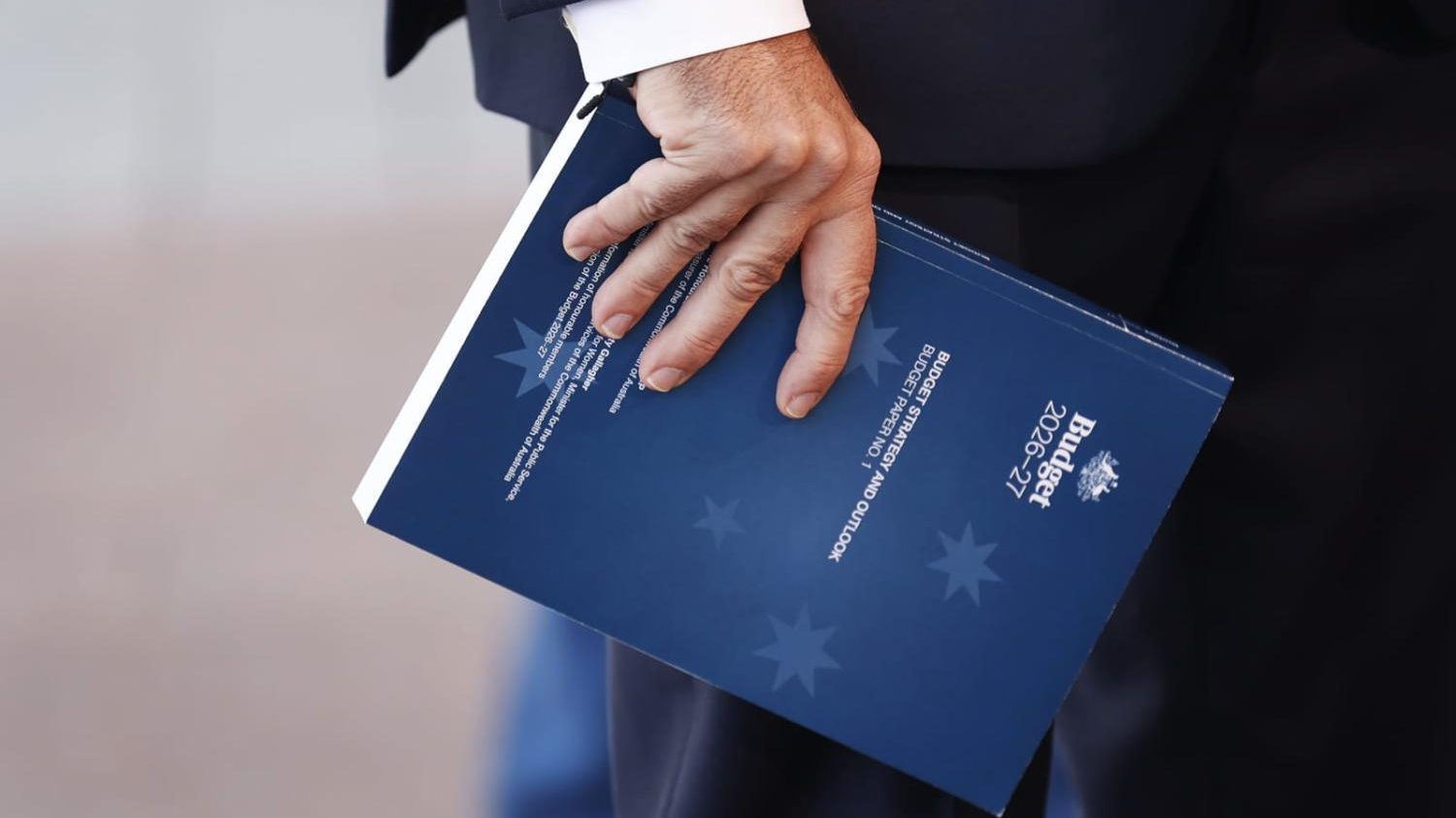
When the Federal Budget was handed down on Tuesday night, much of the national conversation focused on tax cuts, housing pressures, and cost-of-living relief.
But for organisations involved in international aid and development, there was another important announcement quietly included in the Budget papers: Australia’s aid program will be maintained.
At a time when humanitarian need is rising globally and many major donor nations are reducing aid spending, Australia’s decision to maintain support for its aid program sends an important signal.
The Government confirmed Australia’s Official Development Assistance budget will remain at $5.21 billion in 2026–27, including a modest increase linked to indexation. Funding for programs such as the Australian NGO Cooperation Program, which supports organisations like The Leprosy Mission Australia and our local partners, will also increase slightly.
In a letter to the Australian Council for International Development (ACFID), Foreign Minister Penny Wong and Minister for International Development Anne Aly acknowledged the important contribution Australian development organisations continue to make through “trusted delivery partners” with strong local relationships across the region.
The letter also expressed the Government’s commitment to “working with partner governments and trusted delivery partners, including ACFID members, to preserve our hard-earned development gains” during a period of major global instability and change.
For organisations like Leprosy Mission Australia, this recognition is encouraging. It reflects a growing understanding that effective development work is built on trusted partnerships, local leadership, and long-term investment in communities.
Australian Aid in Perspective
Aid maintenance is also never guaranteed.
Over many years, Australia’s aid budget has been reduced repeatedly, and today it remains a relatively small proportion of overall Federal spending. Australia currently spends around 63 cents in every $100 of the Federal Budget on aid, while spending more than ten times as much on defence.
In the lead-up to this year’s Budget, aid organisations, churches, advocates and community leaders spent months highlighting the importance of maintaining Australia’s aid commitment, particularly given growing humanitarian pressures around the world.
Recent polling shows 74% of Australians support maintaining or increasing Australia’s aid program—a striking figure given that many Australians still assume foreign aid makes up more than 10% of the Federal Budget, when it currently accounts for only 0.63%.
Importantly, support for aid continues to receive backing from across the political spectrum—something many organisations see as vital in an increasingly uncertain global environment.
What Australian Aid Makes Possible
For Leprosy Mission Australia, there is genuine gratitude for the Government’s decision to maintain aid despite significant financial pressures and difficult global conditions.
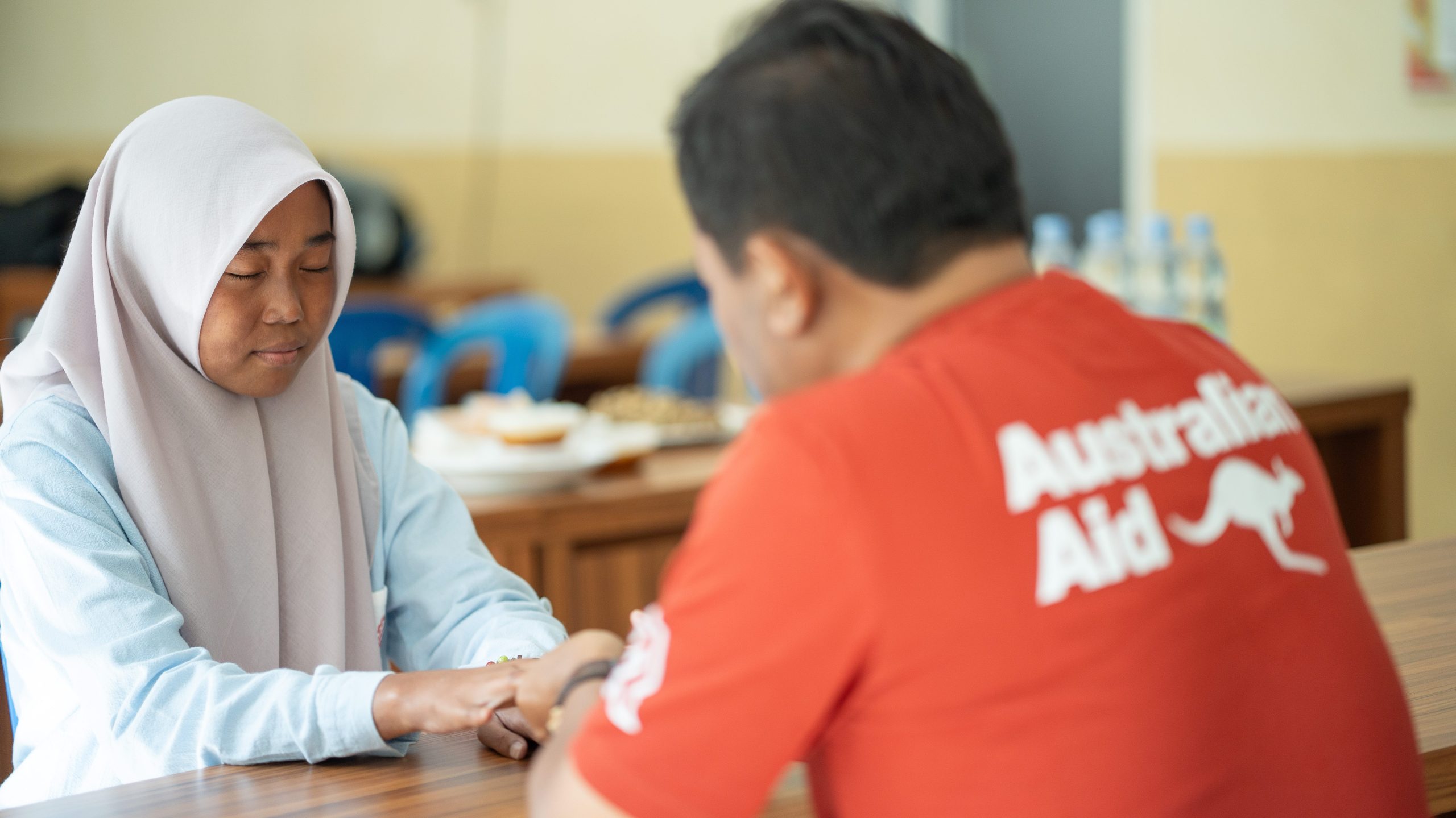
Through Australian aid, local partners across the Indo-Pacific are able to strengthen healthcare systems, support people affected by disability and disease, and help communities respond to crises and rebuild for the future.
This is work we know makes a real and measurable difference in people’s lives.
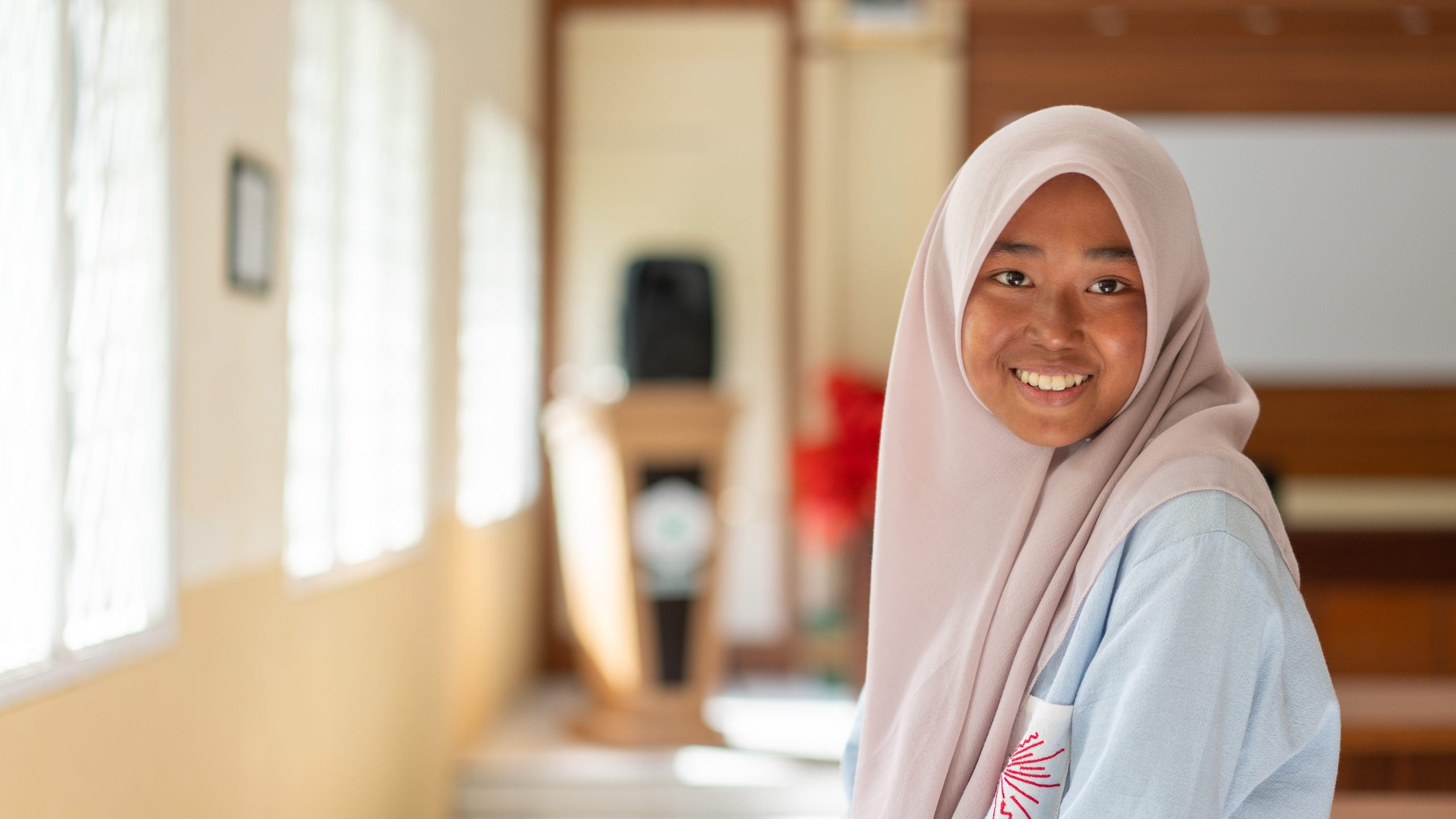
Practically, it means children receive diagnosis and treatment before leprosy-related disability develops. It means young people return to school after rehabilitation and support. Families access healthcare closer to home. People living with disability experience greater inclusion and less stigma within their communities.
Yet Australia’s aid program remains modest by international standards, particularly given the scale of global humanitarian need.
For many organisations working in development and humanitarian response, Tuesday night’s announcement was therefore both encouraging and unfinished.
It was a reminder that Australian aid works. That sustained investment changes lives over time. And that there remains a significant opportunity for Australia to continue growing its contribution to vulnerable communities across our region and the world.
Globally, a new case of leprosy is diagnosed approximately every two minutes, yet awareness of the disease remains low in many parts of the world.
Read More:
Federal Budget holds for aid, but stronger investment needed in an increasingly unstable world – Australian Council For International Development
At a time when global aid is going backwards, Australia holding the line matters – Micah Australia
For more stories like this, you can browse our full collection here!