There’s a simple question at the centre of the conversation about Australian aid: Does it work?
Because if it does—if it leads to real, measurable change—then the case for maintaining it becomes much clearer.
And if it doesn’t, then we shouldn’t.
But the evidence is there.
Australian aid funds work that works.
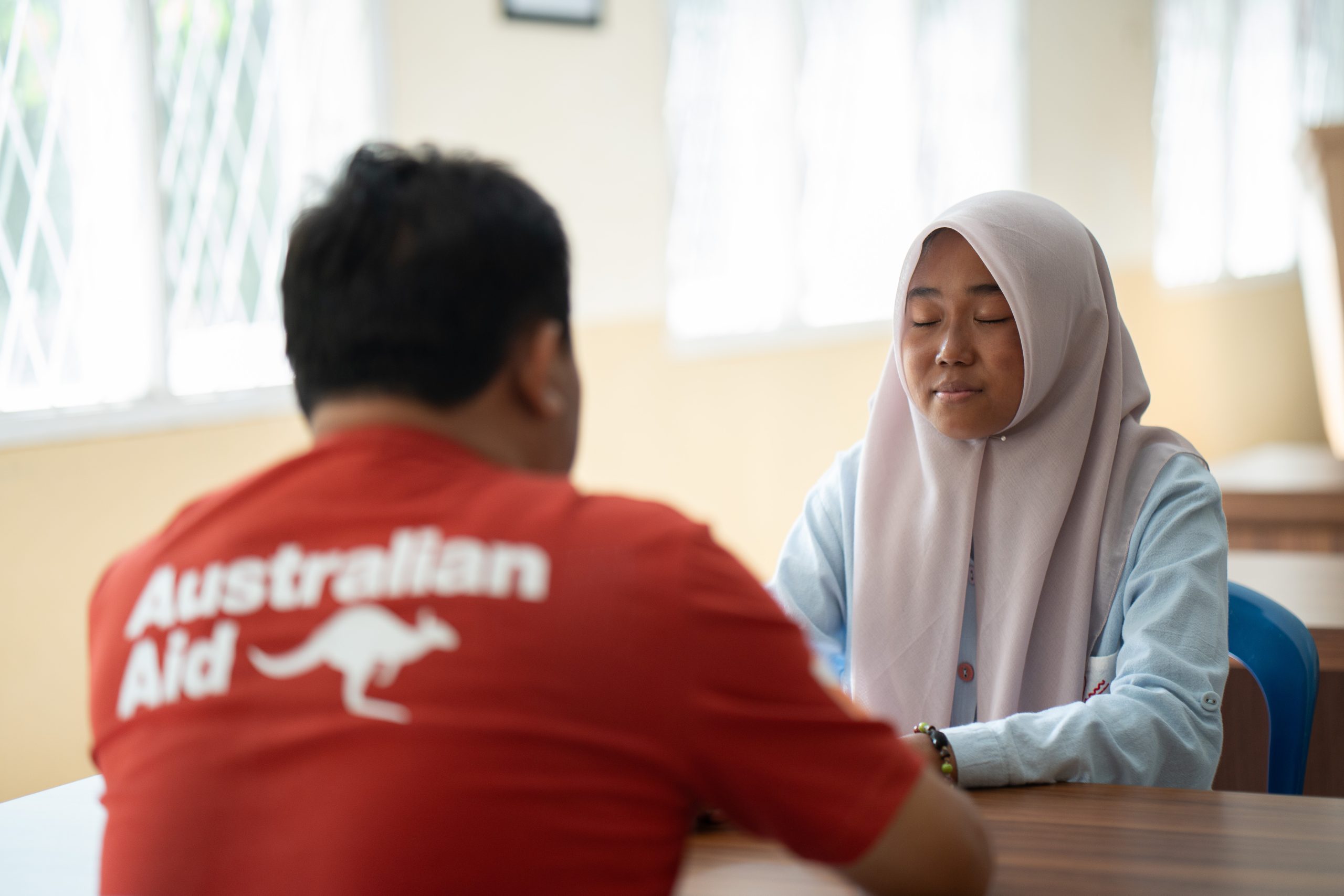
It supports early diagnosis of diseases like leprosy, so people are treated before disability develops.

It strengthens community-based healthcare, so people are reached earlier, and more consistently.
It funds education and awareness, so stigma no longer prevents people from seeking treatment.
These are not theoretical outcomes. They are practical, proven interventions that change what happens next—for individuals, for communities, and for systems.
And when systems become stronger, something else happens: The world becomes safer.
Not in an abstract sense. In ways that are tangible and measurable.
When diseases are diagnosed early, they are less likely to spread or cause long-term harm.
When communities are connected to healthcare, outbreaks are easier to contain. When people are included—rather than excluded—systems function more effectively.
This is what prevention looks like. And prevention is what makes the difference between a contained issue and a wider crisis.
We’ve seen this in Nigeria. People affected by leprosy were once unable to vote—not because they were excluded in law, but because fingerprint identification systems didn’t account for the disability the disease can cause.
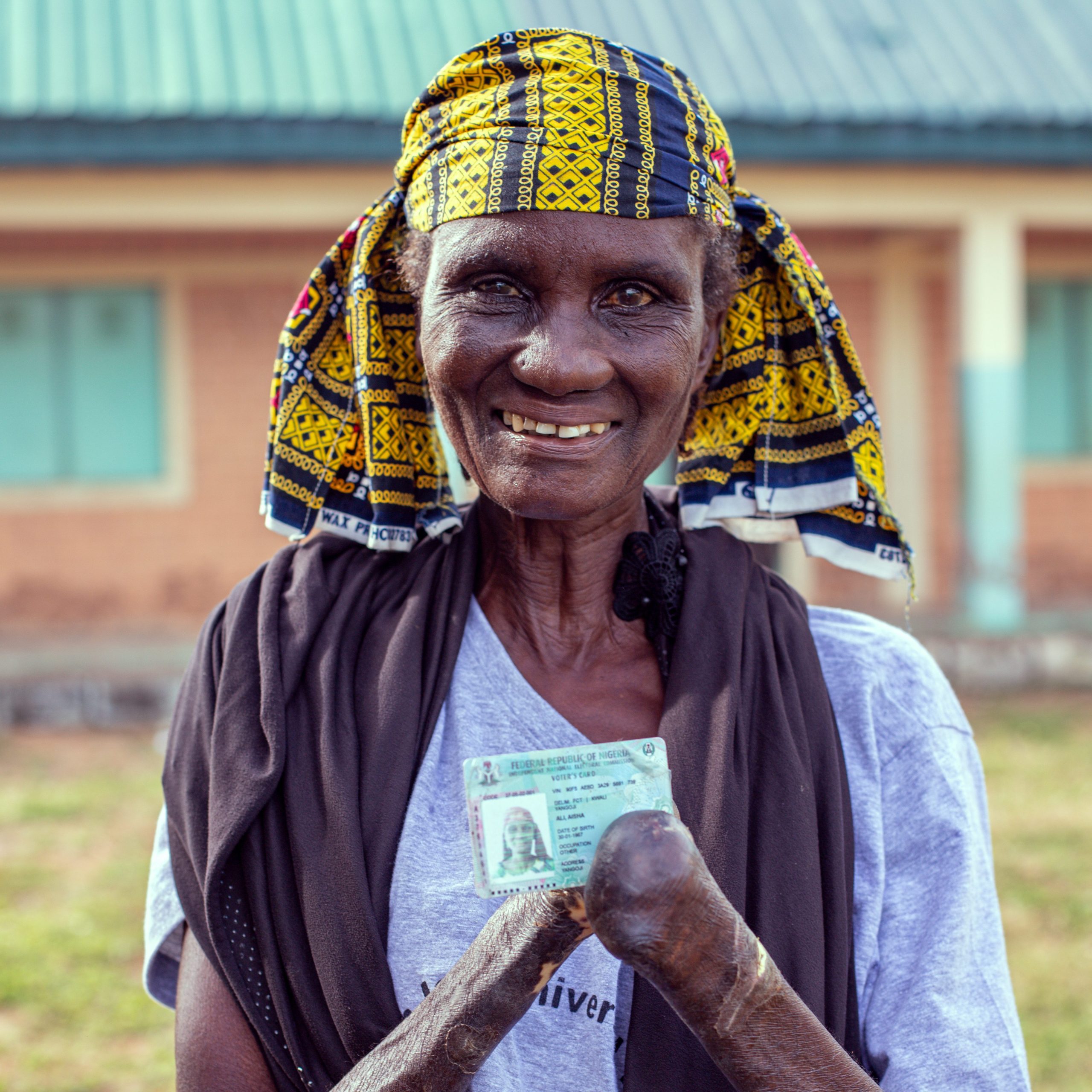
Through sustained advocacy and partnership, that barrier was removed. Thousands of people were able to participate in the democratic process again.
It is a specific change. But it points to something broader: Stronger systems are safer systems.
This work was recognised as a case study by Australian Council for International Development, highlighting the role Australian NGOs can play—not just in delivering services, but in strengthening the systems people rely on.
There is also strong public support for this kind of work. 75% of Australians support maintaining Australian aid in the federal budget.
It reflects a clear understanding that safety does not stop at borders. And that what happens elsewhere has an impact here.
Maintaining Australian aid is not simply a question of generosity. It is a question of effectiveness. It is about continuing to fund work that has been shown to deliver real outcomes.
Work that strengthens health systems and reduces risk. Work that makes the world safer—for everyone.
This is the work at the heart of Safer World For All. And it is work worth maintaining.
For more stories like this, you can browse our full collection here!