A new review shows Australian NGOs are delivering outsized results across global aid. Increasing support could unlock even greater impact.
At a time when global aid is under pressure, Australia faces a choice about what kind of partner it wants to be.
We can retreat, or we can invest more deliberately in what is already working.
A new review from the Australian Council for International Development (ACFID) makes a compelling case. It finds that Australian Non-Governmental Organisations (NGOs) are delivering development outcomes that exceed expectations relative to their share of the aid program.
Despite receiving a relatively small share of total funding, Australian NGOs are making disproportionately strong contributions in areas like gender equality, disability inclusion, education and climate resilience. In everyday terms, Aussie NGOs are punching well above their weight.
And yet, they remain underutilised.
Australia directs around 10 – 12 per cent of its development program through civil society organisations. There is clear evidence that this could be increased to deliver greater impact.
What matters is not simply how much we give. It is how effectively that funding turns into real outcomes.
A model built for complexity
ACFID’s review identifies several reasons why NGOs consistently deliver strong results.
They are not-for-profit, meaning funding goes directly to programs rather than profit margins. They are already accredited and regulated, reducing administrative burden on government. They leverage additional private funding, contributing an extra 29 per cent on top of government investment through mechanisms like the ANCP.
They are also agile. Because they work through long-term local partnerships, they can adapt quickly when conditions change. That matters in fragile and complex environments, where rigid delivery models often struggle to keep up.
Most importantly, they are built around locally led models. This means more than employing local staff. It means local organisations setting priorities, shaping programs and building their own capacity over time.
This is a model that is locally led and grounded in long-term partnership. It is not theoretical. And it is already delivering results.
What this looks like in practice
One example highlighted in the review comes from our work at The Leprosy Mission Australia, in long-standing partnership with The Leprosy Mission Nigeria.
Until recently, people affected by leprosy in Nigeria were effectively excluded from voting. The electoral system required fingerprint identification, but many people affected by leprosy have lost fingers due to the disease. At the same time, stigma and misinformation often made electoral officials reluctant to register them.
Working through trusted local relationships, our partners in Nigeria led a sustained advocacy effort. With support from Australia, this included engagement with the National Human Rights Commission, media advocacy, and direct dialogue with the Independent National Electoral Commission.
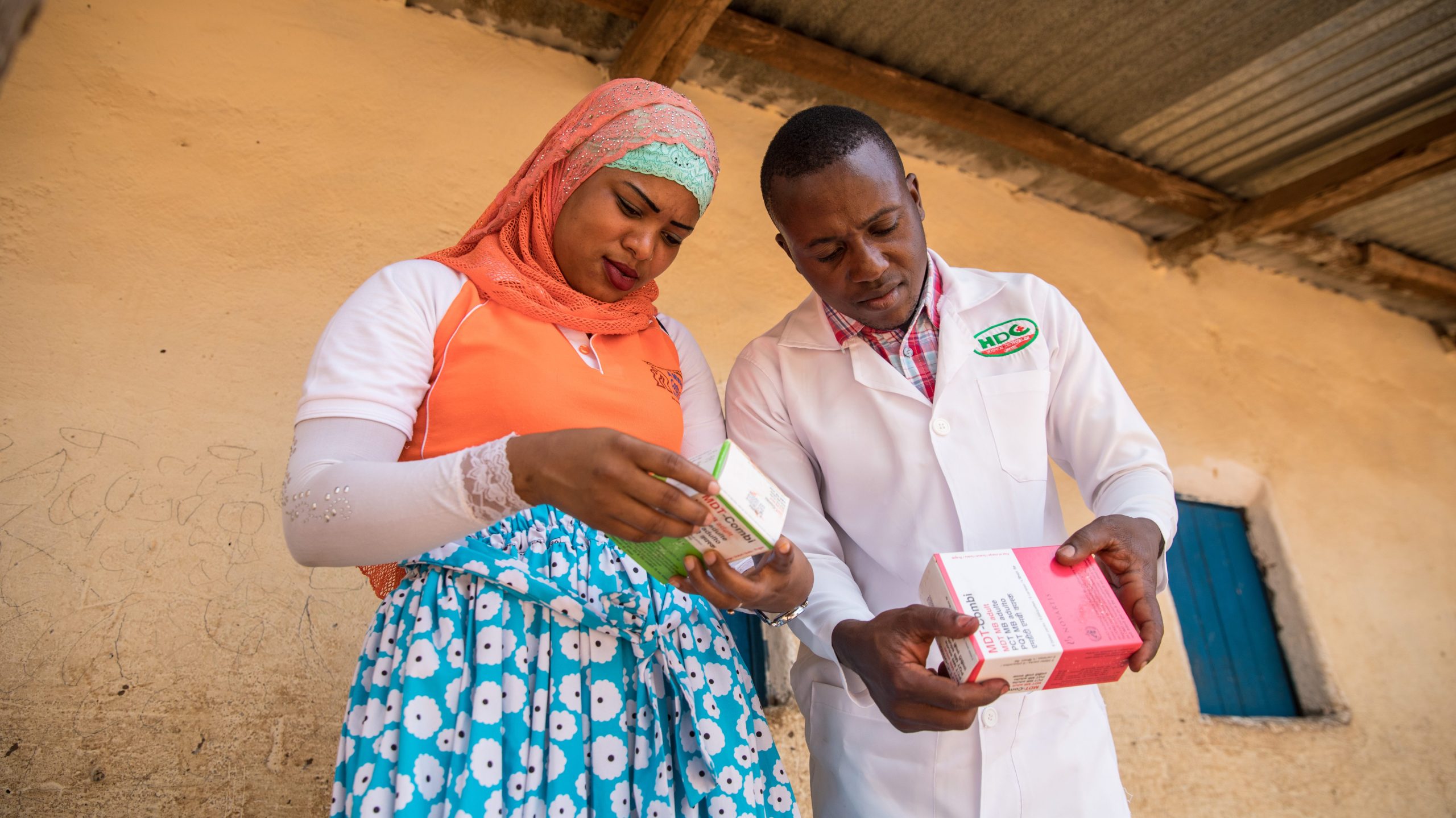
The result was not a small programmatic improvement. It was systemic reform.
Facial recognition was introduced as an additional form of biometric identification. Electoral processes became more inclusive. In 2023, around 50 per cent of people affected by leprosy were able to vote, compared to around 30 per cent of the general population.
This is what locally led, long-term partnership looks like. It works within systems, not around them. And it delivers change that lasts.
Not an isolated success
Our work is just one example. The ACFID review documents similar outcomes across the sector.
Results International Australia has mobilised grassroots advocates across the country to influence political leadership on tuberculosis, contributing to a $266 million Australian commitment to the Global Fund.
In Nepal, the Australian Himalayan Foundation has strengthened remote health systems through locally led innovation. Its telehealth model has enabled around 70 per cent of cases to be managed locally, reducing the need for costly referrals while building long-term capacity among health workers.
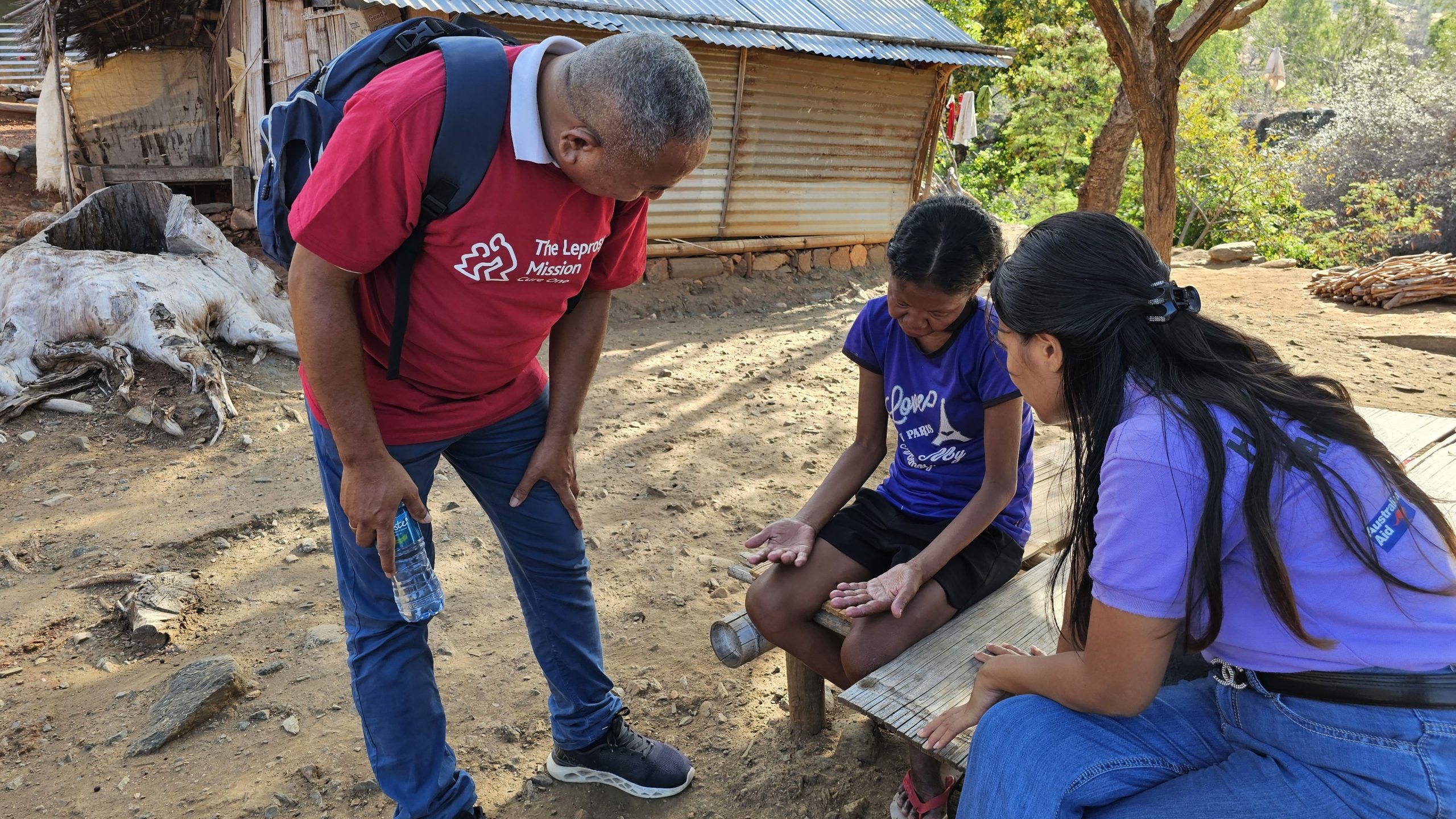
In Timor-Leste, Oxfam Australia has supported disability organisations in influencing national budgets and policies. This work has contributed to increased government investment, the ratification of the UN Convention on the Rights of Persons with Disabilities, and the establishment of national structures to represent people with disabilities.
Across very different contexts, a consistent pattern emerges. Long-term partnerships. Local leadership. The ability to work through complex challenges over time.
A stronger case than many realise
There is a persistent misconception in Australia about how generous we are as a nation.
A 2018 Lowy Institute poll found that Australians believe around 14 per cent of the federal budget is spent on aid, and that around 10 per cent should be. In reality, it is closer to 0.65 per cent.
We are not an outlier because we give too much. We are an outlier because we give relatively little, and because we underinvest in some of the most effective delivery channels available to us.
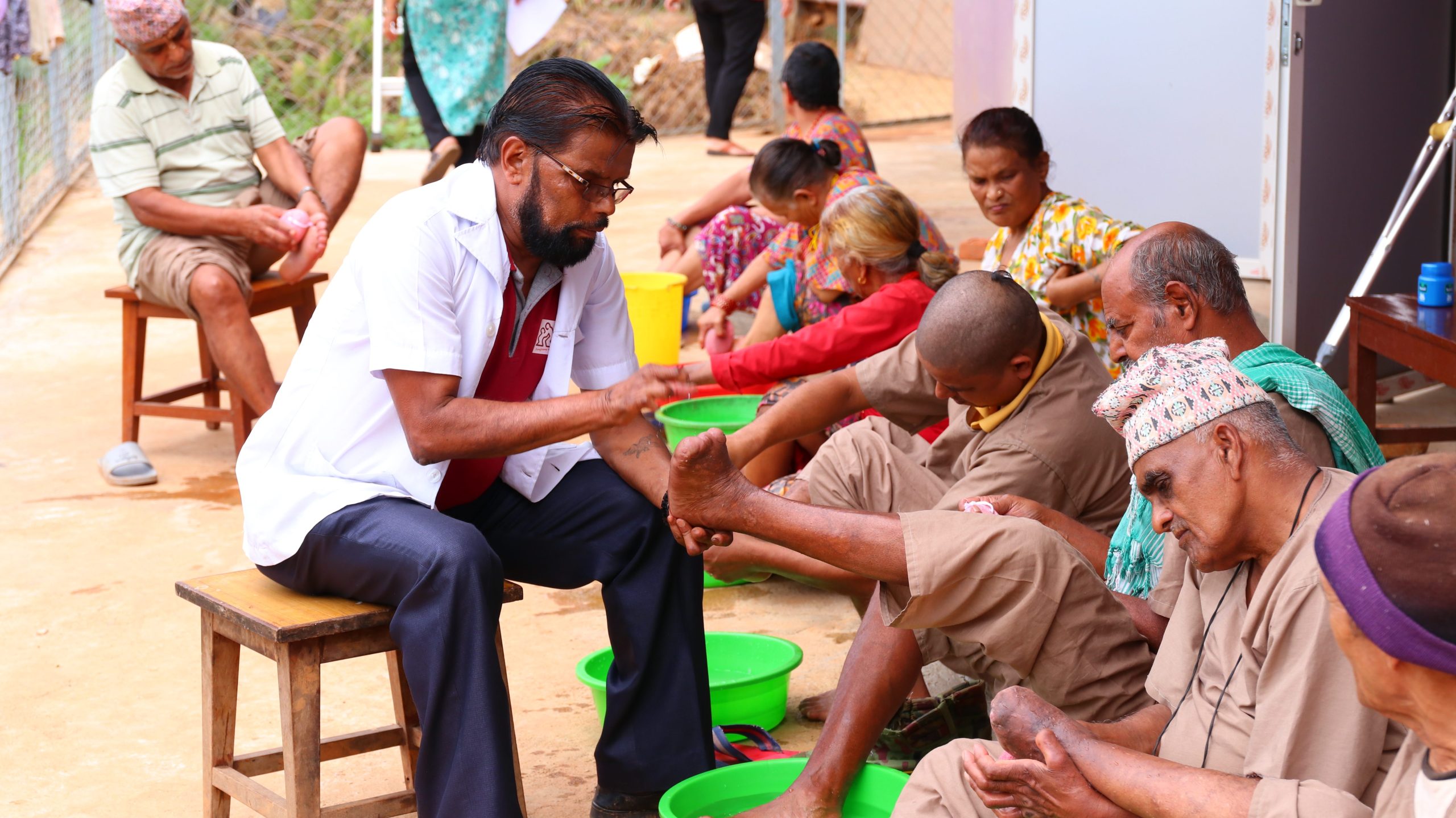
At the same time, global aid cuts are creating real gaps. Funding for neglected tropical diseases, including leprosy, has declined by around 41 per cent in recent years. In Nigeria, reductions in international support have cut roughly 45 per cent of the country’s healthcare budget.
The consequences are already being felt on a large scale. Last year alone, delays in treatment for neglected tropical diseases affected more than 140 million people. Around 10,000 children are diagnosed with leprosy each year, many only after preventable disability has already occurred.
The effects of global aid cuts aren’t abstract. They determine whether people are diagnosed early, treated in time, or left out of the systems that shape their lives.
More than aid
The value of NGOs is not limited to development outcomes.
ACFID’s review finds that their work strengthens Australia’s diplomatic relationships, particularly through trusted, long-term partnerships in-country. It also highlights the role NGOs play in connecting Australians with global issues, building public understanding and support for aid at a time when it is at risk.
In a changing geopolitical environment, these relationships matter. They shape how Australia is seen, and how we are trusted.
The opportunity in front of us
The evidence does not point to a need to reinvent Australia’s aid program. It points to the opportunity to build on what is already working.
Australian NGOs are delivering strong results. They are demonstrating value for money. They are building local capacity and strengthening civil society. They are working in places and in ways that others often cannot.
And yet, they remain underutilised.
As Australia approaches its next federal budget, there is an opportunity to make a clear, evidence-based decision.
Not just to maintain aid, but to direct it more effectively.
Because when we invest in models that are already delivering, the impact is not incremental.
It is transformational.
For more stories like this, you can browse our full collection here!