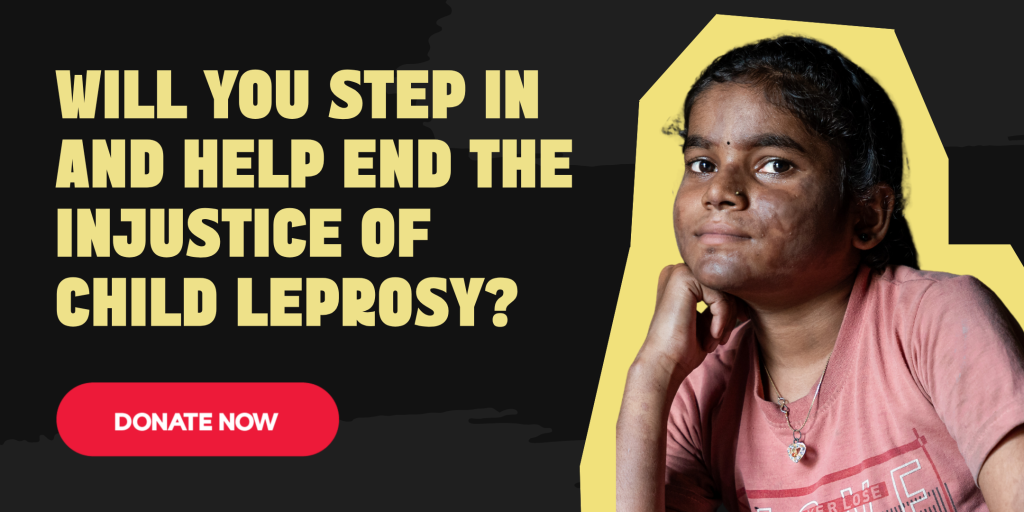
Leprosy stole years from Rhitik. We can stop it from happening again.
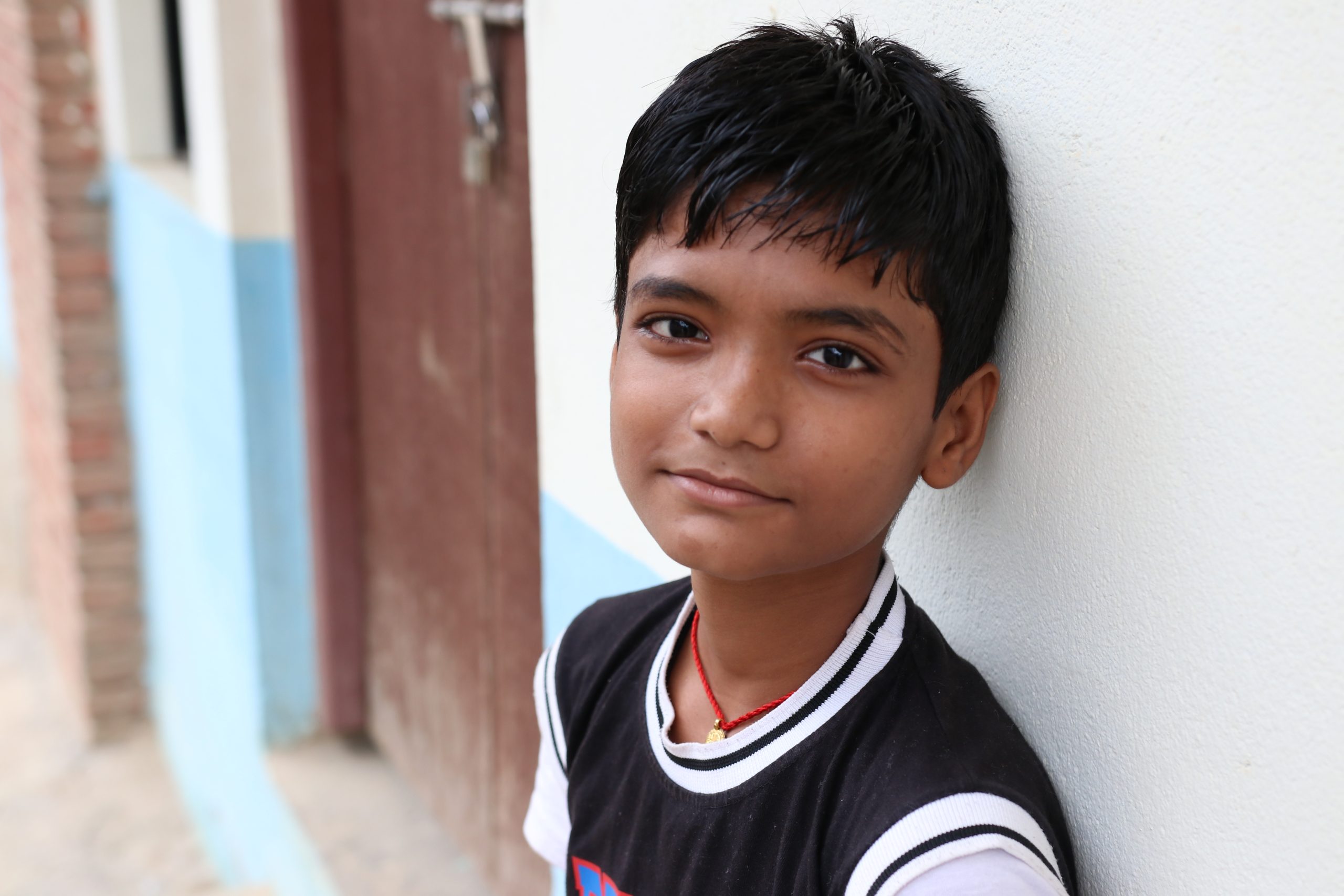
Rhitik used to love playing soccer with his friends.
He still does, actually. He’s just forced to watch from the sidelines now.
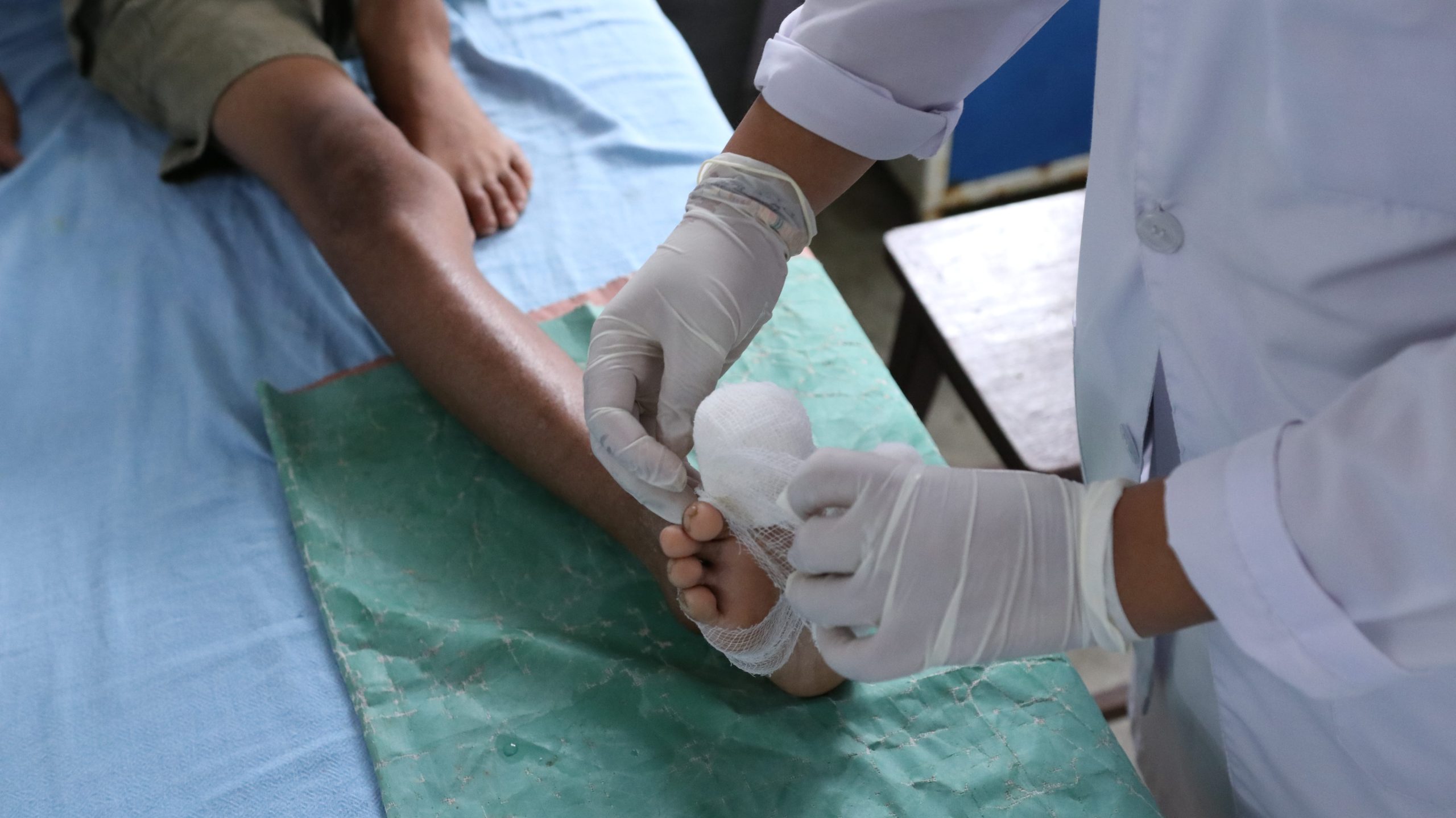
The ulcer on his right big toe made playing impossibly painful years ago, now. And for a long time, no one seemed able to explain why the wound wouldn’t heal.
At first, it seemed like a simple injury. Then the ulcer worsened, becoming so severe that doctors had to remove part of his toe in an attempt to save his foot. At one point, medical staff even suspected it was cancer.
But after a surgery to remove the top of his toe, years of taking various courses of antibiotics, dozens of hospital visits, and long trips seeking treatment from various experts, Rhitik’s wound kept returning.
Eventually, the family learned the truth: Rhitik had leprosy.
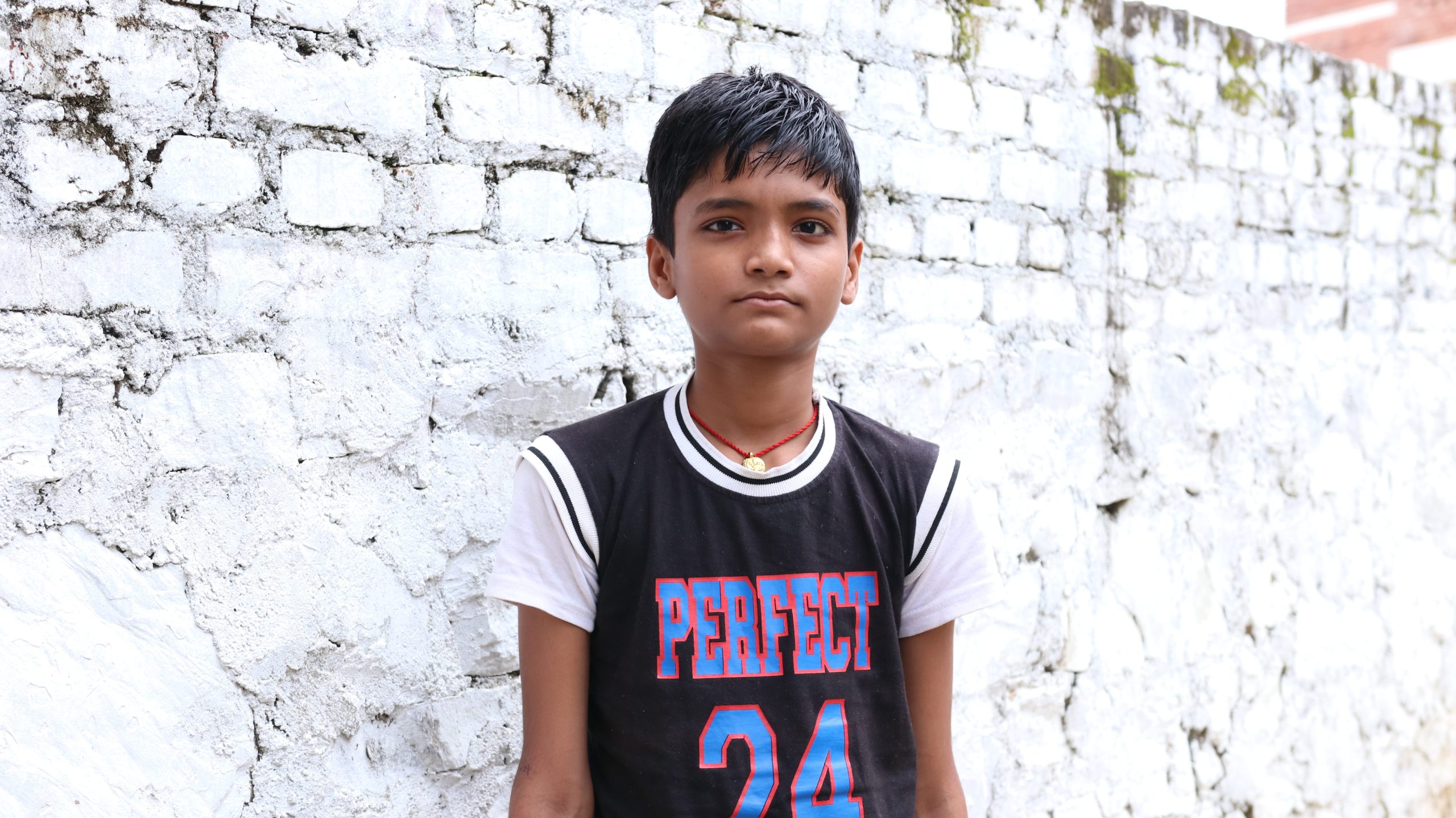
By then, the disease had already shaped much of his childhood. Now 13 years old, Rhitik is still only in year 5, having repeatedly missed school because of illness and medical appointments. For a long time, Rhitik’s school attendance looked like 10 days in class, followed by 3-4 days of non-attendance because he was in the hospital for treatment. Understandably, his learning has suffered significantly.
His friendships, behaviour, and general well-being have also been impacted.
Rhitik stopped dancing and playing soccer with his friends—two of his favourite activities—because of the wound on his toe. When other children asked why he could no longer join in, he kept his explanation simple: he had a wound.
And when he learned that leprosy is the cause, he kept the diagnosis to himself. As far as Rhitik’s friends know, he has a wound that will not heal and doctors still don’t know what is causing it.
Over time, some of the children began teasing him, calling him Tung katta—a phrase used for someone with an amputated leg. The taunts deeply hurt Rhitik and sometimes led him to lash out and fight back.
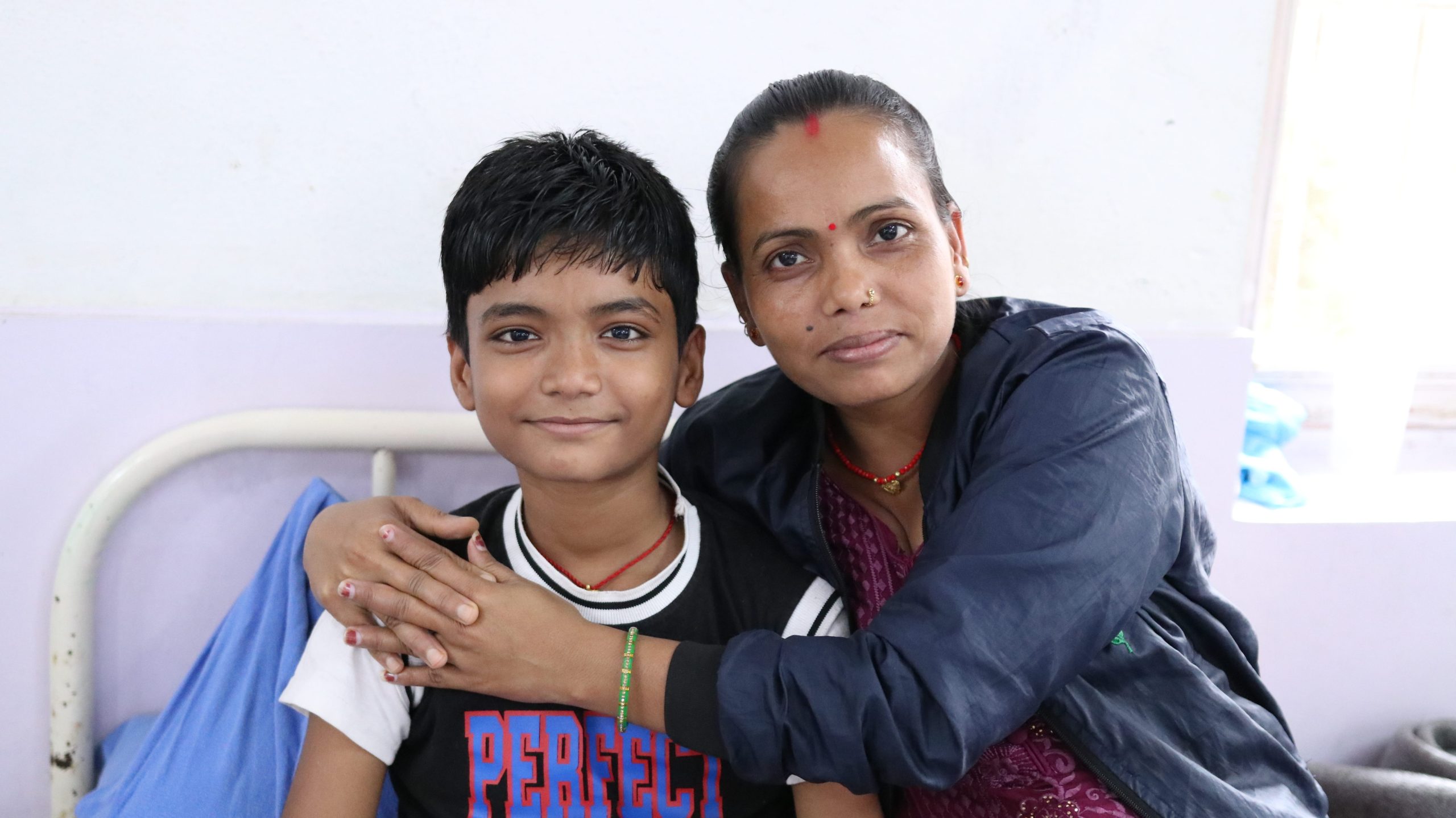
His mother was afraid of his leprosy diagnosis becoming known, too.
She had heard of leprosy before but didn’t know anyone in the village affected by it or that effective treatment existed. She worried about what people in their village might think if they found out Rhitik had the disease.
That fear is not uncommon.
For many Australians, the fear and secrecy surrounding leprosy can feel difficult to understand.
Most of us have grown up in communities shaped by scientific understanding of disease and access to modern healthcare. Leprosy is also extremely rare in Australia, meaning the stigma surrounding it rarely affects people’s daily lives here.
But in places where leprosy is still present, fear and misunderstanding can carry devastating consequences. Children like Rhitik hide their diagnosis, families have reason to fear exclusion, and people affected by the disease can become isolated long before leprosy itself causes physical harm.
Rhitik’s family kept trying to care for the wound at home while searching for more effective treatment. His uncle helped accompany him to appointments. His mother regularly cleaned and dressed the ulcer herself.
Then, through a skin screening outreach program run by The Leprosy Mission Nepal, Rhitik’s mother heard about Anandaban Hospital. Soon, Rhitik, his mother and his uncle made the 12-hour bus journey there to seek treatment for Rhitik’s toe.
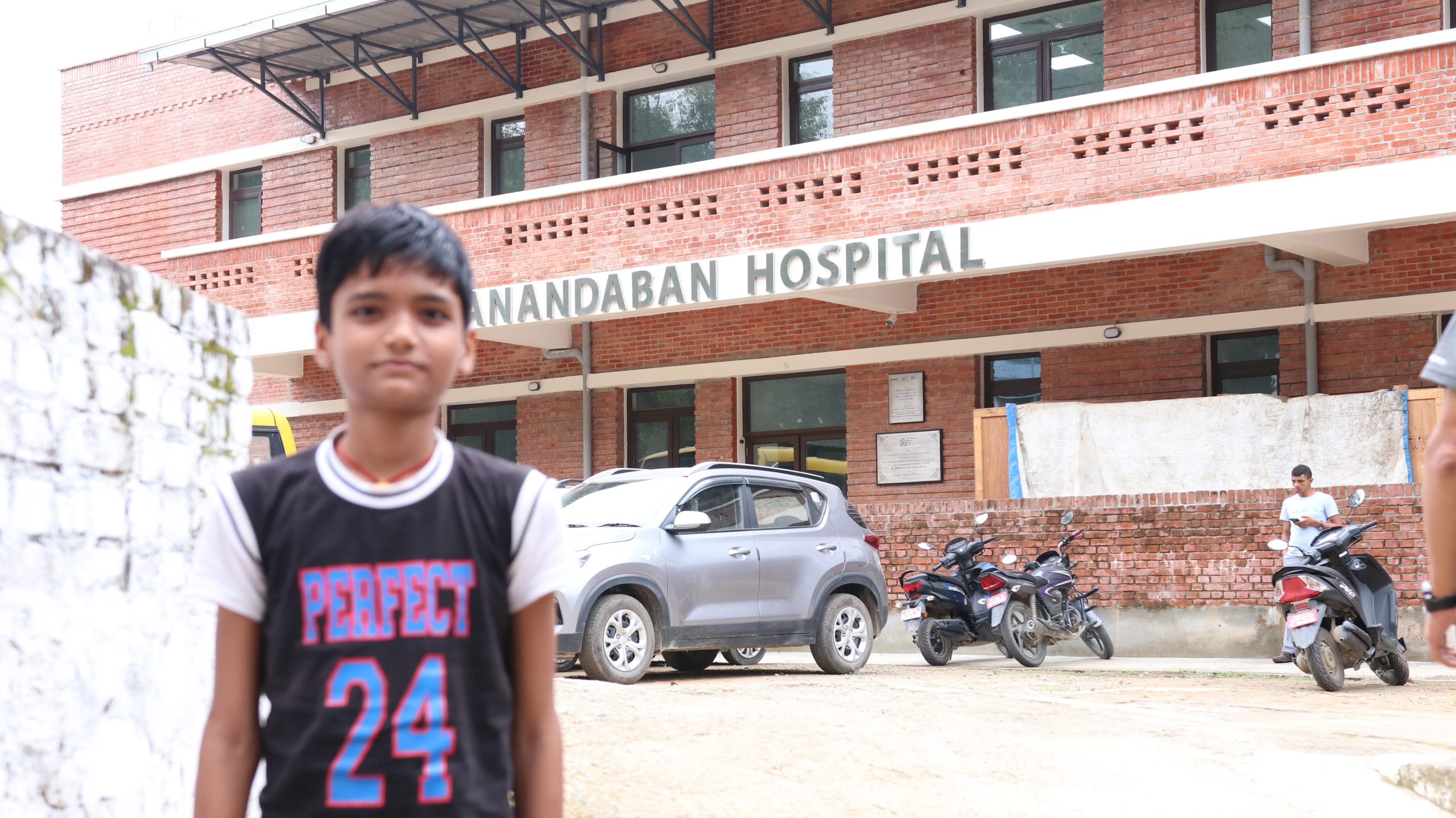
When Rhitik’s mother first arrived at Anandaban and saw other patients living with deformities caused by leprosy, she became terrified for her son. Doctors reassured her that Rhitik would get better with treatment.
So, for the first time in years, this resilient and determined family began receiving specialist care for the condition that had disrupted so much of Rhitik’s life.
Doctors at Anandaban discovered an infection in the bone beneath the ulcer which explained why the wound had never properly healed. Rhitik required surgery, and most of what remained of his toe ultimately needed to be amputated.
Today, Rhitik remains in hospital recovering and continuing treatment.
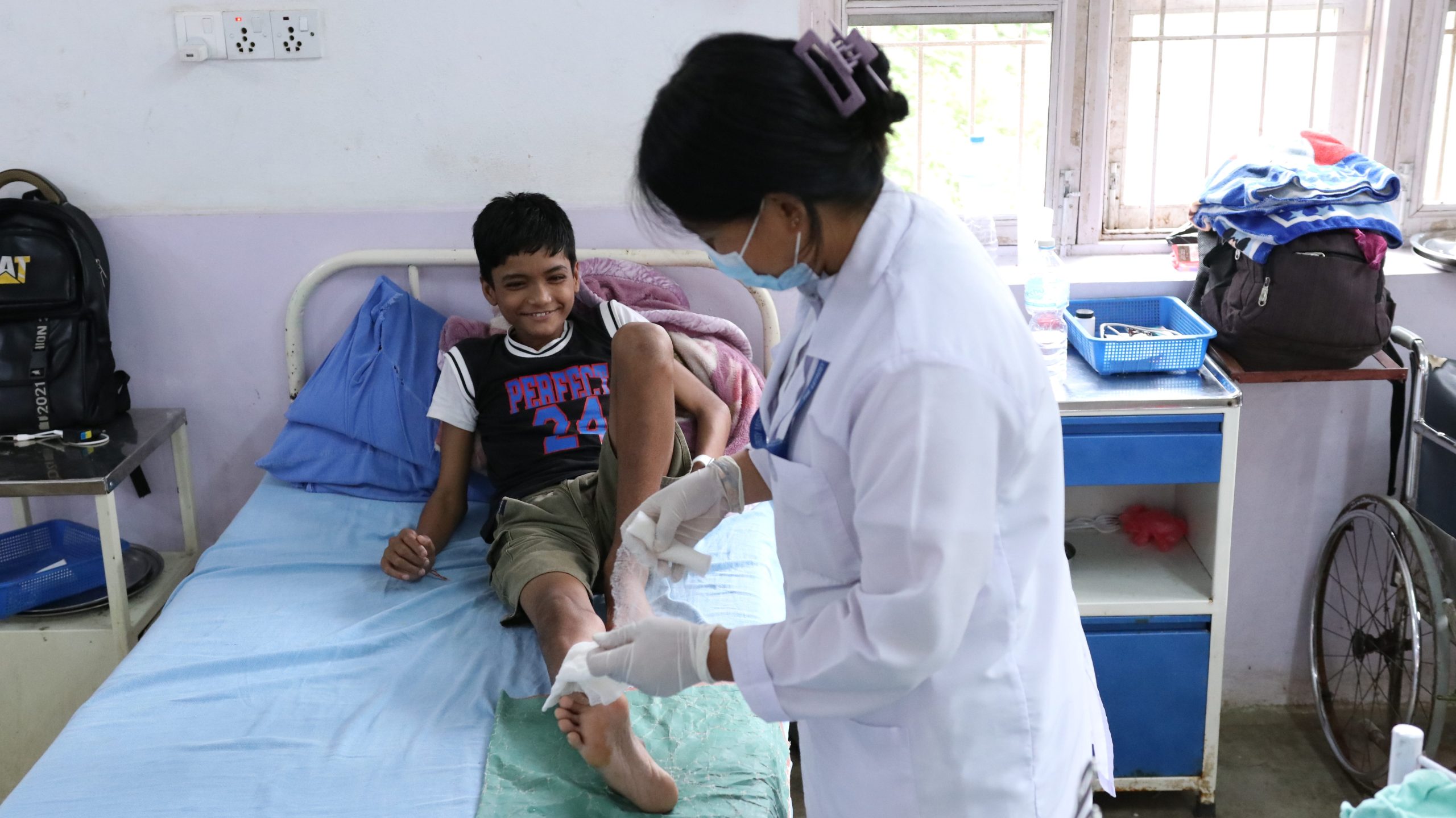
He spends much of his time playing games on his phone or watching Indian movies while he waits to find out when he can finally return home. His younger sister is currently being cared for by relatives while the family remains with him during treatment.
And despite everything he has endured, Rhitik still talks hopefully about the future. After he heals, he wants to study hard and play soccer with his friends again. Eventually, he would like to become a scientist, engineer or doctor, he says—his aspirations changing daily, as is often the case with 13-year-old boys.
So, how can we make sense of Rhitik’s suffering?
Stories like Rhitik’s are a reminder that leprosy is still a thing. But they are also a reminder that it doesn’t have to be.
Lived accounts of leprosy can feel impossibly far away for us Aussies. A child in another country. Another health system. A whole other world of poverty, uncertainty and limited access to healthcare that most of us will never personally experience.
Yet, one of the confronting realities about leprosy is that relatively simple things—early diagnosis, antibiotics, wound care, specialist treatment and community outreach—can completely change the course of someone’s life.
That means Australians are not powerless in the face of stories like Rhitik’s.
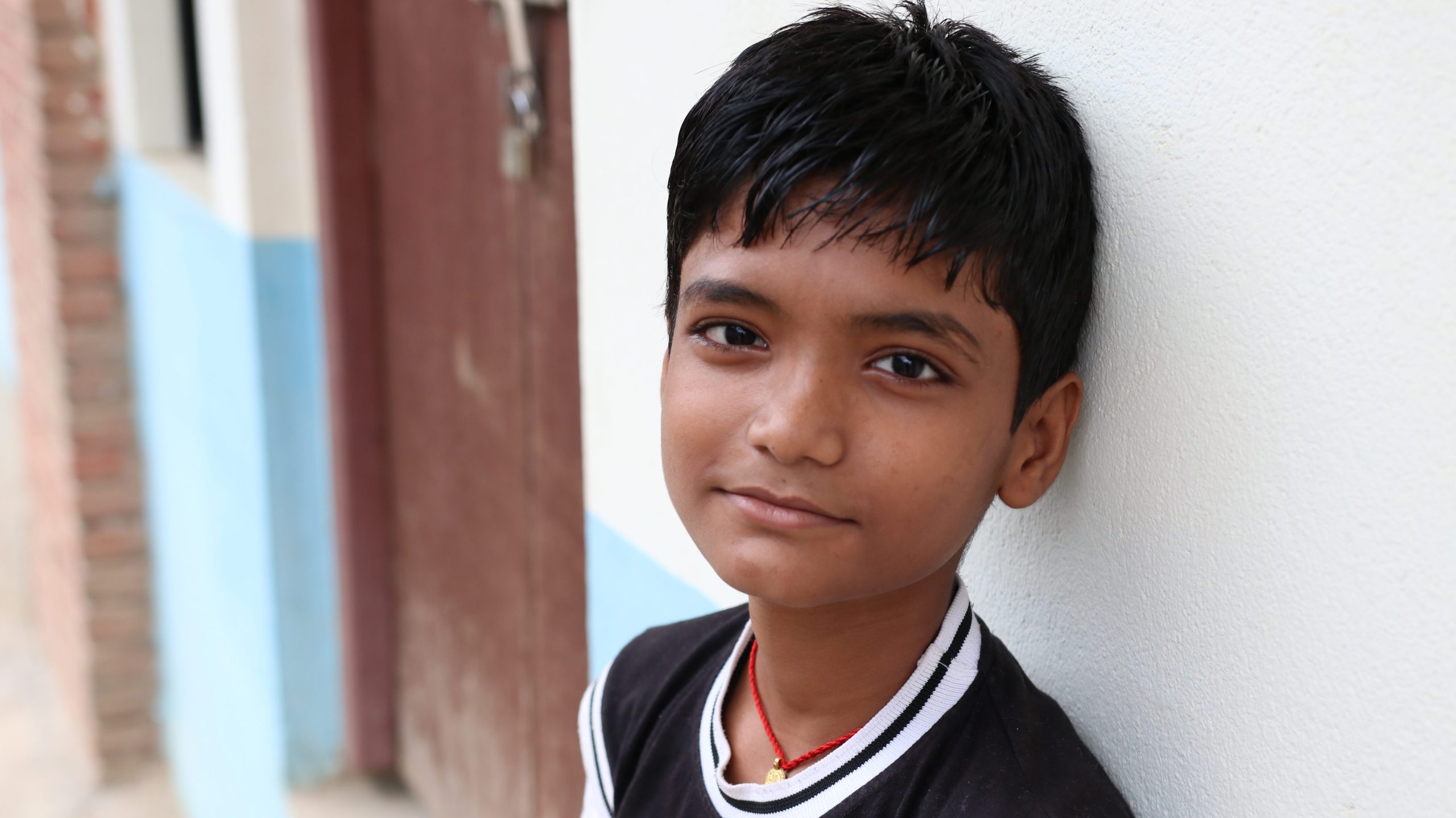
To the contrary, ordinary people can help fund the clinics, outreach programs, hospitals and treatment that stop leprosy before it steals more childhoods like his.
Leprosy is curable. Early diagnosis and treatment can stop the disease before disability develops. Yet for many families living in remote or vulnerable communities, accessing diagnosis, treatment, wound care, and specialist support remains difficult.
That’s why programs like community screening clinics, outreach services, hospitals and rehabilitation support matter so deeply.
This EOFY, your support can help children like Rhitik access the diagnosis, treatment and care they need before leprosy steals more of their childhood. Because no child should spend years waiting for answers for a disease we already know how to cure.
For more stories like this, you can browse our full collection here!