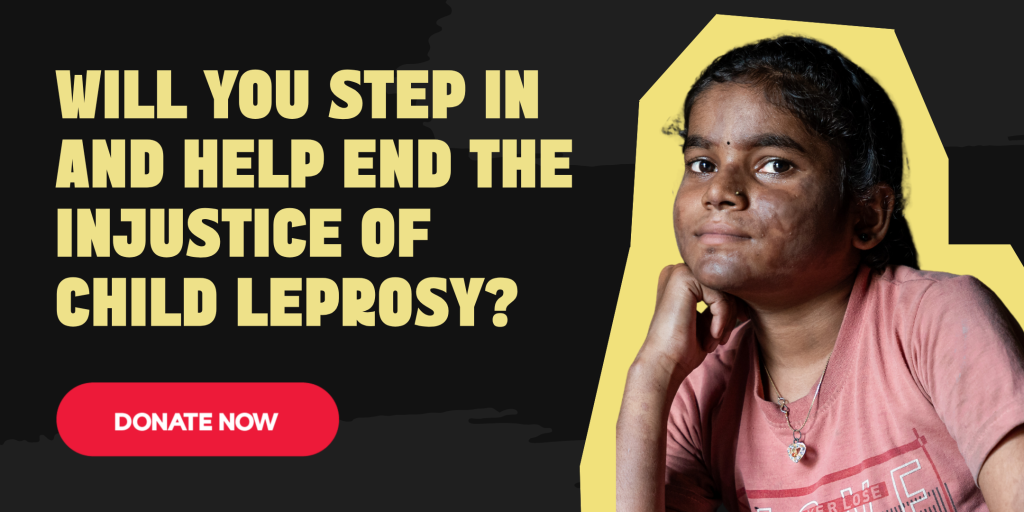
Nisha is nine years old. She has already lost the woman who raised her to leprosy. Now, as she begins treatment herself, stigma continues to shape her world.
The First Signs
Nisha was nine when the first mark appeared—a pale patch on her face, followed by another on her arm. It didn’t hurt, and at first, it didn’t seem serious. Like her parents, she assumed it was a rash. The doctor gave her a cream, and for a while, they waited.
But it didn’t.
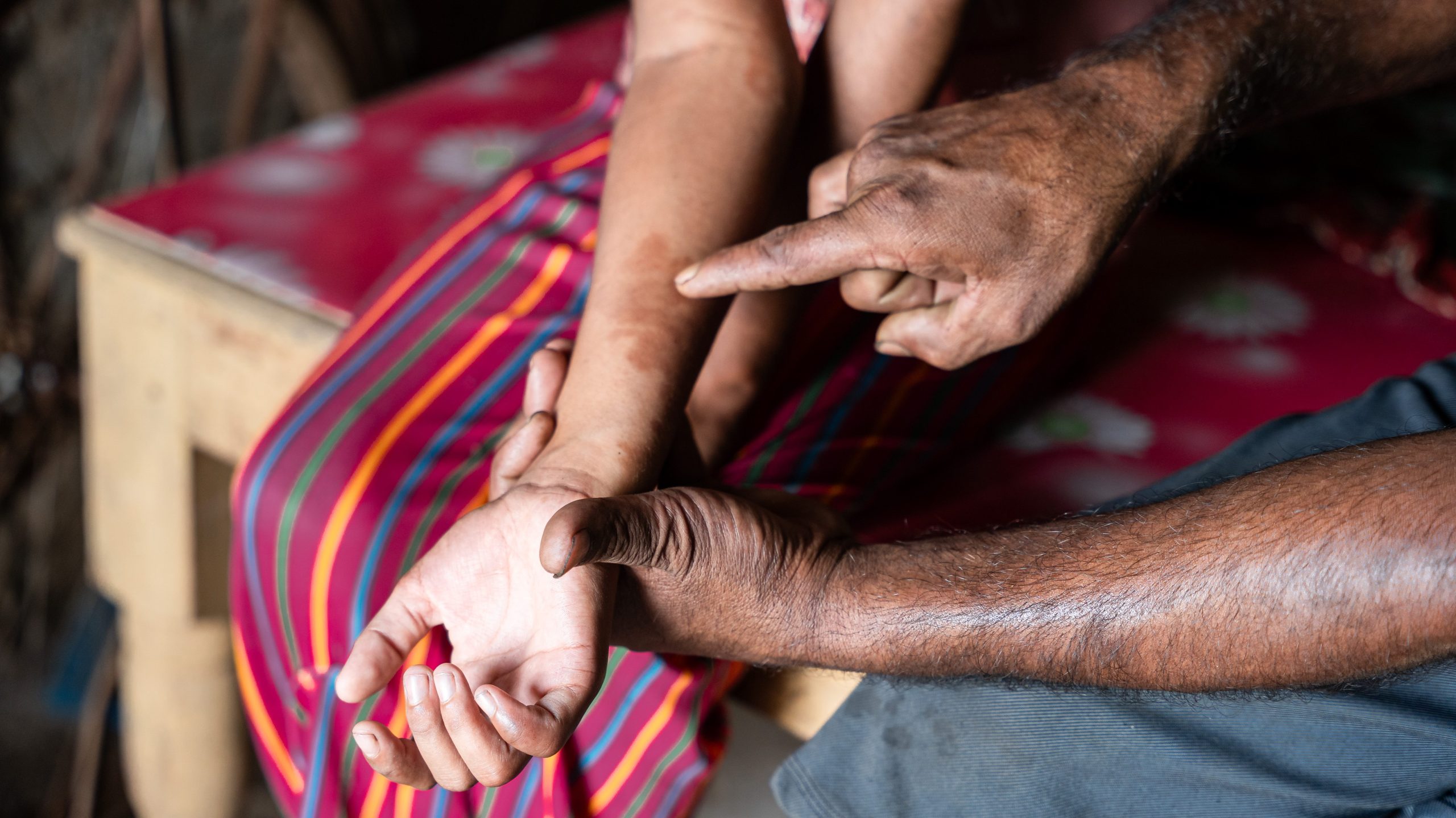
Instead, the patches spread. Her face began to swell, her cheeks turning red and tight, the change becoming harder to ignore with each passing day. What had once been easy to dismiss was now visible to everyone around her—and with that visibility came a quiet unease.
A Disease She Had Already Seen
Nisha had already experienced loss at a young age. Her mother had died when she was little, and it was her stepmother who raised her—caring for her, guiding her, and shaping the rhythms of daily life.
Then leprosy came into their home.
Over time, Nisha watched as her stepmother’s health declined. The changes were gradual but unmistakable, unfolding day by day. By the time her father began taking her from one government hospital to another in search of answers, the fear had already taken hold.
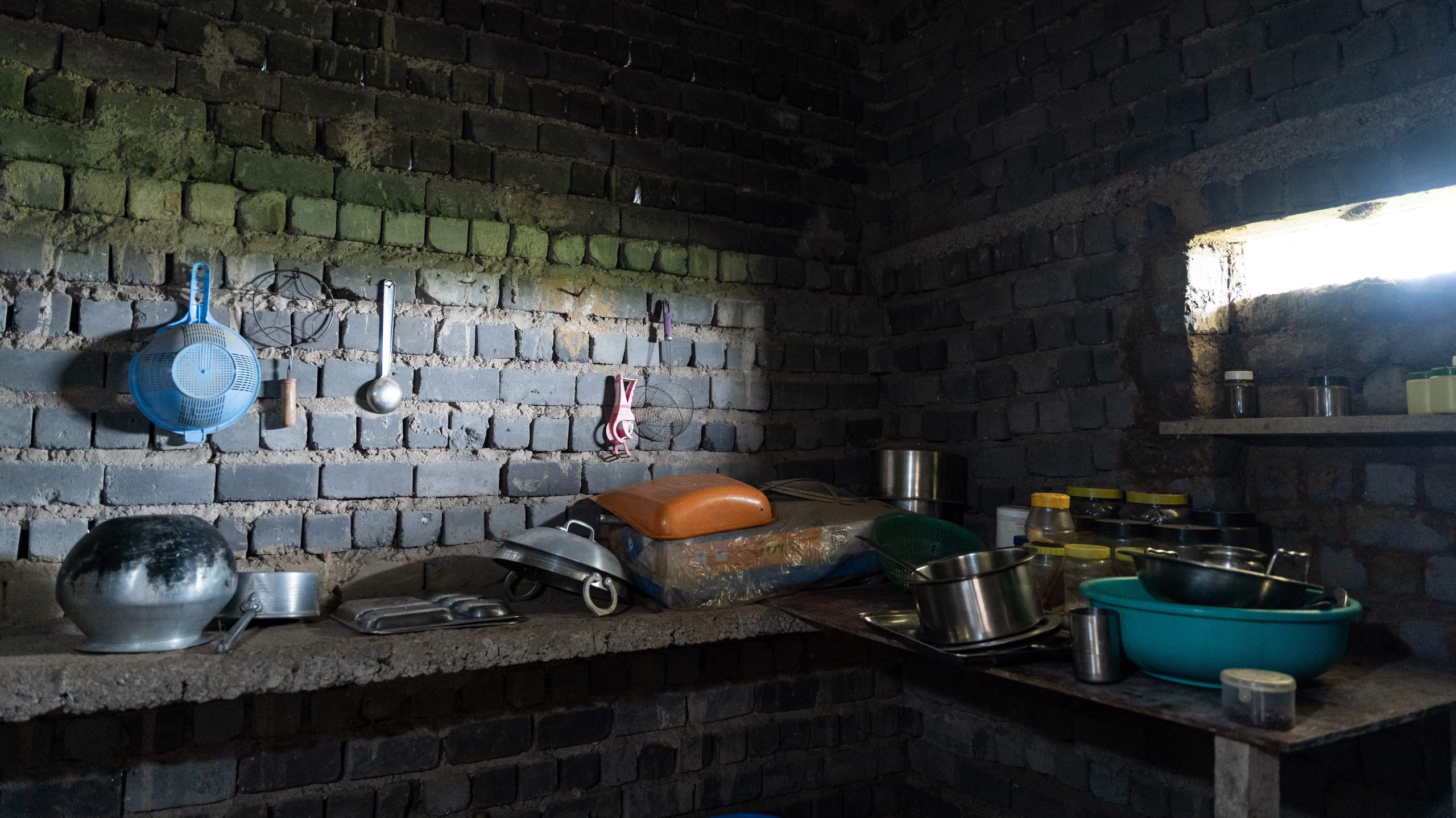
Nisha had already experienced loss before her own diagnosis.
“I was scared,” Nisha said. “I had seen my mother had leprosy and she was very sick.”
Loss, and What Follows
Not long after, her stepmother’s condition worsened. She stopped eating, stopped recognising people, and the routines of home gave way to a quieter, more uncertain rhythm. Malik rushed back from work and took her to hospital, but the disease had already taken too much.
A few days later, she passed away due to complications from other underlying illnesses linked to her weakened health.
What followed was not only grief, but absence—the empty spaces left behind in everyday life. And within that absence came a new reality.
The same disease that had taken her stepmother was now present in Nisha’s own body.
Marked and Excluded
As her condition progressed, the physical changes became more visible. Her face was swollen and discoloured, drawing attention wherever she went. But it wasn’t just the illness she had to endure—it was how others responded to it.
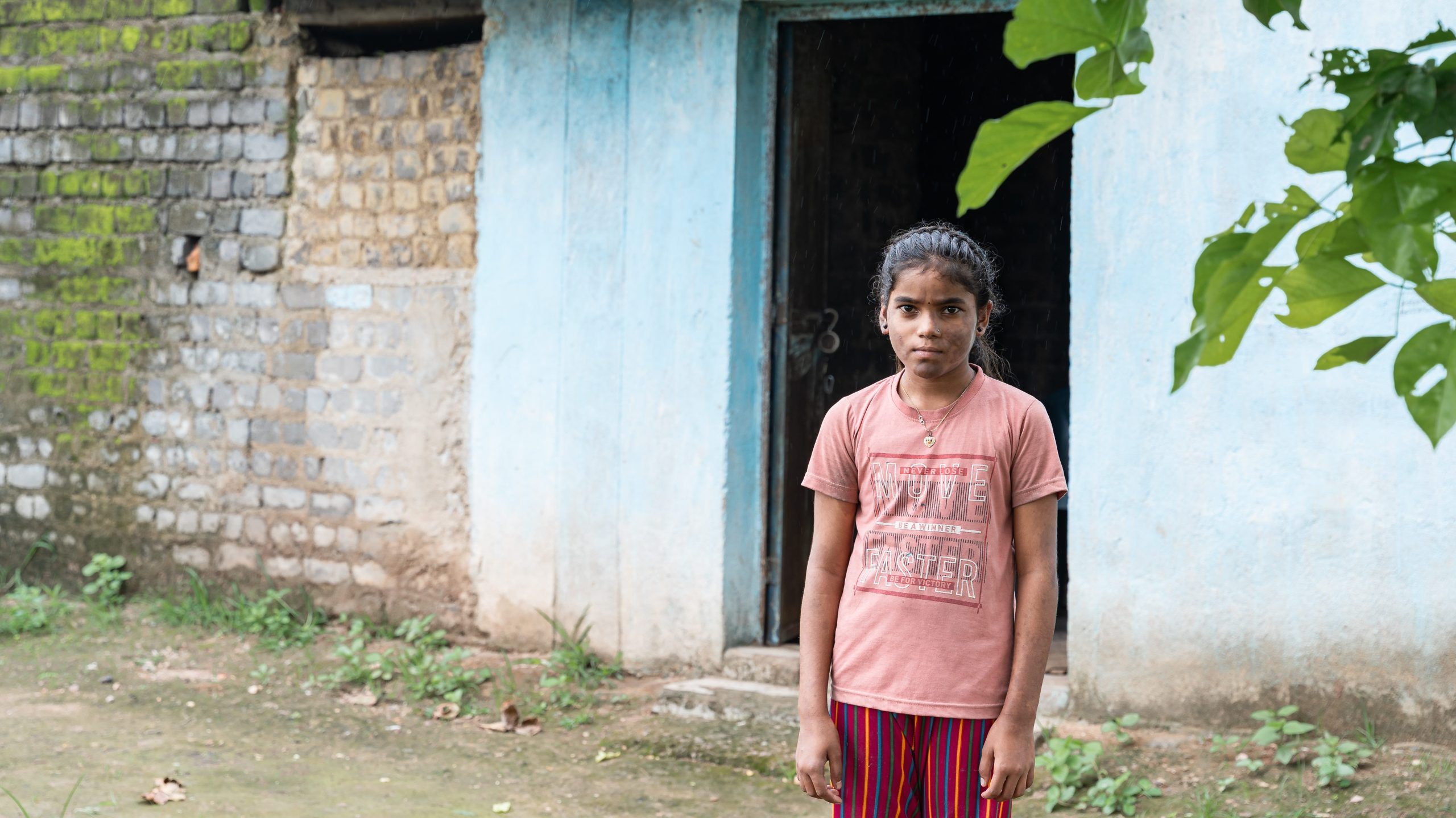
People began to keep their distance. Conversations stopped when she approached.
One day, at the water pump, she saw two girls she used to walk to school with. Instead of greeting her, they stepped back.
“You’re not clean,” they said. “You shouldn’t be here.”
Soon after, she was no longer allowed to attend school. The places she had once moved through easily were no longer open to her.
A Family Under Pressure
At home, Nisha tried to help where she could. She cooked, fetched water, and kept things in order, adjusting to a life that had become increasingly constrained. But the disease continued to take its toll. The numbness in her limbs spread, and painful nodules formed on her skin.
Then her younger brother, Unu, began to show signs.
Not long after, her father did too.
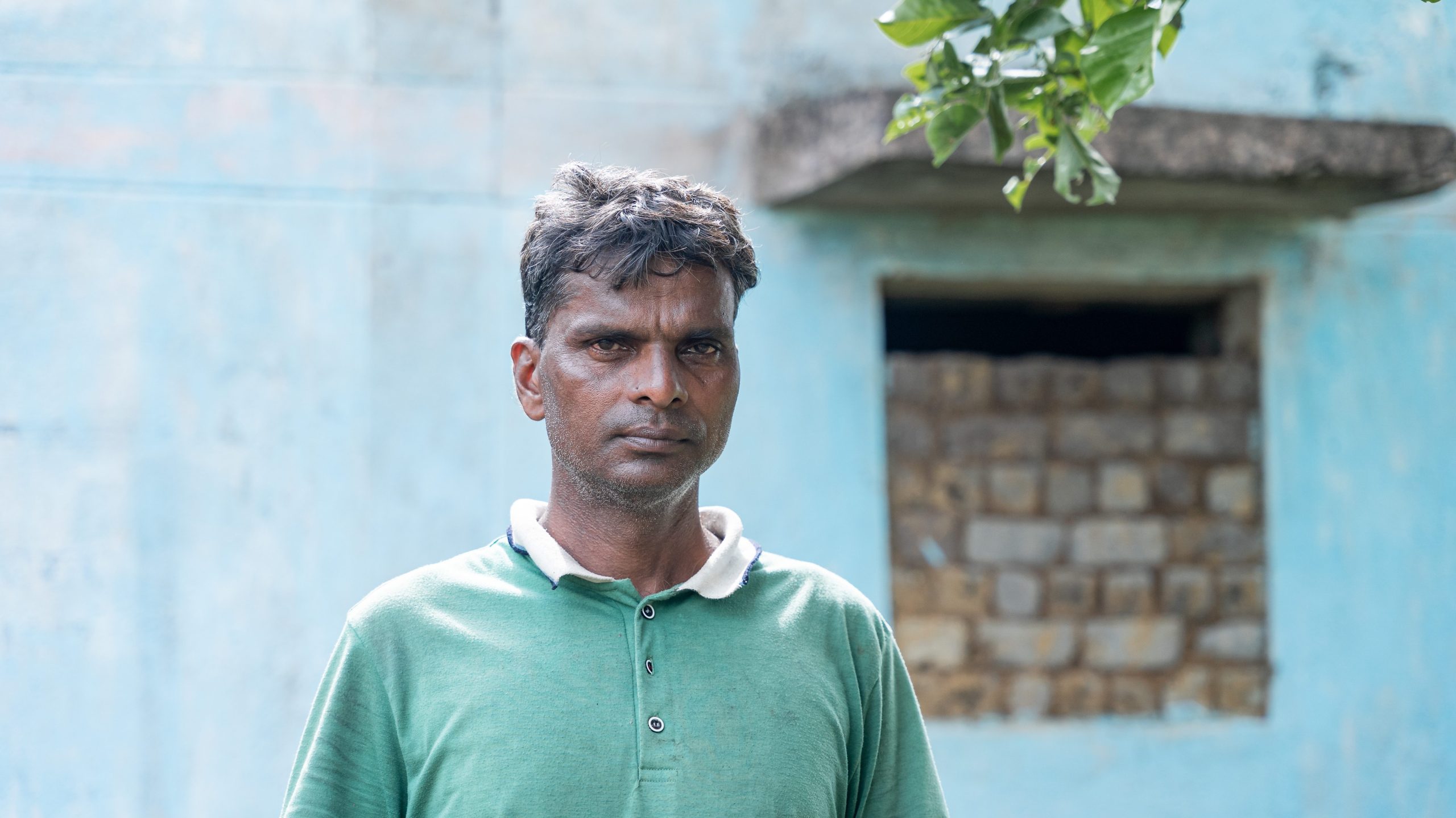
What had begun as one person’s illness was now affecting the entire family. For Malik, who had already lost his wife to leprosy, the weight of it was overwhelming.
“I’d already lost my wife to this disease,” he said. “All I wanted now was for my child to be healed.”
No Clear Answers
With limited money and long distances between hospitals, Malik took his children wherever he could. They travelled between government clinics and larger medical centres, often referred on without receiving clear treatment. Each visit brought more waiting, more uncertainty, and little resolution.
Eventually, they were told about Champa Leprosy Mission Hospital—a place known for treating people affected by leprosy with both expertise and care.
For Malik, it was a final option.
A Different Kind of Care
At Champa, Nisha was admitted without delay. Her condition was serious, but for the first time in months, she was in a place where she was not avoided.
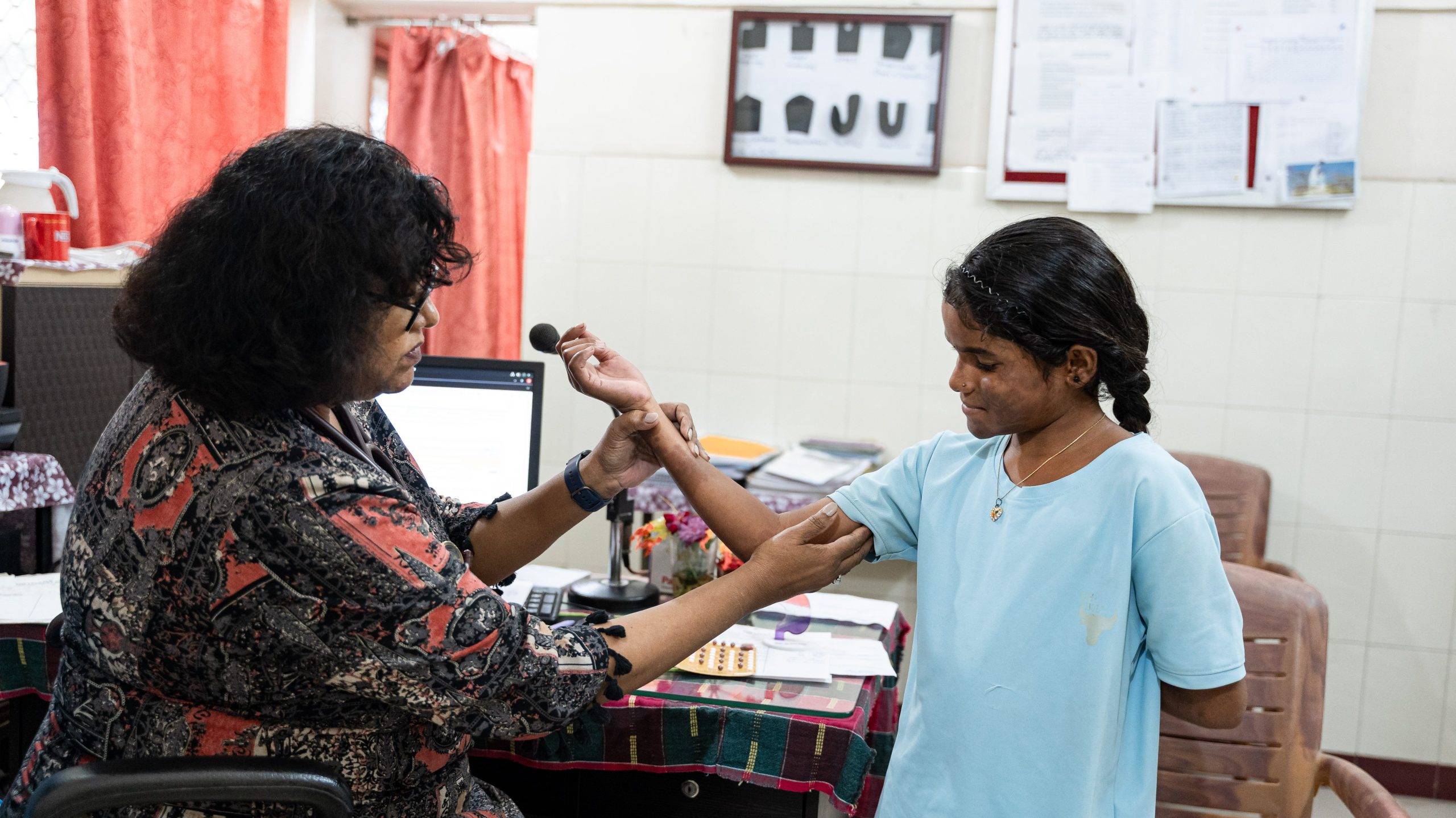
“They didn’t just see us as patients,” Malik said. “They saw us as people. They remembered our names. They cared.”
Over the next three weeks, she received treatment, along with consistent care and attention. Nurses checked on her regularly, meals were provided, and she was given a place to rest.
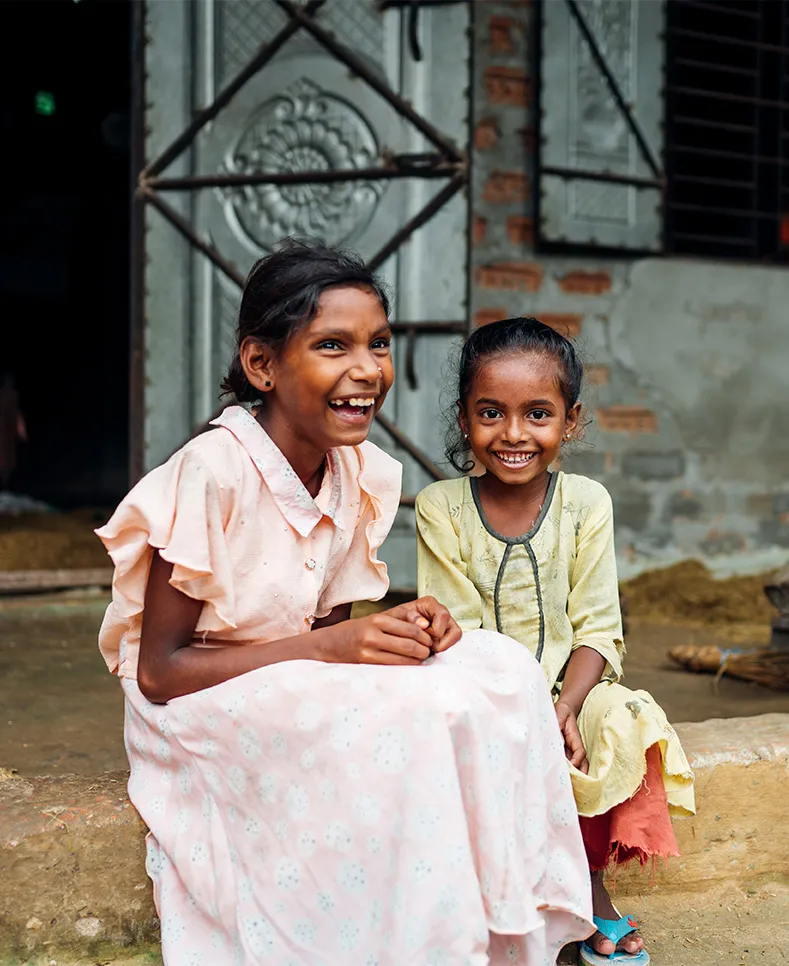
During her stay, Nisha met other girls her age who were also receiving treatment. They passed the time together playing games, talking, and sharing the routines of the ward. In a place defined by illness, these small moments offered something closer to the life she had stepped away from.
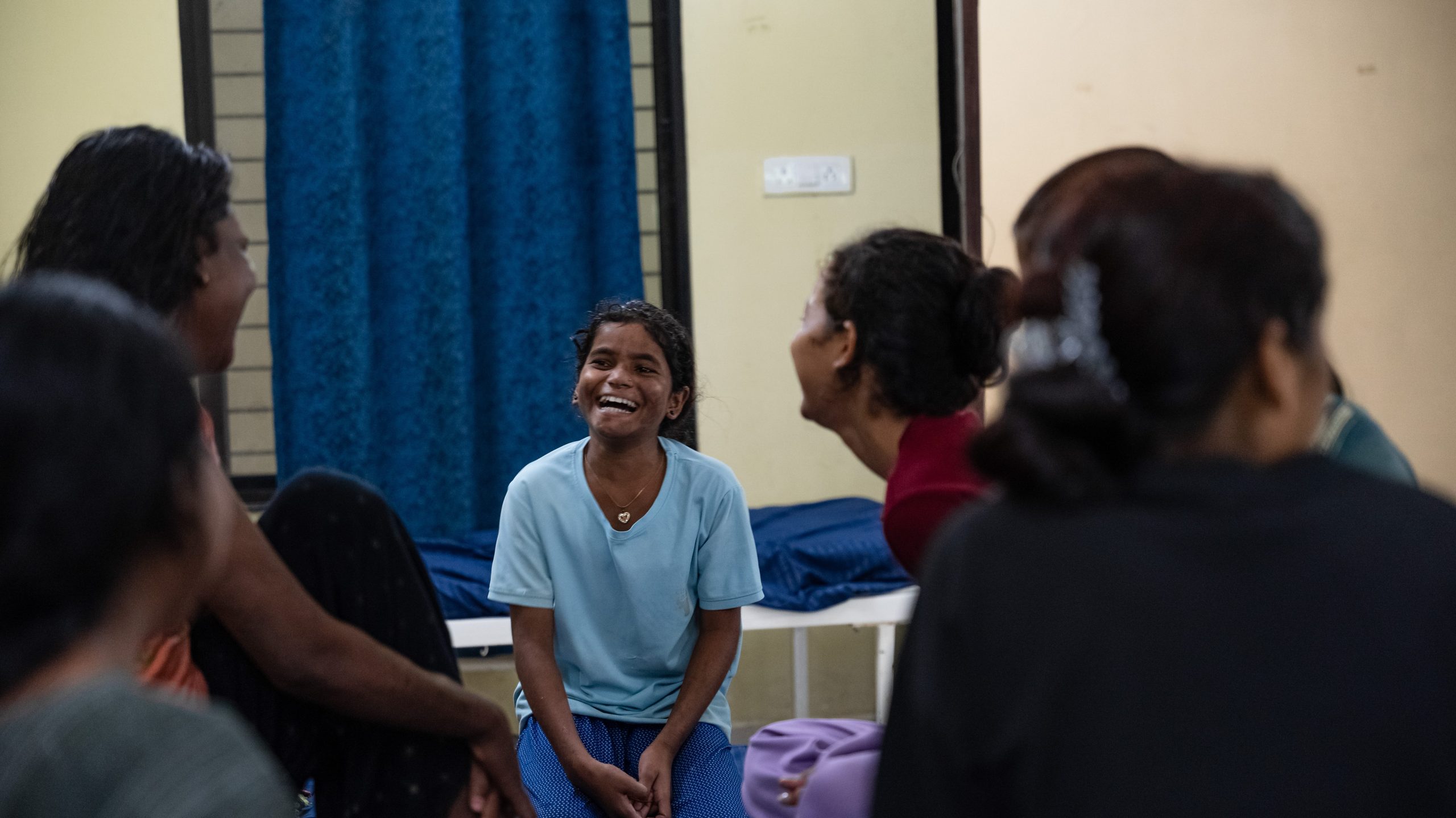
“She is treated with incredible love,” Malik said. “She receives so many hugs.”
Returning Home
After three weeks, her symptoms had improved. The swelling had reduced, and her condition had begun to stabilise. Unu’s illness, identified earlier, was milder and also under treatment.
Nisha returned home.
“Coming home felt good,” she said, “but leaving my friends behind made me sad.”
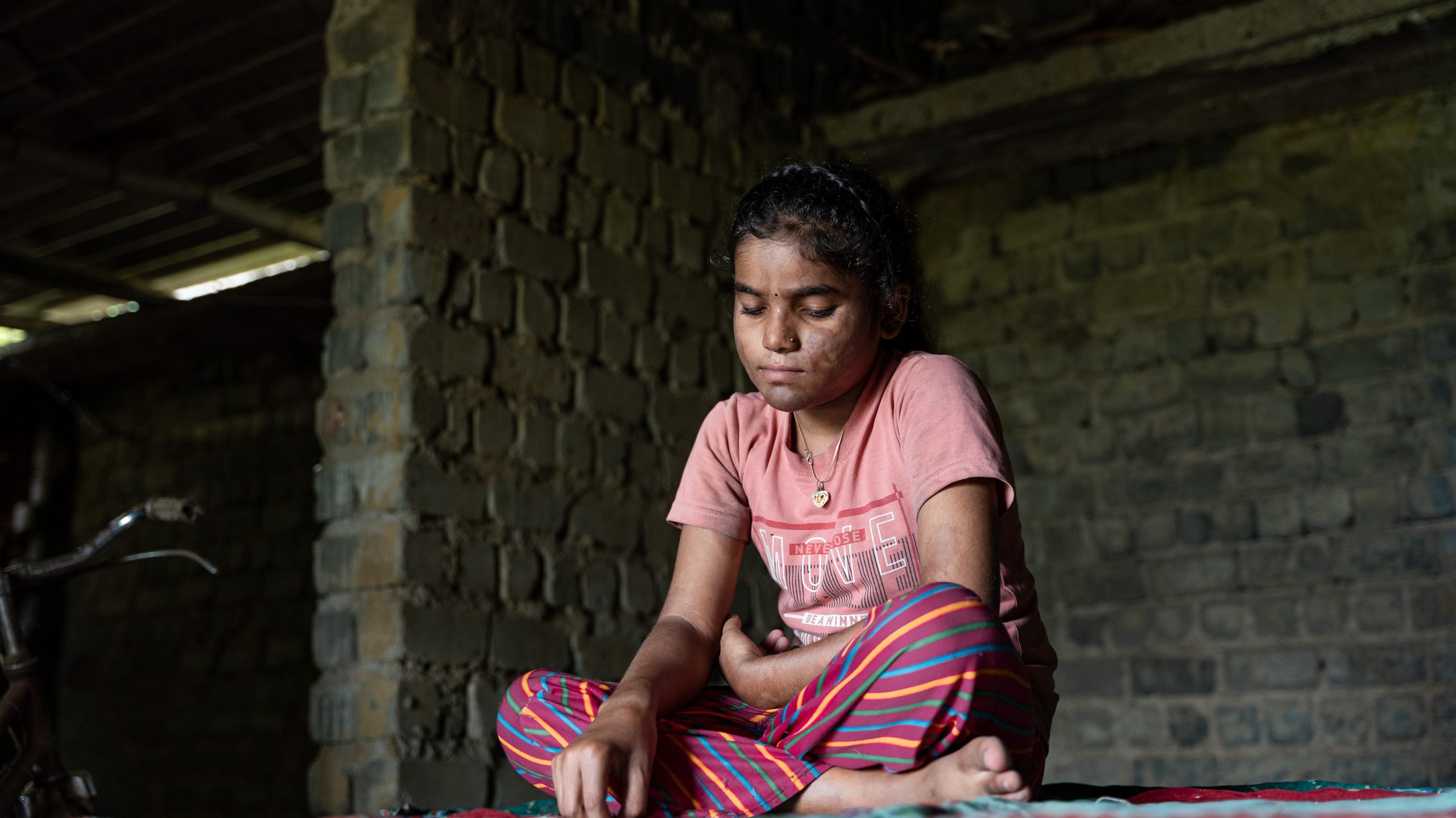
While her health was improving, her circumstances had not changed as quickly. The stigma remained, and she was still unable to return to school.
Leprosy can be treated.
But its consequences are not so easily undone.
Changing Perceptions
Staff from Champa have begun working with Nisha’s school, speaking with teachers and leaders to help them better understand the disease. Plans are in place for an awareness session, aimed at addressing misconceptions and creating a pathway for her return.
Progress may be gradual, but it has begun.
Looking Ahead
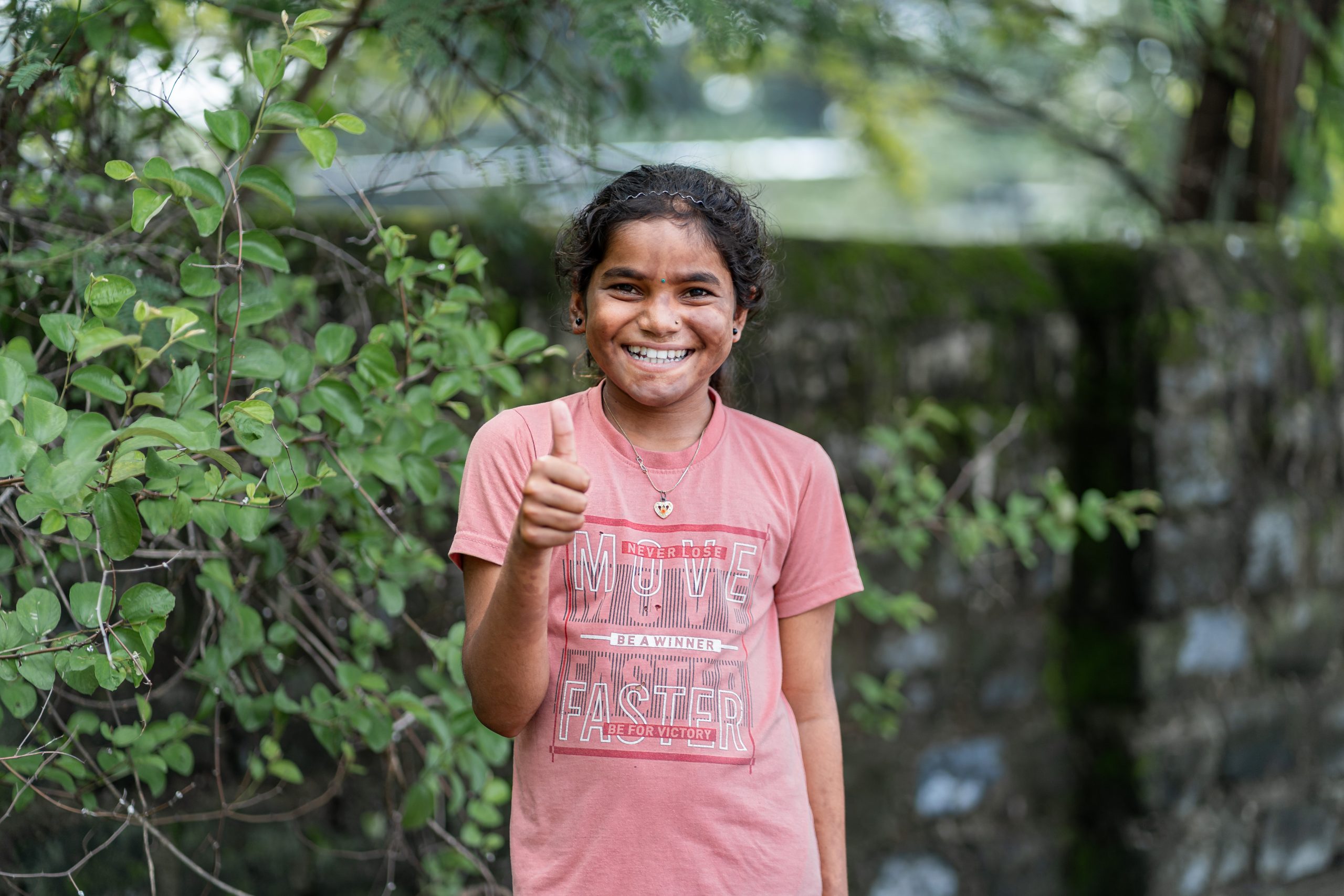
For now, Nisha’s days are spent close to home. She helps with daily tasks and waits for her father to return from work. When he does, she runs to meet him, bringing him water and greeting him with a smile.
“She’s an incredible daughter,” Malik says. “Always watching out for me.”
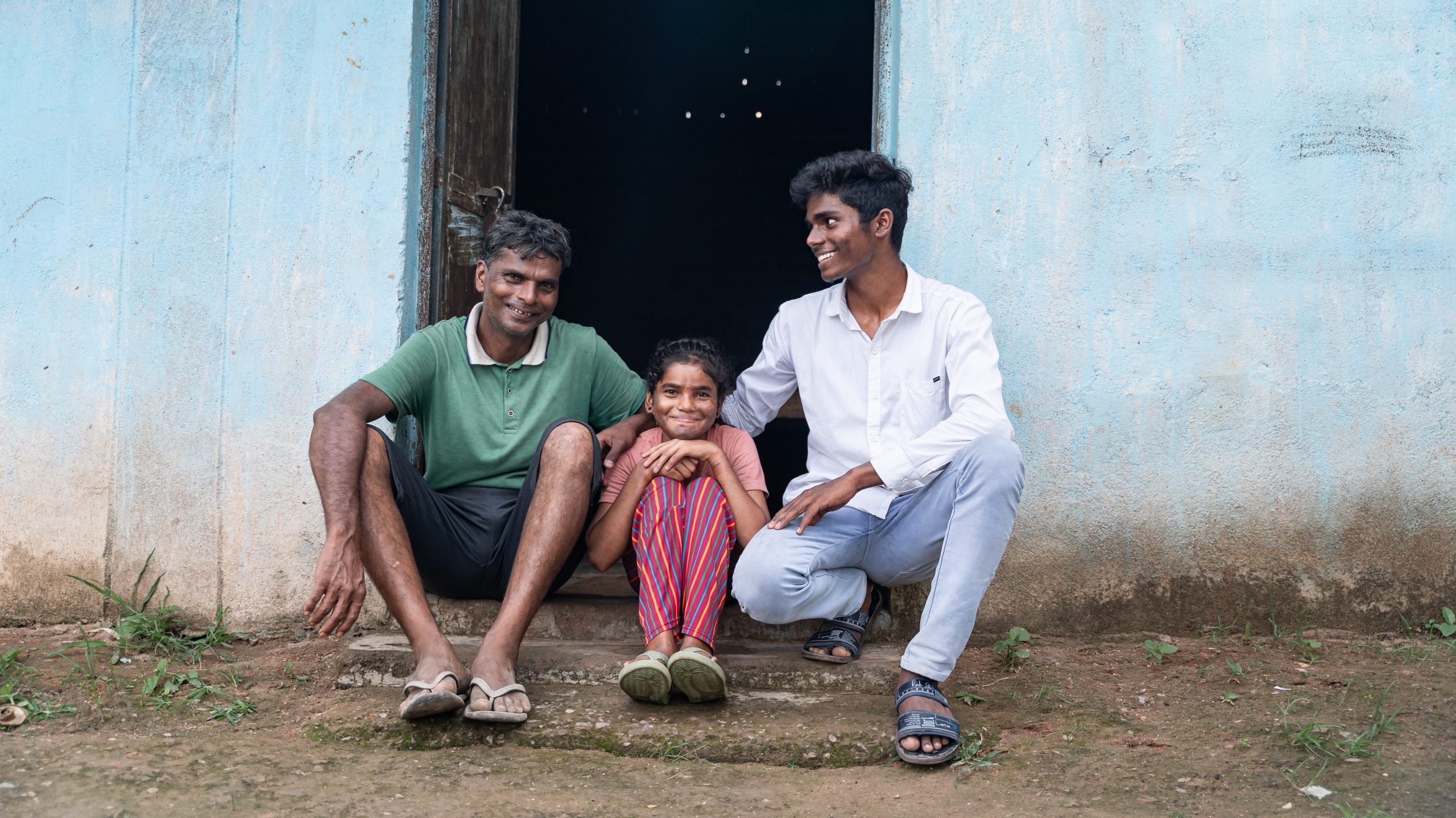
Still, he worries.
“You can cure leprosy,” he says, “but the shame people place on us—that’s what lingers.”
He hopes for a future where his daughter can return to school, reconnect with her peers, and live without the weight of exclusion.
And, in time, that may still be possible.
Children like Nisha are still waiting for care, acceptance, and a chance to live without stigma. Donate today through the link below to help provide treatment, support families, and restore hope.
For more stories like this, you can browse our full collection here!