My little sister is a teacher.
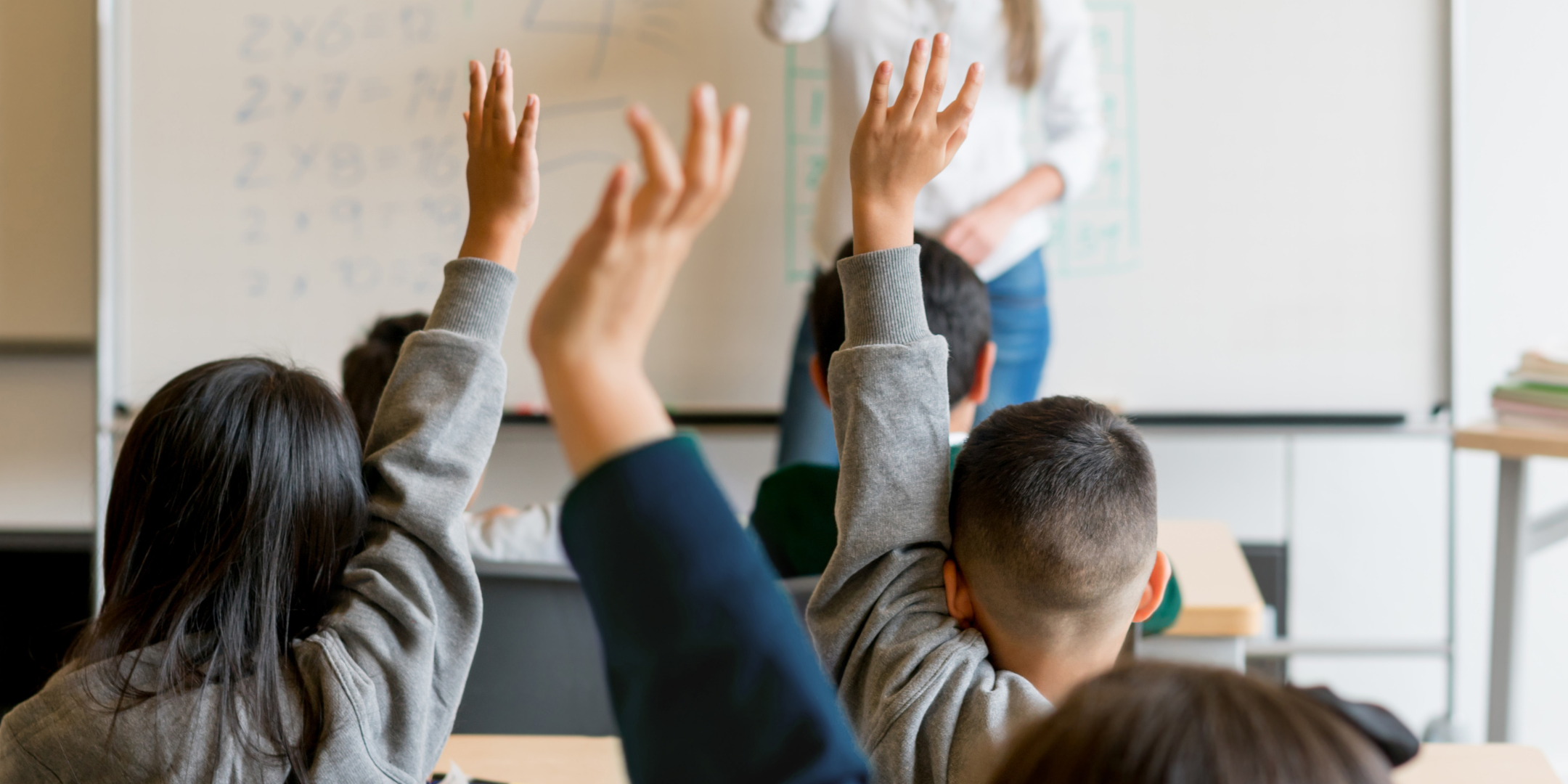
Every weekday, she walks into a public school classroom in Sydney’s western suburbs and spends her day helping children learn.
That description makes the job sound straightforward. It isn’t.
In any given lesson, Mandy* is implementing multiple behaviour management plans, teaching students working at vastly different academic levels, supporting children carrying the effects of difficult home situations, and somehow keeping thirty young people moving in roughly the same direction.
Later, she might be supervising a university student on placement, heading off to school sport, or helping resolve a playground conflict that followed a student into the classroom. Somewhere in between, she’ll find time to celebrate a small academic breakthrough, encourage a child who is struggling, or quietly help a student whose circumstances make learning harder than it should be.
Like many teachers, Mandy is resourceful. She has found shoes for children who didn’t have any. She has coloured in bright pink sections with a black marker because she knew a student wouldn’t wear them otherwise. She has spent her own money filling a classroom fruit basket so children who arrived at school hungry could concentrate long enough to learn.
Teachers like Mandy understand something important about children. They understand that education is about far more than reading, writing and maths.
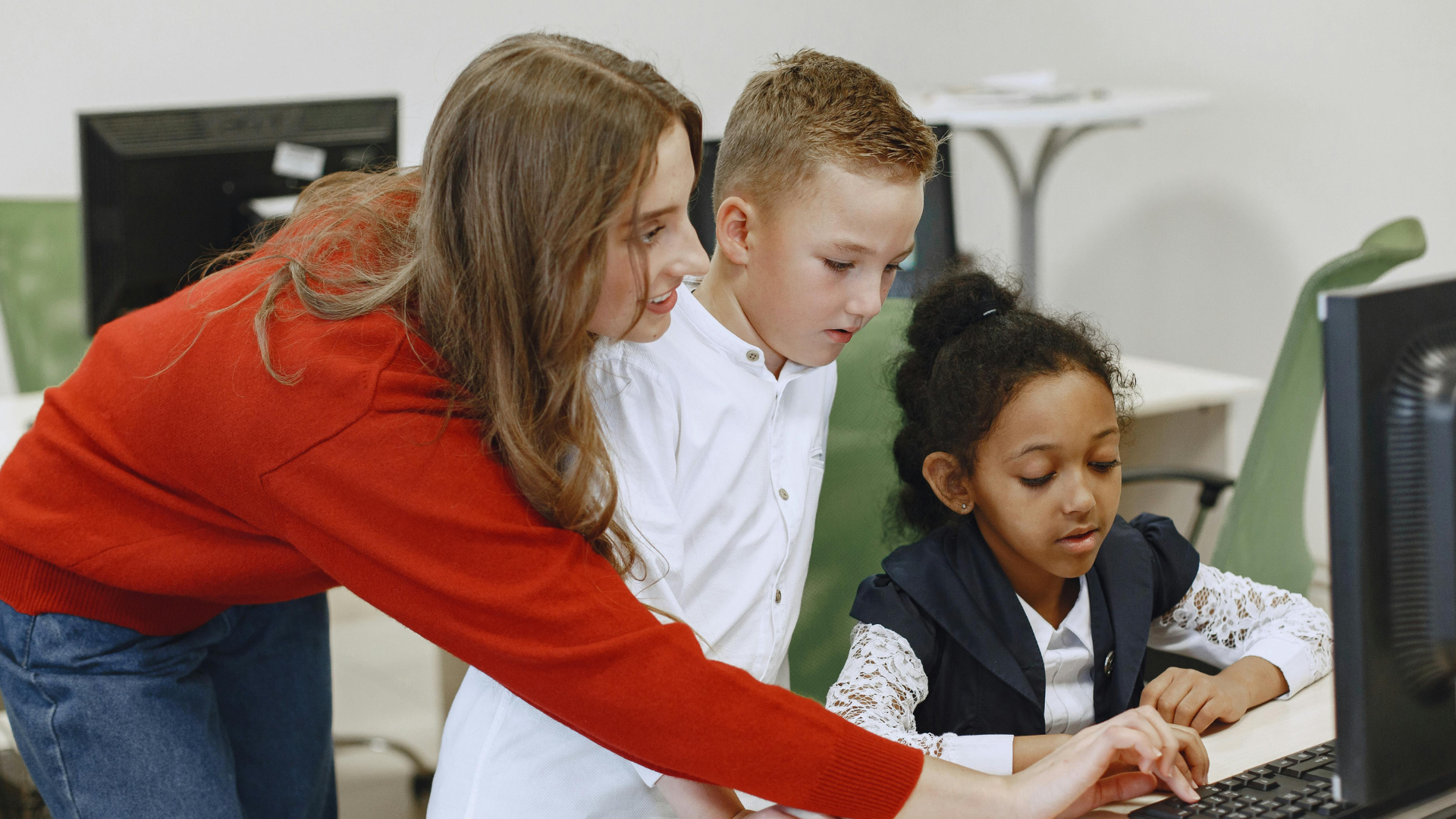
School is where friendships are formed. It is where confidence grows. It is where children discover what they are capable of. For many students, it is also one of the safest and most consistent places in their lives.
A few weeks ago, I was sitting on my couch telling Mandy about two children I had been writing about for The Leprosy Mission.
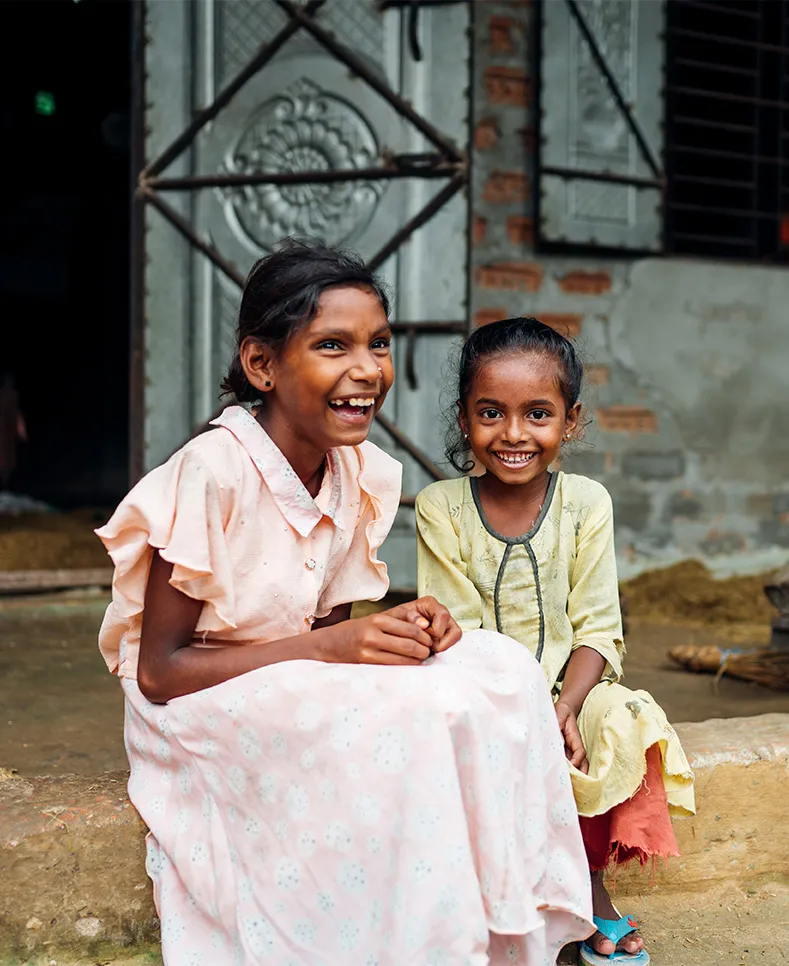
I told her about Nisha*, a young girl who was excluded from school after developing symptoms of leprosy.
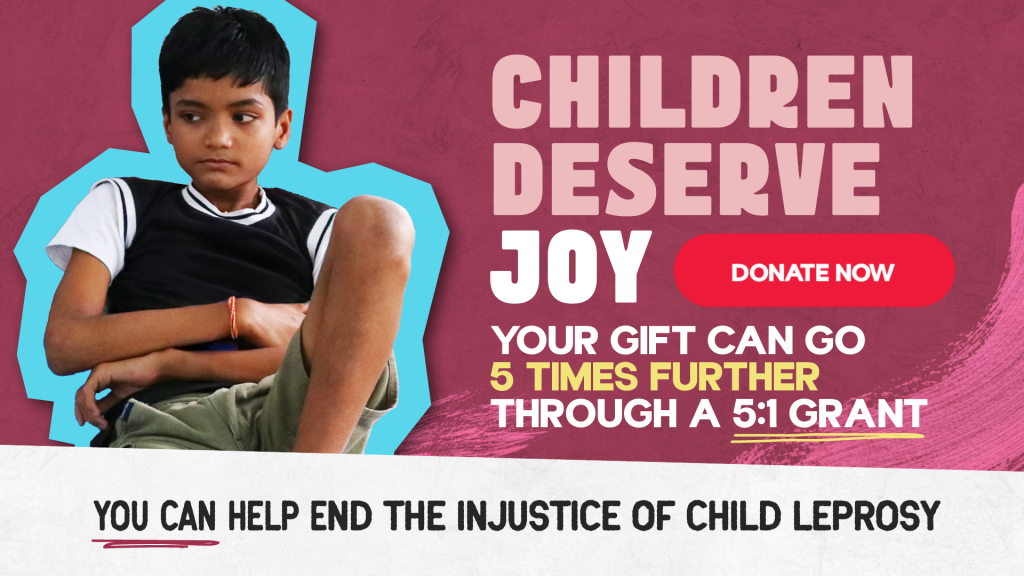
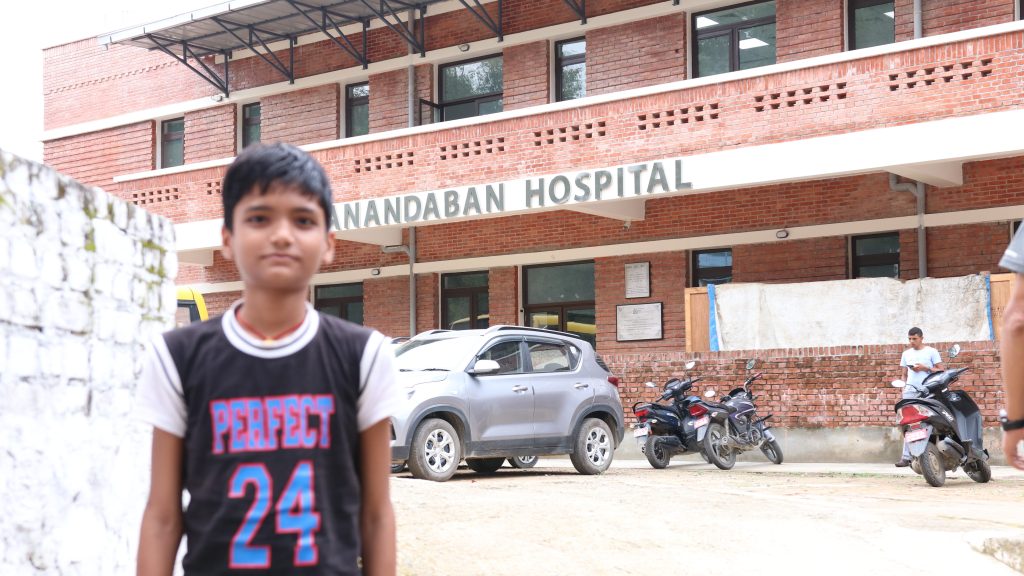
I told her about Rhitik*, whose education was repeatedly interrupted while his family searched for answers to a wound that would not heal, before eventually discovering he had leprosy.
And I told her that, even after his diagnosis, Rhitik felt unable to tell his friends the truth because of the stigma that still surrounds the disease in his community.
Mandy listened quietly.
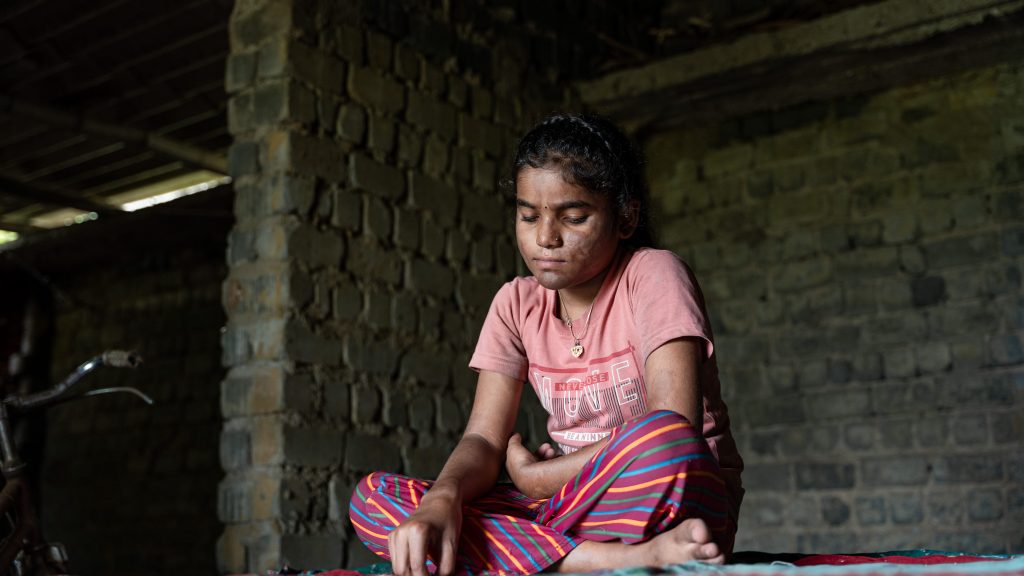
As parents, both of us are familiar with conversations about school refusal. Many Australian families are navigating the reality of children who struggle to attend school consistently. Many teachers now work with students who attend only part of a week as they rebuild confidence, connection and routine.
But here were two children who desperately wanted to learn and belong, yet found themselves excluded because of a disease that is entirely curable.
The contrast stopped us both.
“That’s so unfair,” Mandy said.
And she was right.
Because teachers understand what is lost when a child loses access to education. They understand that exclusion doesn’t just affect learning outcomes. It affects friendships, confidence, belonging and opportunity.
Leprosy is curable. Early diagnosis and treatment can prevent disability and help children remain connected to school and community. Yet for many families, access to diagnosis, treatment and support remains difficult, while fear and misunderstanding continue to keep children on the sidelines.
My sister will probably never meet Nisha or Rhitik. But every morning Mandy walks into a classroom because she believes children deserve the opportunity to learn, grow and flourish.
The tragedy is that children like Nisha and Rhitik want exactly the same thing; what every teacher hopes for their students—the chance to learn, to belong, and to imagine a future beyond their circumstances.
And perhaps that’s why their stories linger. Because regardless of where they are born, every child deserves a place in the classroom, friends to learn alongside, and the opportunity to imagine a future that is bigger than their circumstances.
*Names changed for privacy
For more stories like this, you can browse our full collection here!