Honouring those who served—and the values that continue to shape lives today
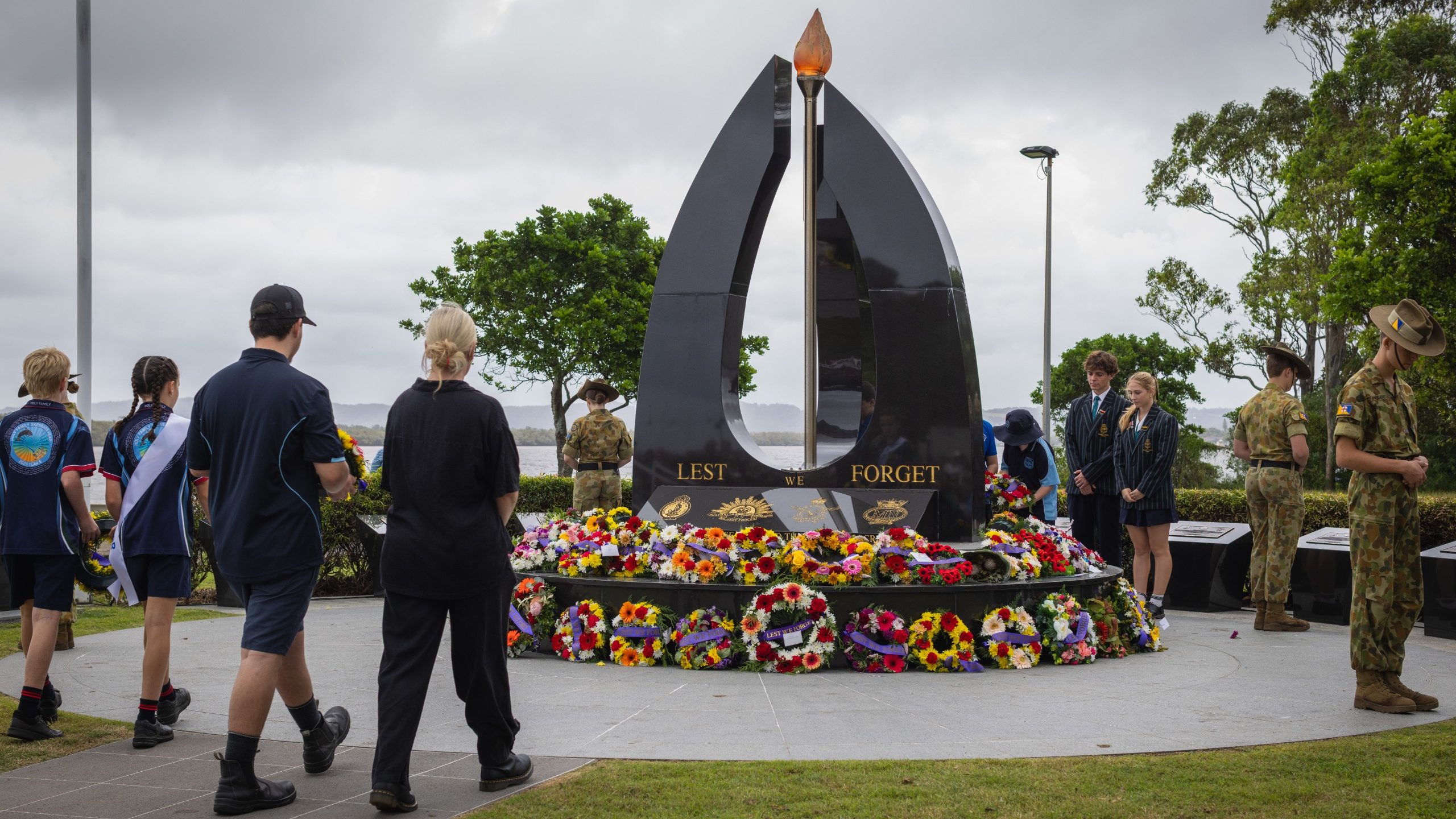
On ANZAC Day, we pause to remember the courage, sacrifice and service of the men and women who have served in defence of Australia and New Zealand.
We honour those who gave their lives.
Those who returned, forever changed.
And those who continue in service today.
Lest we forget.
Recognising A Commitment To Peace
Each year, in the lead-up to ANZAC Day, the RSL ANZAC Peace Prize is awarded to an Australian who has made an outstanding contribution to international understanding and peace.
It is not a military honour, but a reflection of the values that ANZAC Day also calls us to consider—service, compassion, and a commitment to others.
In 1996, that honour was awarded to Dr John Hargrave AO MBE.
Service Beyond The Spotlight
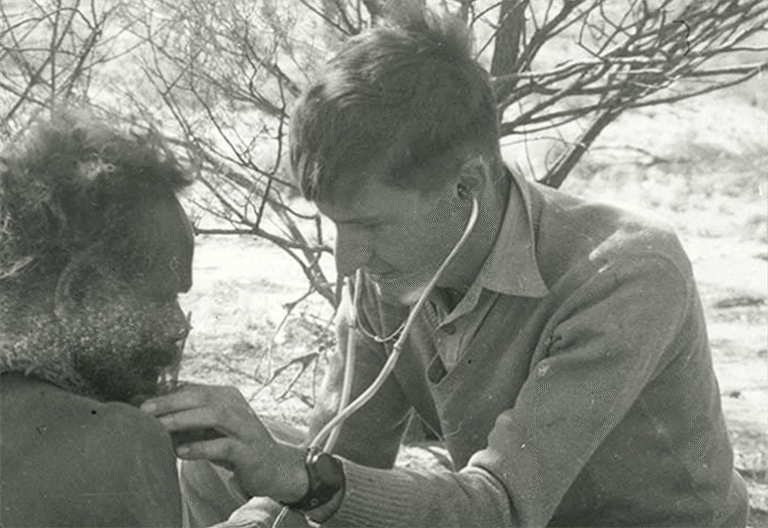
Dr John Hargrave devoted his 45-year medical career to serving people in the Northern Territory and nearby regions including Timor and Flores. A surgeon, pioneer in Aboriginal health, and specialist in reconstructive and microsurgery, he is widely credited with helping bring leprosy in the Northern Territory under control.
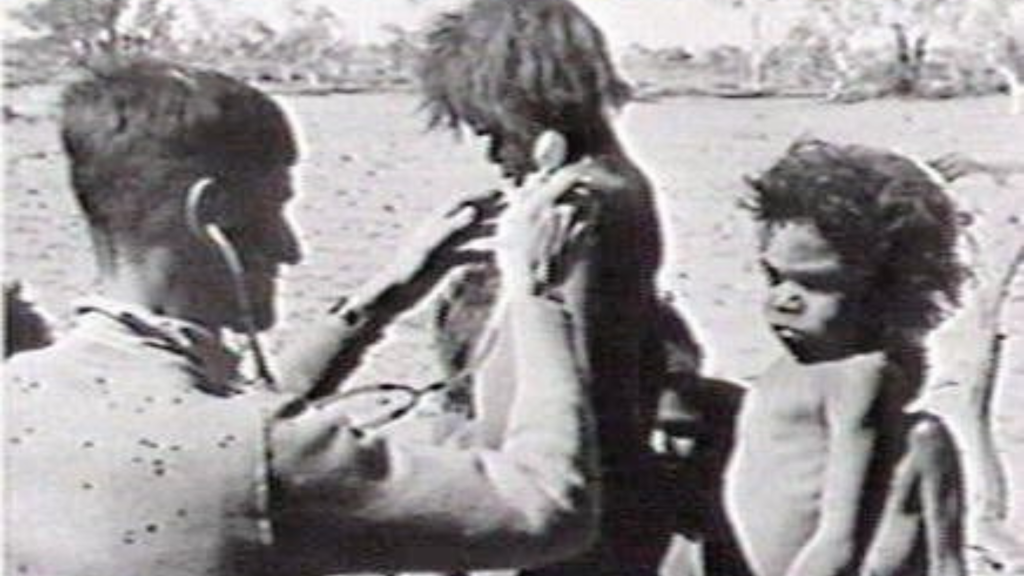
When he began this work in the 1950s, leprosy had reached crisis levels among Aboriginal communities in the Territory. At the time, fear of forced isolation meant many people avoided treatment altogether. He changed that. Rather than relying on separation, he pursued active case-finding, treatment, and care within communities—an approach that improved access to care and reduced stigma.
He trained Aboriginal health workers, learned multiple Aboriginal languages so he could communicate directly with patients, and worked to build trust in communities where medicine had often been associated with fear and removal.
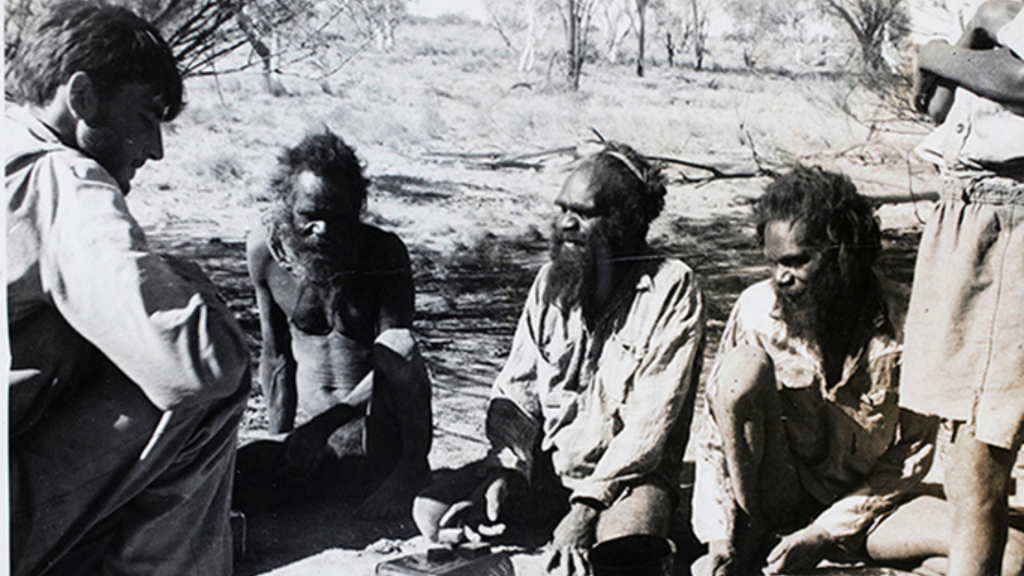
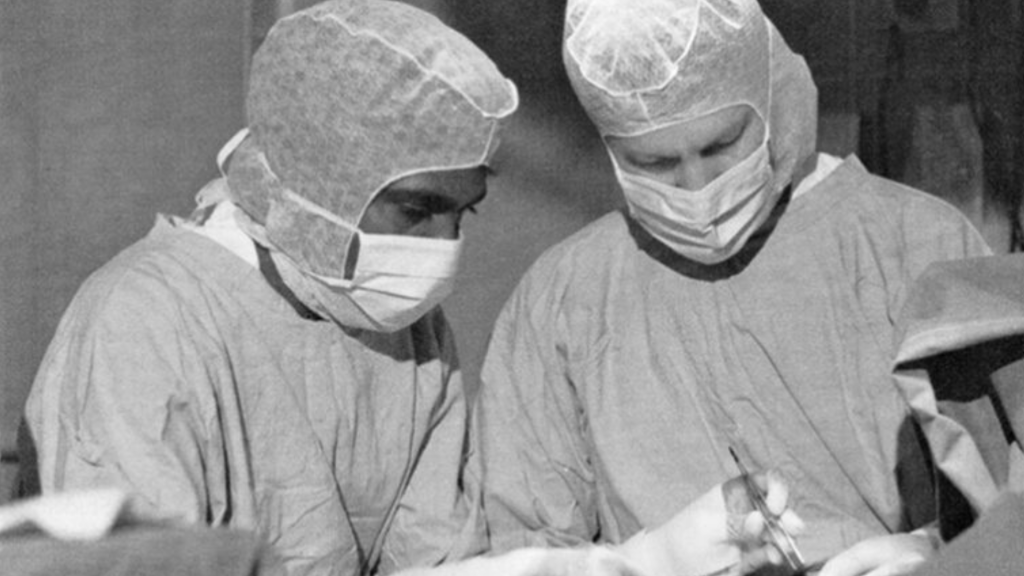
He also understood that leprosy could leave lasting physical disability and social exclusion. In 1962, he travelled to India on a World Health Organization scholarship to study under renowned leprosy surgeon Dr Paul Brand. There he learned reconstructive techniques that he would later pioneer in Australia, helping restore movement and function to patients affected by the long-term effects of leprosy.
At East Arm Leprosarium near Darwin, he established an operating theatre and developed a reconstructive surgery program that offered something many patients had not experienced before: accessible, effective treatment close to home. Surgery, rehabilitation, and community-based care helped rebuild confidence in the health system. By 1970, leprosy in the Northern Territory was largely under control, with only sporadic cases appearing.
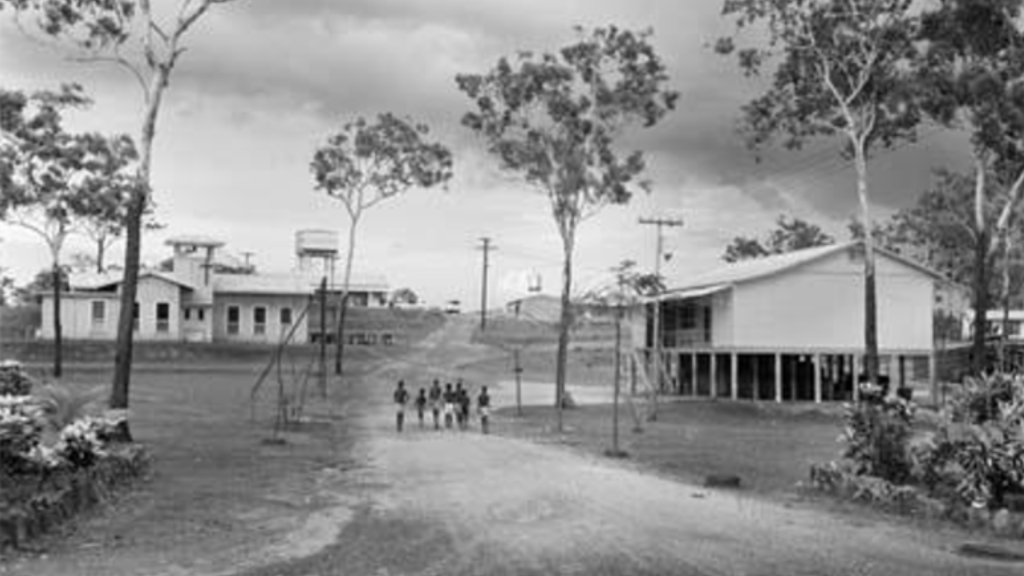
In later years, he extended this work beyond Australia. In the late 1980s and early 1990s, he led volunteer teams of doctors and nurses into Timor and eastern Indonesia, performing reconstructive surgery for people living with the long-term effects of leprosy, as well as burns, polio, trauma and congenital conditions.
That work later became the foundation of the organisation now known as the Overseas Specialist Surgical Association of Australia.
What We Honour
ANZAC Day remains, first and foremost, a day to remember those who served in war.
The ANZAC Peace Prize does not replace that legacy—it reflects something that grows from it.
A commitment to peace.
To human dignity.
To serving others beyond ourselves.
Dr Hargrave’s life is one example of that legacy lived out over a lifetime.
A Legacy That Continues
Today, the work of restoring dignity to people affected by leprosy continues around the world.
It often goes unseen.
But it reflects the same spirit of service—steady, sacrificial, and deeply human.
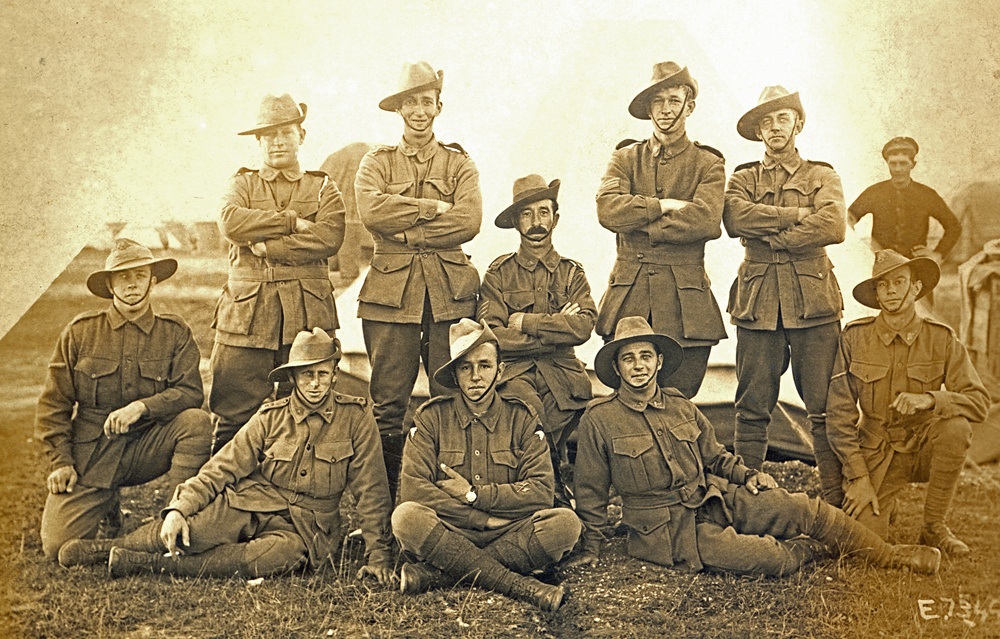
This ANZAC Day, we remember those who served.
And we give thanks for those who continue to carry forward the values they embodied—bringing care, hope and opportunity to communities where stigma has not yet been overcome.
Lest we forget.
For more stories like this, you can browse our full collection here!