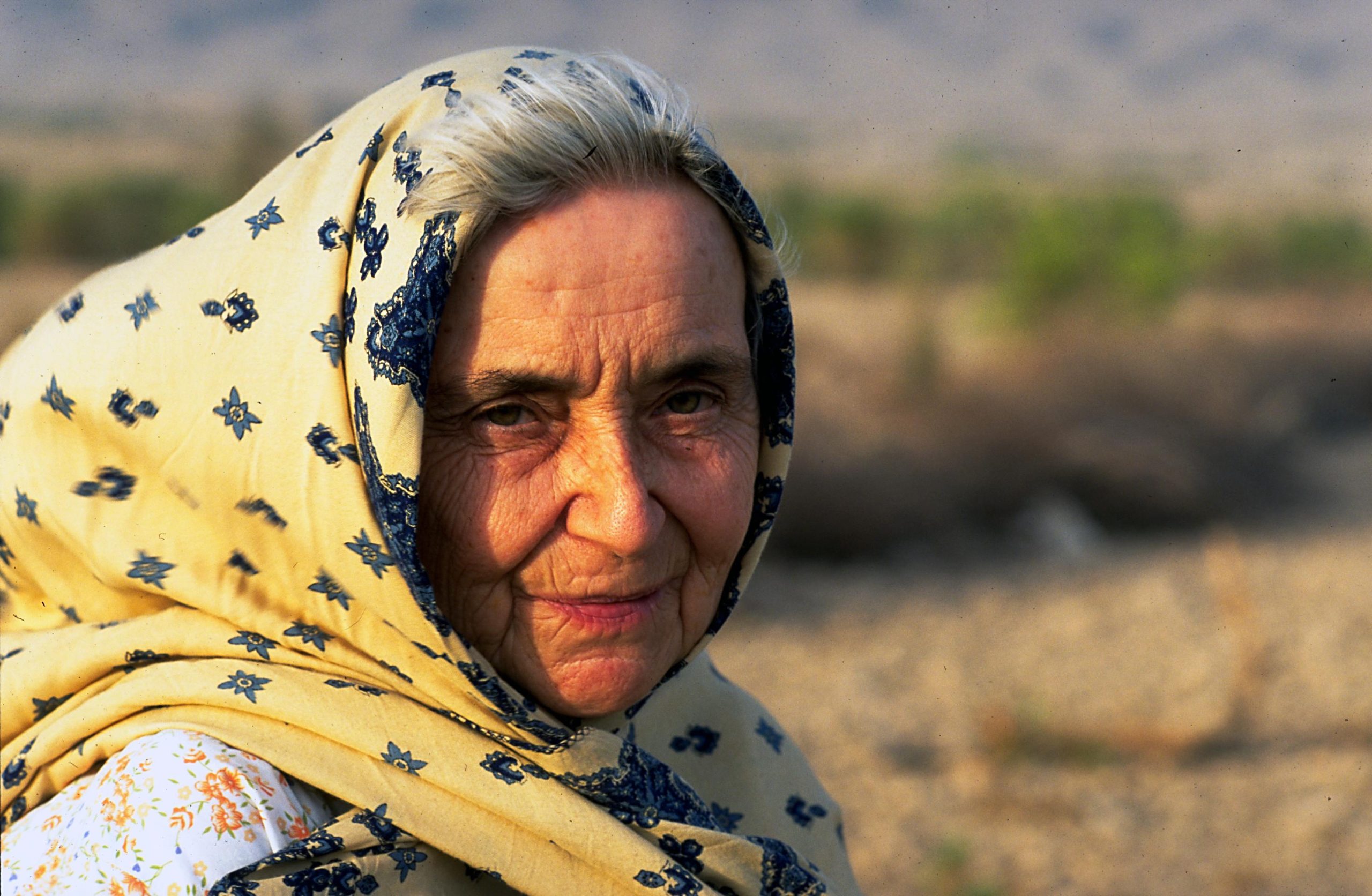
In 1960, a young German doctor walked into a makeshift leprosy clinic in a Karachi slum and saw something she couldn’t walk away from.
Dr Ruth Pfau was supposed to be travelling on to India. Visa problems had delayed her journey in Pakistan, where members of her Catholic order were working from a rudimentary dispensary.
There, Pfau encountered people affected by leprosy living alongside open sewers and rats. Having grown up in Nazi Germany, Pfau was no stranger to human suffering. Yet, one image stayed with her: a young man crawling through the dirt on his hands and feet, as though this were simply how he expected to move through the world.
“I could not believe that humans could live in such conditions,” she later explained.
She decided to stay in Pakistan, beginning what became more than five decades of service alongside people affected by leprosy – heroism that still staggers people to this day.
Treating the person
Pfau began treating patients in a hut. By 1963, she had helped establish the Marie Adelaide Leprosy Centre, which would become the hub of a network reaching people across the country.
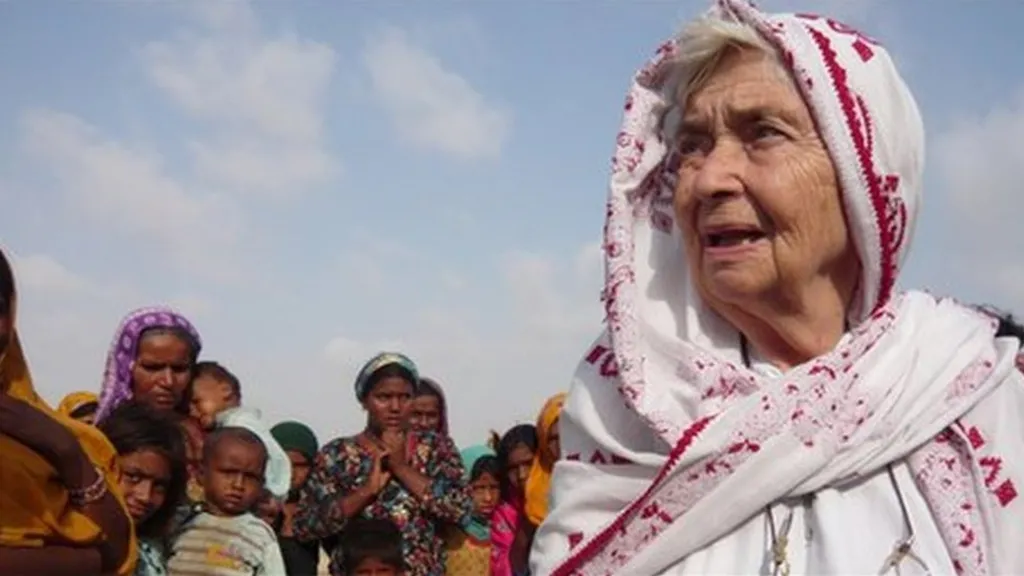
She travelled into remote communities by jeep, horseback, camel and on foot. She encountered children hidden away in caves and cattle pens because they had leprosy. She and her colleagues trained local health workers, including former patients themselves, to diagnose the disease, provide treatment and keep records.
From those extraordinary beginnings, the work grew to a scale that would have been difficult to imagine in 1960. The small dispensary became an eight-story hospital, at the centre of a network of 157 leprosy control centres staffed by more than 800 people. By 2004, 49,811 cases of leprosy had been registered and 48,765 people—98 per cent—had been treated and cured of the infection.
Despite the huge scale of her work, Pfau reportedly kept her focus firmly on the individuals she served. In 2002, she received the prestigious Ramon Magsaysay Award for Public Service for her lifelong work to end leprosy and its stigma. Its citation captured the conviction that had shaped her work from the beginning: Pfau trained her staff to “treat the person, not just the disease”.
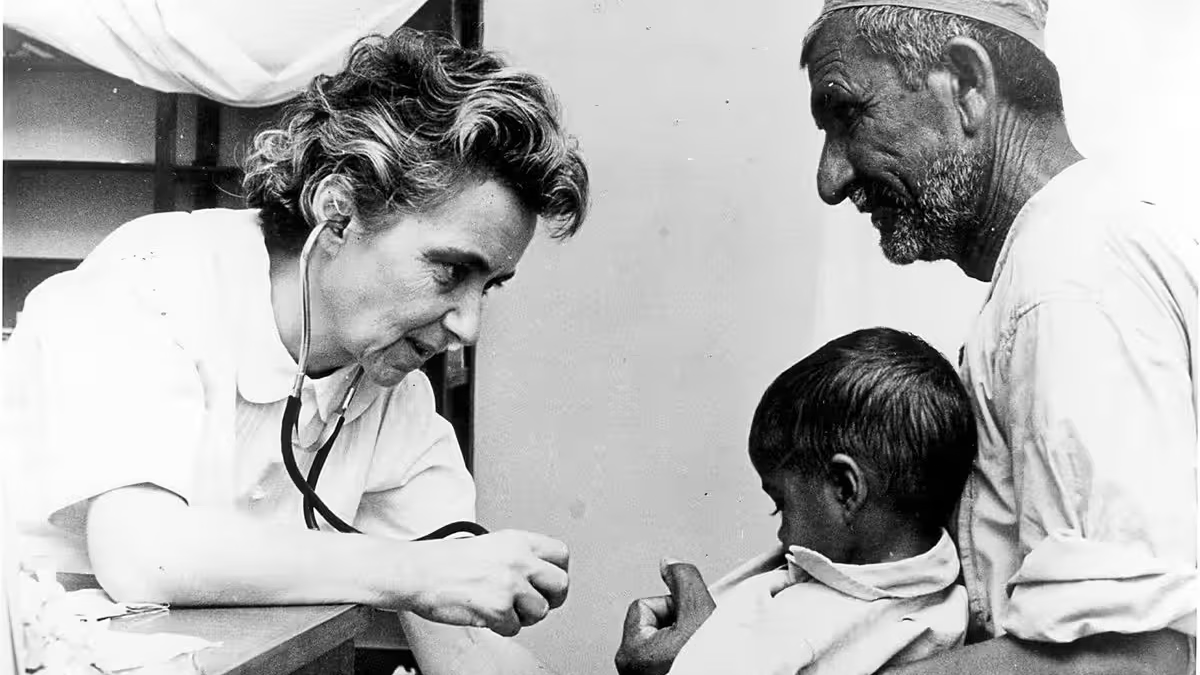
Pfau understood that providing medicine without confronting that fear was not enough. Fear of the disease separated families and communities long after treatment was possible.
Again, Pfau let her own example challenge the stigma. She held the hands of people affected by leprosy. She hugged them, entered their homes and spoke with their families.
For Pfau, the principle was simple: A person affected by leprosy, she once said, had “only one life to live out—one single life, a life just like mine.”
From outsider to national leader
In 1979, Pfau was appointed Federal Adviser on Leprosy to Pakistan’s Ministry of Health and Social Welfare, with the rank of state secretary, becoming the only Westerner ever to hold cabinet rank in the country, and as a woman during a period in which women’s rights and participation in public life were being increasingly restricted.
Pfau used her increased authority and influence to help build a coordinated response to leprosy, training health workers and establishing services in communities that had previously had little access to care.
In 1988, Pakistan granted her citizenship. And, by 1996, after decades of sustained work by Pfau and the many people she had trained and worked alongside, the country had achieved the World Health Organization’s target for leprosy control.
But Pfau knew the battle against leprosy was about more than controlling a bacterium. Leprosy control, she said, meant changing patients’ lives and helping them regain dignity that had been taken from them.
When Ruth Pfau died in 2017, Pakistan honoured her with a state funeral—the first ever accorded to a woman or a non-Muslim in the country’s history. Her coffin, draped in the Pakistani flag, was carried with full military honours and given a 19-gun salute.
Although The Leprosy Mission Australia does not currently work in Pakistan, Dr Pfau’s legacy reflects a commitment we share: ensuring people affected by leprosy are treated with compassion and never forgotten.
Pakistan had effectively claimed the Catholic nun—a woman some call “The Mother Teresa of Pakistan”—as one of its own.
For more stories like this, you can browse our full collection here!