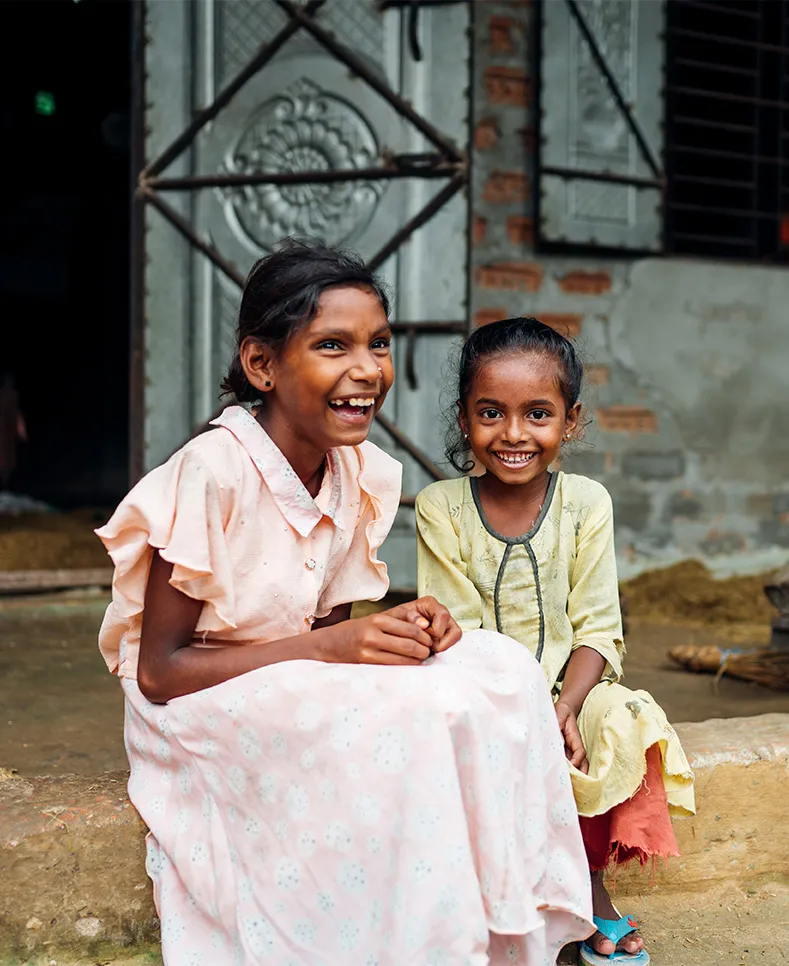
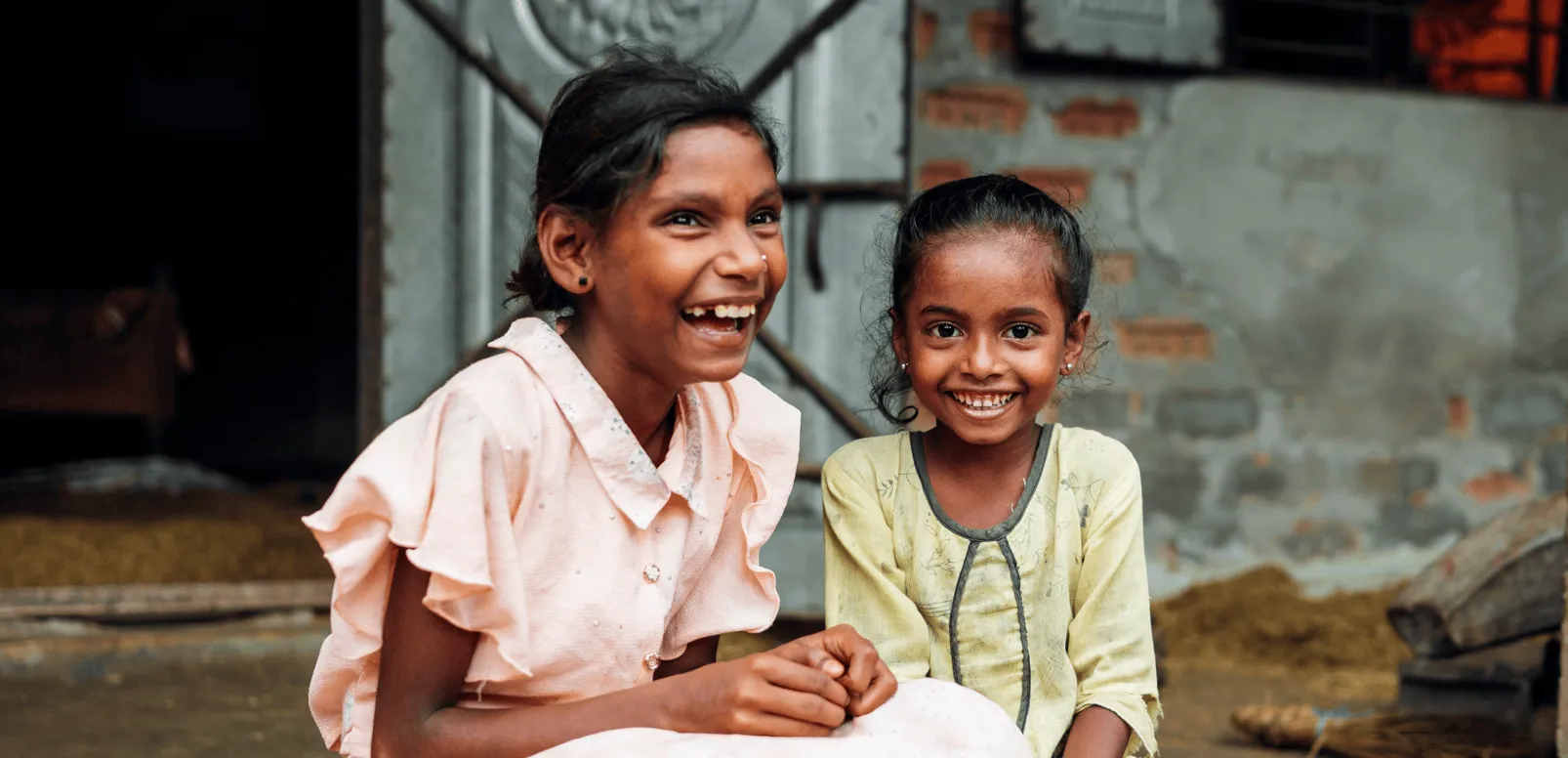
Seventy-six years ago, the world adopted the Universal Declaration of Human Rights (UDHR), the foundational text that affirms every person’s right to dignity, equality, and justice.
As we mark this anniversary, the global human rights system stands at a pivotal crossroads. Rising nationalism, diminishing trust in international institutions, and complex global crises have placed the United Nations in a moment of transformation. Its ability to protect the world’s most vulnerable people is being tested and renewed.
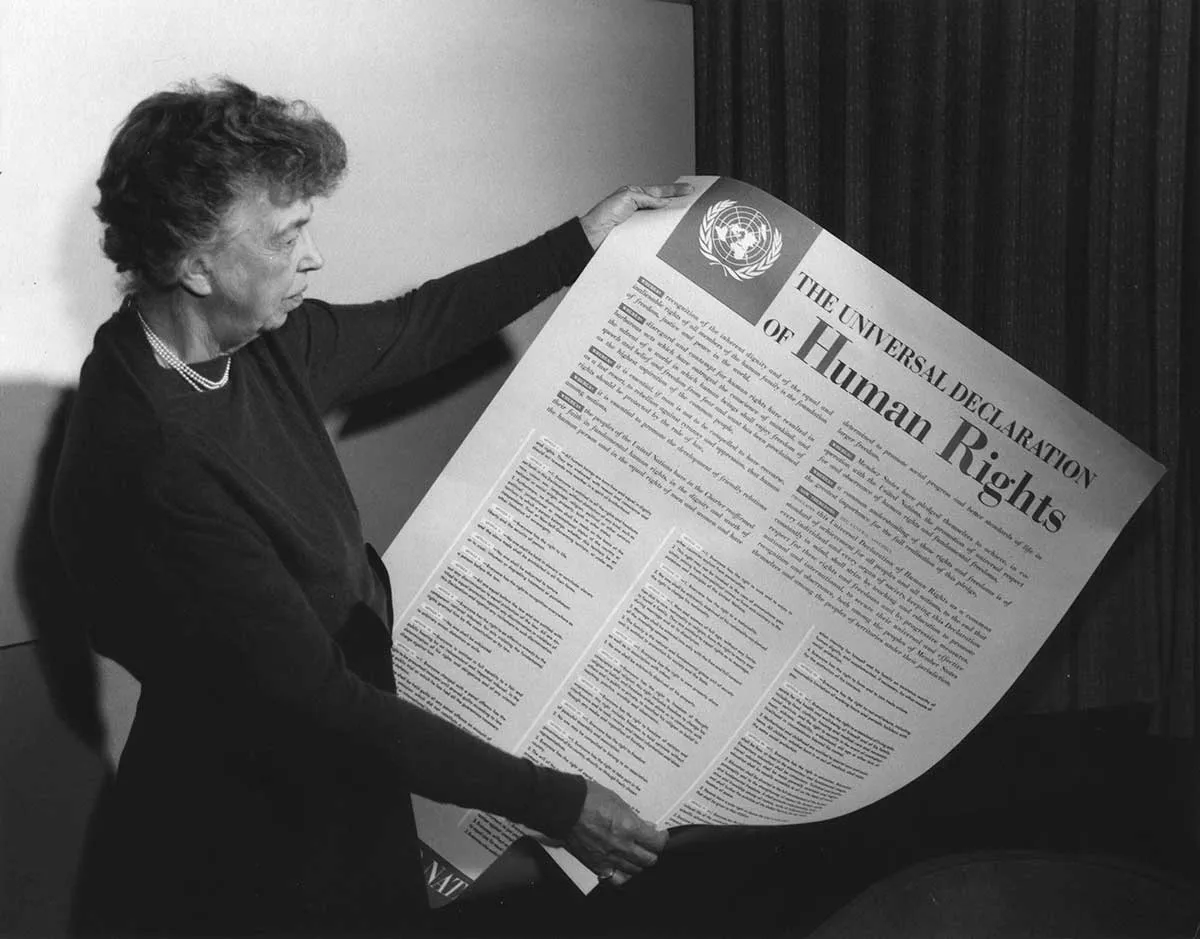
This makes 2025 a uniquely important time to strengthen the connection between global human rights frameworks and the lived experiences of people who still face discrimination today. One of the clearest examples is the ongoing struggle for the rights of people affected by leprosy (also known as Hansen’s disease).
Although curable, leprosy remains one of the world’s most persistent human rights issues, rooted not in the disease itself but in the stigma, discrimination, and exclusion that surround it. Ending leprosy transmission is not only a public health goal; it is a human rights imperative.
What makes leprosy a human rights issue?
Leprosy is a chronic infectious disease caused by Mycobacterium leprae. It is entirely curable, and early treatment prevents disability. Yet hundreds of thousands of people each year still face:
- Discrimination in education and employment
- Legal restrictions in some countries, including marriage and mobility barriers
- Forced family separation or community exclusion
- Loss of livelihood and social participation
- Delays in accessing the right to health, leading to preventable disability
These are not unfortunate side effects. They are direct violations of rights enshrined in the UDHR—the right to health, equality before the law, freedom from degrading treatment, work, education, and family life.
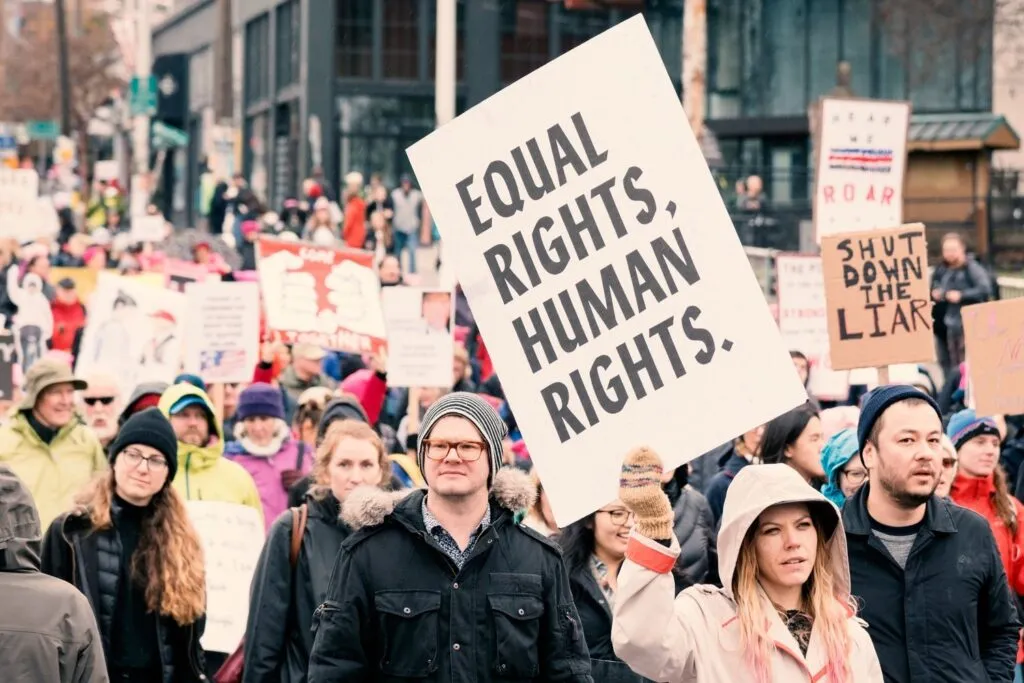
The UN has formally recognised this reality. The UN Principles and Guidelines for the Elimination of Discrimination against Persons Affected by Leprosy (2010) call on all governments to abolish discriminatory laws, reduce stigma, and ensure equal access to services.
Yet many of these recommendations remain unimplemented.
Why ending leprosy transmission requires a human-rights approach
A purely medical approach cannot eliminate leprosy. To end transmission, we must address the structural injustices that allow the disease to thrive. Human rights protections are not merely ethical; they are essential to effective disease control.
A rights-based approach recognises that:
- Stigma drives leprosy underground, delaying diagnosis.
- Discrimination deepens poverty, increasing vulnerability to infection.
- Lack of inclusion prevents people from completing treatment or accessing rehabilitation.
- Gender inequality means women and girls are often diagnosed later and face additional social penalties.
Ending transmission aligns with global goals such as SDG 3 (Good Health and Wellbeing) and SDG 10 (Reduced Inequalities), reaffirming that health equity is inseparable from human rights.
A moment of opportunity for the UN and for global health
As the United Nations reassesses its role in a fragmented world, the need to uphold the rights of neglected groups becomes even more urgent. Leprosy is among the Neglected Tropical Diseases (NTDs) for which progress is entirely possible, yet dependent on political will, community inclusion, and rights-based policies.
For The Leprosy Mission Australia, this is not theoretical. Our teams and partners work daily to ensure people affected by leprosy can access early diagnosis, treatment, protective footwear, income opportunities, and community acceptance. These are all expressions of rights in action.
Real stories show what’s at stake
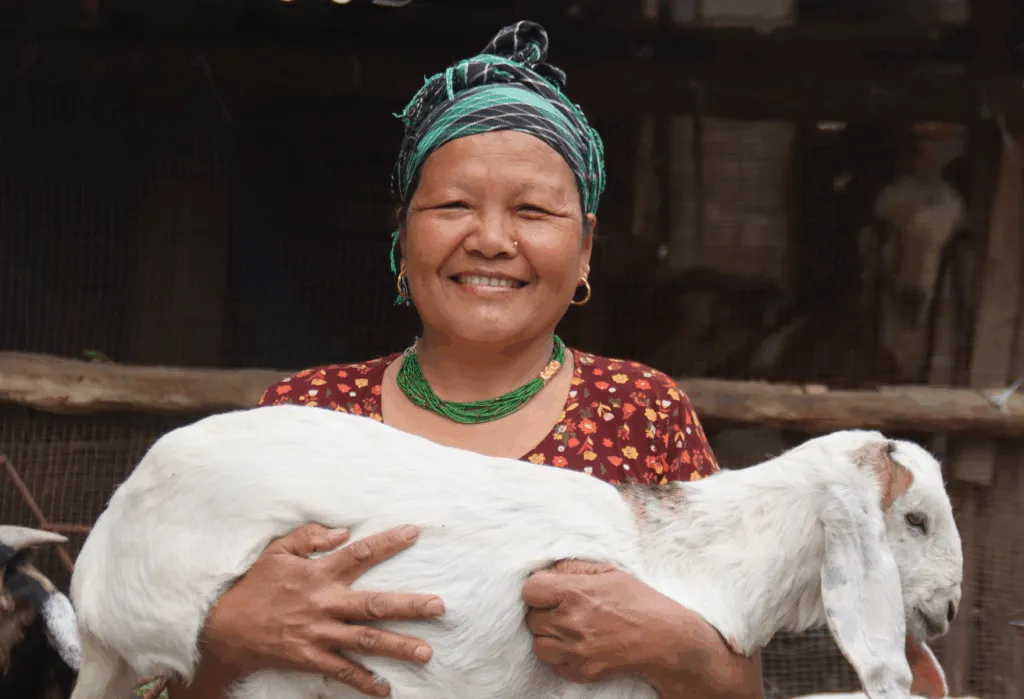
In Nepal, Lanni feared what a diagnosis might mean for her children and her future. Stigma kept her hidden until a community group encouraged her to seek care. Early treatment prevented disability, but it was acceptance, not medicine alone, that changed her life.
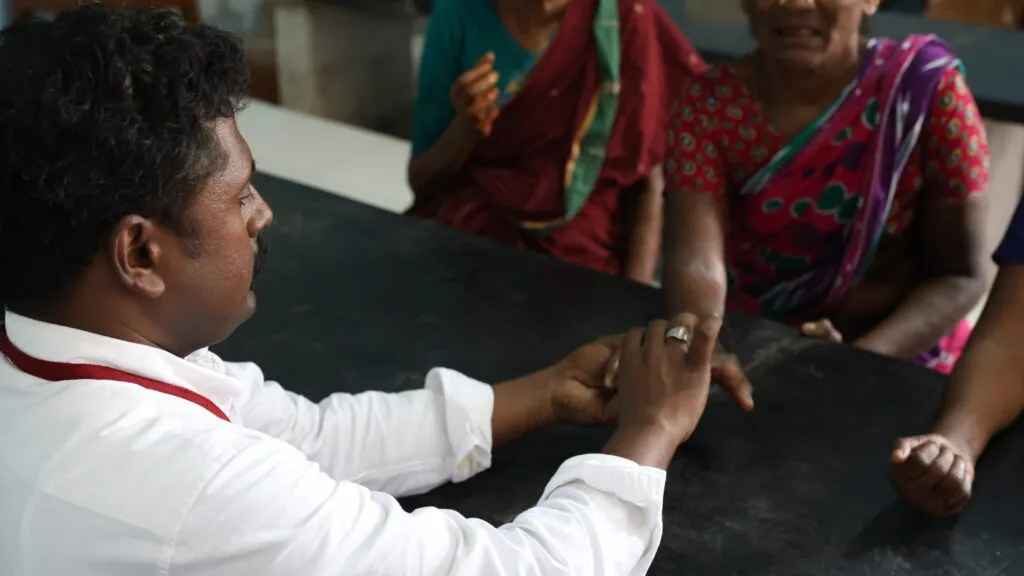
In India, discriminatory beliefs almost kept a young man, Mahesh, from completing his education. A rights-based community program made it possible for him to return to school safely.
Such stories demonstrate that ending leprosy transmission is as much about affirming dignity as providing medication.
Human rights make elimination possible
To eliminate leprosy within our lifetime, the world must:
- Remove discriminatory laws and policies
- Ensure equal access to healthcare and early diagnosis
- Support protective measures for disability prevention
- Expand inclusive livelihoods
- Educate communities to reduce stigma
- Centre the voices of people affected by leprosy
These are not optional extras. They are the foundation of a society in which every person—regardless of diagnosis—is able to flourish.
A call to reclaim the original spirit of the UDHR
As we celebrate the UDHR anniversary, we are reminded that human rights were never meant to be abstract. They were created to protect real people facing real harm. In an era of geopolitical change and institutional reform, the commitment to the world’s most excluded communities is what will keep the human rights project alive.
Ending leprosy transmission is achievable. And doing so would stand as a powerful demonstration that human rights, when upheld courageously, still have the power to transform the world.
For more stories like this, you can browse our full collection here!