As the weather cools across Australia, many of us begin reaching for the small comforts of winter. “Wintering,” some call it.
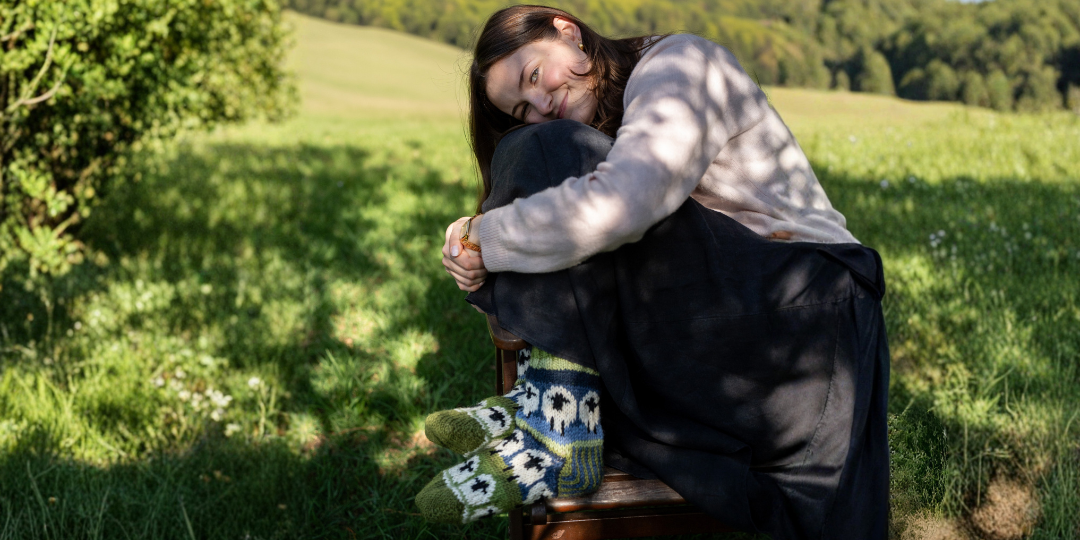
A scarf wrapped tightly before heading out into the morning air. Thick socks on cold floors. A soft blanket draped across the couch at the end of the day. Hands wrapped around a warm drink before the sun has fully risen.
Winter has a way of drawing us toward things that feel warm, textured, and handmade.
And yet, most of us rarely stop to think about the people who made the ‘things’ that become our seasonal comforts.
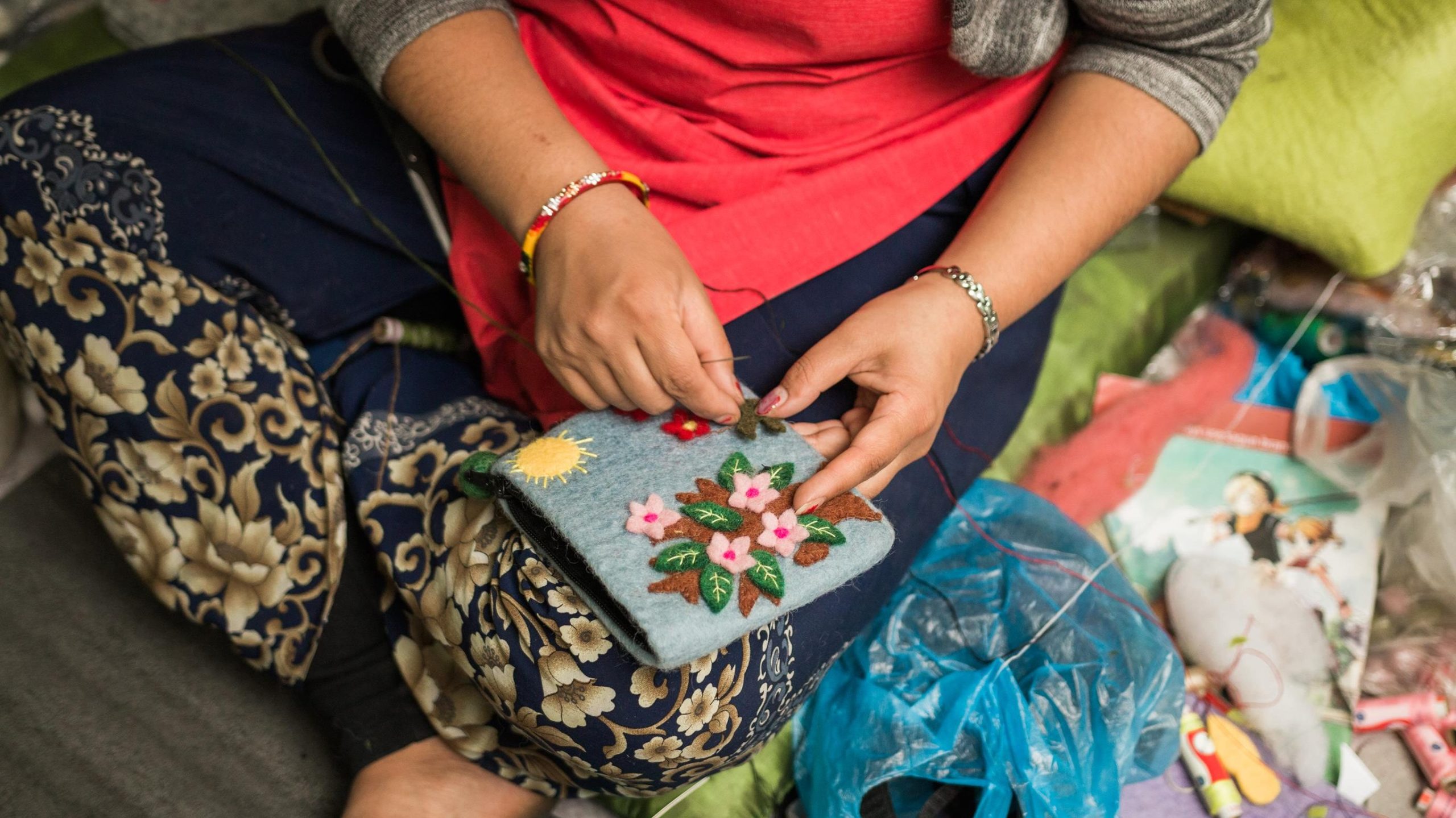
We often don’t know whose hands stitched the embroidery, wove the fibres together, shaped the fabric, or carefully finished the final details. We may never meet the artisans behind the products we bring into our homes, or know the conditions under which they worked to create them.
World Fair Trade Day (held on the second Saturday of May each year) invites us to pause long enough to think about exactly that—and to think about it differently.
At its heart, fair trade is about ensuring that the people who make products are treated with dignity, paid fairly for their work, and protected from exploitation. It creates opportunities for artisans and makers living in poverty to build safer, more sustainable livelihoods through their skills and craftsmanship.
That matters deeply in communities where poverty and exclusion can leave people vulnerable to unsafe working conditions, trafficking, or modern slavery.
Through fair trade initiatives, work becomes more than survival. It becomes stability. Opportunity. Independence. A pathway toward a different future.
At The Leprosy Mission Shop, fair trade products are sourced from artisan groups and communities across countries, including Nepal, India, Indonesia, Nigeria, and Timor-Leste. Many of the makers are women, people living with disability, or individuals from communities where economic opportunities can be limited.
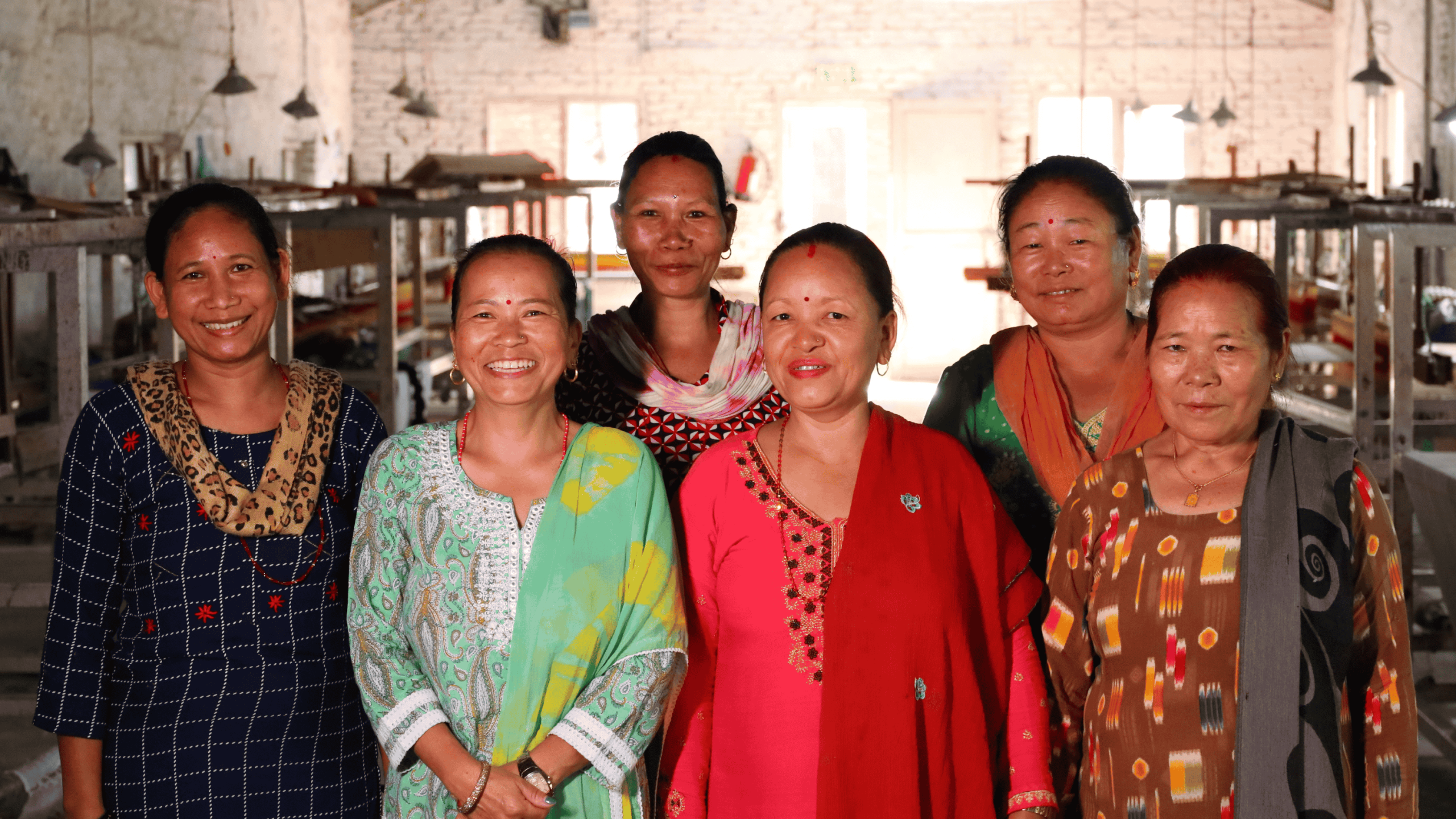
Each handmade item carries not only craftsmanship, but story and dignity. You can learn more about the global collective of artisans who create Leprosy Mission Australia’s beautiful range here.
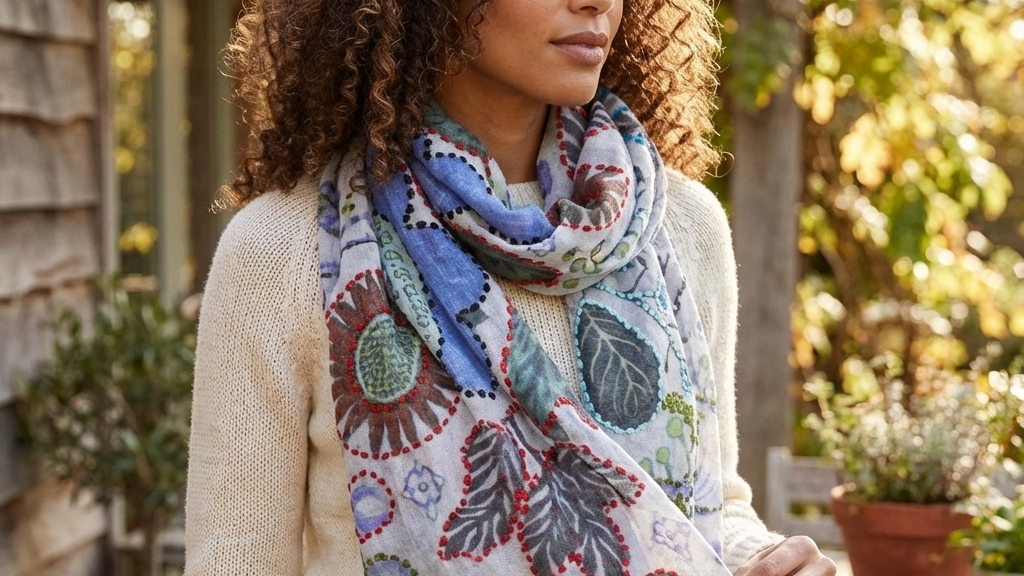
The Kantha Embroidered Merino Wool Scarf reflects this beautifully. Rich in colour and texture, the scarf combines warmth and craftsmanship in a piece designed to last beyond a single season. The careful embroidery and handmade detail speak to the time and skill invested by the artisan who created it.
Products like the Flock of Sheep Sofa Socks, Kylemore Cream Handwarmers and delightful Kids Animal Bobble Hat (with Fox and Puffin patterns) also capture the quiet comfort many Australians seek during winter. Soft, practical, and thoughtfully made, they bring warmth into everyday routines while also helping support ethical employment and fair trade initiatives.
There is something meaningful about that connection—the idea that an item bringing comfort into one home can also help create opportunity in another.
Handwoven homewares like the Tintagel Wrap and the stunning Handloom blanket offer a similar reminder. In a world increasingly shaped by fast production and disposable trends, handmade products invite us to value things differently.
Not simply for how quickly they can be purchased or replaced, but for the care, skill, and human story behind them.
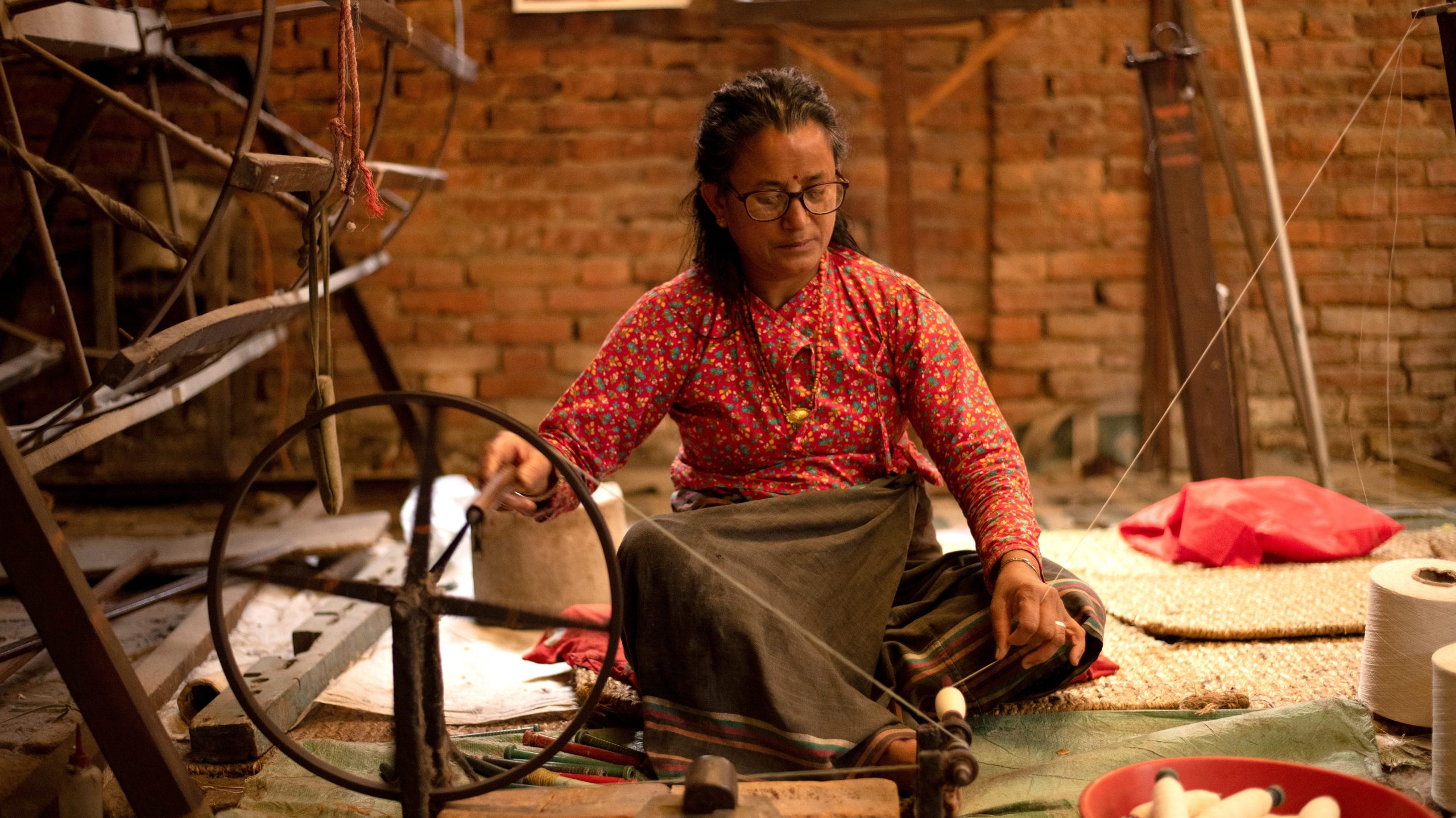
Every woven thread, embroidered pattern, and hand-finished detail reflects time. Attention. Craftsmanship developed over years.
Fair trade helps ensure that this work is recognised and valued fairly.
For people affected by leprosy and disability, this can be especially significant.
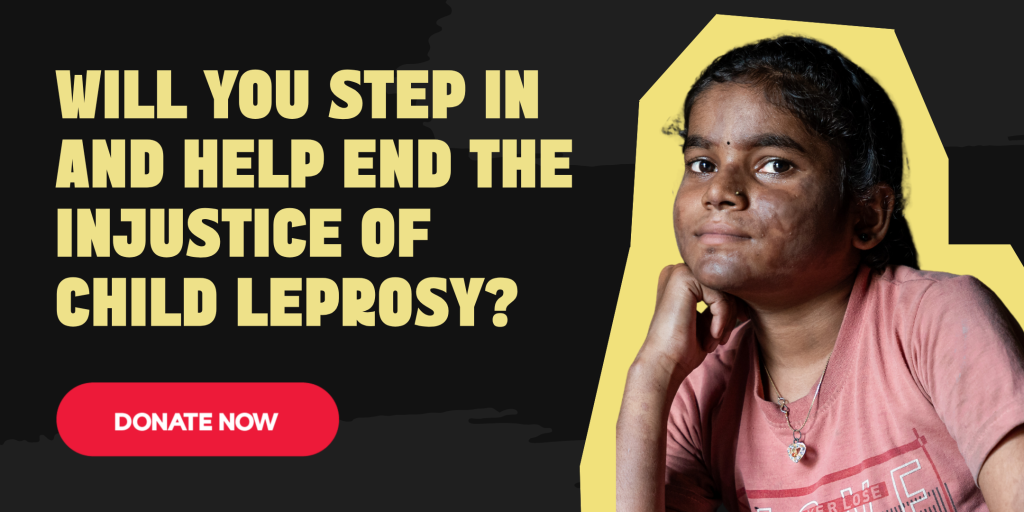
In many parts of the world, leprosy still carries deep stigma and discrimination. People affected by the disease can experience exclusion from employment, education, and community life long after medical treatment is complete.
Meaningful work opportunities help challenge that exclusion.
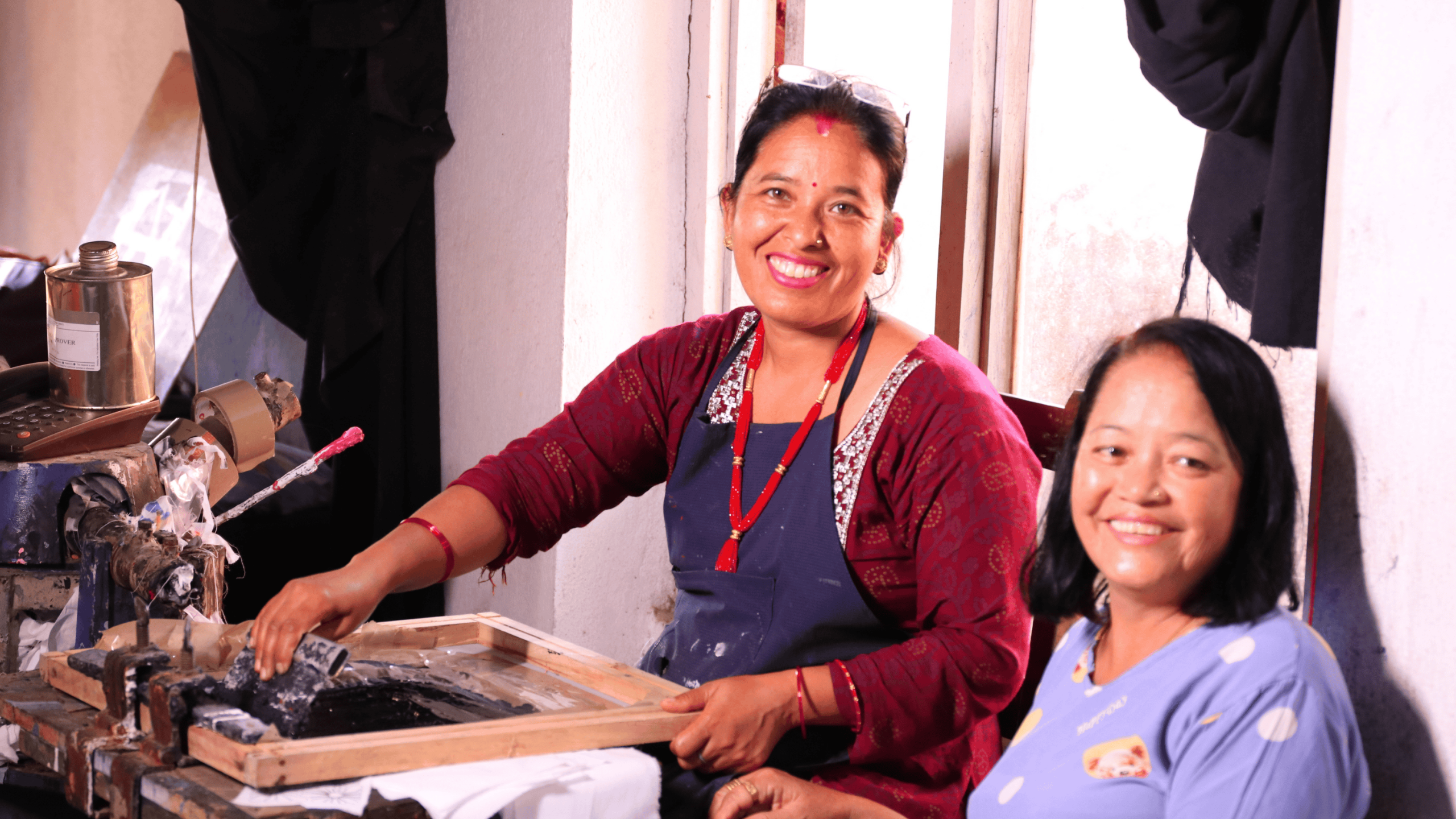
They create pathways toward financial independence, restored confidence, and renewed participation in community life. They affirm that people affected by leprosy are not defined by stigma, but by their skills, creativity, and dignity.
That is part of what makes Fair Trade Day important.
It reminds us that ethical purchasing is not simply about products. It is about people.
It is about recognising the hidden human stories behind the things we buy every day and choosing systems that value fairness over exploitation.
In a culture built around convenience and speed, fair trade offers a different vision; one grounded in dignity, sustainability, craftsmanship, and care.
And perhaps winter is the perfect season to reflect on that.
Because the things we naturally seek during colder months—warmth, comfort, connection, home—are also things every person deserves the opportunity to experience.
This Fair Trade Day, choosing a handmade scarf, woven blanket, winter accessory, or thoughtful gift can become something more than a purchase.
It can become a small but meaningful act of solidarity with artisans and communities working toward a safer, fairer future.
Go to shop.leprosymission.org.au and use code FAIR26 for 15% off at checkout to celebrate World Fair Trade Day. Offer ends this weekend. This promotion does not impact fair wages. All makers and producers have already been paid fairly.
For more stories like this, you can browse our full collection here!