Ending leprosy transmission is often discussed in terms of targets, treatments, and timelines. But behind every statistic is a human being, and behind every step of progress is a person doing the work.
Around the world, people from many different organisations and professions are contributing to the shared goal of ending leprosy transmission. Some work in clinics and hospitals. Others work in laboratories, classrooms, churches, community organisations, government offices or policy spaces. Some bring professional expertise. Others bring lived experience. All play a role.
Humans Against Leprosy is a series produced by Leprosy Mission Australia that introduces some of those people.
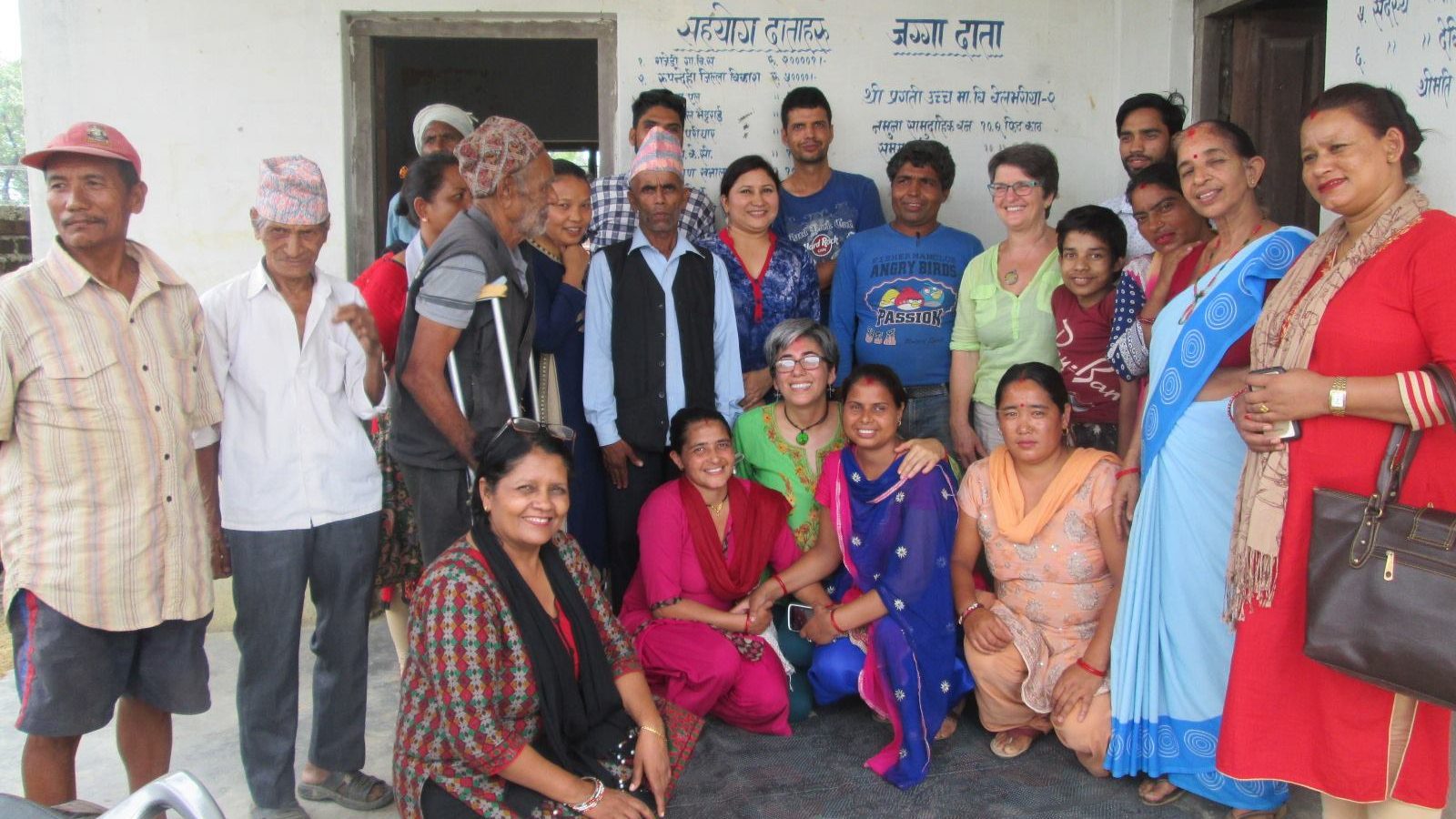
The series features individuals involved in the global effort to end leprosy—not as a campaign or spokesperson, but as a human being with a role, a perspective, and a reason for doing this work. Together, these stories reveal the breadth of effort required to address a disease that is medical, social and deeply human.
Leprosy transmission will not end with medicine alone. Ending transmission depends on early diagnosis, strong health systems, community trust, sustained research, effective policy, and a commitment to dignity for people affected by the disease. That work is carried by people—often quietly, collaboratively, and over many years.
This series exists to make that work visible.
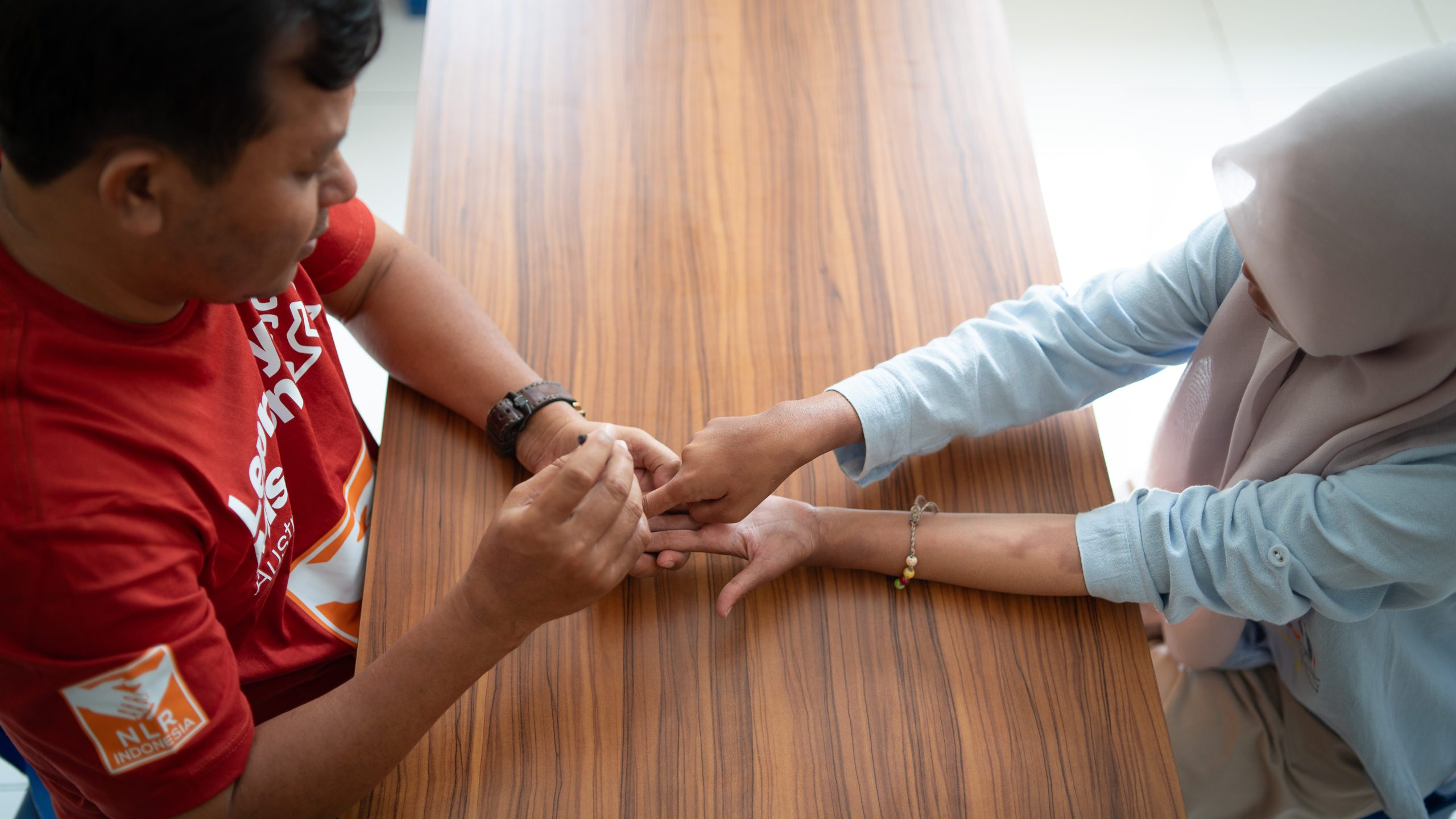
By sharing these stories, we hope to honour the individuals and partnerships that make progress possible, and to offer a more complete picture of what it truly takes to end leprosy transmission.
Not one organisation.
Not one profession.
But many people working together toward a shared future.
This has always been true.
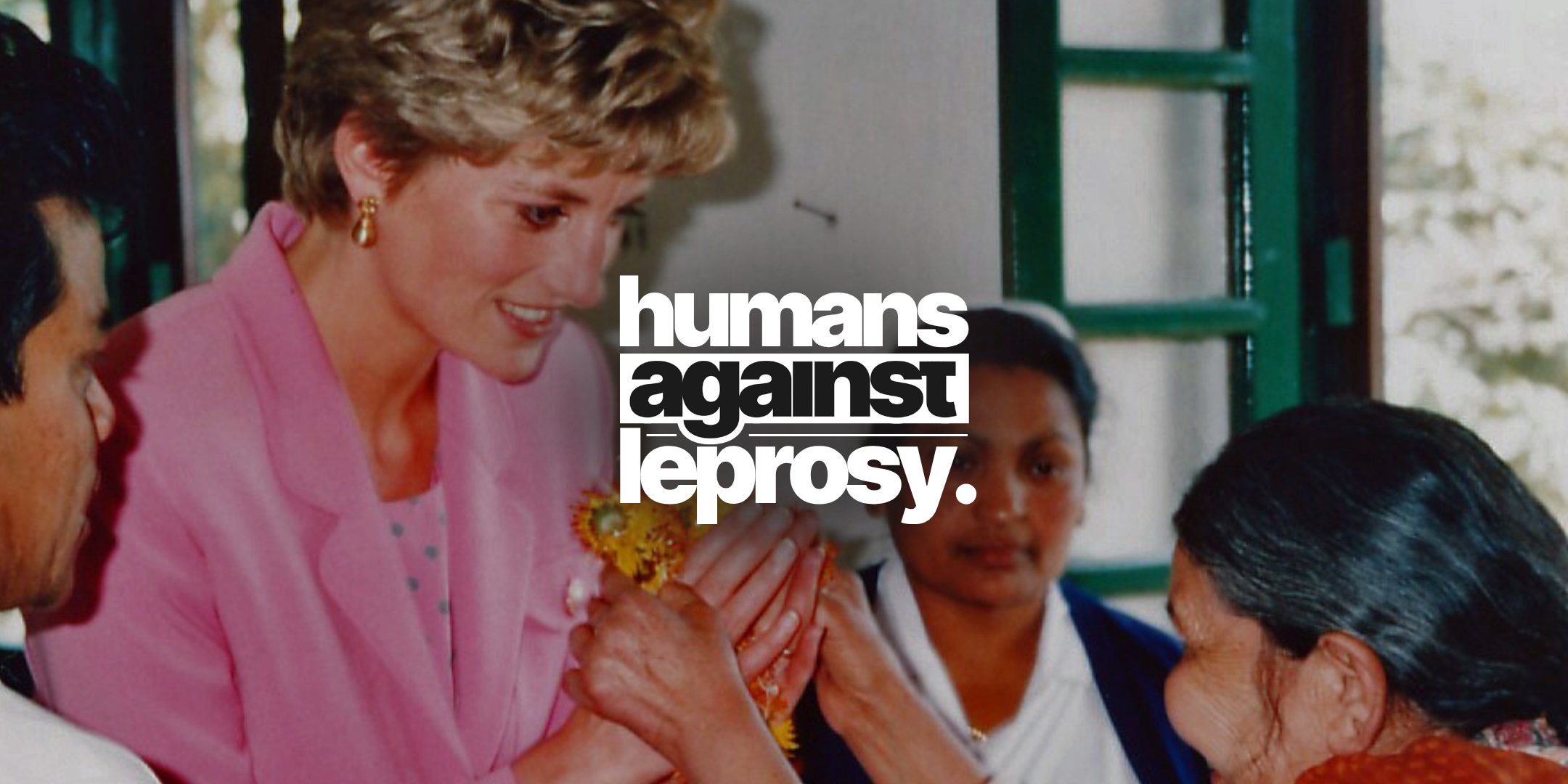
One of the most widely recognised individuals to stand alongside people affected by leprosy was Diana, Princess of Wales.
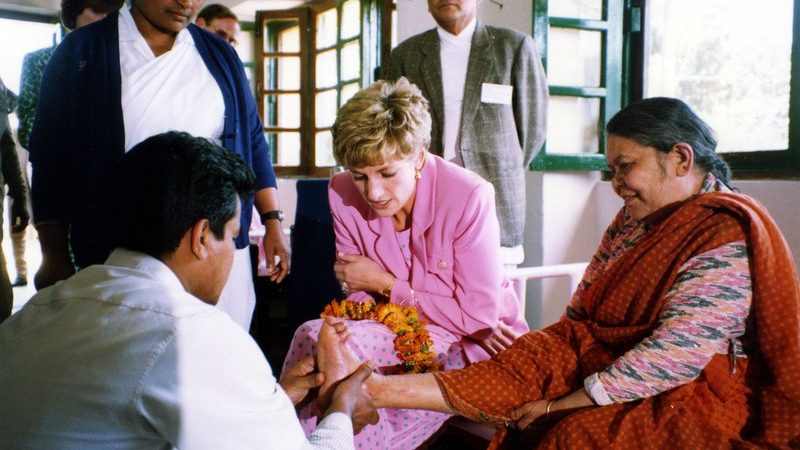
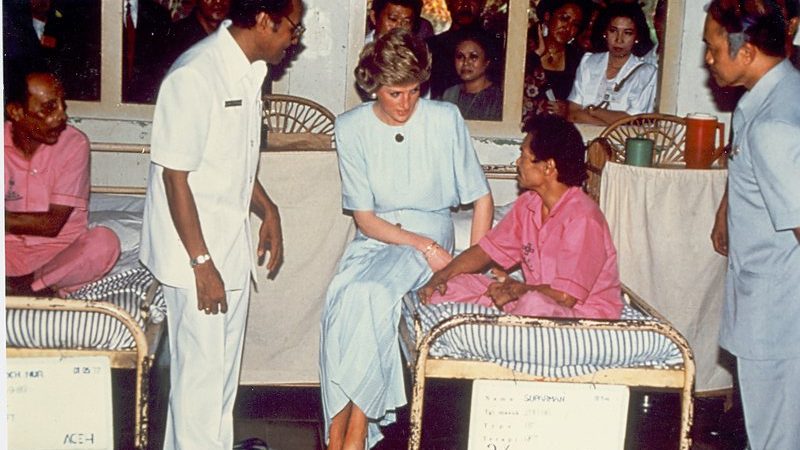
In the 1980s and ’90s, when fear and misunderstanding still surrounded the disease, she used her public platform to challenge stigma in a very direct way. As patron of The Leprosy Mission, she visited hospitals and communities in countries including Nepal and Indonesia, where she met people affected by leprosy face-to-face.
During these visits, she sat with patients, held their hands, and spoke with them without gloves or hesitation—simple acts that powerfully challenged the idea that people affected by leprosy should be feared or avoided. Her visibility helped bring global attention to the reality that leprosy is curable and treatable, and that stigma remains one of the greatest barriers to care.
She is one example among many.
Through Humans Against Leprosy, we continue that spirit: recognising the individuals—well-known and unseen—who are contributing to a future free from leprosy.
Because progress is not only measured in numbers, but in people.
Keep an eye out for the Humans Against Leprosy series—coming soon online and across our social channels in the weeks ahead.
For more stories like this, you can browse our full collection here!