The map was taped to her back. The soldiers searching her never found it.
During the Japanese occupation of the Philippines, Josefina Guerrero (also known as “Joey”) carried messages, mapped enemy positions and crossed checkpoints with information that could have cost her life. Leprosy had already changed everything for Joey, but it could also make Japanese soldiers reluctant to search her too closely.
When Japanese soldiers stopped Joey, accounts suggest that she would sometimes point to the marks of leprosy on her face.
The soldiers’ hesitation about approaching someone affected by leprosy may have worked to her advantage. It was the same diagnosis that had already cost her the life she once had.
Before the war
Joey was a young wife and mother in Manila, married to medical student Renato Guerrero, and together they had a daughter, Cynthia.
On the eve of the Second World War, Joey was diagnosed with leprosy.
Fear of contagion meant people affected by leprosy could be separated from their families, communities and livelihoods. In the Philippines, thousands had been sent into compulsory isolation, including to the leprosy colony on Culion, once known as the “Island of No Return”.
For a time, Joey and her family tried to keep the diagnosis private, but it eventually separated her from Renato and their young daughter.
Then, in December 1941, Japan invaded the Philippines. Manila fell the following month, and the occupation disrupted the medical care Joey had been receiving.
Wanting to help her country, Joey began carrying food, clothing and medicine to prisoners and civilians being held by the Japanese. She would later say of the risks she took, “It didn’t really matter whether I lived or died.” The work drew her into the Filipino resistance, where the secrets she carried became much more dangerous.
Working for the resistance
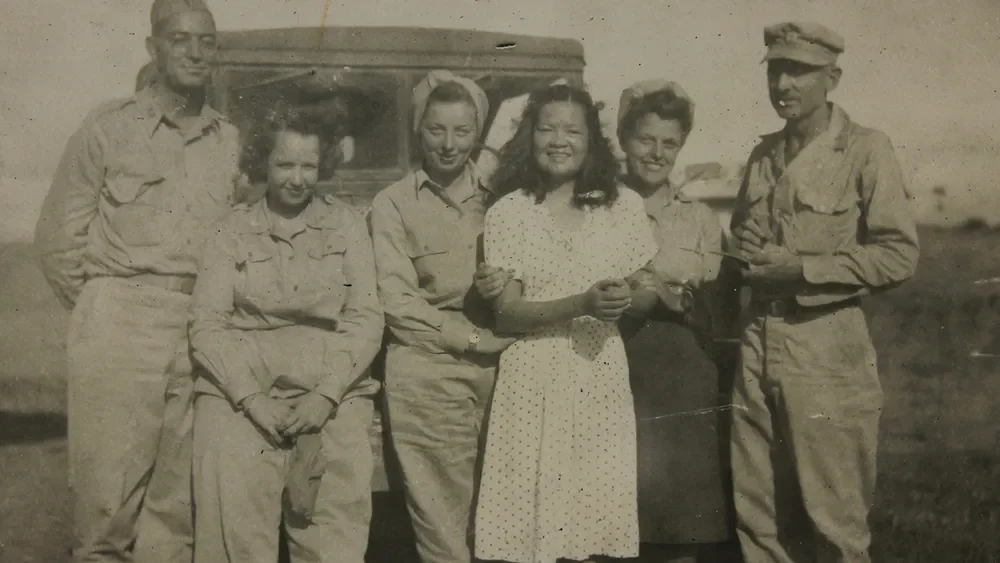
Moving through Japanese-occupied Manila, Joey observed military activity, mapped waterfront fortifications and recorded the locations of anti-aircraft positions.
A Japanese guard once pulled a ribbon from Joey’s hair. Hidden beneath it was a note from an American prisoner. Somehow, the message remained undiscovered.
Another time, Japanese soldiers surrounded her with bayonets as she emerged from a guerrilla hideout. Joey later recalled insisting, “I’m no spy,” and telling them she was simply a washerwoman who had come to collect laundry.
Japanese soldiers’ fear of leprosy rested on a misconception that still surrounds the disease today: it is not spread through casual contact.
The map on her back
By early 1945, American and Filipino forces were closing in on Manila.
Filipino guerrillas discovered a newly laid Japanese minefield in the path of the US 37th Infantry Division and asked Joey to carry a map of it to the advancing American troops.
The map was taped against Joey’s back beneath her clothing. Before she set out, she was told to make her last confession; those sending her did not expect her to return.
Already exhausted and unwell, Joey spent the next two days moving through territory where Japanese forces were still present, passing encampments and checkpoints with the map hidden against her body. She was stopped several times and searched, but each search was brief and the map remained undiscovered.
When Joey finally reached the place where she expected to find the Americans, she learnt they had moved on only hours earlier. She turned back and kept going until she found the advancing troops and delivered the map.
The battle after the war
After Manila was liberated, local military police sent Joey to Tala leprosarium because of her diagnosis.
Renato brought Cynthia to see her at Tala.
Joey began writing about conditions inside the leprosarium, seeking supplies and pushing for improvements.
Her letters reached people in the United States, including at Carville, the country’s national leprosarium in Louisiana.
At the time, treatments such as chaulmoogra oil offered limited help but no reliable cure. Carville doctors were using sulfone drugs, among the first effective medicines for leprosy.
As news of the new treatments reached her, Joey hoped that she too might be treated at Carville. Supporters in the United States pressed for her admission.
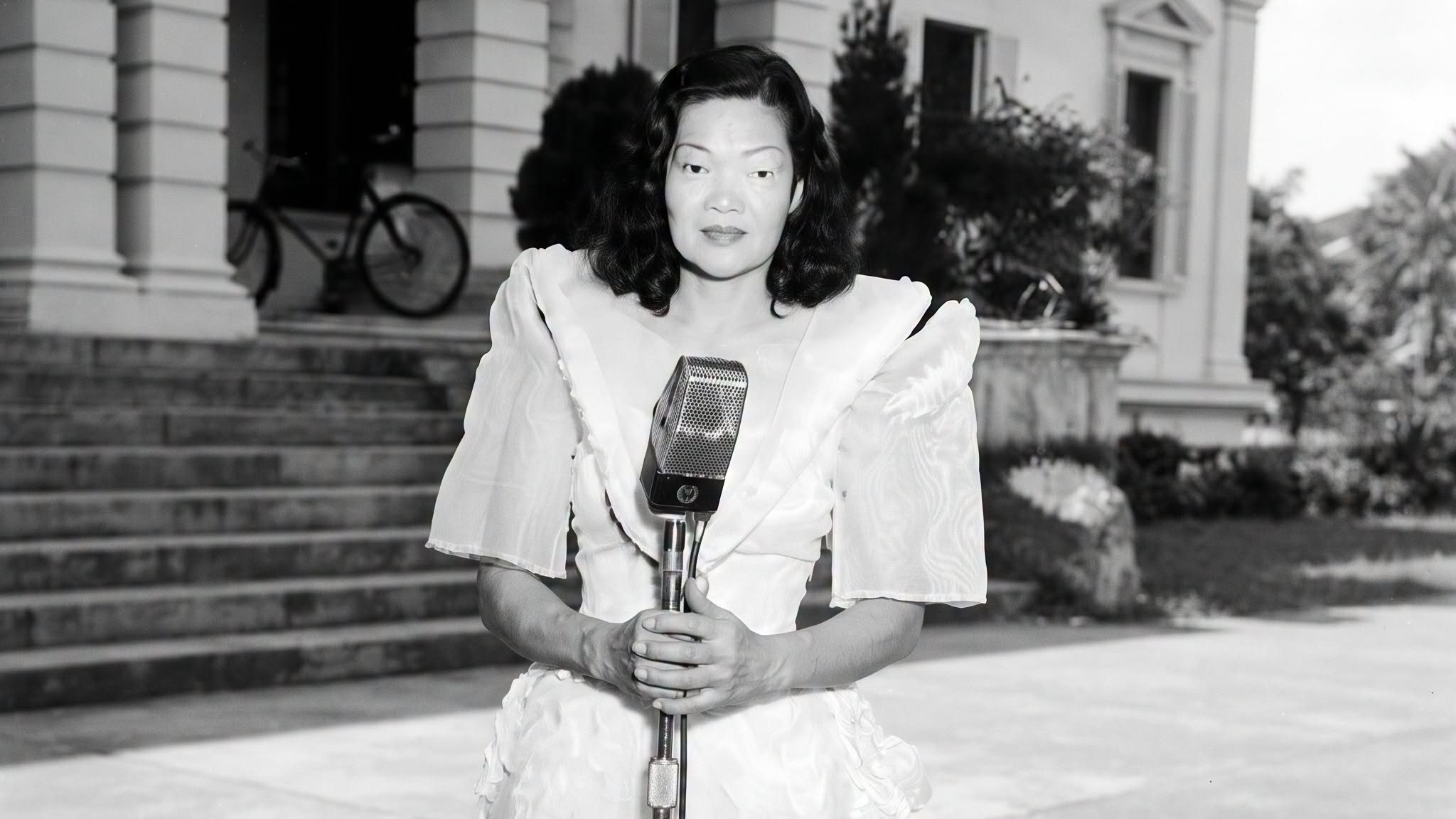
In May 1948, while still at Tala, Joey received the US Medal of Freedom with Silver Palm. Her citation credited her with being instrumental in saving the lives of many Americans and Filipinos.
But American immigration laws barred people with leprosy from entering the country. Citing her wartime service, her supporters appealed for an exception, and US Attorney General Tom Clark granted her special permission to travel to Carville.
When Joey arrived in San Francisco, around 300 veterans were waiting to welcome her. The reception overwhelmed her; she told the crowd it was more than she had expected.
Coming out of a bad dream
Arriving at Carville in July 1948, Joey wrote that she felt “like a person coming out of a bad dream”. In the years that followed, she studied, built a life within the hospital community and wrote in The Star, its patient-run publication.
Cynthia later told biographer Ben Montgomery that she felt she had lost her mother when Joey went to Tala, and she would visit her in the United States only once.
Joey’s special permission to remain in the United States expired in 1951, leaving her facing possible deportation. She was granted permanent residence in 1964.
Her marriage to Renato ended in divorce in December 1956. A few weeks later, while she was still living at Carville, she married another patient.
In April 1957, after almost nine years, Joey was discharged, her leprosy considered no longer active.
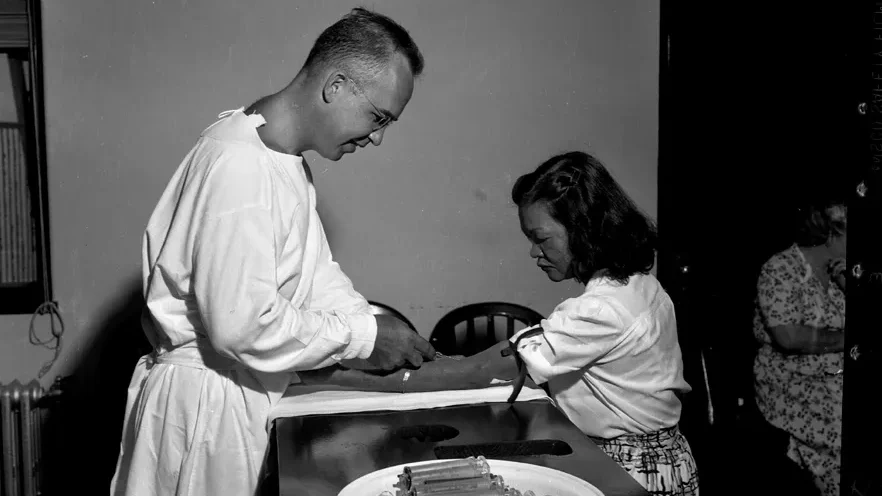
Trying to leave Joey Guerrero behind
Joey later wrote of periods when she went hungry after being fired from jobs “whenever the past cropped up”.
By 1970, she was living in Madrid under the legal name Joey Leaumax. In a letter that year, she described herself as “neither Miss nor Mrs” and explained why so many people who had once known the celebrated wartime heroine now believed she was dead.
She had, she said, “tried very hard to efface the past”.
“I simply want to forget it!”
She served in the Peace Corps and settled in Washington, DC, where she worked as a secretary and volunteered as an usher at the Kennedy Center. Many of the people she encountered there knew little of what she had done in the Philippines.
When Joey died in 1996, her obituary made no mention of the intelligence she had carried through occupied Manila, the minefield map taped beneath her clothing or the Medal of Freedom. It did not mention leprosy either.
By the end of her life, the woman who had spent years carrying secrets had made her own history one of them.
For more stories like this, you can browse our full collection here!