While conflict captures global attention, its longer-term impact quietly disrupts healthcare systems—making diseases like leprosy harder to detect, treat, and control.
What happens beyond the headlines
As conflict unfolds in real time, attention is drawn—understandably—to what is immediate and visible. Headlines shift, borders are contested, and the urgency of the moment takes precedence. What is harder to see are the slower changes that take hold alongside it, less visible, but no less significant.
Much of what is reported focuses on the lives lost and the moments of crisis as they happen. These are the most visible expressions of conflict. Beyond them, other consequences begin to take shape, less concentrated and more dispersed, affecting the people who remain and the systems they depend on.
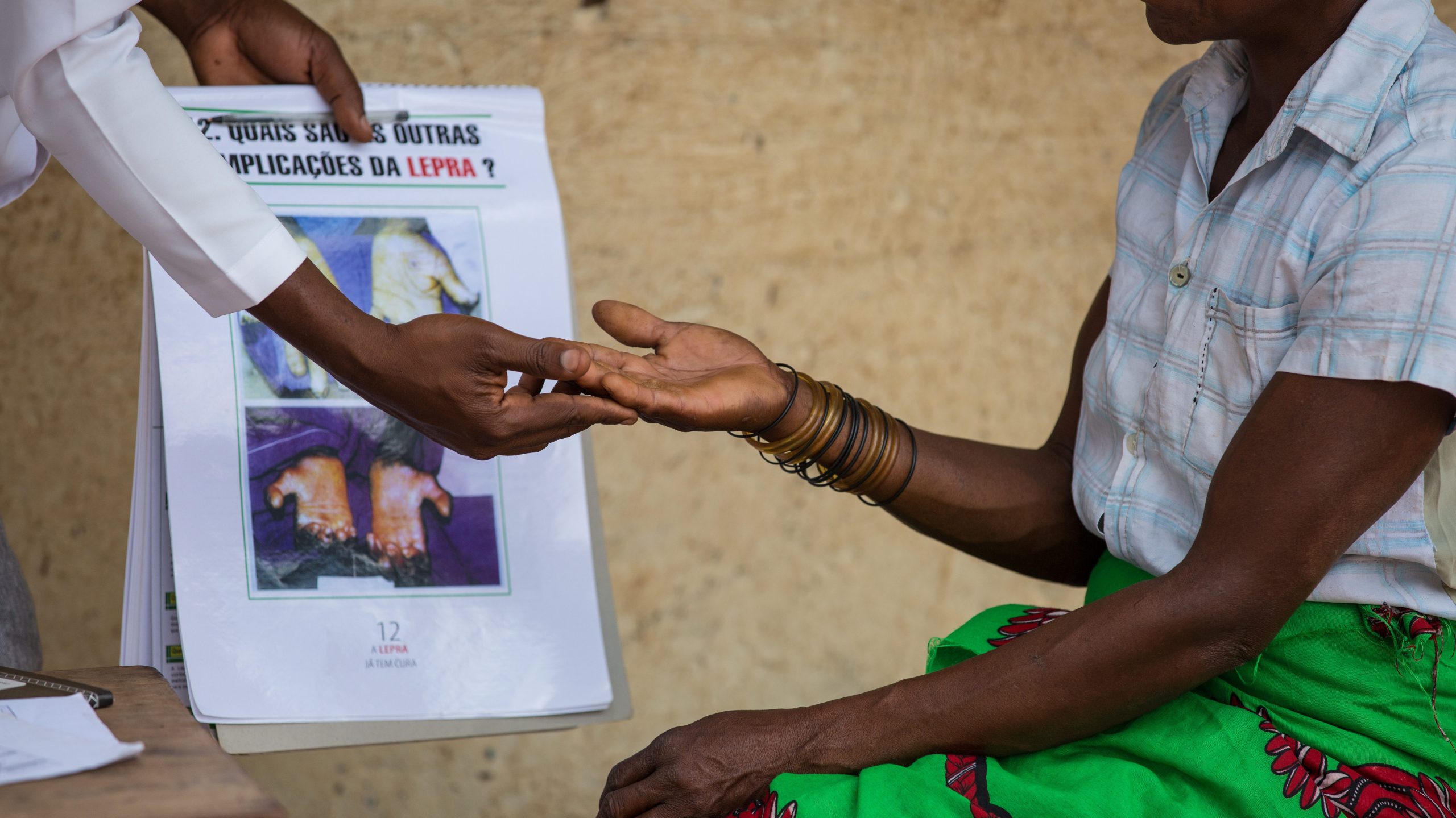
Where health systems are already fragile, conflict rarely arrives as a single moment of collapse. It works more gradually, unsettling the conditions that allow care to function. Clinics close or operate intermittently, supply chains become unreliable, movement becomes restricted, and in some areas, the most basic requirements for care—transport, equipment, consistent access—become difficult to maintain.
Of the World Health Organization’s 23 priority countries for leprosy, eight are also affected by conflict, pointing to a significant overlap between where the disease persists and where instability continues to shape daily life.
Leprosy does not pause for war, even if the systems designed to detect and treat it begin to falter.
A life, moving forward—and back again
For Namwana M’Namuniga Léonie, in eastern DR Congo, the experience of rebuilding had already begun long before conflict reached her community.
Her husband had died after receiving incorrect treatment for leprosy, a loss that reshaped her family’s future. When she began to experience symptoms herself, she was eventually diagnosed and placed on the correct treatment, though not before the disease had progressed far enough to cause disability. It was not a single turning point, but a gradual shift towards managing the condition and finding ways to continue.
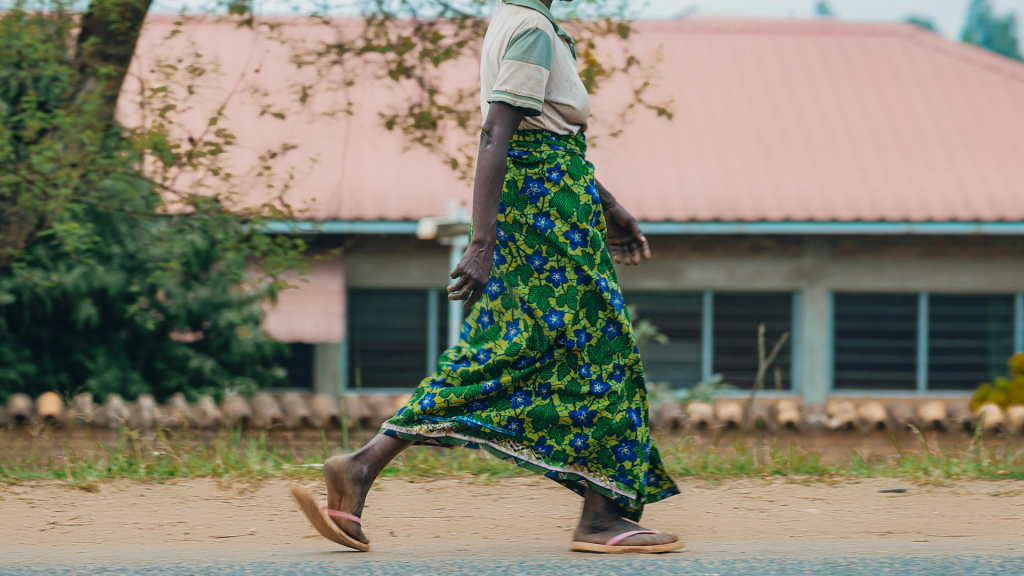
Treatment offered a way forward, but it depended on the conditions around it—income, access, and a degree of stability that allowed care to become part of daily life.
Over time, those conditions began to take shape. Her daughter trained as a nurse, and Namwana found ways to support herself and regain a measure of independence.
When conflict reached her community, that stability gave way, and care grew harder to sustain within the rhythms of daily life.
The reality of conflict is that diagnosis, treatment, and follow-up do not remain intact. Healthcare does not simply pause; it fragments. People become harder to reach, harder to track, and over time, easier to lose within the system altogether.
When continuity begins to fracture
Across the regions where leprosy remains present, progress has long depended on consistency—on the ability to reach communities, recognise symptoms, and sustain treatment over time.
In Myanmar, ongoing conflict has made that continuity harder to maintain. Health workers who once travelled regularly to communities now face restrictions on movement, while limited internet access and the risks associated with gathering have reduced opportunities for awareness and education. In some areas, even when care is available, reaching it becomes uncertain.
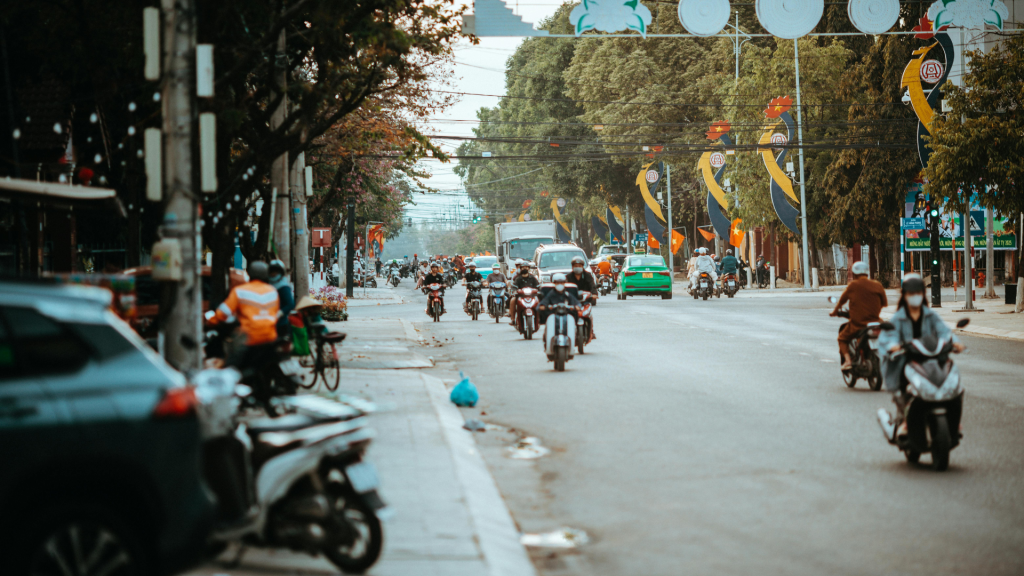
In Sudan, disruption has taken a different form, with clinics destroyed or looted and essential tools for diagnosis and treatment no longer available, leaving communities without even the most basic access to care.
Across these contexts, what emerges is not a single pattern, but a shared instability in how and whether care is accessed.
The distances that open quietly
As conflict reshapes daily life, movement becomes both necessary and disruptive, altering where people live and how they access care.
Families leave, sometimes suddenly, sometimes over time, carrying what they can and leaving behind what they cannot. Medical records are lost or abandoned, treatment is interrupted, and the relationships that support care—between patient and provider, between community and clinic—become stretched across distance or disappear altogether.
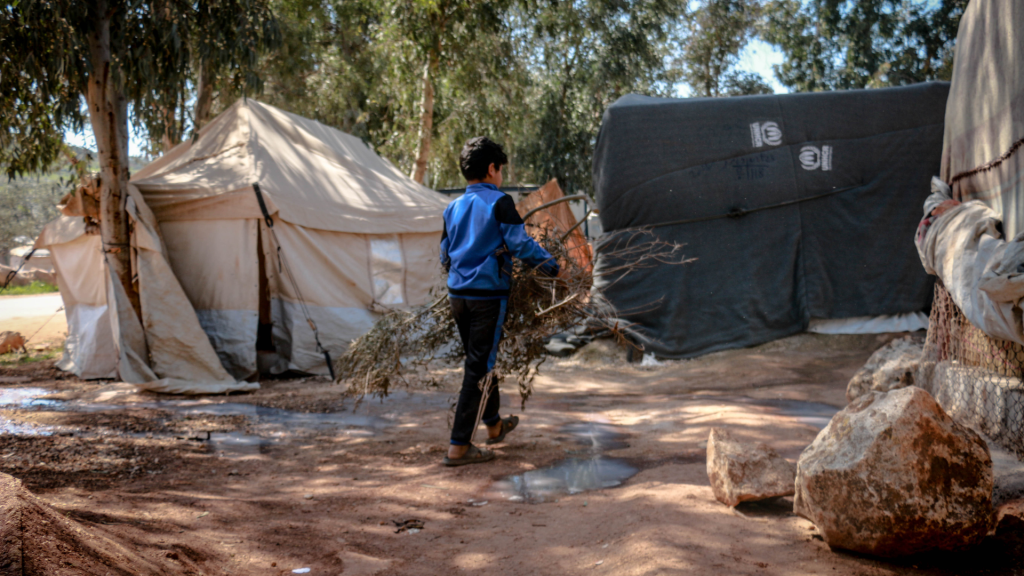
In Myanmar, many have crossed borders into neighbouring countries, where access to formal healthcare can feel uncertain or risky. Some continue treatment informally, relying on remote advice or partial support, while others delay seeking care altogether.
In these conditions, people do not stop needing care, but they become harder to locate within the systems designed to support them.
What the data can’t show
What is reflected in the data does not always align with what is happening on the ground, particularly when detection becomes inconsistent.
In Myanmar, reported diagnoses dropped sharply following the onset of conflict, with only 585 cases recorded in one year, before rising again to just over 1,000 as detection efforts partially resumed. These figures raise questions not about whether the disease has lessened, but about how much is no longer being detected.
But diagnosis is only ever a measure of what has been found. Where detection becomes inconsistent, the picture it offers becomes partial. Health workers have raised concerns about how many people remain undiagnosed, continuing to live with the disease without awareness or treatment.
Without diagnosis, treatment cannot begin, and in some cases, transmission continues within close communities, unseen.
The numbers fall. The problem does not.
What slips from view
As conflict intensifies, attention is drawn toward what is immediate and visible, often leaving less space for conditions that require sustained, consistent effort.
In Myanmar, awareness of leprosy has declined alongside these broader disruptions, as opportunities for education and community engagement have become more limited.
In a landscape shaped by urgency, conditions that depend on sustained attention can begin to recede from view, not because they have lessened, but because focus has shifted elsewhere.
The shape of what remains
For those living within these conditions, adaptation to uncertainty and disrupted care is not optional.
Namwana continues to navigate the constraints around her, holding onto what remains possible within a context that is still shifting.
In much the same way, progress against leprosy does not end in conflict, but it becomes harder to trace, less visible in its movement, and more dependent on the slow reassembly of systems and relationships that, once disrupted, are not easily restored.
There is often an expectation that recovery means returning to where things once were. In practice, this is rarely the case. What follows is not restoration, but reconstruction—of systems, relationships, and trust, often under conditions that remain uncertain.
This work does not stop. It continues in more constrained conditions—through disrupted supply lines and limited access, through efforts to rebuild clinics and replace lost equipment, through health workers finding new ways to reach communities that are increasingly difficult to reach, and to continue treatment where formal systems no longer function as they once did, often with fewer resources and greater uncertainty.
What follows is not always dramatic. More often, it is cumulative—changes that settle in gradually, shaping outcomes over time, and becoming visible only once they are no longer easily undone.
Progress, built slowly, proves fragile under these conditions, even as efforts to sustain it continue.
When global aid is cut, there’s less help for the most vulnerable
As global aid is cut to make way for defence spending, it’s leaving gaps in health services in poorer countries. There’s a real danger those most in need will miss out on critical leprosy care.
You may recall the significant cuts to USAID last year. Since then, others in power have followed suit and moved their focus to defence. With every day that passes, wealthy countries are choosing to share less and less with those who are suffer.
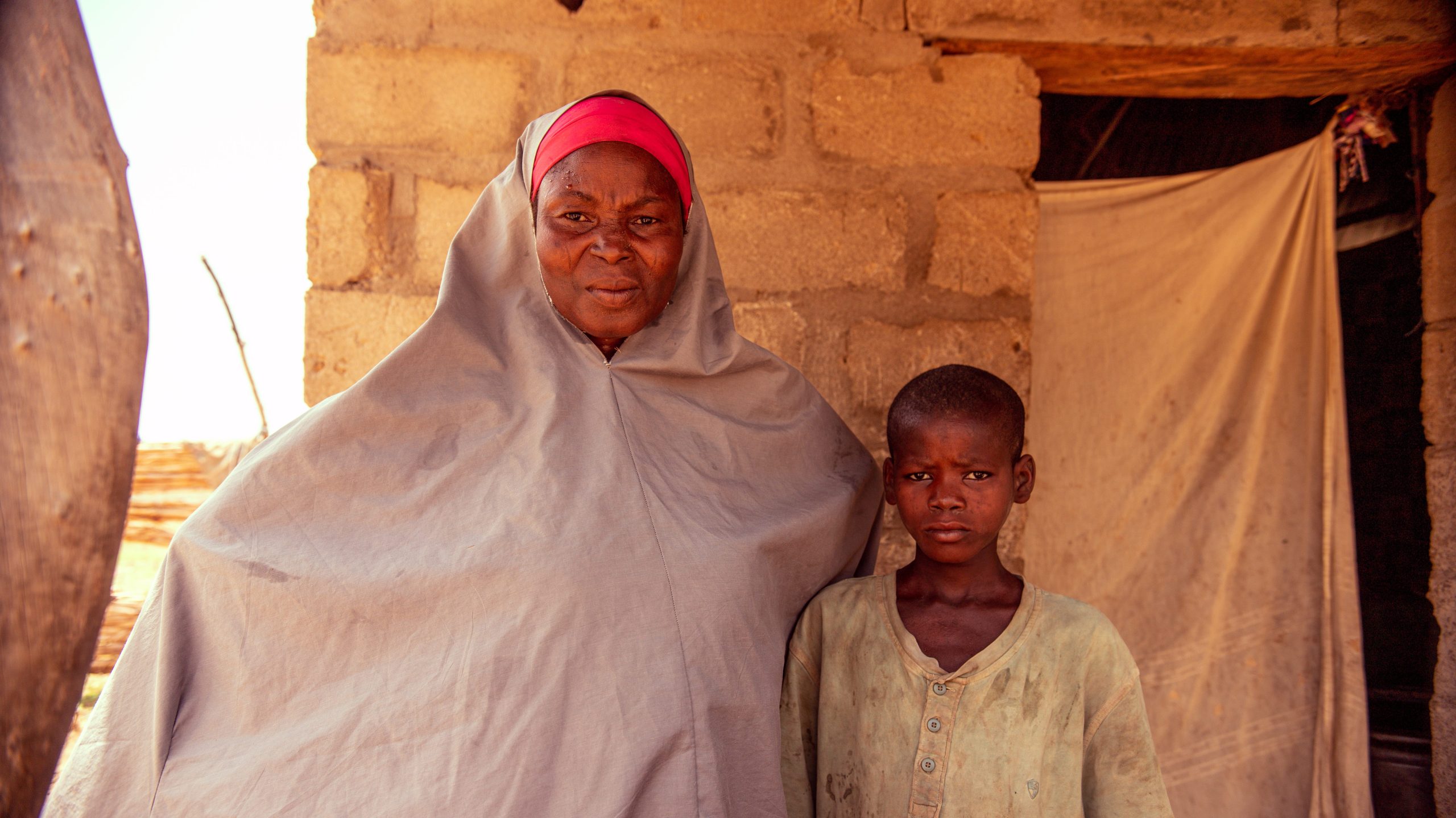
There has been a 41% decline in global aid for neglected tropical diseases, which includes leprosy. This leaves gaps in the health budgets of poorer countries, and means those hurt by leprosy can’t get the vital treatment and care they need.
Healthcare gone
In Nigeria, where the Leprosy Mission take your care, USAID cuts have slashed around 45% of the country’s healthcare budget.
Nigeria has more than 1,000 new cases every year, including among children.
Patients left waiting
Last year, treatment for neglected tropical diseases (which includes leprosy) was delayed due to aid cuts, affecting more than 140 million people.
Our challenge, how can we fight this hidden war – and win it.
For more stories like this, you can browse our full collection here!