The elimination of a disease in our lifetime is rare. But this is how it happens—one country at a time.
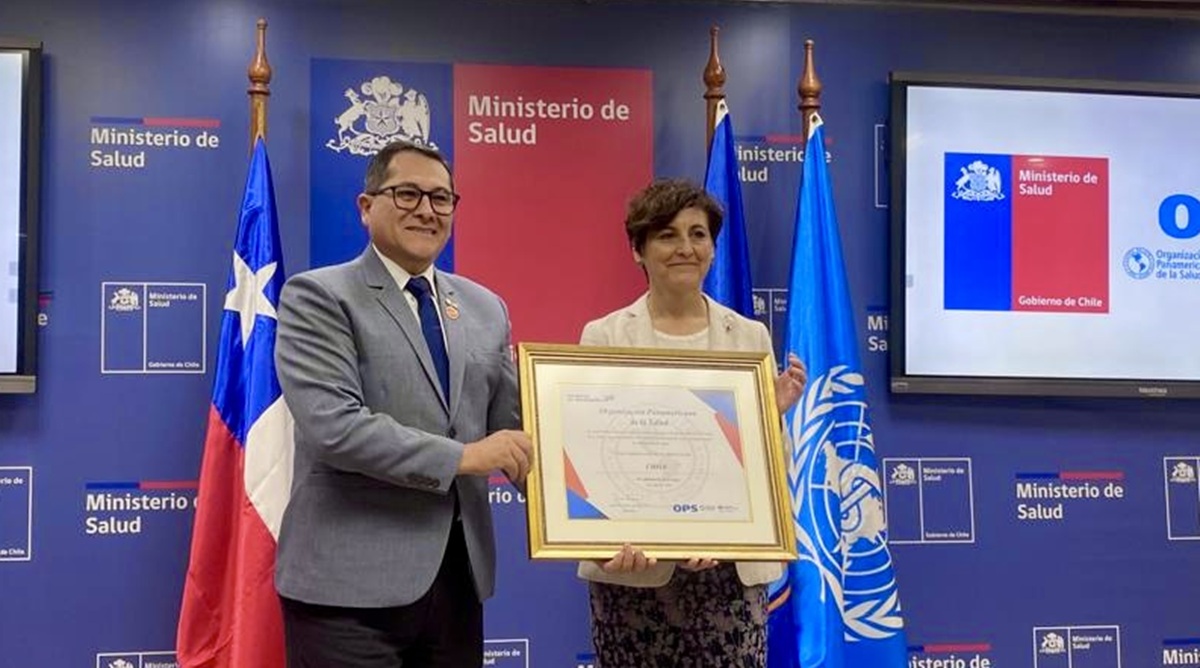
Chile has become the first country in the Americas to be officially verified by the World Health Organization (WHO) as having eliminated leprosy. It is only the second country in the world, following Jordan in 2024.
This is not just a milestone for Chile; it is a signal to the world that zero leprosy is possible. And we are doing it.

For decades, organisations like The Leprosy Mission have been working towards a bold global goal: Zero Leprosy by 2030.
For many, it once felt out of reach. Leprosy is a complex disease that, to this day, carries a deep stigma. It develops slowly, sometimes taking years—even decades—to show symptoms, and requires long-term treatment.
But progress like this changes what once seemed impossible.
Chile’s achievement is the result of more than 30 years of consistent, committed public health work. Even when cases became rare, the system did not relax.
Health workers continued to be trained to recognise early signs. Primary care centres remained the first point of contact, with clear pathways to specialist diagnosis, treatment, and rehabilitation.

This is what elimination really looks like—not just the absence of disease, but the presence of strong, responsive systems that ensure no case is missed and no person is left behind.
As WHO Director-General Dr Tedros Adhanom Ghebreyesus said, “This landmark public health achievement is a powerful testament to what leadership, science, and solidarity can accomplish.”
The ancient disease of leprosy (also known as Hansen’s disease) is still widely misunderstood. It is a slow-moving bacterial infection that affects the skin and nerves, and can quietly live in the body for years before symptoms appear. If left untreated, it can lead to disability.
But while leprosy is “still a thing,” as we say at The Leprosy Mission Australia, the truth is that it is completely curable. With the right medication, people can be treated and go on to live full, healthy lives.
Work to eliminate leprosy continues
Today, the greatest challenge is not the disease itself, but late diagnosis and the stigma that still surrounds it. This is why milestones like Chile matter so much. They show that eliminating leprosy is not theoretical—it is possible, and it is happening.
Maintaining elimination requires continued vigilance: strong surveillance, trained health workers, and systems ready to respond if new cases appear. It also requires something deeper—a global commitment to finish what we have started. For the first time in history, ending leprosy transmission is within reach.
Zero leprosy by 2030 is not just a goal. It is a reality unfolding country by country, community by community. And Chile has just shown us what is possible.
The greatest burden of leprosy today is not the disease itself, but the silence, the delay, and the stigma that still surrounds it.
And that is what must change.
Because, as Chile has shown us, this is how it happens—one country at a time.
For more stories like this, you can browse our full collection here!