
For centuries, biblical accounts of leprosy have shaped perceptions of the disease, contributing to associations with uncleanness, exclusion and punishment. Yet the Bible also contains a powerful counter-narrative, one that emphasises restoration, dignity and inclusion for those pushed to the margins.
Leprosy is one of the world’s oldest diseases, but it has not disappeared. More than 167,000 new cases were reported around the world in 2025, and many people affected by the disease still face stigma that costs them jobs, relationships and opportunities.
Some of those attitudes have surprisingly deep roots. For centuries, leprosy was associated with uncleanness, exclusion and even divine punishment, ideas shaped in part by how the disease appears in the Bible.
In Mark’s Gospel, a man kneels before Jesus. We are told nothing about his name, age, family or life before this moment. What we do hear is the man’s request: “If you are willing, you can make me clean.”
Not simply healed. Clean. In the world of the Hebrew Scriptures, that word could determine where a person worshipped, whether they lived within the camp and how others were required to recognise their condition. It could even be pronounced over a house.
The story of how leprosy became associated with shame and exclusion begins with the biblical idea of what it meant to be “clean”.
A house under suspicion
Leviticus 14 describes a priest inspecting discoloured marks on the walls of a house. If the marks spread, affected stones were removed and the building could even be demolished.
It is an extraordinary set of instructions for a building. A house, of course, cannot develop the bacterial disease we call leprosy today. The ancient Hebrew word tzaraath covered conditions affecting skin, fabric and buildings. Translated into Greek as lepra, it eventually became linked with the disease now recognised as leprosy.
That history helps explain why older English Bibles sometimes refer to “leprosy” in a house where modern translations speak of mould.
A life set apart
Leviticus 13 describes people with certain skin conditions wearing torn clothes, leaving their hair unkempt and covering the lower part of their faces. These were familiar signs of mourning in ancient Israel, but here they marked someone as ritually unclean. Those affected were required to call out “Unclean! Unclean!” and live outside the camp for as long as the condition persisted.
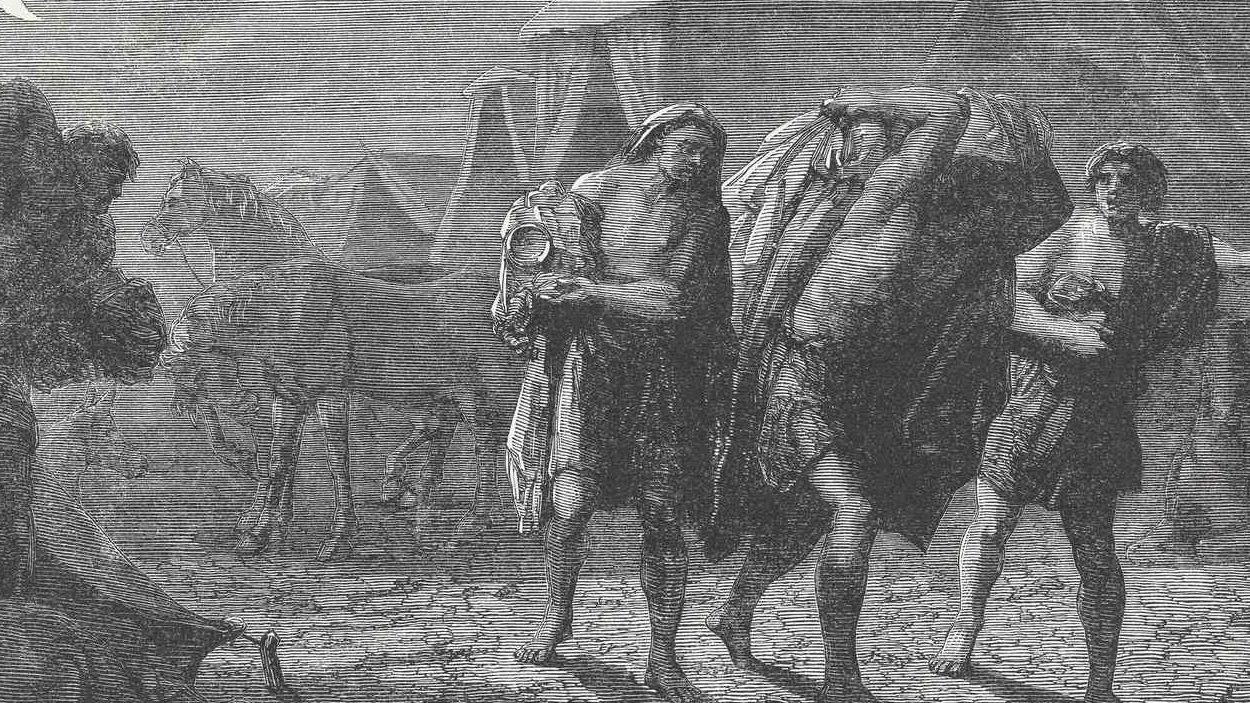
The image recurs elsewhere in the Hebrew Scriptures. In 2 Kings 7, four men with leprosy remain outside the city gate during the siege of Samaria, reinforcing the association between leprosy and life on the margins of society.
The requirements concerned ritual purity, not medical diagnoses or proof that someone had sinned. Childbirth and contact with the dead could also bring ritual uncleanness. The laws could require separation, but they also described how a priest could examine someone again, declare them clean and open the way back to worship and community life.
Yet over time, ideas about ritual uncleanness became closely associated with leprosy itself. As stories about the disease were retold and interpreted, many people came to link leprosy with exclusion, shame and even divine punishment. Those associations would prove remarkably enduring.
Healing leprosy carried extraordinary weight in the Hebrew Scriptures. In 2 Kings 5, when the king of Aram asks the king of Israel to cure Naaman of leprosy, the king tears his robes in distress. “Am I God?” he cries.
The story reflects how closely healing leprosy was associated with divine power.
Why Jesus’ touch mattered
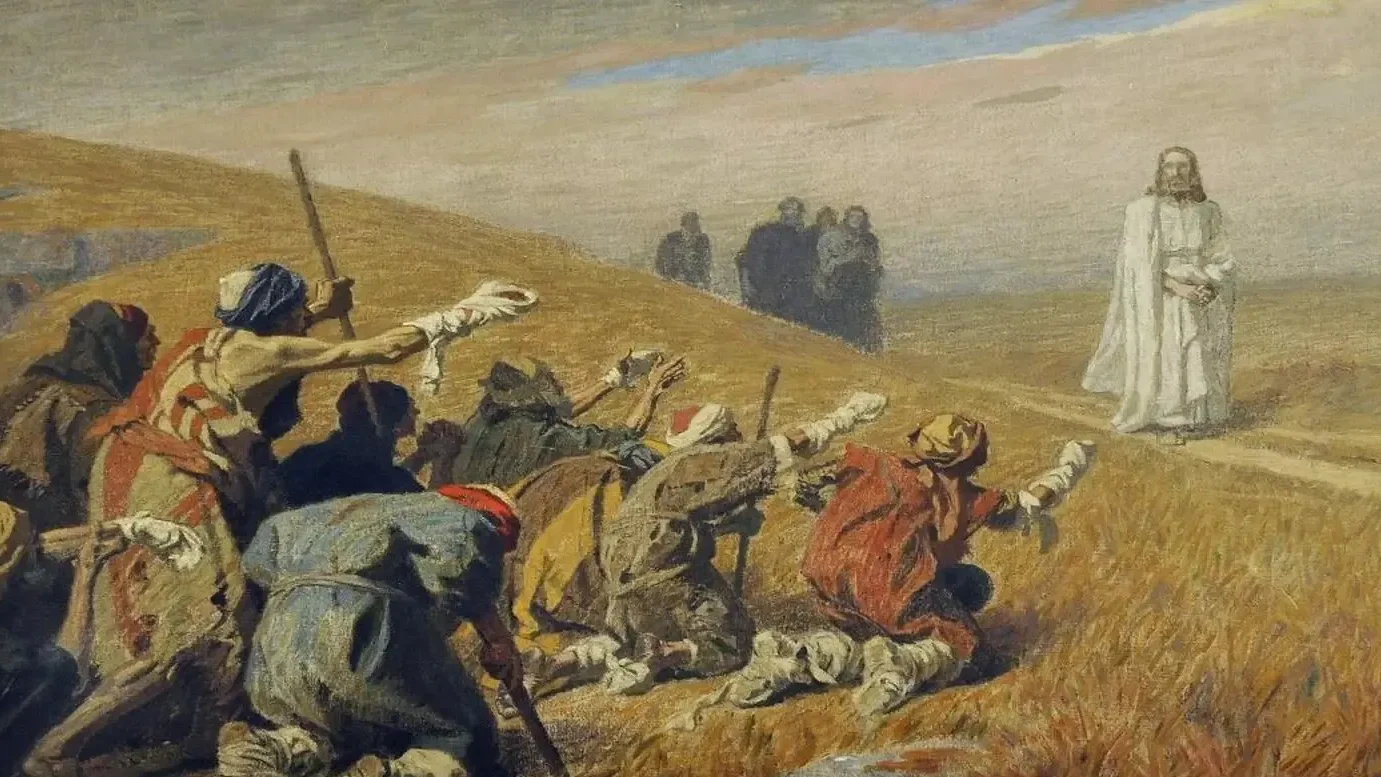
In Mark’s Gospel, Jesus reaches out and touches the man who has asked to be made clean. “I am willing. Be clean!” he says. The healing is immediate.
For Christians, the miracle reveals Jesus’ divine authority. But the touch matters in its own right. Under Leviticus, certain skin conditions required people to live apart. Jesus does not wait for a priest to declare the man clean before coming close enough to touch him.
Jesus does not wait for a priest to declare the man clean before coming close enough to touch him. He then instructs the man to show himself to a priest and make the offering required by Moses, allowing his return to religious and community life.
The episode highlights a tension that runs throughout the Bible’s treatment of leprosy. Some passages emphasise separation and uncleanness; others emphasise restoration. In a culture where uncleanness could place people on the margins, Jesus’ touch challenged assumptions about who belonged within the community.
Sin, suffering and compassion
Yet compassion is only one strand in the depiction of leprosy in the Bible. Other accounts associate the condition with wrongdoing and punishment, and those stories also shaped how people understood the disease.
In Numbers 12, Miriam, the sister of Moses and Aaron, criticises Moses and is subsequently afflicted with a condition the text describes as leprosy. Although Moses pleads for her healing, she must remain outside the camp for seven days before returning to the community.
In 2 Kings 5, Gehazi, the prophet Elisha’s servant, is afflicted with leprosy after deceiving Naaman. Together, these stories demonstrate a long-running association between leprosy and wrongdoing.
Through the centuries, Christians drew different lessons from these accounts. Some associated leprosy with sin and separation; others took their example from Jesus, caring for people whom others feared or avoided.
In the fourth century, Basil of Caesarea provided shelter and care for people affected by leprosy, an approach his contemporaries praised as an imitation of Christ.
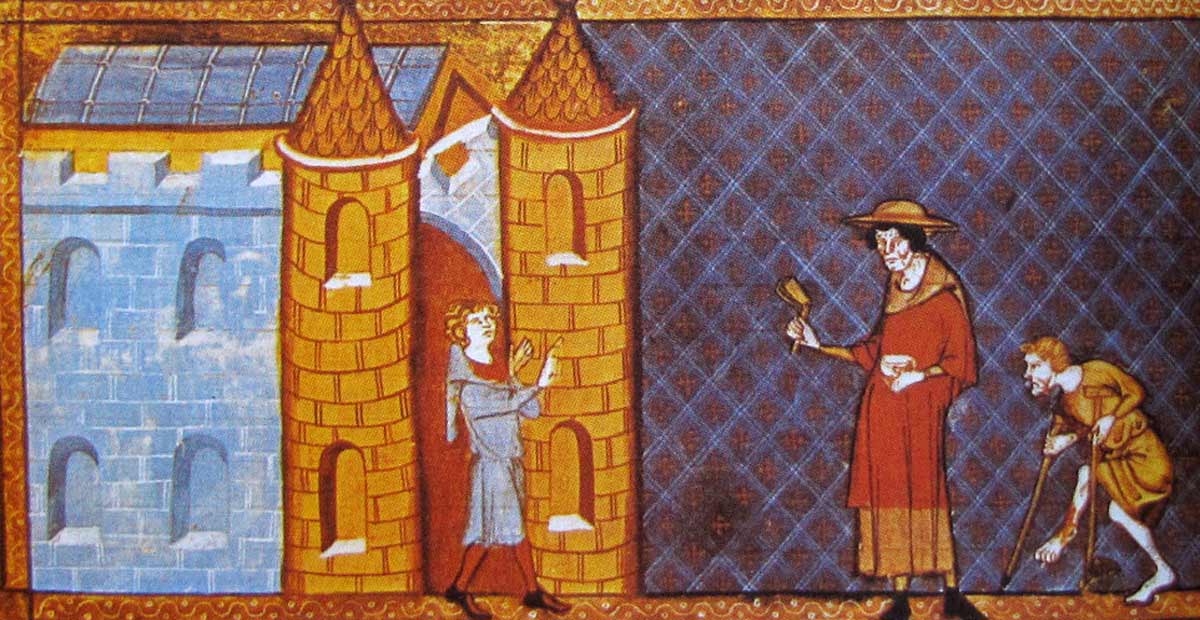
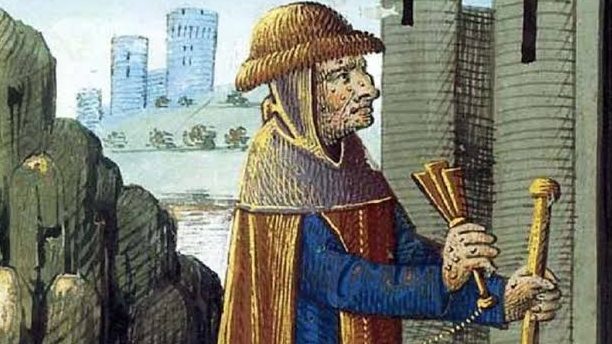
The tension continued in medieval Europe. People with leprosy might be feared or restricted, but Christian communities also provided places of care and worship. Some even regarded those affected as especially close to Christ through their suffering. The familiar picture of everyone with leprosy being driven out of society is misleading; experiences varied widely.
In 1916, those associations surfaced in a British courtroom. The case involved a lodging house and the death of a man affected by leprosy. One lawyer warned that jurors might have learnt to fear the disease from the Bible as children. Another said four jurors had been seen passing a Bible between them and suggested they were looking up Leviticus 13.
The exchange was reported in The Times and later examined by historian Kathleen Vongsathorn. Nobody knows what the jurors actually read. But decades after scientists had identified the bacterium responsible for leprosy, lawyers were still arguing over whether biblical passages had shaped public fears about the disease.
What stigma still costs
Leprosy is now curable with multidrug therapy. It is not spread by everyday contact such as shaking hands, embracing someone or eating together.
Yet someone who fears losing work, being excluded by their community or harming their family’s reputation may decide it is safer to hide their symptoms. Delayed treatment increases the risk of permanent nerve damage and disability.
Education is part of changing those beliefs. It explains how leprosy spreads, why everyday contact is safe and how recognising symptoms early can prevent disability. It also challenges the idea that leprosy is a punishment or a reason to reject someone, a belief reinforced by some interpretations of Scripture.
For centuries, leprosy was associated with ideas of uncleanness, exclusion and punishment. Although the disease is now curable, those beliefs still contribute to stigma today.
Yet the Bible contains another image as well: a man asking to be made clean, and Jesus reaching out to touch him rather than turn away.
Medicine can cure leprosy. Ending stigma depends on which legacy we choose to follow.
For more stories like this, you can browse our full collection here!