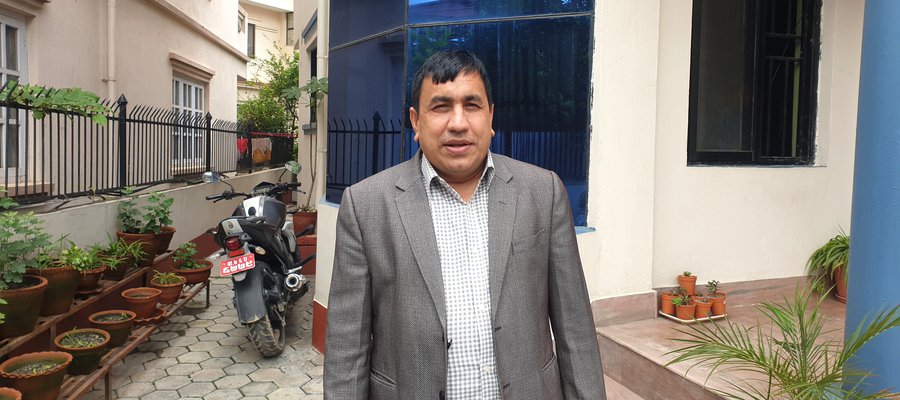
Amar Timalsina once lived on the margins of Nepali society. This month, he helped bring together government leaders, global organisations and advocates in a gathering that reflects a quieter shift in who is heard and who leads.
NEPAL: March 2026
In a hotel conference room in Kathmandu this month, a government minister stood and said, plainly, that discrimination against people affected by leprosy must end.
It is the kind of statement that sounds inevitable until you understand how recently it would have been unthinkable.
The ballroom of the Yellow Pagoda Hotel was filled with government officials, legal representatives, international organisations and civil society groups gathered for the 28th International Day of Dignity and Respect. Representatives from the World Health Organization and the Nepal Law Society sat alongside NGOs, INGOs, media, and people affected by leprosy, many of whom have historically been excluded from these spaces. The event was coordinated by the Association for Investment for Development Empowerment and Awareness (IDEA), Nepal.
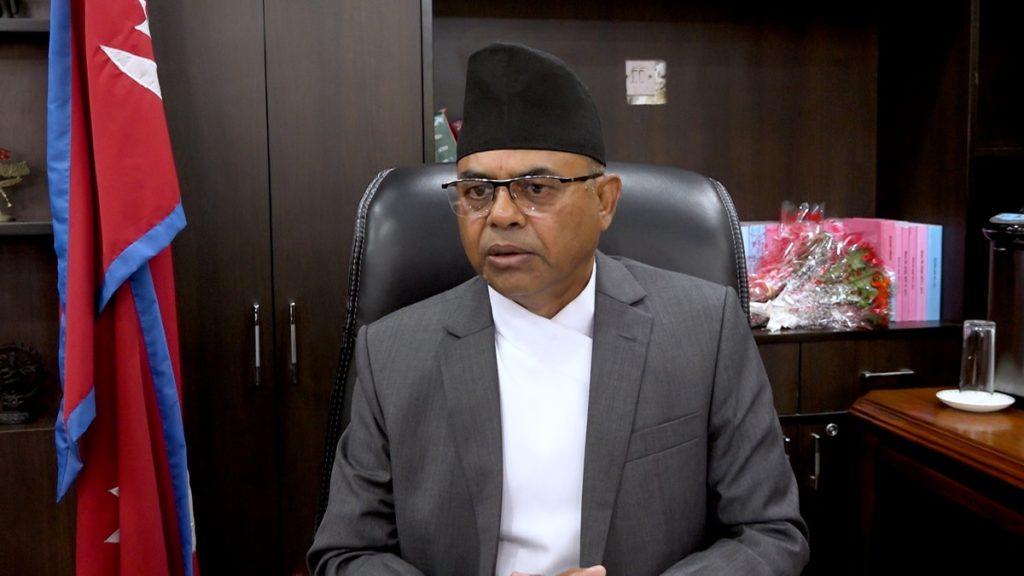
When Hon. Anil Kumar Singha, Nepal’s Minister of Law, Justice and Parliamentary Affairs, addressed the audience, he reaffirmed the government’s commitment to protecting the dignity and rights of people affected by leprosy.
In another context, it might have sounded routine.
In Nepal, it carried weight.
A long history, shifting ground
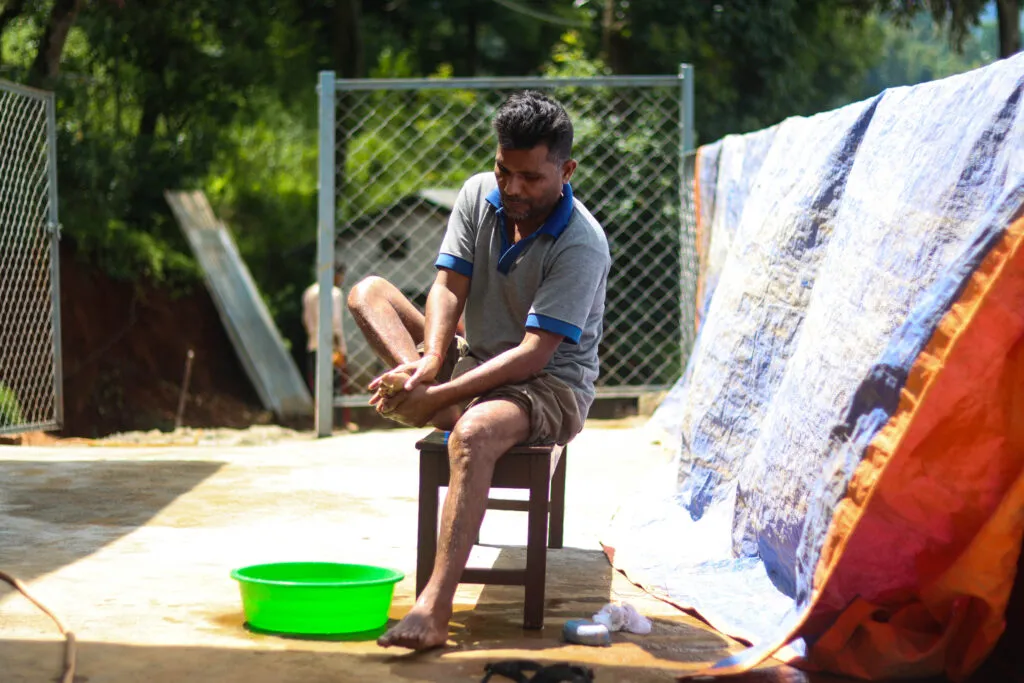
For decades, leprosy in Nepal has been associated not only with illness, but with stigma that shaped where people could go, what they could do, and how they were seen, even after treatment.
The gathering in Kathmandu did not mark a formal policy shift. There were no legislative announcements.
But it reflected something more consequential: a widening of who is present in these conversations, and who is able to influence them.
Once silenced, now heard
At the centre of the event was Amar Timalsina, an advocate with lived experience of leprosy who has spent years working to bring those perspectives into national and international forums.
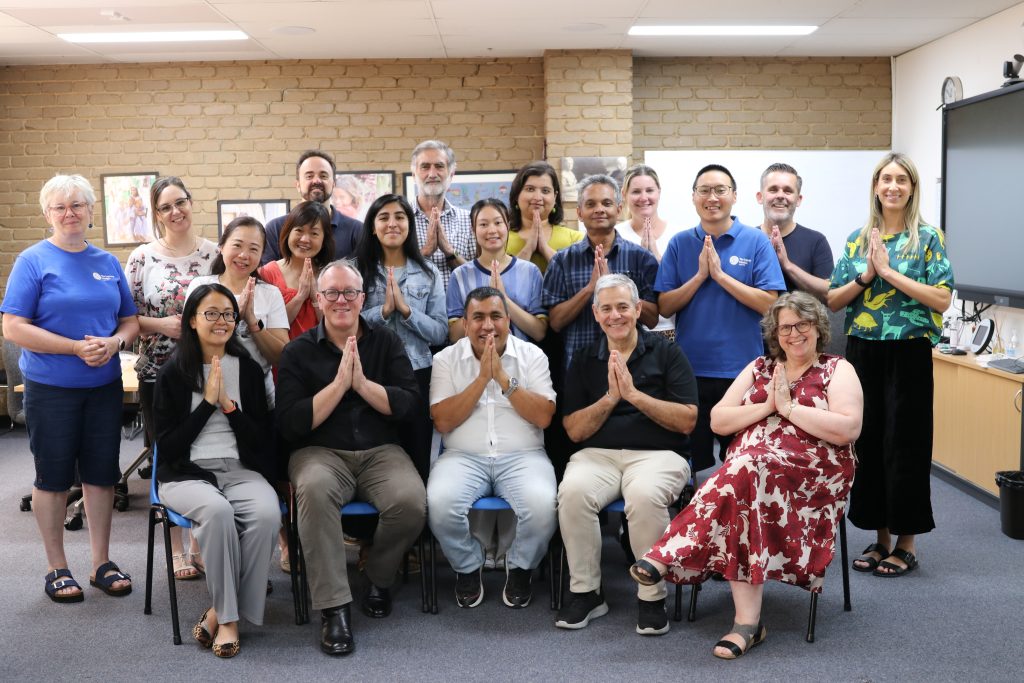
As a child, Amar was excluded from school and distanced from his community following his diagnosis. The stigma surrounding the disease shaped not only how others saw him, but what opportunities were available to him.
Today, his role is markedly different.Through his leadership with the International Federation of Anti-Leprosy Associations (ILEP) Nepal and his broader advocacy work, he has helped build connections between community groups, policymakers and international organisations. The event on March 11 was one outcome of that work, bringing together actors who do not always operate in the same spaces, but whose decisions collectively shape the lives of people affected by leprosy.
When lived experience becomes leadership
The program itself reflected that intersection.
Ten individuals were recognised for their contributions to reducing stigma and discrimination, including several people whose authority stems from their own lived experience. Delegates from South Korea and India were also honoured, pointing to the increasingly global nature of advocacy efforts in this area.
The event also received national media coverage and was broadcast more widely, extending its reach beyond those present and into public conversation.
Throughout the day, people affected by leprosy were not positioned solely as recipients of care, but as participants shaping the discussion.
It matters because stigma does not begin to shift until those most affected are visible, credible, and able to influence the conversations that shape their lives.
There were no sweeping announcements that day. That is often not how change like this happens.
Why this approach works
This kind of progress has drawn increasing attention within international development.
A recent report by the Australian Council for International Development highlighted the role of smaller, community-connected organisations in delivering long-term outcomes in complex environments, particularly where progress depends on trust, local knowledge and sustained engagement.
Large-scale funding remains essential, especially for infrastructure and national systems. But where challenges are shaped by stigma, exclusion and deeply embedded social norms, change is often driven differently.
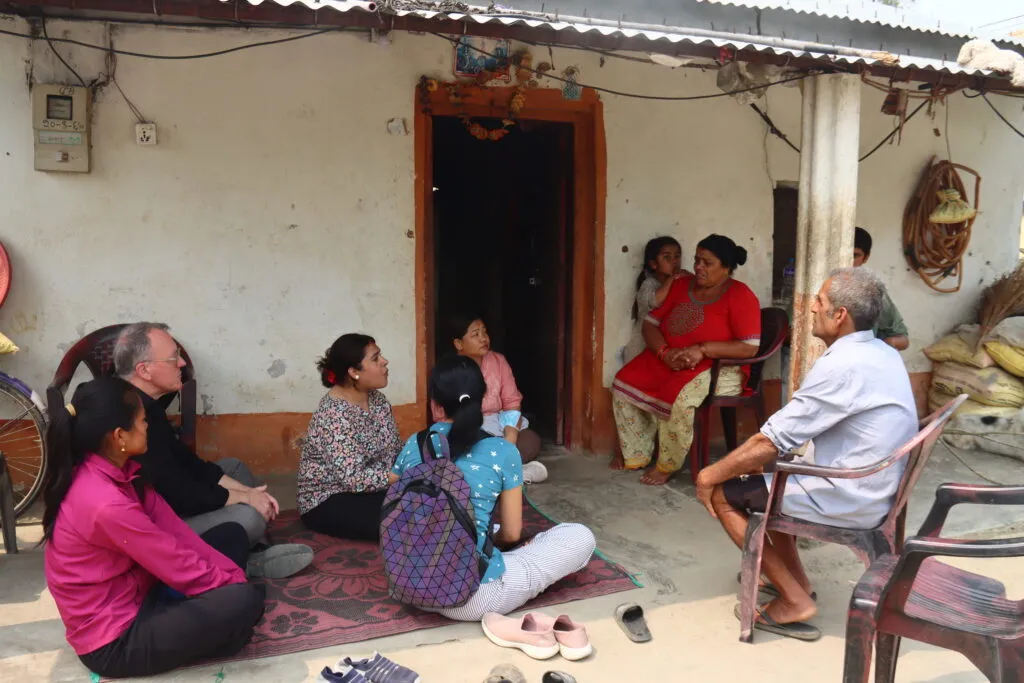
It happens through relationships. Through credibility built over time. Through people who understand both the system and the lived reality within it.
This is the space where organisations like The Leprosy Mission, and advocates like Amar, have long been working.
In those contexts, change is not imposed from the outside. It is built from within.
What this moment represents
For Amar, that work has meant moving beyond sharing his personal experience to helping shape the conditions in which others are heard.
His influence now extends to convening discussions, connecting stakeholders, and contributing to how leprosy is understood at both national and international levels.
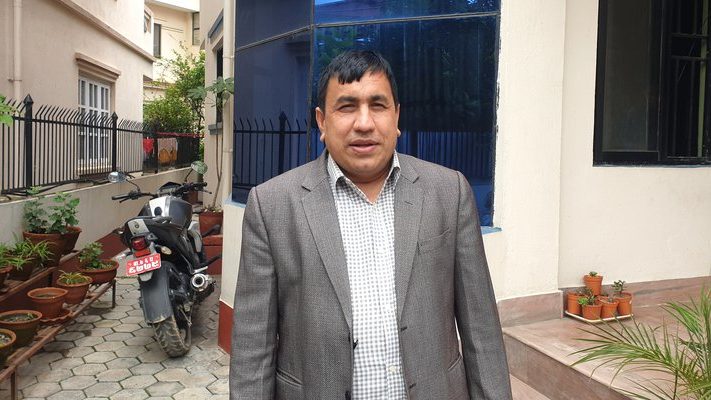
It is a different kind of authority, less visible than formal office, but increasingly consequential.
And it is worth paying attention to the role he is now playing within it.
His influence is no longer limited to sharing his story. He is helping set the agenda, bringing together policymakers, legal voices, and international organisations, and ensuring that conversations about leprosy are informed by those who have lived it.
Because advocacy at this level is not simply about being present. It is about being heard, taken seriously, and having the credibility to move conversations forward.
Amar has reached that point.
What he is building now will shape what comes next.
For more stories like this, you can browse our full collection here!