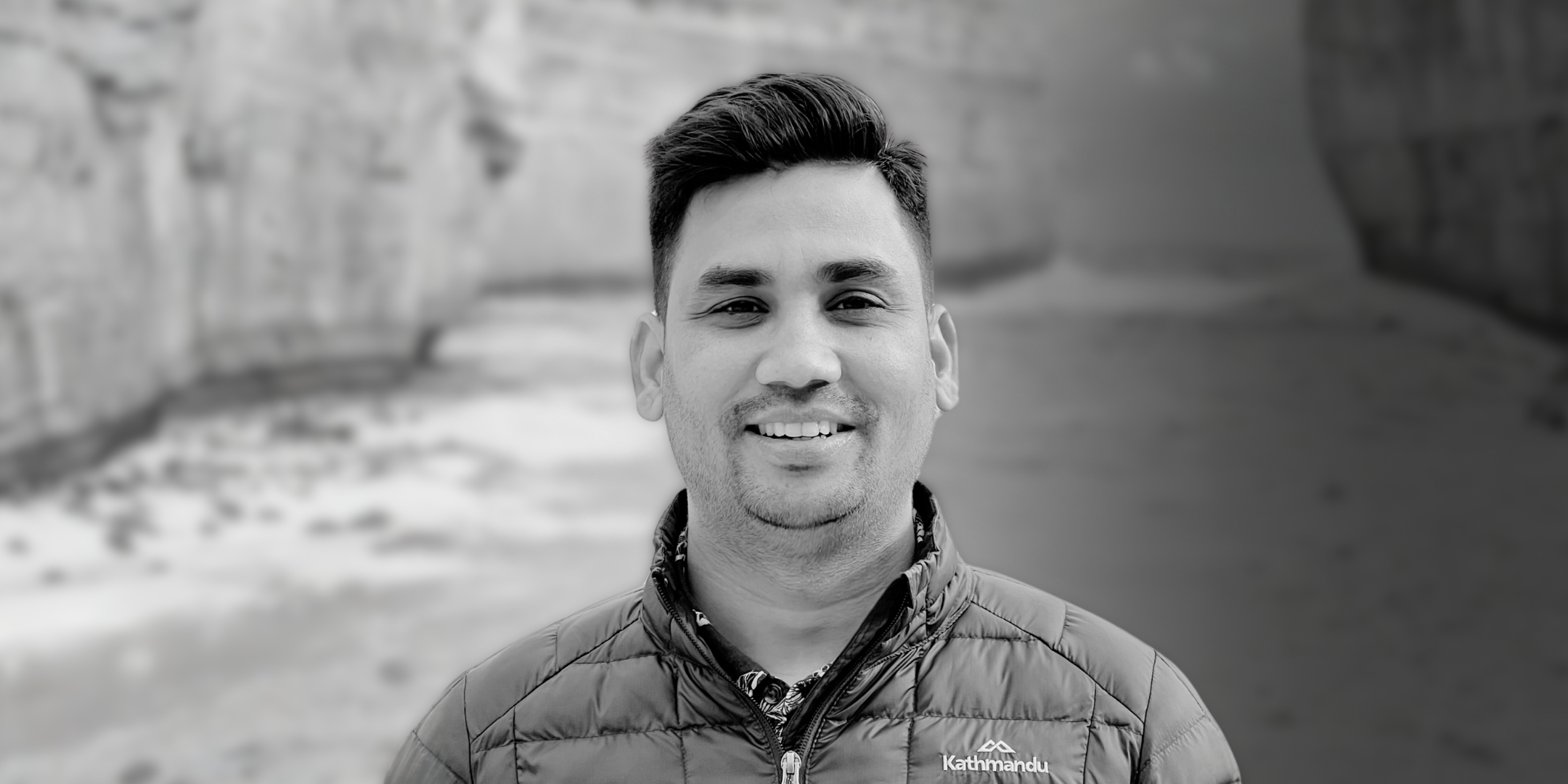
Working between Australian funding systems and communities in Nepal, Santosh Nepali believes locally led development begins by listening. His work explores what meaningful development looks like when the people closest to a challenge are trusted to shape the response.
Over four weeks, Santosh Nepali travelled through ten districts of Nepal. The geography, cultures and priorities changed from one community to the next. Rather than confirming a single model for development, the journey reinforced a simple lesson: the strongest solutions grow from the people and places they are meant to serve.
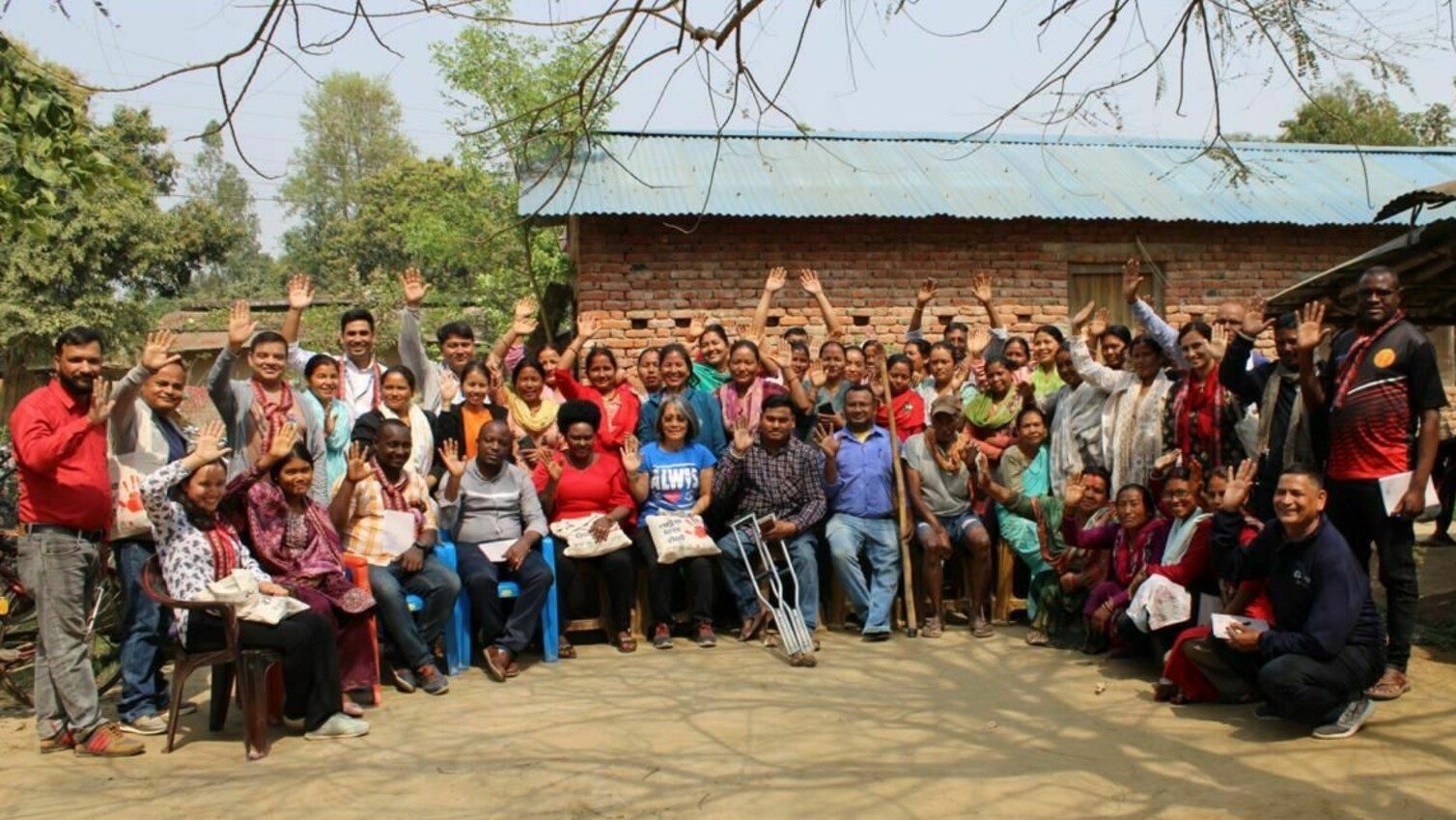
“Rather than merely ticking boxes, we must ensure that their voices are heard,” he later wrote, “and that they are empowered to lead their own advocacy efforts.”
Santosh is the Nepal Programs Manager at International Nepal Fellowship Australia. From Australia, he helps design and oversee community health and development programs delivered with partners across Nepal.
His role requires him to navigate planning, budgeting, reporting and accountability requirements under the Australian Government’s Australian NGO Cooperation Program. At the same time, he works to ensure programs remain grounded in the realities facing Nepalese communities.
With a background in sociology, rural development and humanitarian response, Santosh has spent his career strengthening community health programs. Since joining INF Australia in 2021, he has focused on improving program quality and partnerships.
Behind that professional experience is a deeply personal commitment.
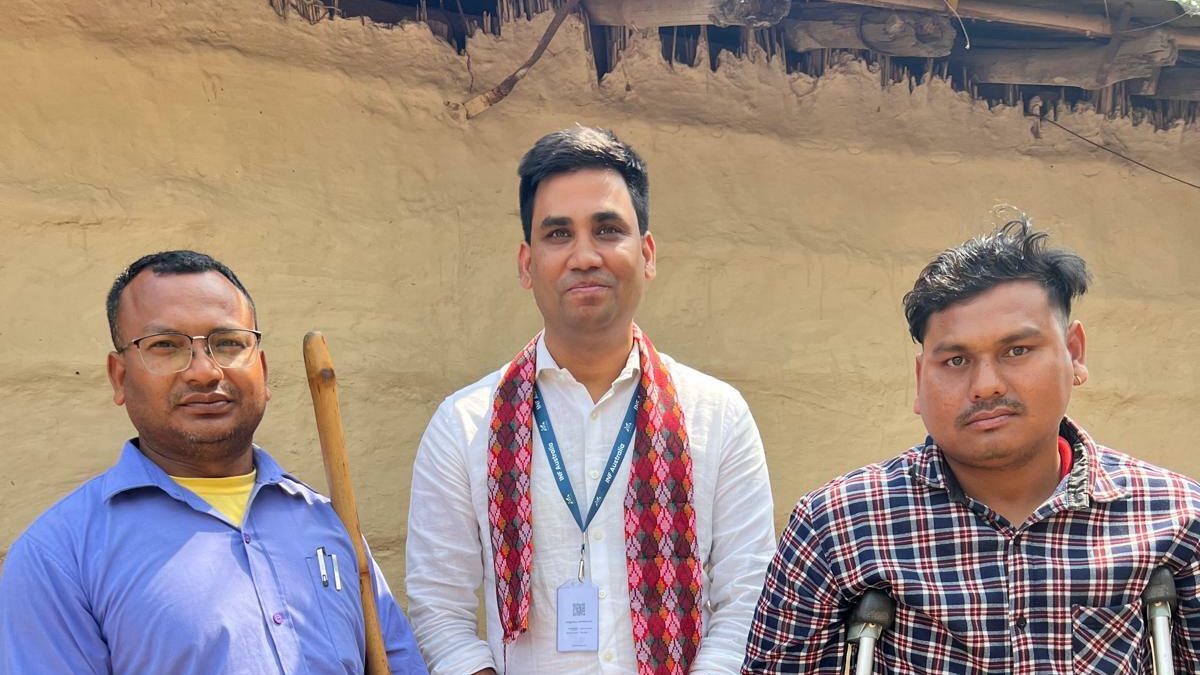
“I always wanted to serve the people in Nepal who are poor and marginalised,” he says. “INF Australia has provided me an opportunity to serve people back in Nepal despite being away from home.”
The work requires careful judgement. Accountability matters: reporting can show whether programs are reaching the people they are designed to support. But poorly designed requirements can also place unnecessary burdens on local teams and unintentionally move decisions further away from the communities those programs serve.
Santosh’s challenge is not to choose between accountability and local leadership. It is to ensure they strengthen one another.
During his field visits, he saw organisations combining their expertise rather than duplicating effort. Local governments helped connect projects with existing services and community priorities. People who had experienced exclusion were supported to influence decisions and advocate for themselves.
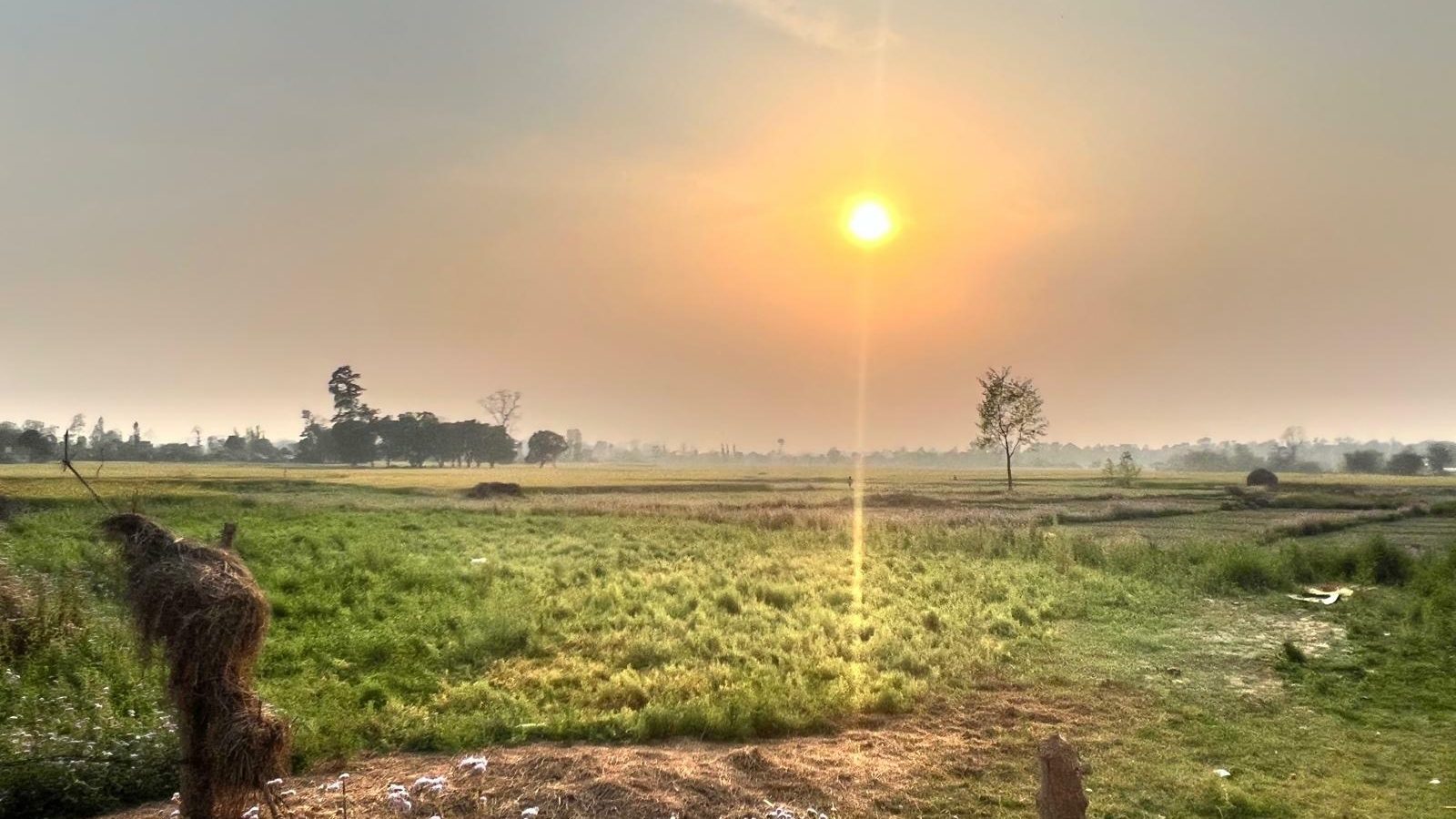
This approach begins with a different view of communities. Instead of defining people by what they lack, it recognises the knowledge, relationships and leadership already present.
These lessons are also central to the work of Leprosy Mission Australia.
Reaching people affected by leprosy depends on cooperation between local organisations, health services, governments, communities and people with lived experience. In leprosy work, listening can determine whether someone is reached at all.
A person may not recognise the significance of an early skin patch. They may fear rejection from family or neighbours, live far from appropriate services or have received inaccurate information about the disease.
People affected by leprosy understand how these barriers operate in daily life. Local health workers know which services are trusted and where referrals break down. Community leaders can identify beliefs that need to be challenged.
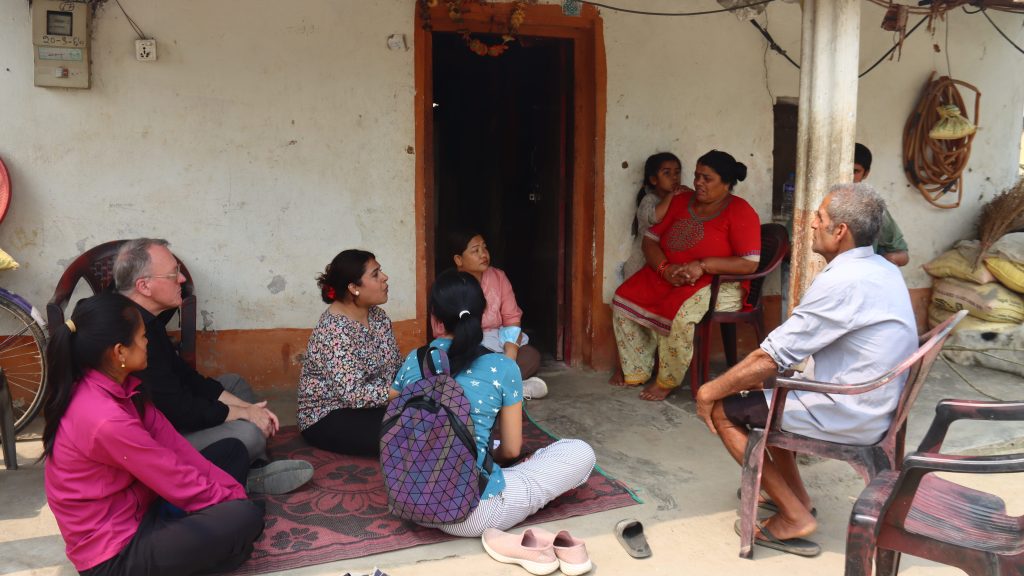
Their knowledge does not replace medical expertise. It helps that expertise reach the people who need it.
Santosh’s Christian faith shapes how he approaches this work. Service, in his view, begins by recognising the dignity and God-given capability of others. Its success is not measured by the prominence of an outside organisation, but by whether people are better equipped to influence their own future.
Santosh believes the strongest idea in the room may not come from the organisation with the resources, but from the people who understand the challenge most closely.
His work brings together the discipline of planning with the humility to adapt when communities identify a better path.
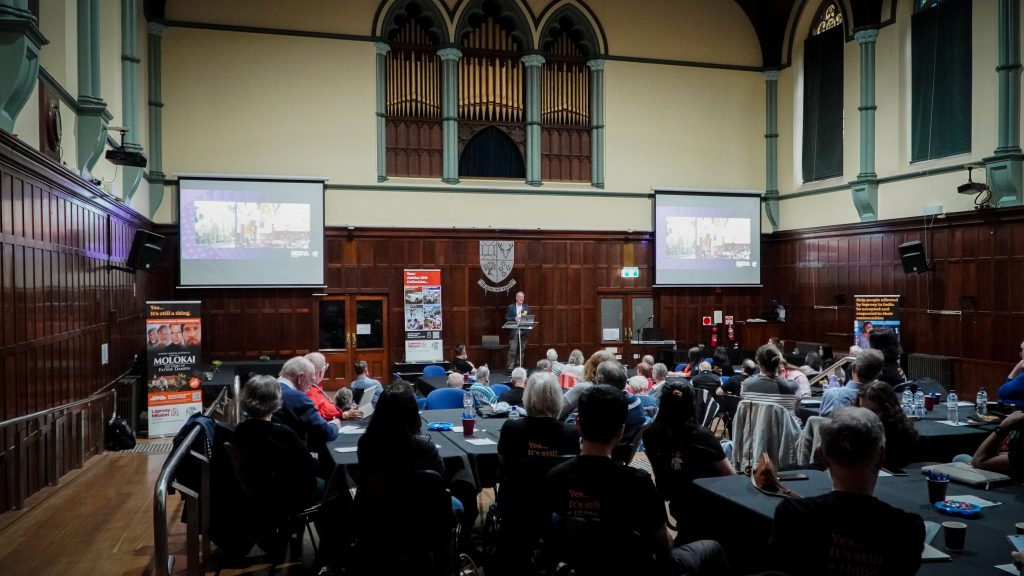
At Leprosy Mission Australia’s Still a thing Conference 2026, Santosh will bring this perspective to a wider conversation about where Christians are needed most and how approaches to development shape the way they respond.
His experience leaves a question that reaches beyond Nepal or any single organisation: when Christians set out to help, are they making enough room for those closest to the challenge to shape what that help becomes?
Still a thing Conference 2026 will be held at Ridley College in Parkville, Melbourne, on 14 and 15 August.
Learn more and register for Still a thing Conference 2026.
For more stories like this, you can browse our full collection here!