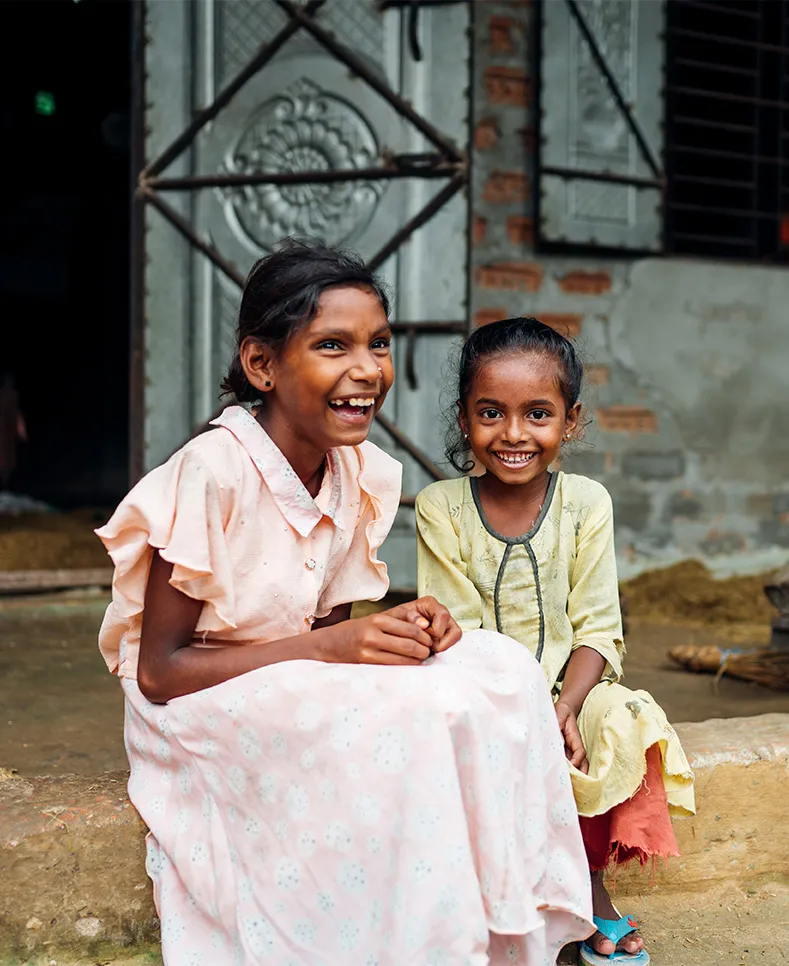
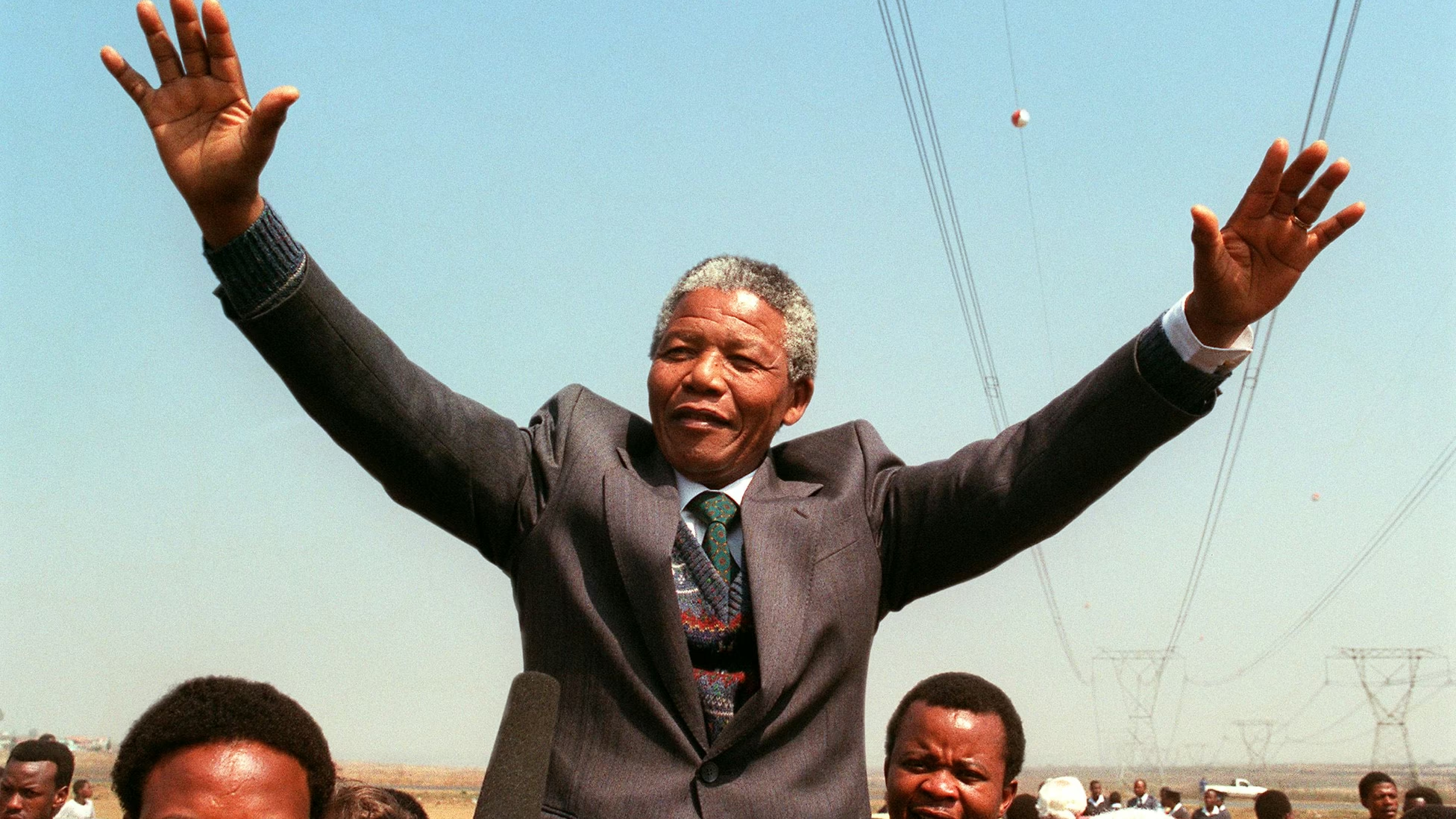
On Mandela Day, Nelson Mandela’s words invite us to consider freedom as something we help unlock for others. For people affected by leprosy, freedom can mean movement, treatment, work, participation, restored dignity and the chance to live without being reduced by fear.
Freedom beyond the prison walls
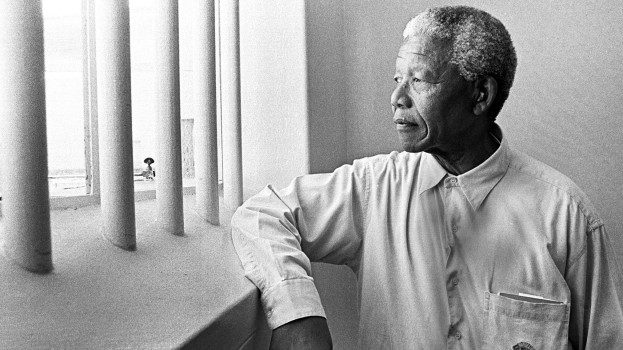
Freedom is often imagined in dramatic terms: a prison door opening, a law overturned, a man walking into daylight after 27 years. Nelson Mandela’s life gives the word that kind of weight. Each year on 18 July, Mandela Day returns us to the great public language of liberation: freedom from apartheid, freedom from imprisonment, freedom from the machinery of a state that tried to decide whose humanity counted.
But Mandela’s own understanding of freedom was more demanding than release alone. In Long Walk to Freedom, he wrote: “For to be free is not merely to cast off one’s chains, but to live in a way that respects and enhances the freedom of others.”
That second part is the challenge.
Freedom, in Mandela’s hands, was not something a person received and then kept privately. It pressed outward, asking what kind of world people were willing to build once the chains were gone.
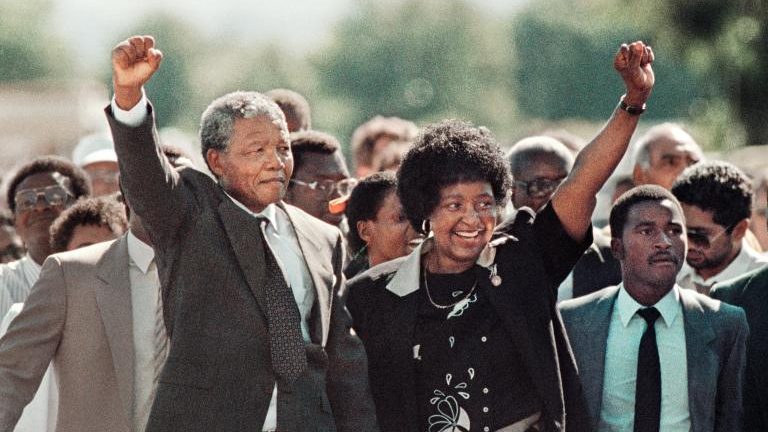
For people affected by leprosy, freedom can be measured concretely: receiving treatment early, returning to work, moving without pain and making decisions about one’s own life.
Leprosy is curable. Early diagnosis and multi-drug therapy can stop the disease and often prevent disability, but treatment alone cannot restore everything that has been lost.
Many people also need surgery, rehabilitation or specialised footwear, alongside support to return to work and community life. They may also need freedom from the fear and stigma that have surrounded leprosy for centuries.
The freedom stigma takes
For people affected by leprosy, stigma shapes everyday life. It can determine whether someone seeks treatment early, returns to work or is welcomed back into community life. Far from being just an attitude, it becomes a practical barrier to freedom.
It may restrict the freedom to be touched without hesitation, to work without suspicion, to enter a clinic before damage is done, and to be known as more than a diagnosis.
Stigma narrows the space around a person. It can make the world smaller at the very moment when treatment should be making life possible again.
Mandela once said, “To deny people their human rights is to challenge their very humanity.” He was speaking in the context of apartheid, but the moral force of the sentence travels. Human rights are weakened when people cannot access health care, when preventable disability is allowed to deepen, when poverty delays treatment, and when fear teaches communities to treat people as less than whole.
Enhancing another person’s freedom may mean helping care reach them sooner, supporting recovery after treatment, or challenging the fears that keep people isolated.
When disease becomes a boundary
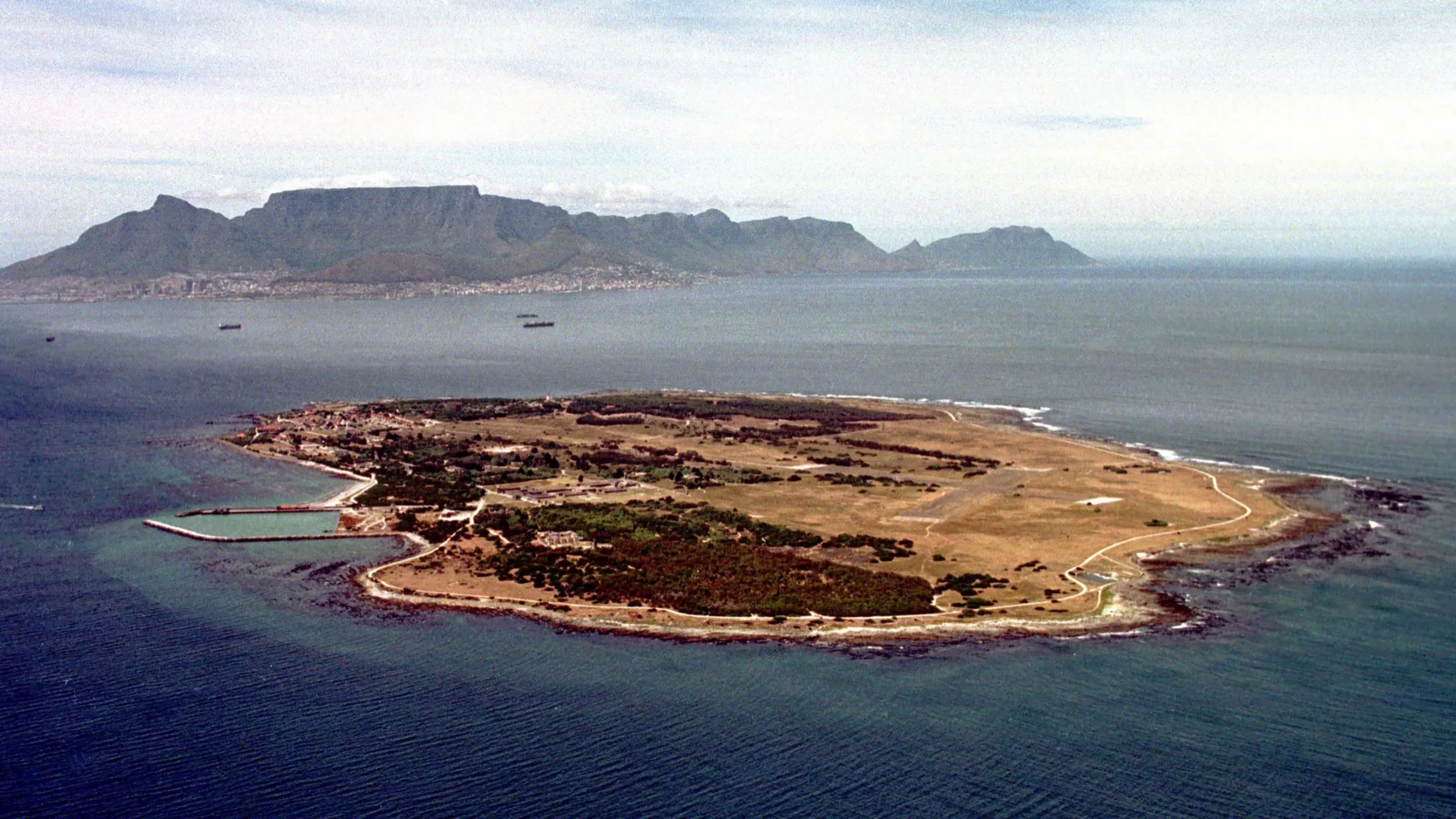
Robben Island gives this reflection a particular weight.
Most people know Robben Island as the prison where Mandela spent 18 years under apartheid – a place built for confinement that became a symbol of resistance. Less well known is its earlier history as a place of forced isolation for people affected by leprosy.
That isolation became law with the Leprosy Repression Act of 1891, which required segregation in the Cape Colony and made Robben Island its only leprosarium by 1892.
The island held people whose illness had been turned into a boundary. Their bodies were treated as a reason for removal. Their freedom of movement, family lives, choices and place in the community were shaped by fear and administered by policy.
There were moments of resistance there too. In 1892, men affected by leprosy petitioned against the Leprosy Repression Act and the conditions under which they were forced to live. The following year, women affected by leprosy went on strike. People affected by leprosy were never only figures to whom history happened. They argued, organised and claimed their right to care, family, community, respect, work and a say in the conditions of their own lives.
Justice with concrete content
When Mandela declared Robben Island a national monument and museum in 1997, he spoke about memory as an obligation to the future.
Ideals, he said, needed “concrete content” if they were to have meaning. They had to appear in the real conditions of people’s lives: access to justice, clean water, adequate health care, shelter and the ability to participate in society.
For people affected by leprosy, Mandela’s phrase “concrete content” means timely treatment and the support to rebuild an ordinary life.
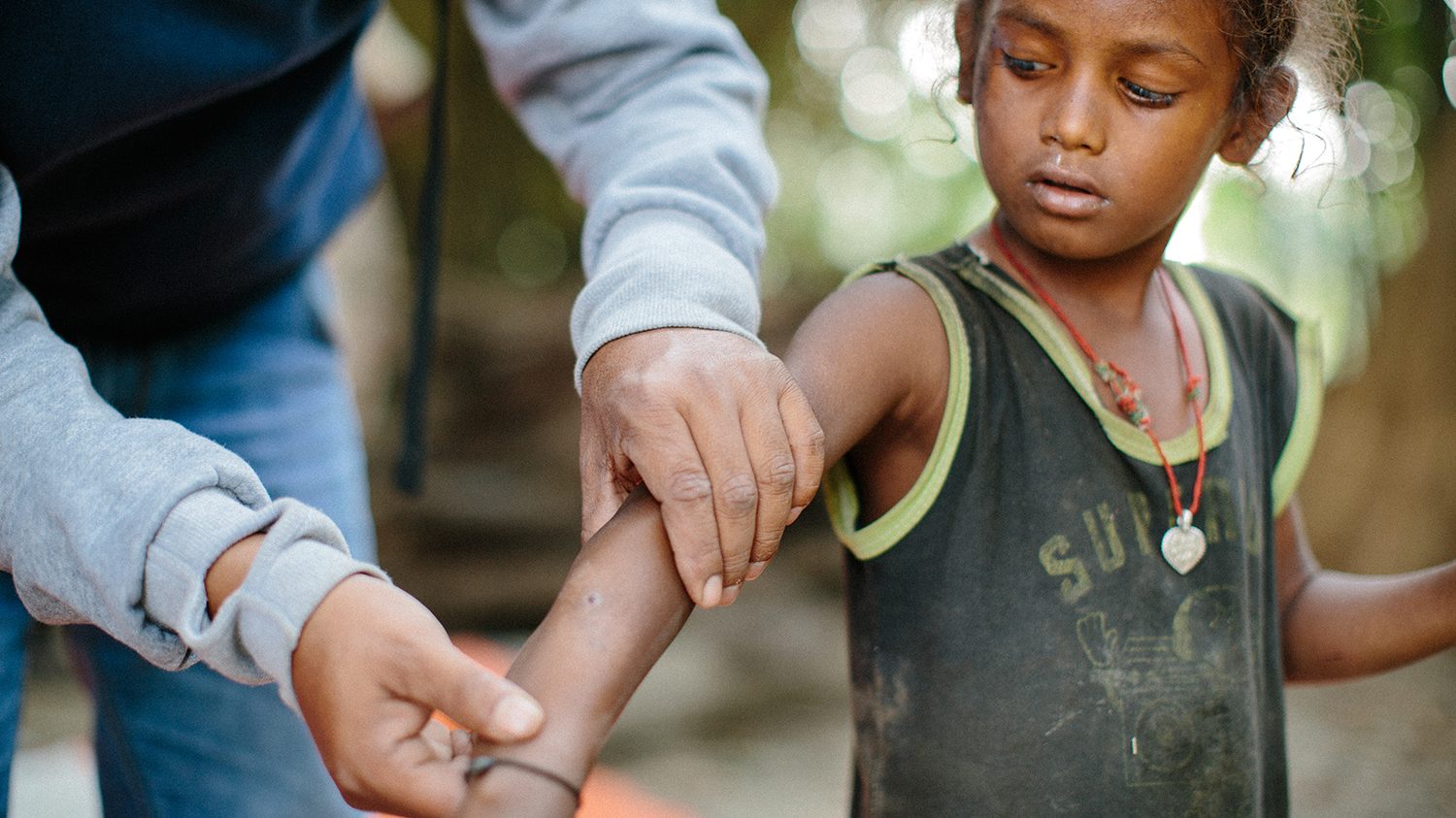
Through partners around the world, Leprosy Mission Australia helps people affected by leprosy access treatment, care and the support they need to live full lives. A cure can stop the disease. Practical care, education and inclusion help restore the life around it.
The unfinished call of Mandela Day
Mandela Day can easily become a day of quotations. But Mandela’s life resists admiration that does not ask anything of us.
Robben Island remembers confinement. It also remembers resistance. Its history of leprosy isolation shows what can happen when fear is given authority, while the petitions and protests of people affected by leprosy remind us that those pushed aside have never been without voice.
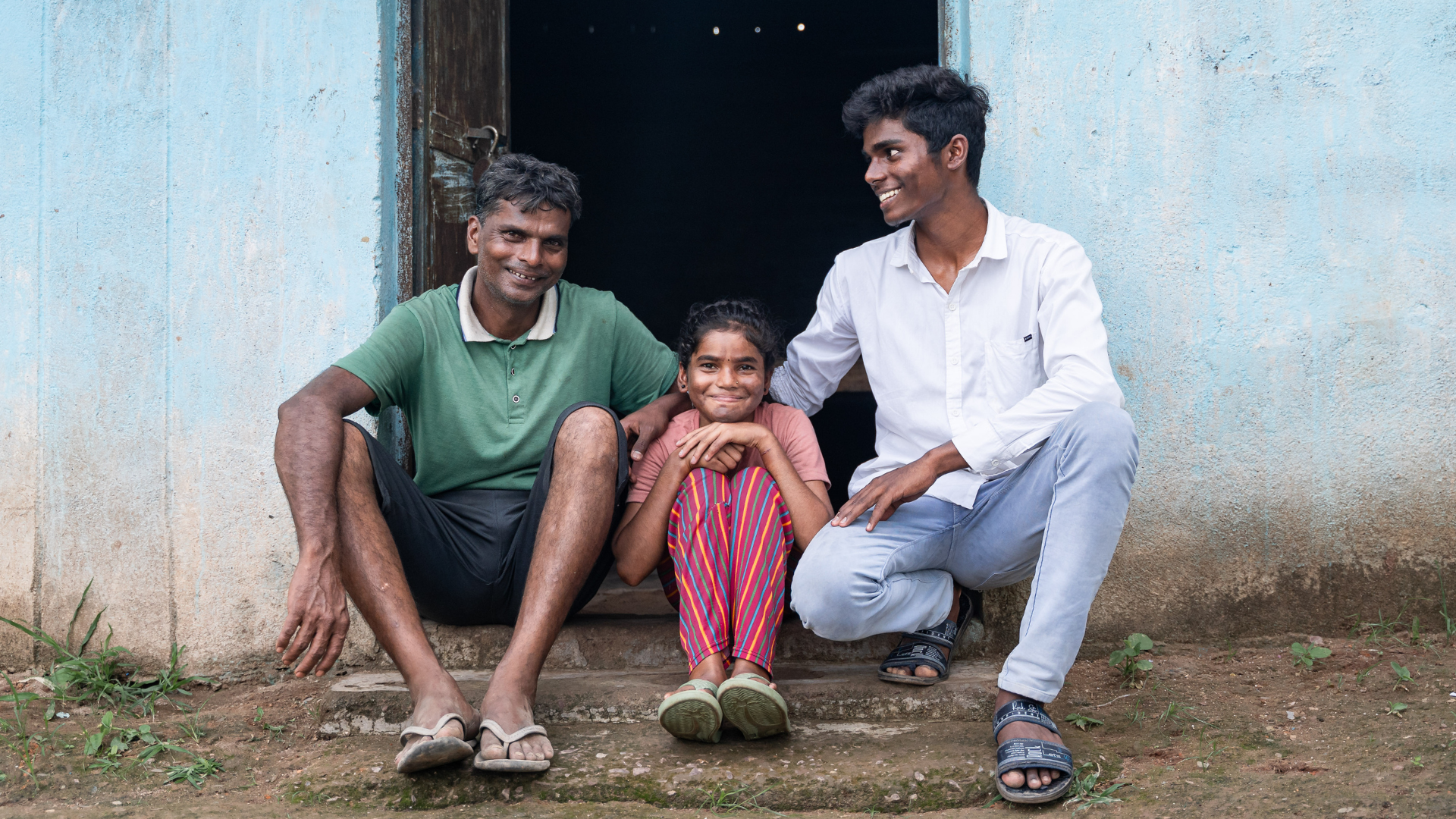
If freedom means living in a way that respects and enhances the freedom of others, then the work of ending leprosy is part of Mandela Day’s unfinished work.
That work looks like care that reaches people early, truth that breaks through stigma, and communities where no one is made smaller by a curable disease.
For more stories like this, you can browse our full collection here!