A landmark Supreme Court ruling removes leprosy as grounds for annulment, marking a major step toward dignity and equality for people affected by the disease.
The First Signs
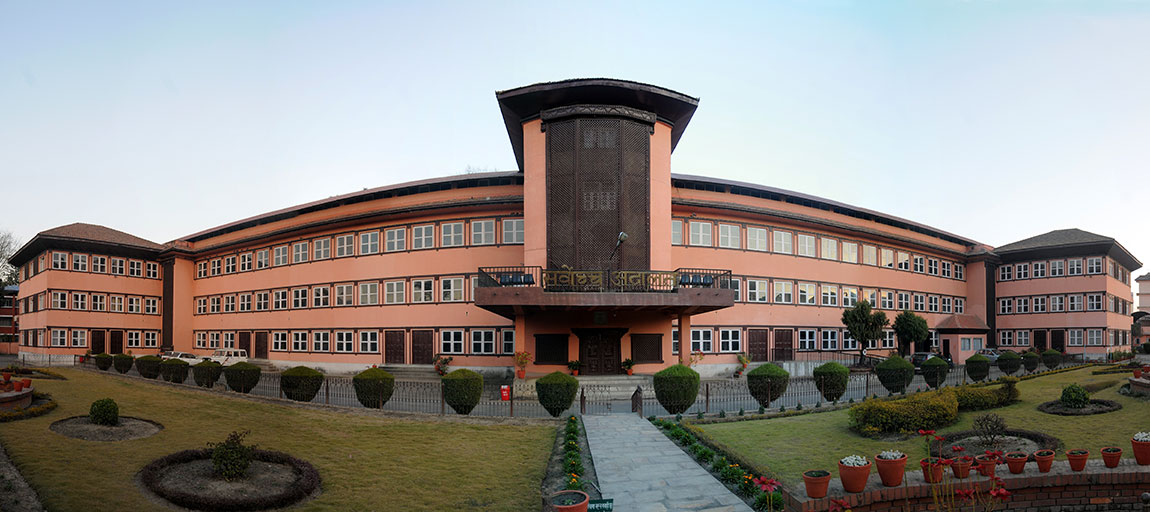
Nepal’s Supreme Court has struck down a law that allowed marriages to be annulled if one partner had leprosy, in a significant move against long-standing discrimination.
The ruling, delivered on 27 April 2026, removes provisions in the country’s Civil Code that treated leprosy as grounds for invalidating marriage, despite the disease being entirely curable.
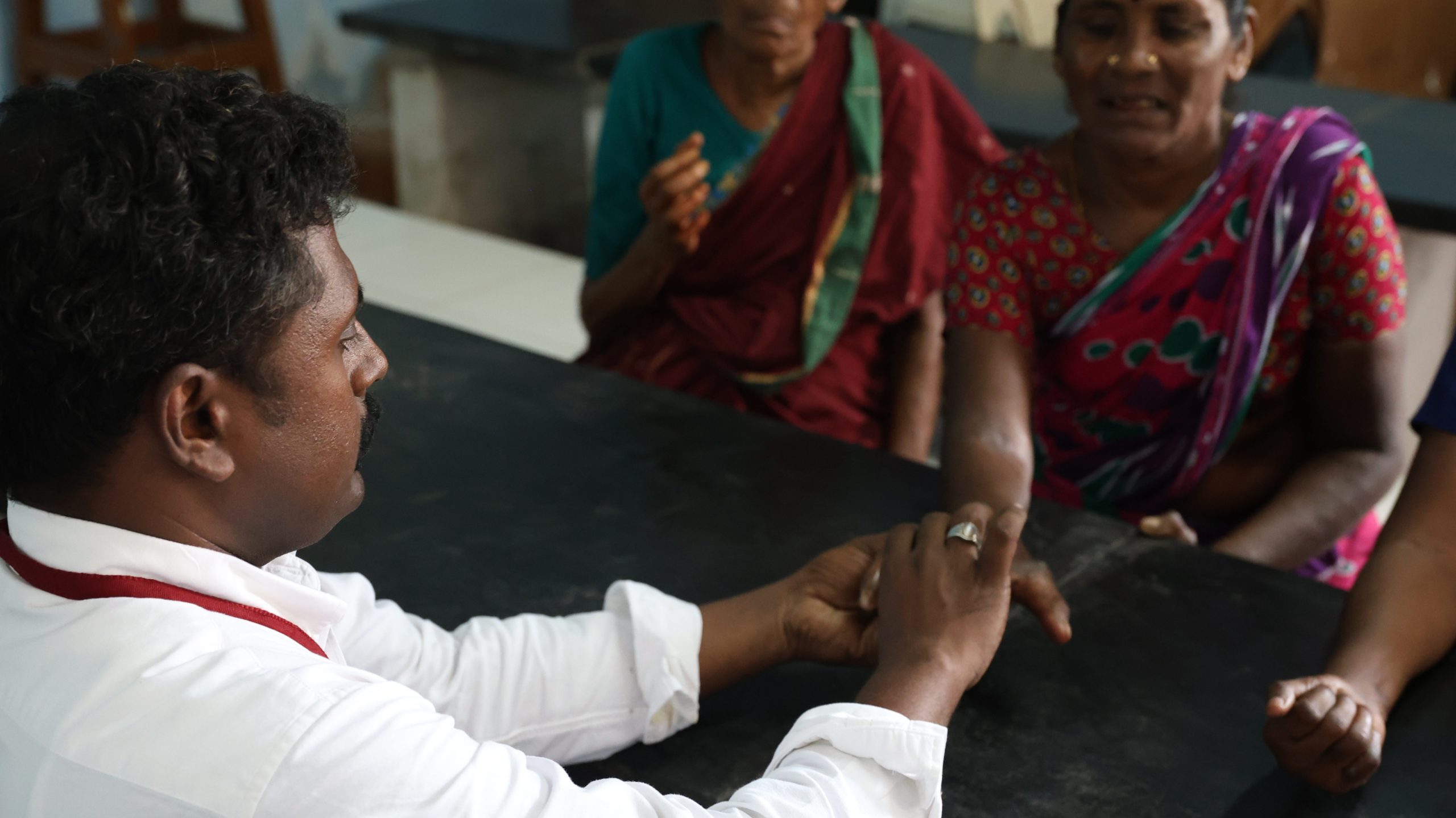
For decades, laws like this have reflected and reinforced stigma, shaping how people affected by leprosy are treated within families and communities.
“This decision marks a powerful step toward restoring dignity for people affected by leprosy,” said Shovakhar Kandel, Country Director of The Leprosy Mission Nepal.
“Laws like this have reinforced stigma for far too long.”
The decision follows years of sustained advocacy by organisations, legal experts, and people affected by leprosy working to challenge discriminatory legislation and promote equal rights.
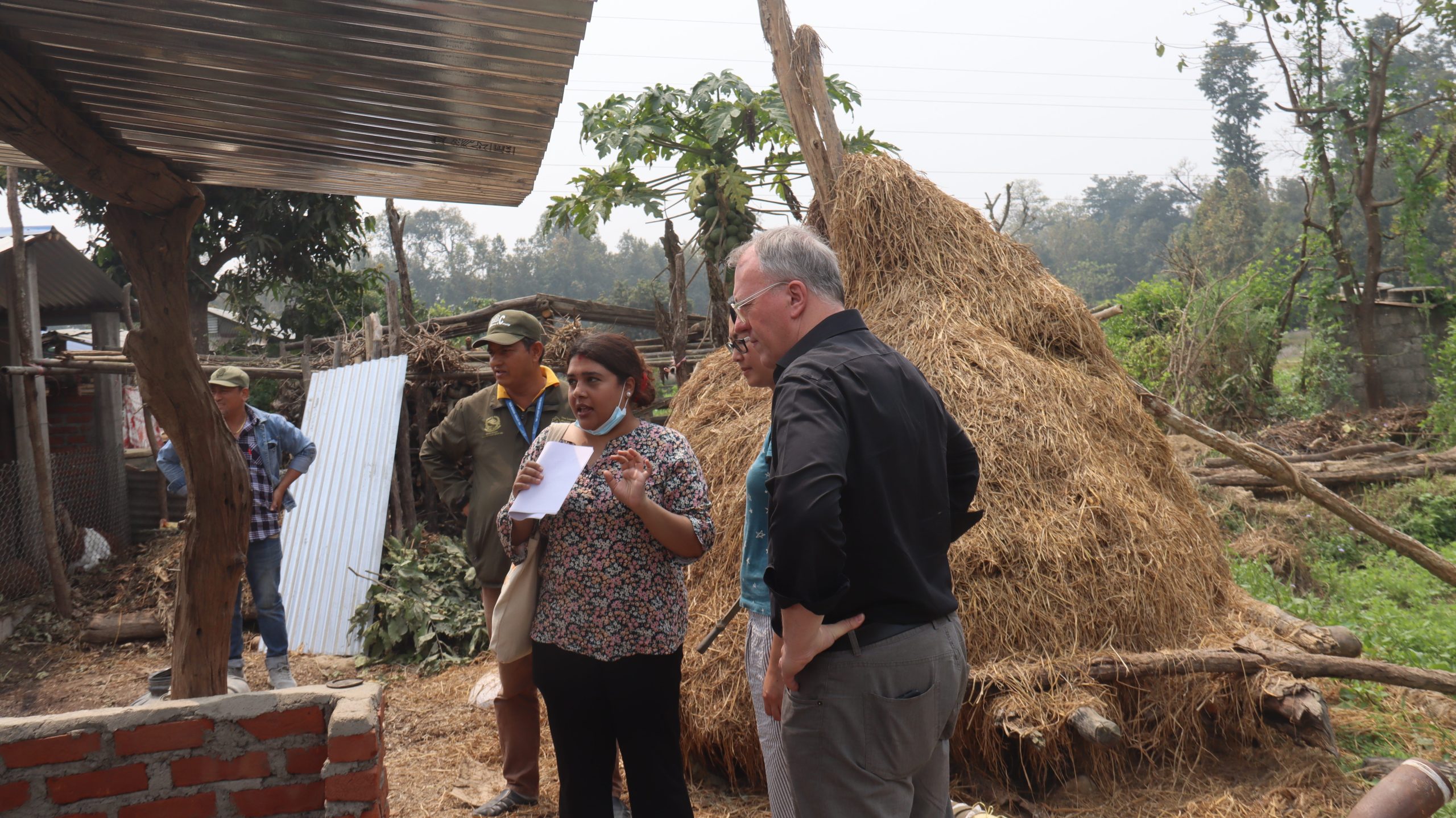
“This outcome reflects years of persistent effort,” Kandel said. “It is a shared achievement.”
Greg Clarke, CEO of Leprosy Mission Australia, described the ruling as long overdue.
“I can hardly believe that this had to go to the Supreme Court of Nepal in order to overturn such a cruel law, but it is a very welcome development” he said.
“There is still a huge amount of work required to overturn the millennia of stigma that people with leprosy have suffered.”
A lived reality behind the law
For many, the impact of such laws has been deeply personal.
Amar Timalsina, who was diagnosed with leprosy as a child, experienced the effects of stigma long after he was cured.
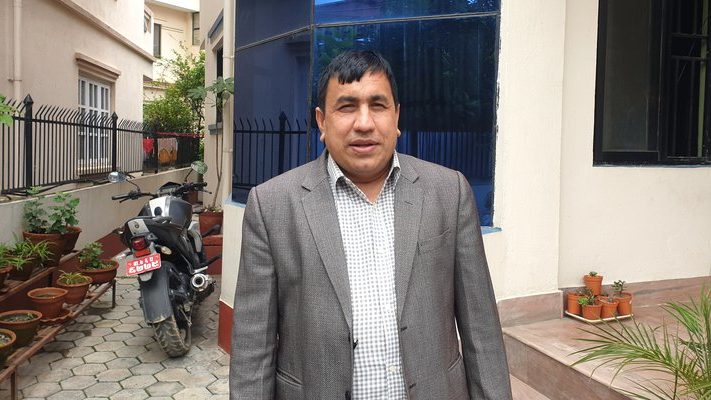
Growing up in rural Nepal, Amar was excluded from school, avoided by his community, and separated from those closest to him. Years later, his marriage ended when his wife learned of his past diagnosis.
His experience reflects a broader reality. Across many regions, people affected by leprosy have faced barriers to education, employment, and relationships—often driven by fear and misunderstanding.
More than a legal change
Advocates say the ruling is an important milestone, but not the end of the journey.
While legal reform removes one barrier, stigma continues to delay diagnosis and limit access to care, particularly in communities with fewer medical resources.
“Early diagnosis and proper rehabilitation remain major challenges,” Amar said.
“Humanitarian support is needed more than ever.”
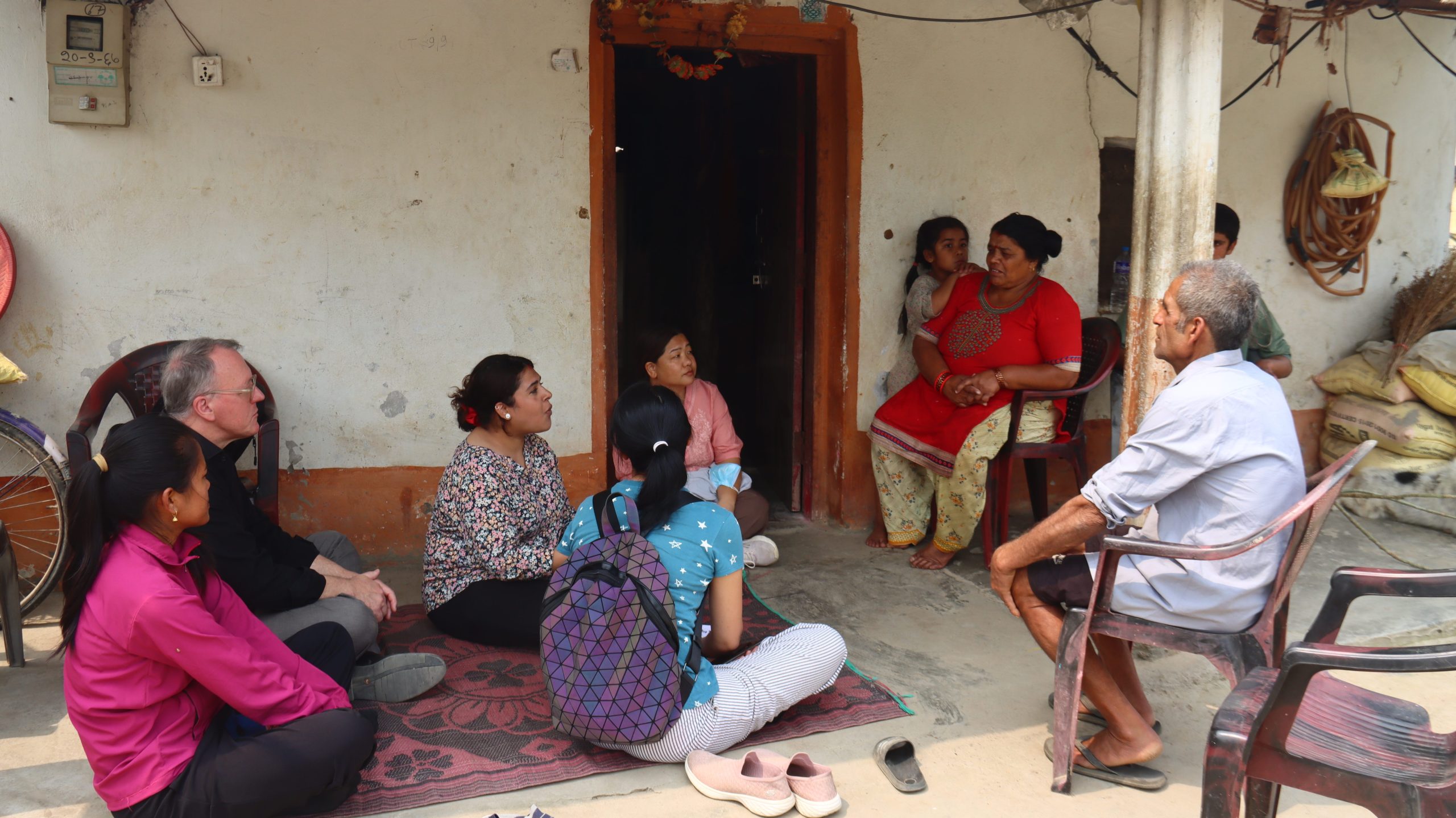
Globally, a new case of leprosy is diagnosed approximately every two minutes, yet awareness of the disease remains low in many parts of the world.
Looking ahead
The repeal of Nepal’s marriage law sends a clear message: people affected by leprosy have the same rights and dignity as anyone else.
For organisations including The Leprosy Mission Nepal and The Leprosy Mission Australia, the focus now turns to ensuring that legal progress is matched by lasting social change, so that no one is excluded or defined by a disease that can be cured.
Support for this work remains critical. To help continue efforts in Nepal, donate today.
For more stories like this, you can browse our full collection here!