Do you know anyone who doesn’t wear shoes?
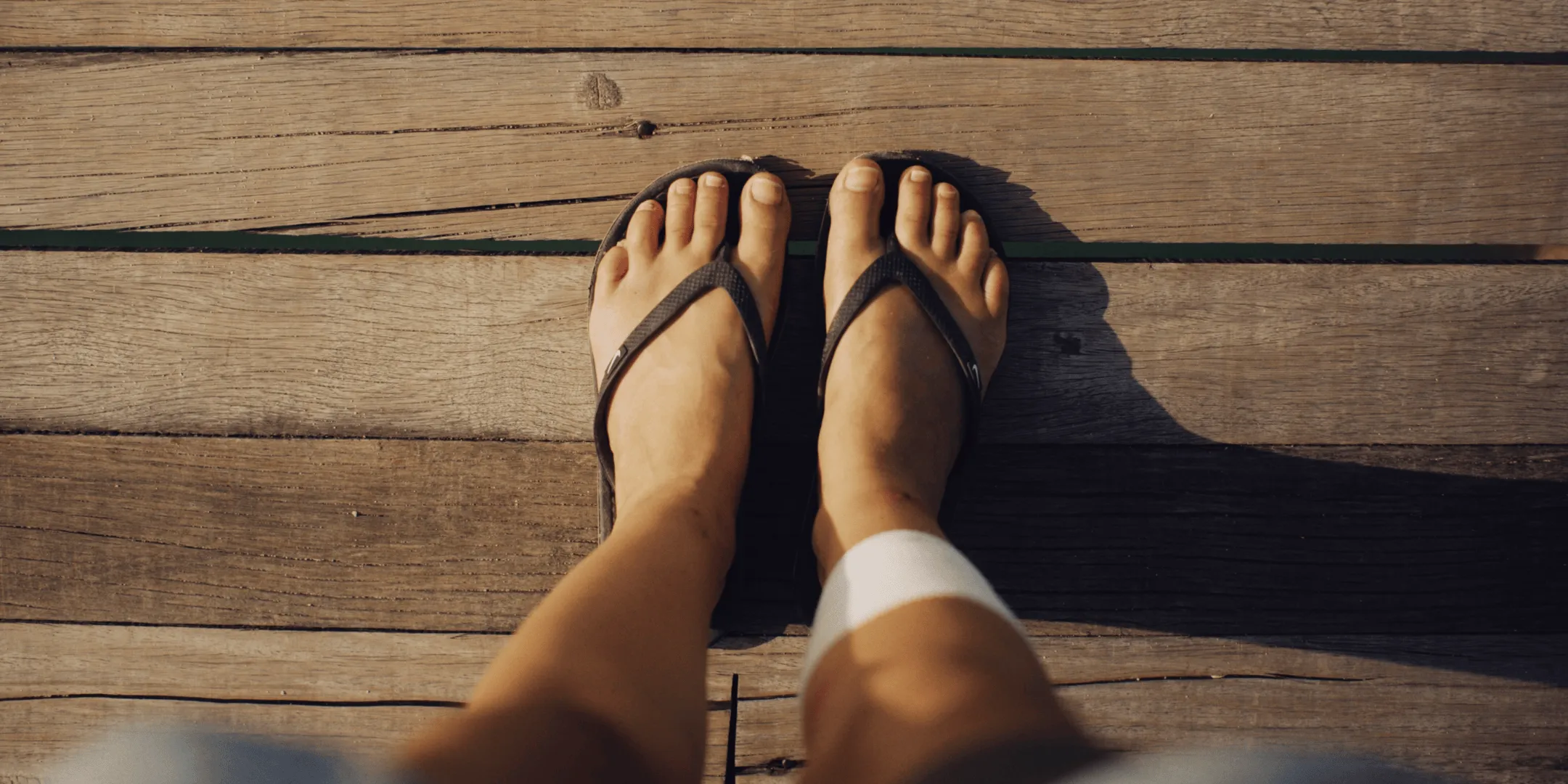
And I don’t mean thongs or flip flops; pluggers or sliders; chappals or tsinelas. In Australia, thongs are a summer fashion. These lightweight rubber thongs, which now come in multiple colours, and sometimes even platform soles, are a major feature of an Aussie summer.
However, for many others living around the world, protective shoes are their only choice of footwear. Flip flops, great as they are, do not give much protection to feet. That was never their purpose. They are predominantly an easy slip on to enjoy walking along the beach or hot pavements in summer.
You might be asking, what are protective shoes and why are they important?
Well, protective shoes are particularly important for those who have leprosy ulcers on their feet. You may remember Kumar. He was only 18 when he first noticed skin patches on his leg. He didn’t take too much notice at first, but gradually over a decade, these unobtrusive patches had become a full size ulcer on his foot…and that ulcer became a diagnosis. He had leprosy. This was close to a death sentence for a young man.
He told The Leprosy Mission team who were supporting him that he had loads of friends before the ulcers started appearing.
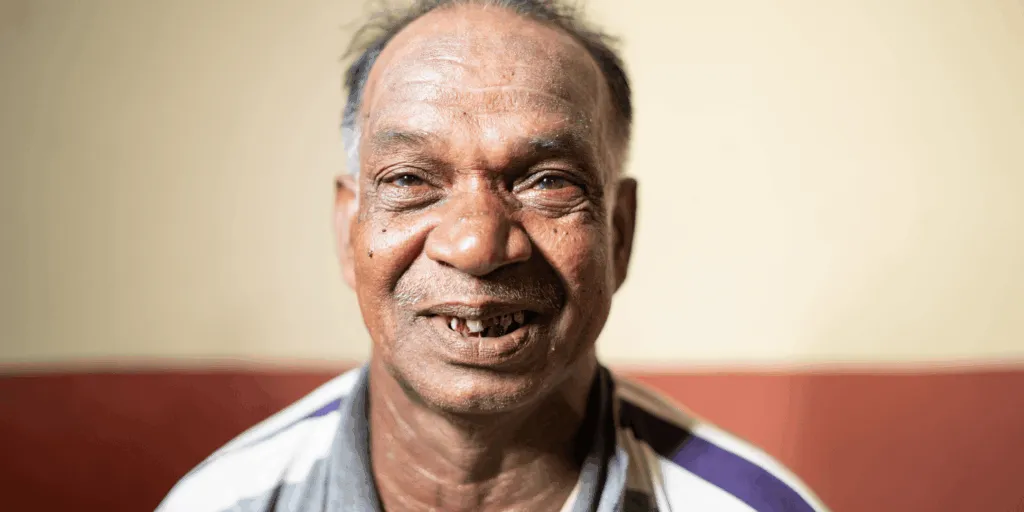
“But when I developed the ulcers, I started isolating myself,” Kumar explained. “I feared what they would think.
“I felt that if I said the truth, people in the community would treat me differently.”
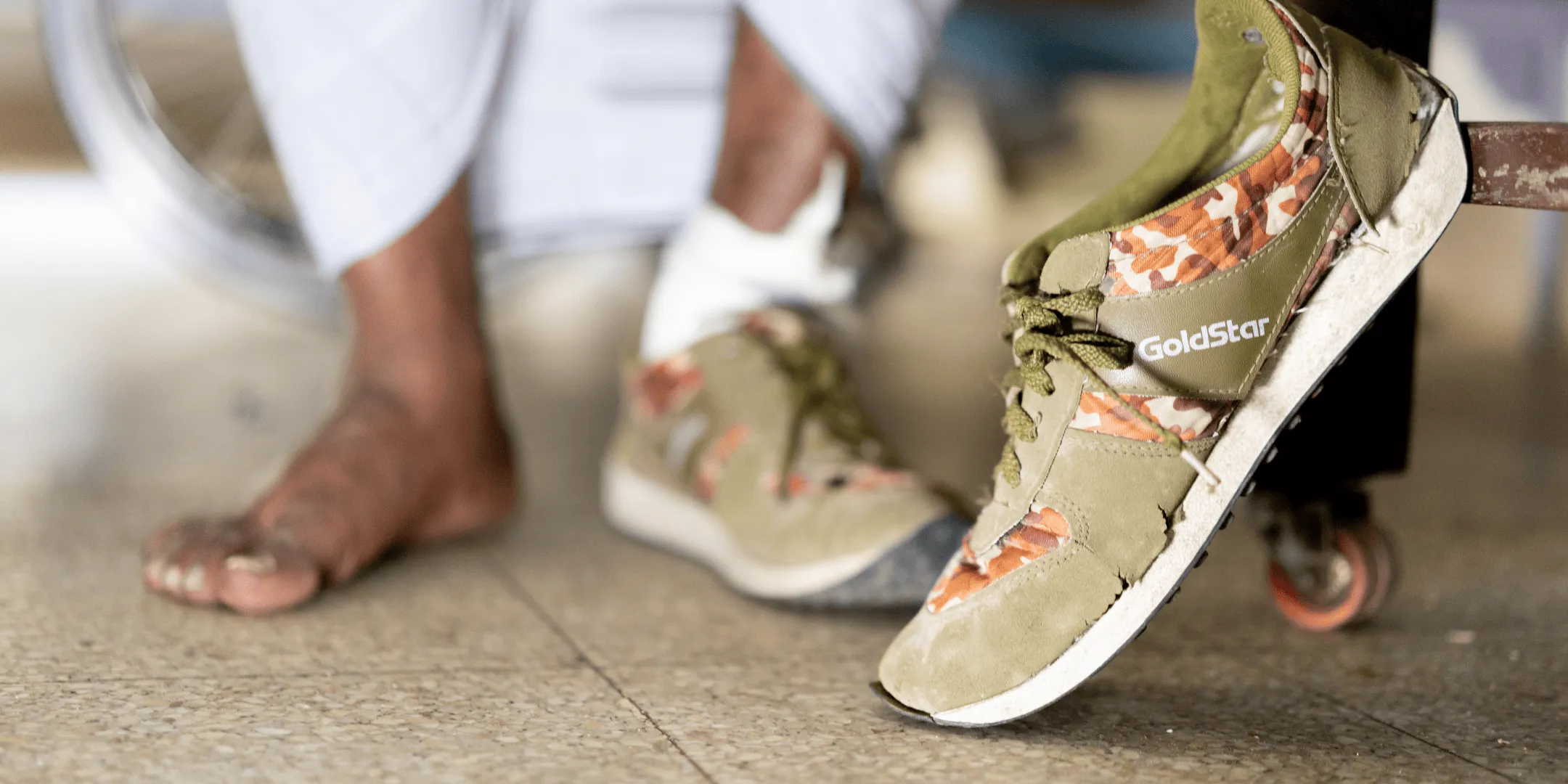
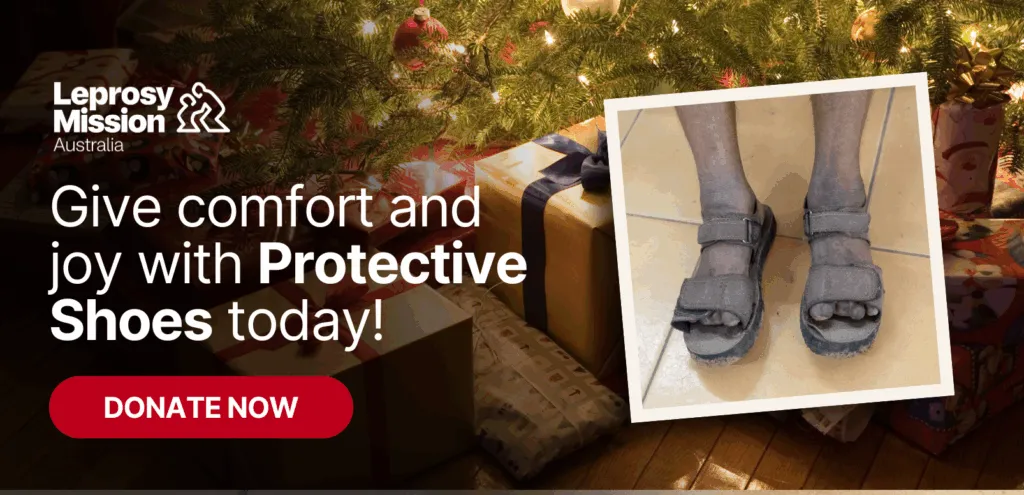
Sadly, there are still too many people waiting for the protection a simple pair of $20 sandals or, protective shoes, for that is exactly what they are. These shoes are designed to protect the soles of those who have been impacted by the ravages of leprosy.
The rejection and discrimination that lead to isolation and loneliness can drive a person like Kumar to hide away from the world. These shoes are designed so that the wearer can look like everyone else walking the streets, without standing out.
Leprosy deadens feeling in the feet. So, if you have a cut or a burn or a puncture, you don’t feel it, and so don’t clean or treat it. That can lead to infection. Because your feet are a long way from your heart, blood pumps slower, and infection can spread faster.
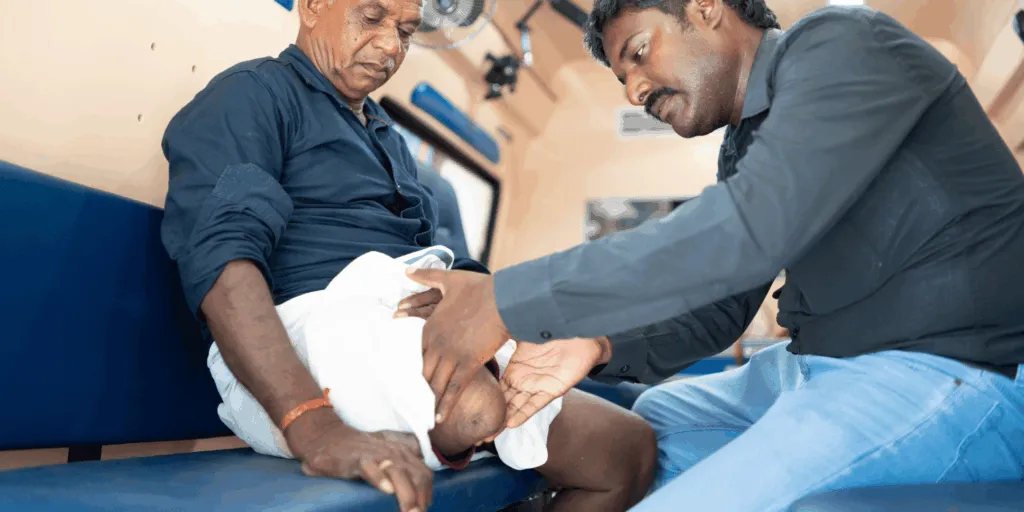
The danger is infection which creeps up your leg, killing the flesh. It keeps eating away, until the only thing that will stop the infection reaching your vital organs, and killing you, is amputation. That’s what Kumar had to face.
“I got an x-ray and the doctors told me my leg had to be amputated,” Kumar explained. “But I refused. I didn’t want to lose my leg. I was worried because I wouldn’t be able to work.”
Kumar changed his mind only when doctors told him his life was at risk. The Leprosy Mission team persuaded Kumar to have the operation, then covered the costs, and provided the physiotherapy and recovery care he needed.
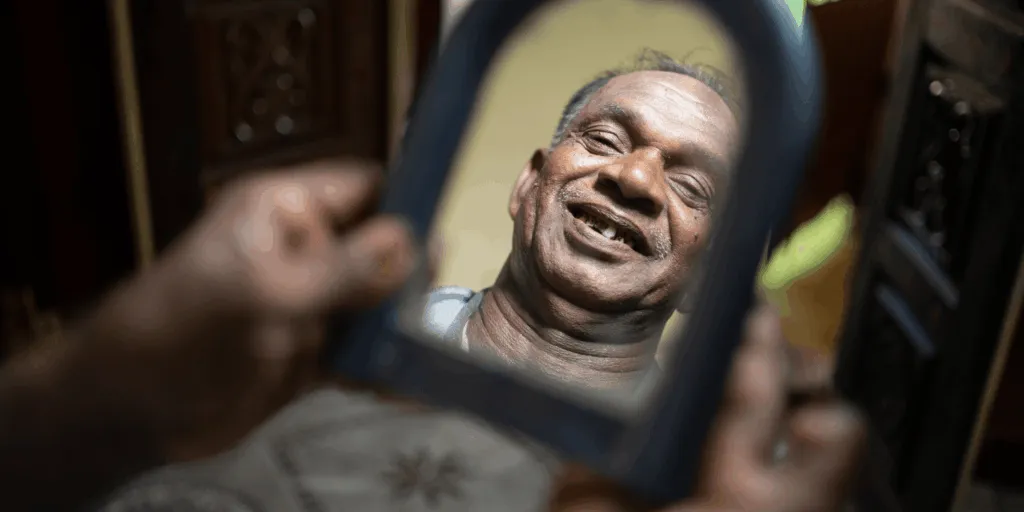
This could all have been prevented with a $20 pair of protective shoes. Prompt early care – awareness-raising, mass screenings, early diagnosis, protective shoes – prevents pain and tragedy later.
It’s not too late! You can still give people like Kumar comfort and joy below.
For more stories like this, you can browse our full collection here!