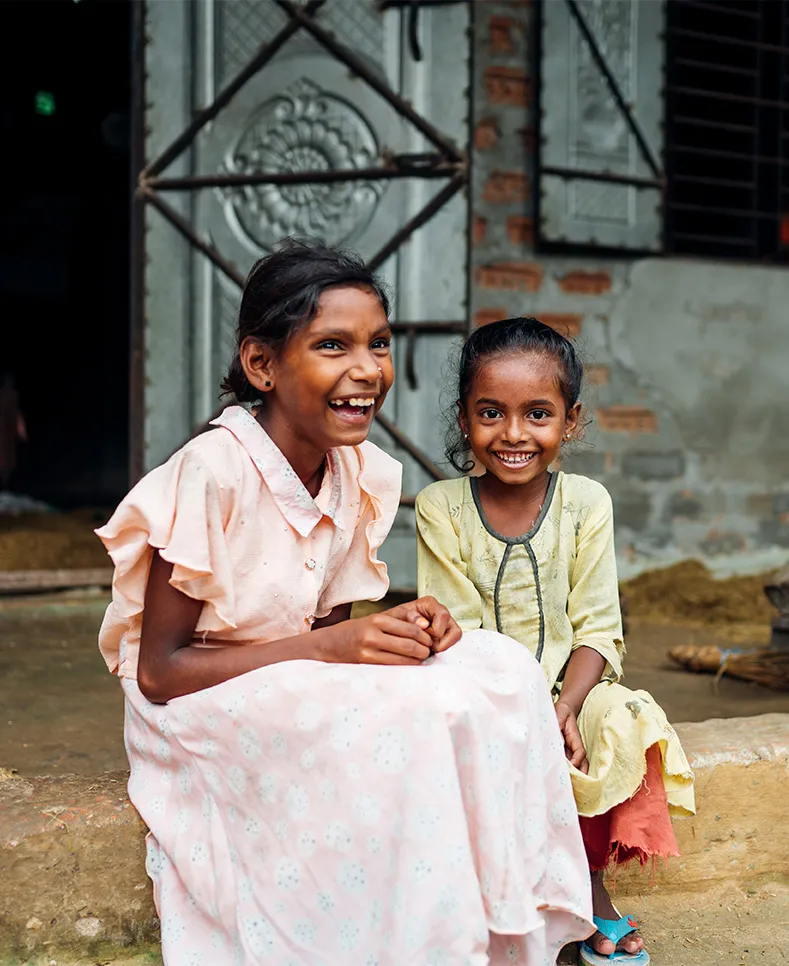

A 23-year-old Melbourne runner is crossing India on foot to support children and families affected by leprosy. But his 5,000km journey raises a larger question: why do we choose endurance as a form of solidarity?
A 5,000km Run Across India
I do not run.
I have never woken before dawn with the urge to lace up shoes and measure my existence in kilometres. Five kilometres sounds respectable. Ten heroic. A marathon feels like something reserved for people with titanium knees and an unusual relationship to discomfort.
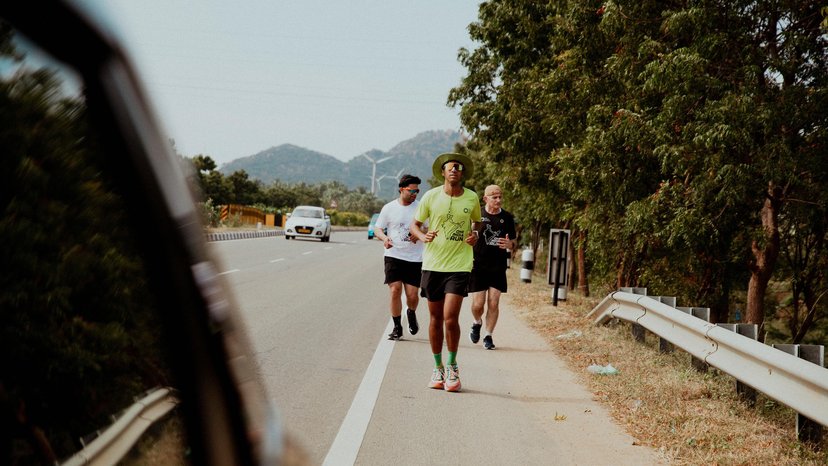
Which makes it difficult to comprehend someone choosing to run 5,000 kilometres. And yet, on January 26, India’s Republic Day, 23-year-old Melbourne runner Om Satija began doing exactly that. Starting at the southern tip of India, he set out to run the length of the country over 100 days. Five thousand kilometres. On foot. Through heat and traffic and the long interior stretches of doubt that inevitably accompany endurance.

Running to Support Families Affected by Leprosy
Satija is running to raise funds and awareness for Indian organisations such as Udayan Kolkata, which supports children and families affected by leprosy. Through his campaign, he is inviting supporters to contribute toward education and community-based programs shaped and delivered locally.
His goal is ambitious, not unlike the run itself, but grounded in a simple conviction: sustained effort can translate into tangible support.
For many families affected by leprosy, progress toward stability and inclusion is often slow and unseen. Medical treatment is only part of the story. Education, economic opportunity and the dismantling of stigma are longer roads.
Why Do People Run for a Cause?
But statistics are not what draw people in.
What draws them is the run itself.
There is something about watching a person move steadily across a map that feels quietly compelling. On Strava, the fitness platform whose name comes from the Swedish word meaning “to strive,” thousands of people are tracking Satija’s daily progress.
In an age of constant noise, we are captivated by a single human being doing one simple thing repeatedly: putting one foot in front of the other.
The tradition of running for a cause is not new.
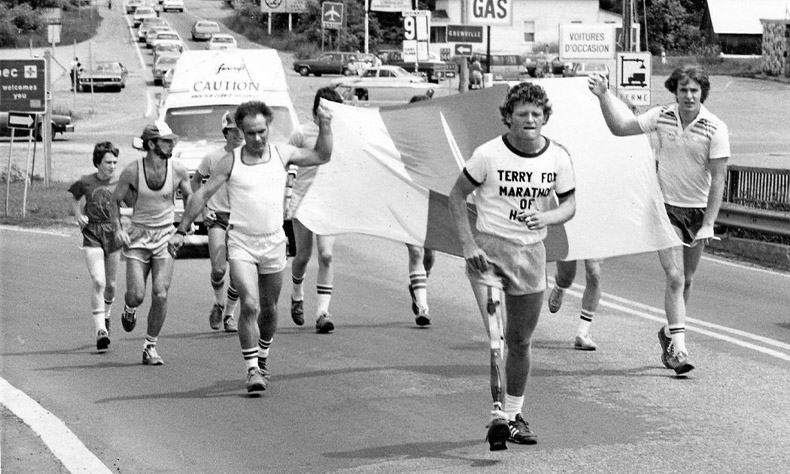
In 1980, Terry Fox’s Marathon of Hope began as an attempt to run across Canada and raise funds for cancer research. After 143 days and more than 5,000 kilometres, his cancer returned and he was forced to stop. His effort reshaped public imagination.
Even in fiction, the archetype persists. In Forrest Gump, the title character begins running “for no particular reason.” Strangers join him. Persistence becomes contagious.
We are not moved only by outcomes. We are moved by effort.
Endurance as Solidarity
There is a particular power in chosen discomfort. The hardships communities cannot avoid, whether illness, injustice or exclusion, can leave people feeling isolated. But when someone voluntarily steps into discomfort on behalf of others, it feels like solidarity made visible.
Satija’s run does not solve these challenges on its own. But it draws attention to them. It converts kilometres into contribution, effort into awareness, motion into meaning.
Striving in the Digital Age
Thousands are following his progress online. Strava users track their own efforts in segments, not lifetimes. It speaks to how solidarity now unfolds in the digital age: incrementally, publicly and often online.
Five thousand kilometres, viewed all at once, feels overwhelming. Broken down, it becomes the next kilometre. And then the next.
At 23, Satija is young to undertake something of this scale. But perhaps youth carries its own clarity: that effort matters, that distance can be reduced to motion, that change begins somewhere concrete.

One Step at a Time
When someone chooses to endure discomfort so that others might have greater opportunity, the act resonates beyond sport. It becomes a quiet argument that perseverance counts, that attention matters, that solidarity is enacted, not merely spoken.
Satija’s run will end. The map will fill in. The shoes will wear thin.
But the deeper question remains: what is it in the human spirit that makes us run toward someone else’s need?
Perhaps it is this. When confronted with distance, we resist standing still. When confronted with suffering, we look for movement.
One step, then another.

For more stories like this, you can browse our full collection here!