When a rash, patch or wound appears on a child’s skin, most Australian mums have someone they can ask. For families affected by leprosy, getting that answer can be harder, more frightening, and much further away.
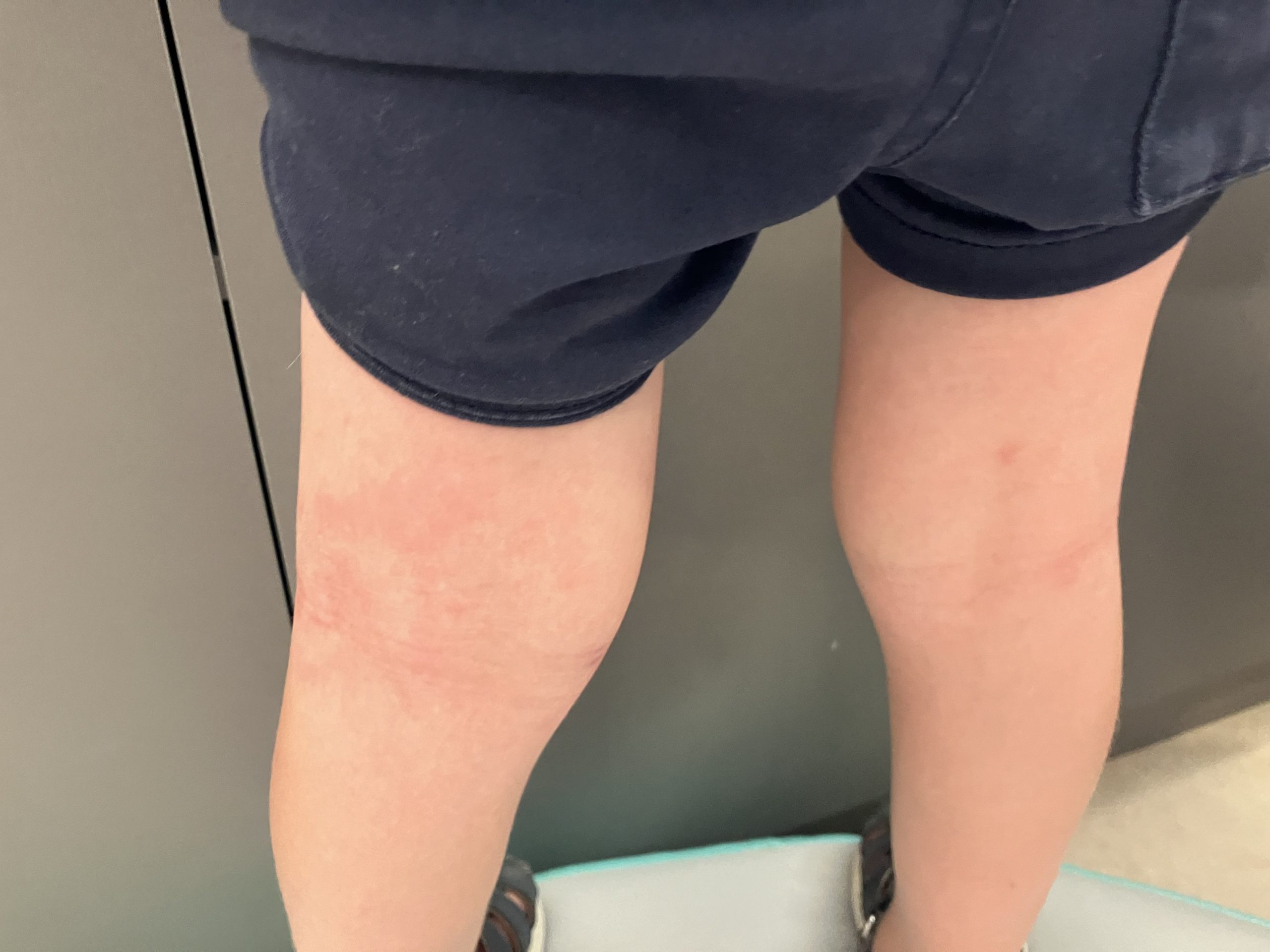
The photo usually arrives when I am in the middle of something else: a meeting, a deadline, a half-written email. Some ordinary workday moment is suddenly interrupted by a close-up of my son’s arm or leg. A red patch behind the knee, maybe. A rash across his skin. Something raised and angry-looking that I don’t recognise.
The message from the school nurse is usually calm, because school nurses are good like that.
“Just checking, is this normal for him?”
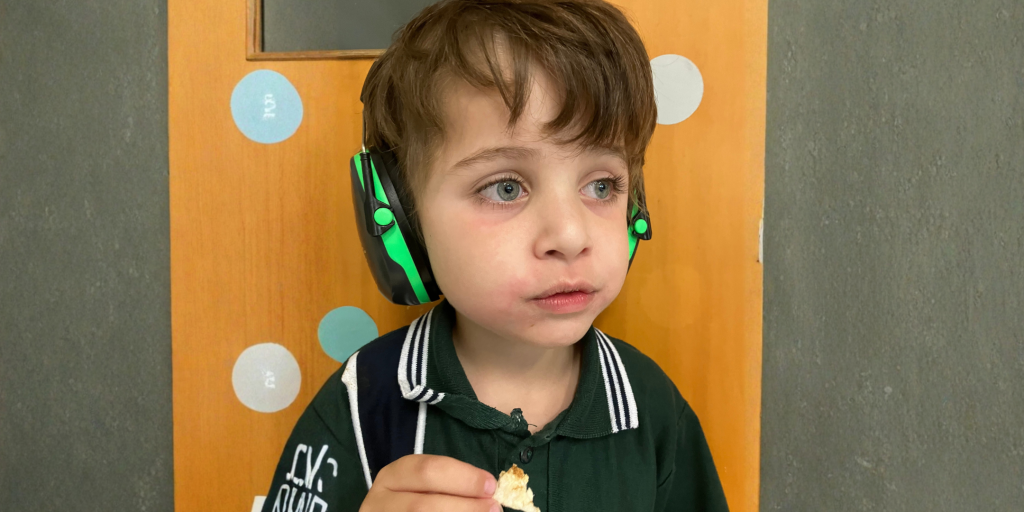
My son Atticus is eight. He is autistic and non-speaking, and he has allergies and eczema, so his skin is something we have learned to watch carefully. Once, he had to have an EpiPen administered at school. Since then, even a small change can make the adults around him stop and pay attention.
I zoom in on the photo. I try to remember if that patch was there in the morning. I think about what he ate, where he sat, whether the weather has changed, whether I forgot the cream, whether something at school has touched his skin.
Sometimes I know straight away. Sometimes I don’t.
Most mums know some version of this. Maybe it is not allergies or eczema. Maybe it is a rash that appears after daycare, a bite that looks too red, a strange mark on a toddler’s back, or a photo shown to the GP because of course the rash has faded by the time you finally get an appointment. Maybe it is a late-night Google search typed with one hand while the other rests on a warm forehead.
Sometimes it is a post in a Facebook mums group.
“Has anyone seen this before?”
“Does this look normal?”
“Would you take them to the doctor?”
There is always someone asking. There is always someone answering. Calamine. Heat rash. Hand, foot and mouth. Eczema. Hives. Go to the GP. Don’t panic, but I’d get it checked.
This is one of the ordinary languages of parenting: looking at a child’s skin and trying to work out what it is telling you.
We are used to thinking about children’s skin in Australia, probably more than we realise. Sunscreen before school, hats in the bag, eczema cream in the bathroom cupboard, allergy plans at school, a tube of something from the chemist that may or may not be the right thing.
We do not always know what we are looking at, but most of us have somewhere to take the question: a school nurse, a GP, a pharmacist, another parent, a specialist if we can get in.
And when a diagnosis comes, even an unwelcome one, there can be relief in finally knowing what you are dealing with. You can explain it, treat it, write it on the school form, and start doing something.
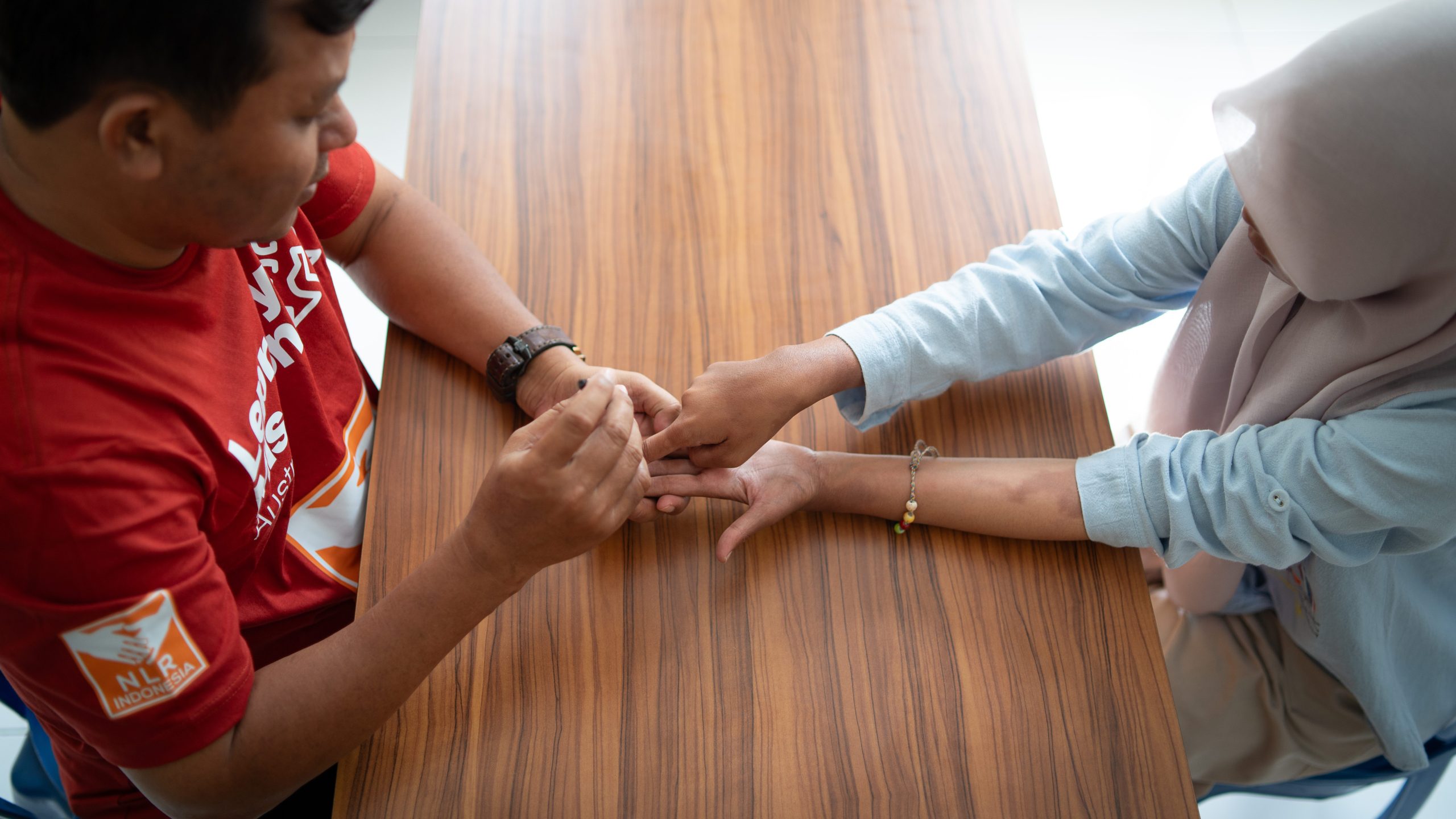
Through my work with The Leprosy Mission Australia, I have been learning how different that experience can be for children affected by leprosy.
Many Australian parents may not realise leprosy is still a thing. It can sound like an old word. A disease from the Bible, or history books, or black-and-white photographs from a world we imagine has passed.
But children are still being diagnosed, and the early signs can be quiet: a pale or reddish patch, a place where feeling has changed, a wound that does not heal.
Leprosy is curable. That is the part many of us would want to hold onto straight away. But in communities where the disease is still surrounded by fear and stigma, a diagnosis can carry much more than a treatment plan. Who will find out? Will people avoid my child? Will the school still welcome them? Will our family be treated differently?
I recently learned about two children whose stories have really stayed with me.
Nisha is nine and lives in India. After losing both her mother and the stepmother who raised her, Nisha was diagnosed with leprosy herself.
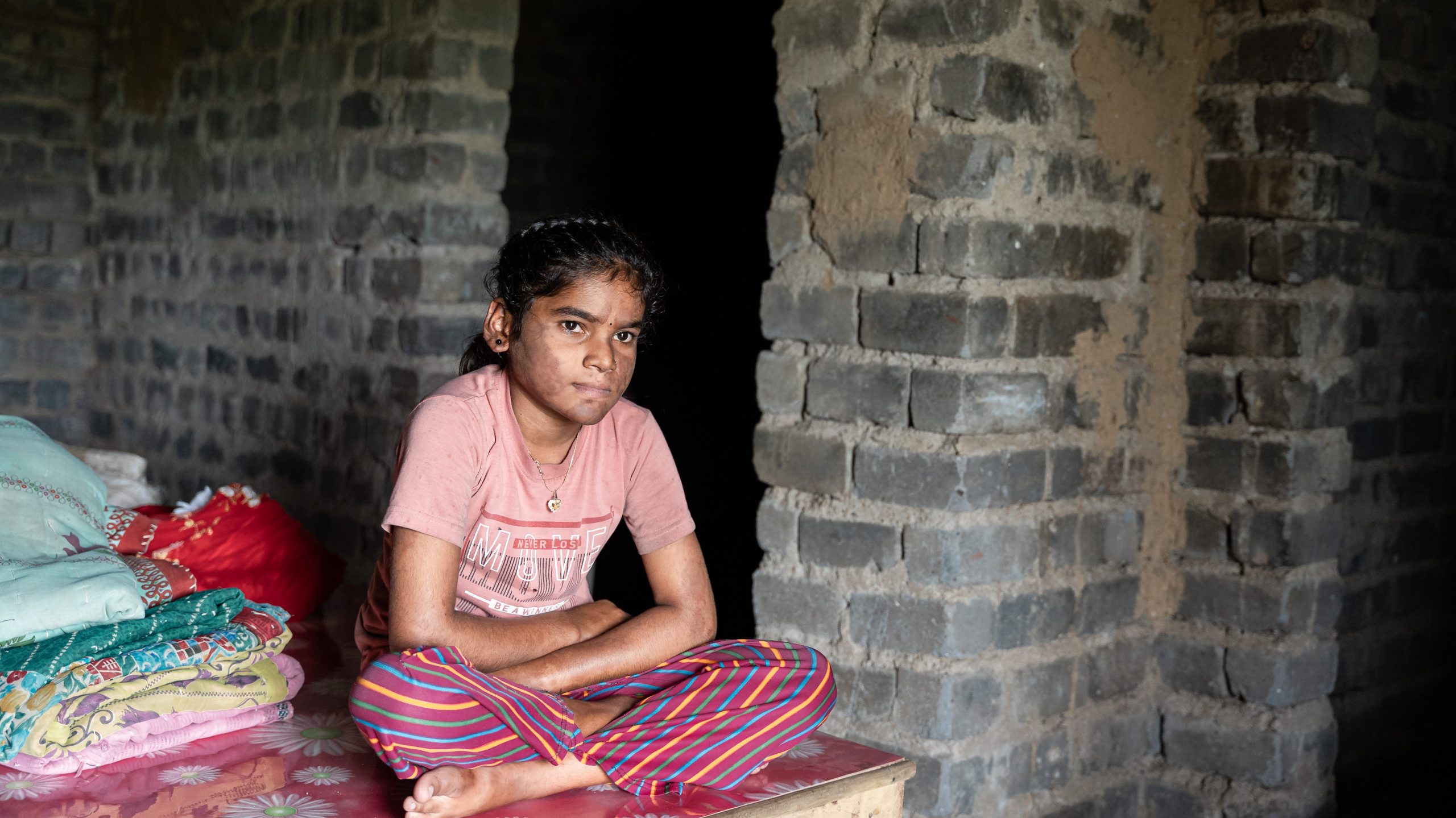
She loves school, but stigma has pushed her out of the classroom. At an age when school should mean friends, routine and the ordinary noise of childhood, she has been left isolated because of fear and stigma around a disease that is curable.
I also learned about Rhitik, a young boy from Nepal who loved playing soccer. When he was younger, he developed an ulcer on his toe that would not heal. By the time leprosy was diagnosed, he had already needed surgery and lost part of his big toe.
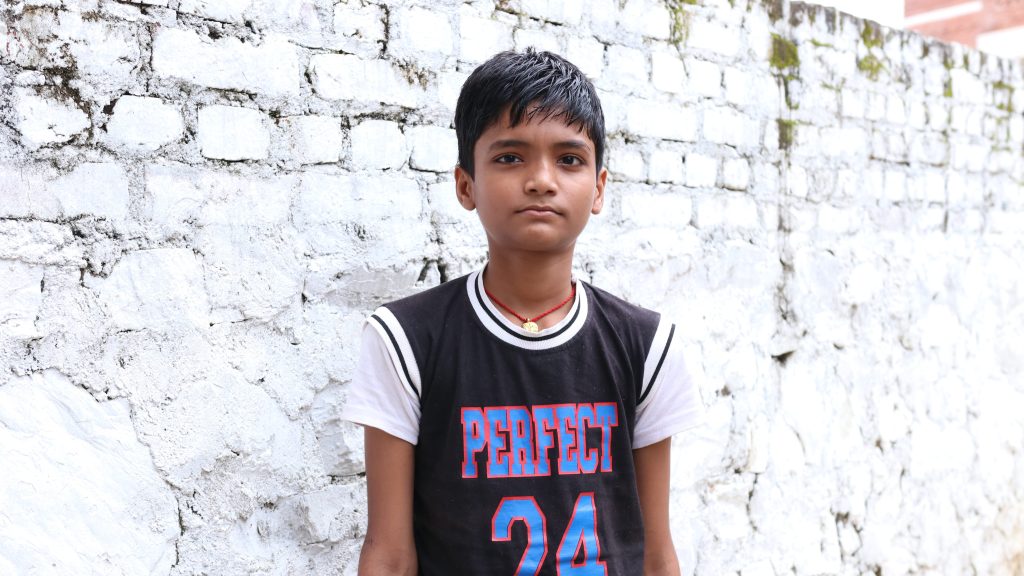
That detail stopped me. Not only because of the surgery, but because of what it means for a child who loves to run and kick a ball. Treatment needs to begin early enough to stop leprosy causing permanent damage. If left too long, the disease can affect the nerves and lead to serious wounds, disability, loss of fingers or toes, and problems with eyesight.
Different countries, different children, different stories. But in both Nisha and Rhitik’s cases, something appeared on the skin first: a wound that would not heal, a patch, a sign that may not have looked dramatic at the beginning, but mattered.
A child may not complain of pain. The family may not know what they are seeing. And even when there is worry, asking for help can be complicated.
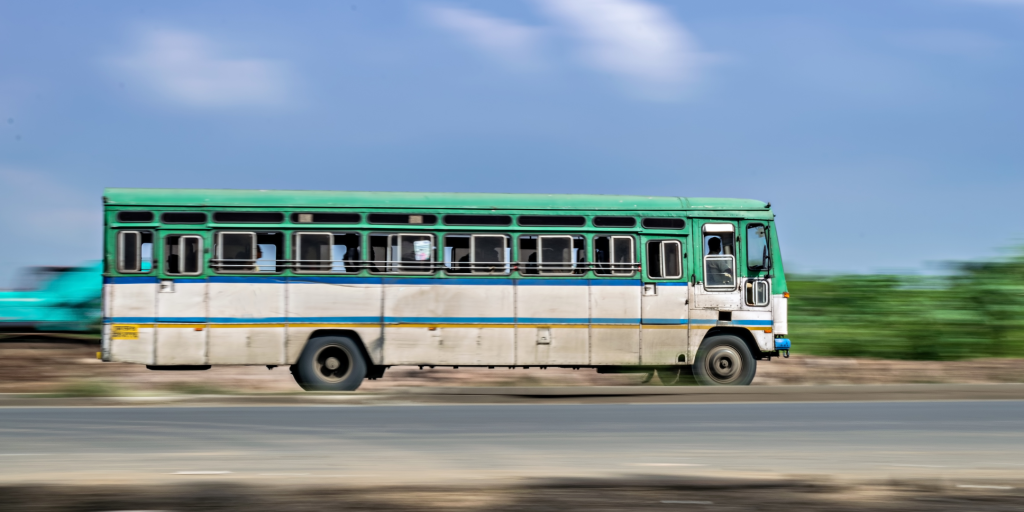
The right health worker may be far away. For some families, reaching a skin screening can mean travelling for hours and, in Rhitik’s case, up to 12 hours by bus. In the meantime, a mark on the skin may be watched, covered, explained away or left for longer than it should be, not because a family does not care, but because distance, uncertainty and old myths can make the path to care much harder than it ought to be.
This is why the way skin screening is done matters.
The screenings supported through The Leprosy Mission Australia are discreet. Children are checked for a range of skin conditions, so they are not publicly singled out as being screened for leprosy. For a child and family living with the threat of stigma, that privacy matters.
If leprosy is found, treatment can begin before nerve damage, wounds and disability have the chance to take more from a child. Families can also receive clear information: that leprosy is curable, that it is not a curse, and that a child does not need to be hidden or pushed out of school.
I think about the nurse at Atticus’s school, sending me a photo because she noticed something small. I think about the mums posting blurry rash pictures online late at night, hoping another parent might recognise what they are seeing.
No parent should have to recognise leprosy alone.
That is what skin screening helps make possible: a private way to ask, an answer close enough to reach, and treatment early enough to protect a child’s future.
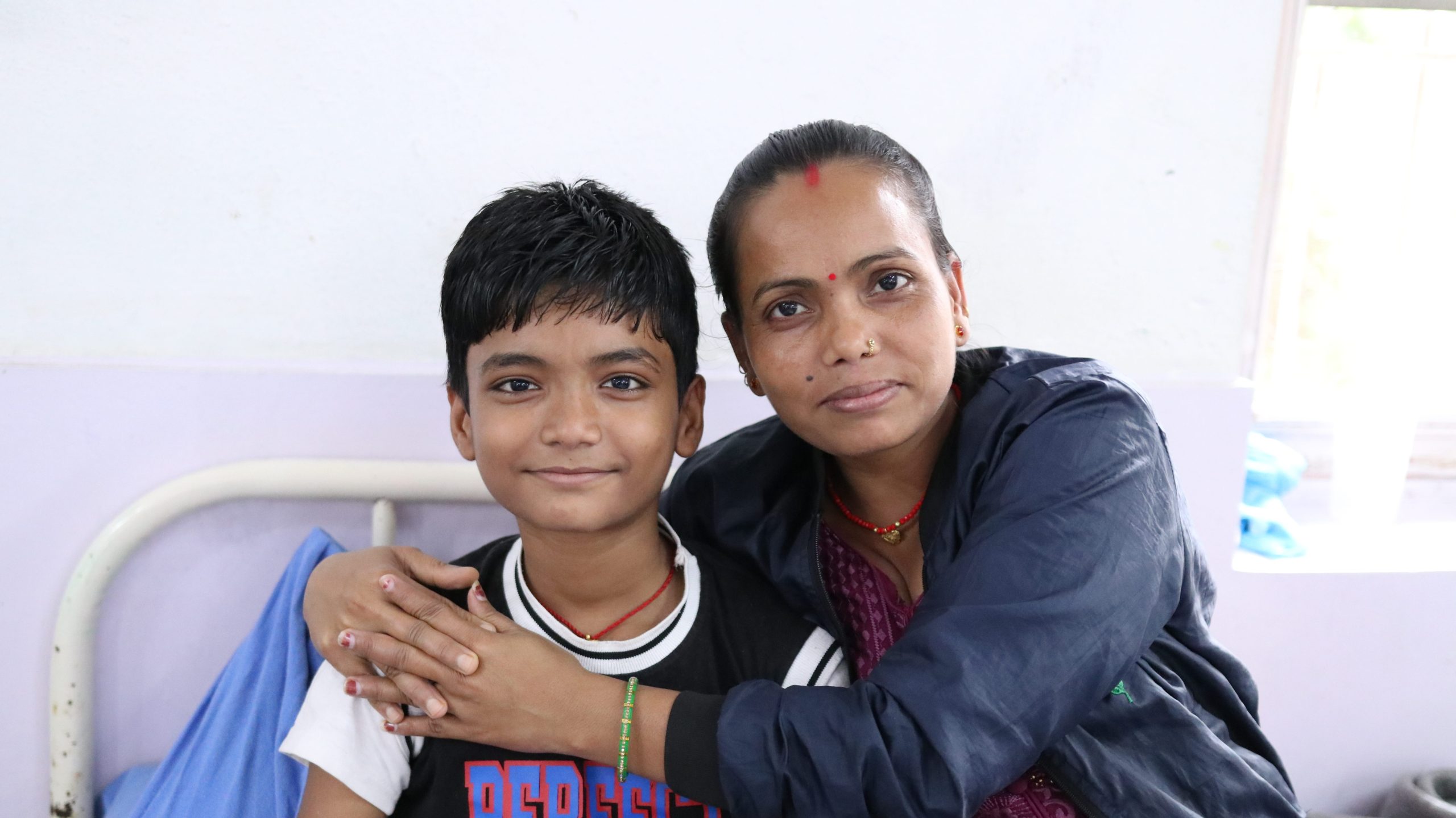
If you have ever stared at a mark on your child’s skin and wished someone could just tell you what it was, this is one very practical way to help another family get that answer.
The Leprosy Mission Australia’s current appeal is helping provide discreet skin screening, early treatment and care for children like Nisha and Rhitik, so families do not have to wait too long, travel too far, or carry the worry alone.
If you are able, we’d love you to offer your support.
Because somewhere, there is another mum looking at something on her child’s skin and wondering what it means.
She deserves an answer, and her child deserves care close enough to reach.
For more stories like this, you can browse our full collection here!