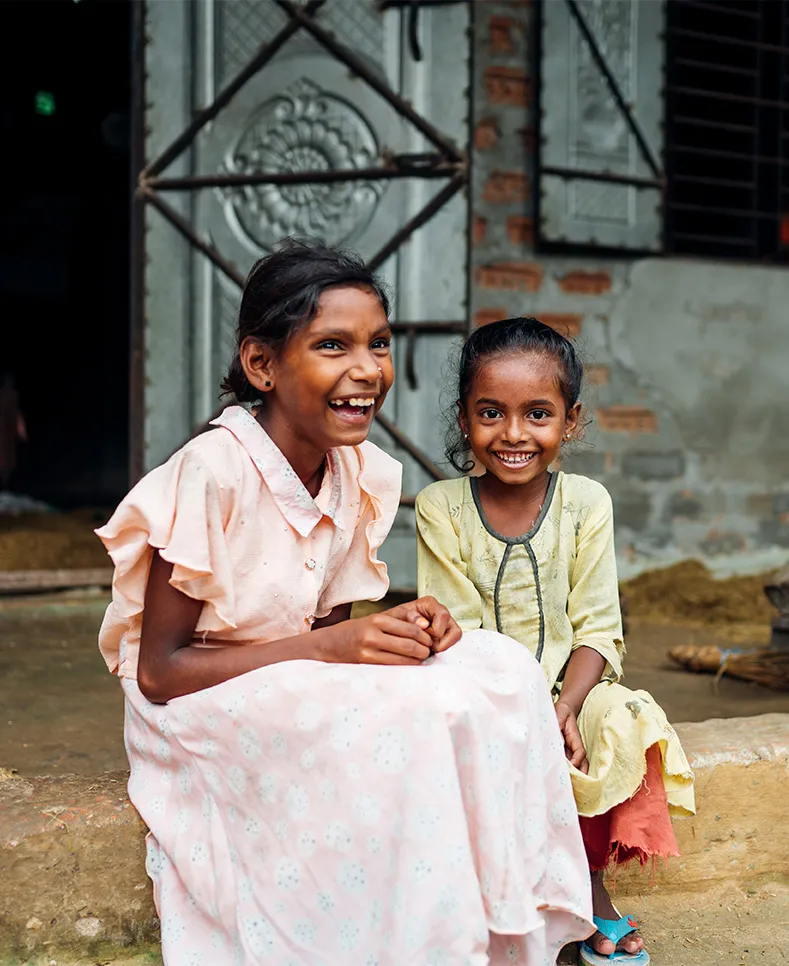
For generations, leprosy pushed people away. Today, care can help bring children closer to treatment, dignity and hope.
The islands are still there.
They sit quietly in the water, but they still remember what fear built.
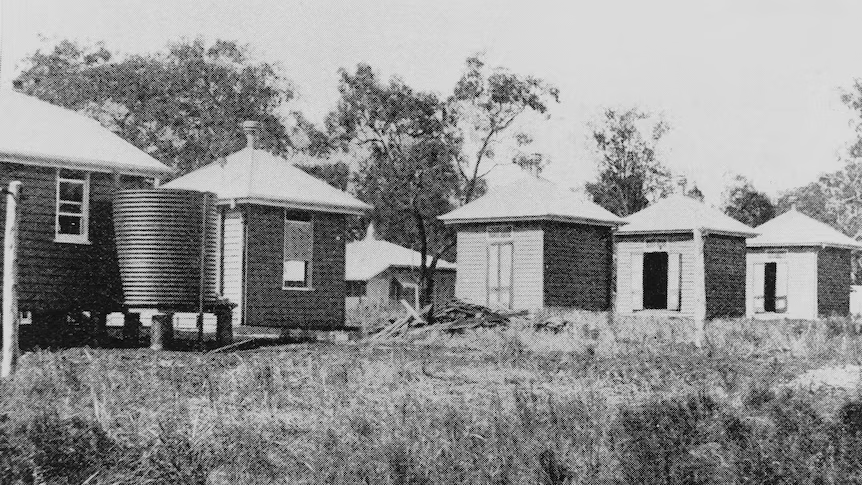
On a map, Peel Island looks almost gentle; a small shape in Moreton Bay, held in blue water not far from Brisbane, close enough to the mainland that distance can seem like an illusion.
Further north, off Townsville, Fantome Island sits in the tropics, the kind of place that, from far away, might be mistaken for a fragment of paradise.
But places are not only scenery. They remember what people decided to put there.
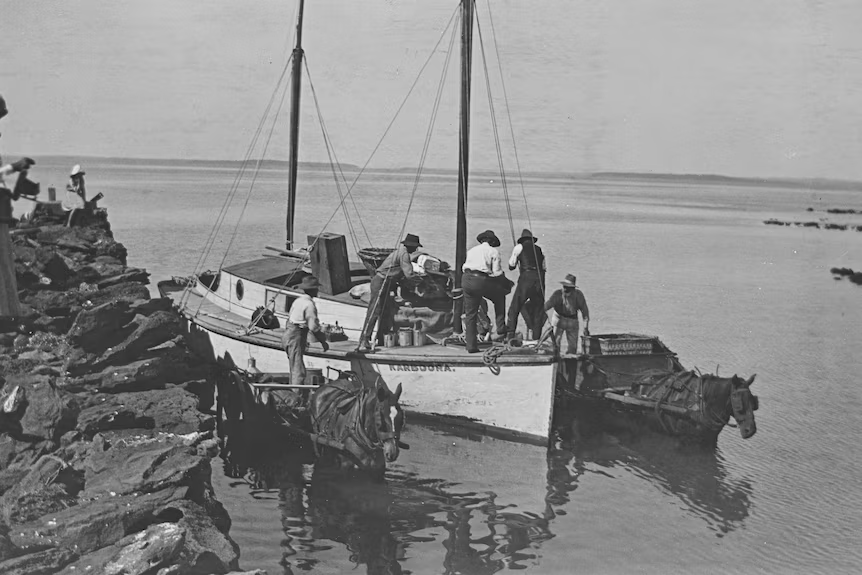
For much of the twentieth century, these islands were part of Australia’s answer to leprosy. Peel Island Lazaret operated from 1907 to 1959. Fantome Island Lazaret operated from 1939 until 1973. Neither is ancient history—dismissable as a half-remembered cruelty from another age. Both date within the lifetimes of many Australians who are alive today.
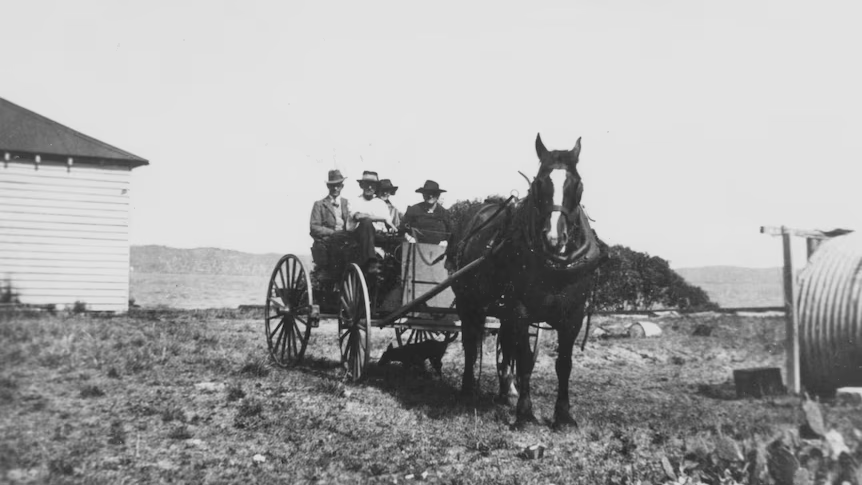
Each facility held the stories of people affected by leprosy who were removed from daily life. Sent away from families, streets, schools, churches, jobs, neighbours and the familiar rhythms by which a person becomes known and held by a community.
The distance was not symbolic. It was water. It was policy. It was a boat leaving the mainland. It was the slow education of everyone left behind, learning that leprosy meant removal.
An island can be beautiful and still be a place of exile.
This is what fear built around leprosy: places apart, lives interrupted, bodies treated as warnings, people made distant enough for others to feel safe. Around the disease grew a larger architecture of separation, made from law and medicine, but also from rumour, dread, silence and shame.
Australia was not unusual in this. Across many places and many centuries, leprosy has carried a reputation larger than the disease itself. Old fears imagined it to be something that could pass through ordinary closeness—a meal, a touch, a shared seat, children playing side by side in a classroom. The inaccurate story of leprosy turned proximity into danger and, in doing so, turned neighbours into strangers.
We know more now, and the truth is far more hopeful than the fear allowed.
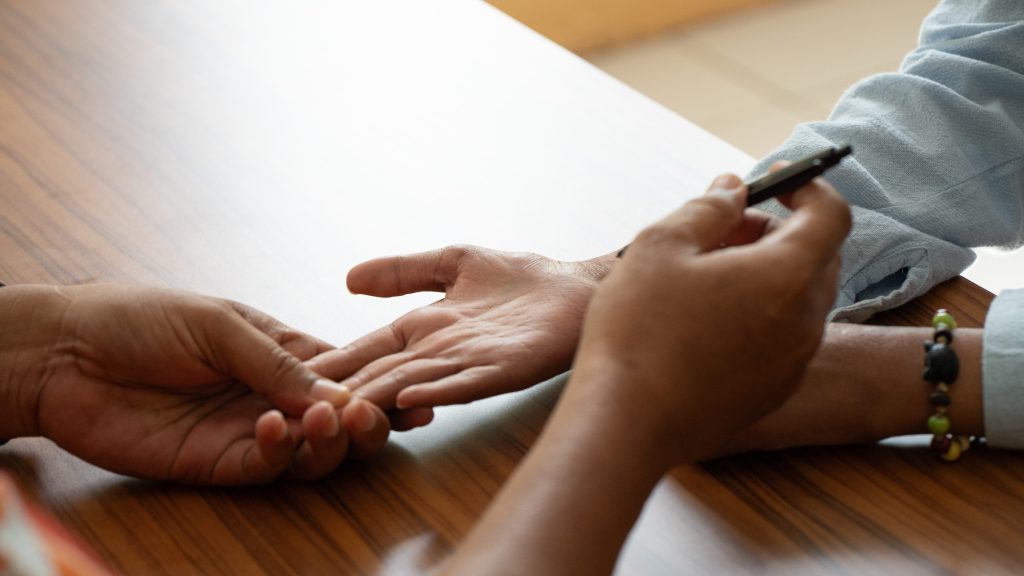
Leprosy is curable. It does not spread through casual contact such as sharing food, shaking hands, hugging, sitting together or children playing near one another.
Around 95% of people will never develop leprosy even if exposed, because their immune system can fight off the bacteria that causes it. For those who are vulnerable, especially in communities where poverty limits access to good nutrition, clean water, sanitation and healthcare, early diagnosis and treatment can change everything. Once treatment begins, transmission can stop.
This is why the future of leprosy is not only a story of disease, but of access: care reaching the right people early enough, before fear, stigma and delay can do more harm.
Yet new knowledge does not always arrive in a society at the same speed that stigma departs. A fact can be printed in a health manual while fear continues its older work in kitchens, classrooms and village paths. Treatment can exist while a family still hesitates to seek help, worried not only about the diagnosis, but about what people will say once the diagnosis is known.
The long shadow of leprosy is not only medical. It is social. It is emotional. It follows the disease into a child’s life and asks a terrible question: will people still come close?
For a child, stigma is not an abstract social problem. It is the classroom that can no longer be entered. The soccer game, watched from the sidelines. The wound, hidden. The parent who lowers their voice. The friend who no longer sits as near. It is the early, bewildering lesson that other people can become afraid of your body.
That is the cruelty of leprosy when fear reaches a child before care does. It can shrink a life quietly, taking not only health, but confidence, belonging and the sense of being welcome in the world.
Care moves in the opposite direction.
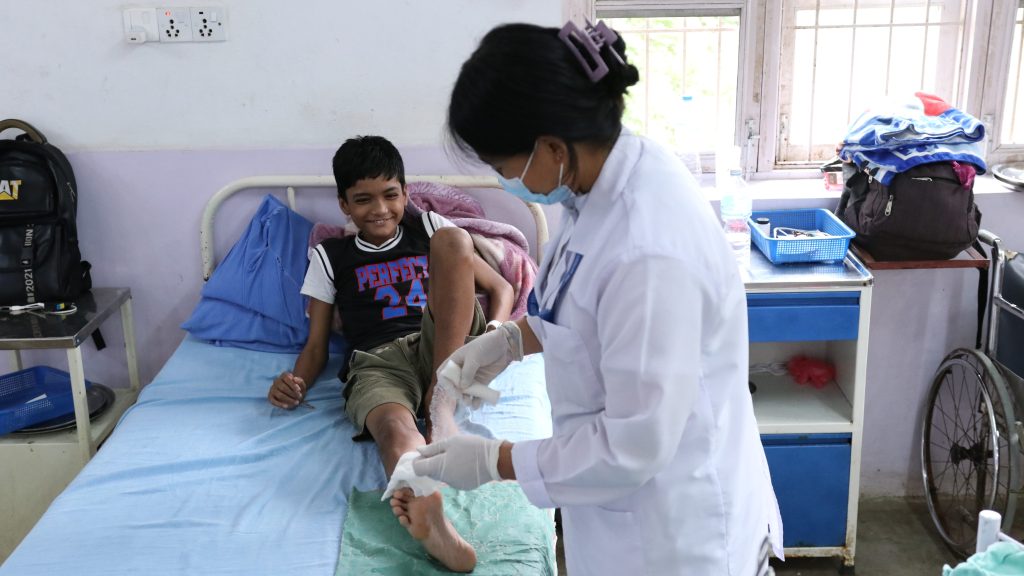
It looks like a health worker noticing the signs early. A family learning, with patience rather than panic, that leprosy can be treated. Medicine received before further damage is done. A wound cleaned and dressed. A child being taught how to protect a foot that cannot feel pain properly. A community hearing the truth often enough that fear loses its authority.
These acts may look small beside the long history of leprosy, but in the life of a child, they can change the direction of everything. Early diagnosis rather than lifelong disability. A skin wound that heals rather than becoming a bone infection requiring amputation. A family connected to care rather than disappearing into silence.
The islands are still there. They remind us of a time when fear pushed people away. But today, we have the chance to build something different.
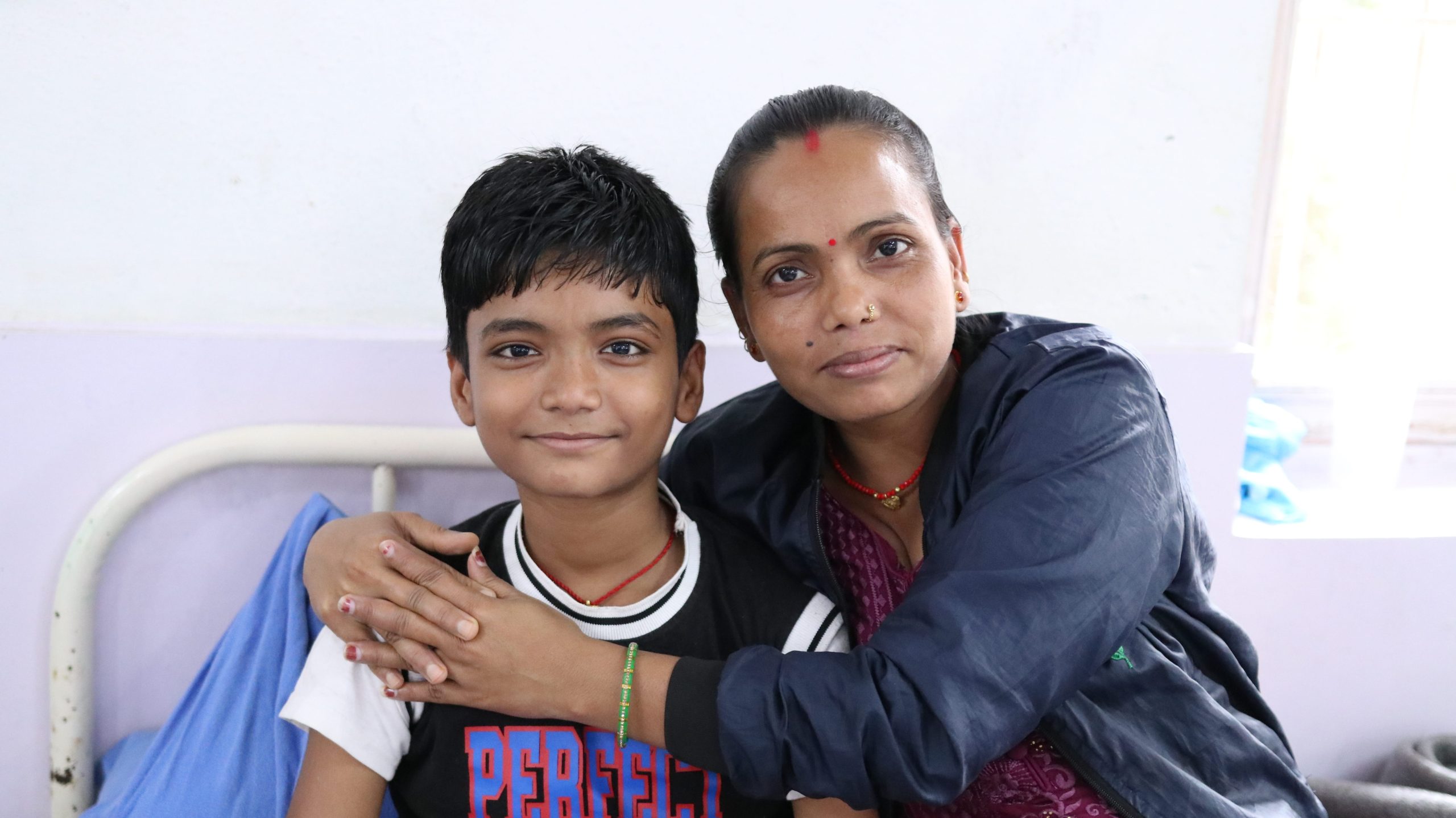
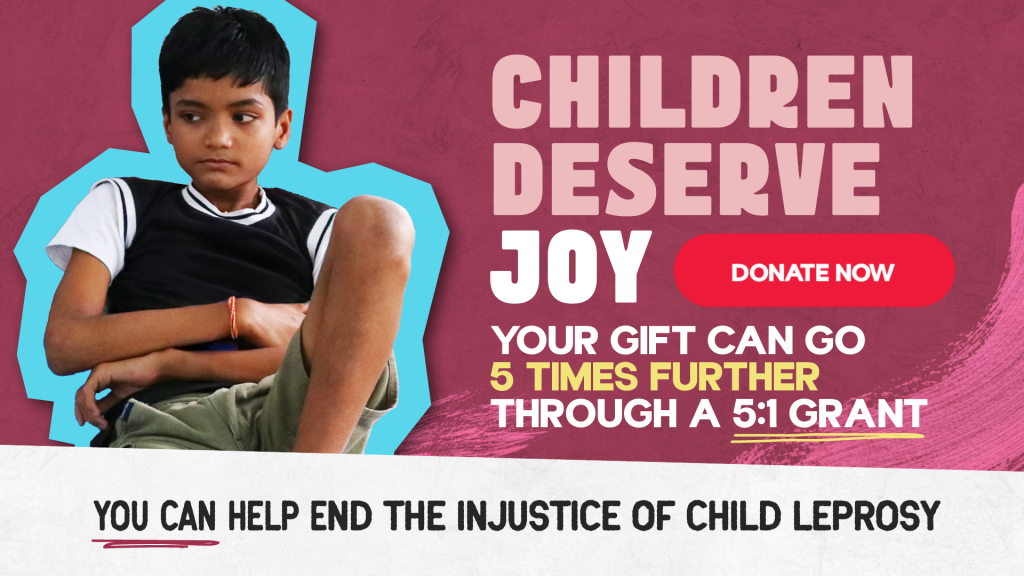
Before June 30, your tax-deductible gift can help children affected by leprosy receive the treatment, wound care, education and support they need. It can also help make the most of available Australian Government support, helping your impact reach further before the campaign deadline.
Fear once built distance. Today, together, we can help bring children closer to care.
Before June 30, please help bring children closer to care—and further from the fear that has kept too many lives at a distance.

For more stories like this, you can browse our full collection here!