

An ancient disease, a modern cure and some remarkably persistent myths. Here’s what you need to know about what leprosy is, how leprosy really spreads, and why old beliefs still have consequences.
Leprosy is an odd sort of celebrity. Its name is familiar, but much of its reputation belongs to another century.
For centuries, people affected by leprosy were feared and excluded, sometimes separated from their families. The first effective drug treatments emerged in the 1940s, and by the early 1980s doctors had a combination of antibiotics that could cure the disease.
The science has changed dramatically. The old fears prove harder to shake.
Today, people affected by leprosy are still among the most marginalised people in the world. They can face rejection from friends, family, spouses and communities; they are often forced to move out of the house and the neighbourhood.
And leprosy is far less contagious than its reputation suggests. Yet people are still being diagnosed with it, and misinformation can influence both how they’re treated and when they seek help.
So what is leprosy? Here’s what you need to know.
What is leprosy?
Leprosy is an infection caused mainly by a bacterium called Mycobacterium leprae. It is curable, and early diagnosis can help prevent lasting disability.
The disease affects the skin and the nerves that send signals between the brain and the rest of the body. Those nerves are our built-in warning system. Touch a hot saucepan and they tell you to pull away. But when leprosy damages the nerves, a cut, burn or blister might go unnoticed. Repeated injuries can lead to permanent disability. It’s quite different from the old idea of leprosy eating away at someone’s flesh.
For all the damage leprosy can cause, the bacterium responsible grows at a remarkably slow pace. E. coli, which you might recognise from food-poisoning stories, can double in as little as 20 minutes under ideal conditions. Mycobacterium leprae takes around two weeks.
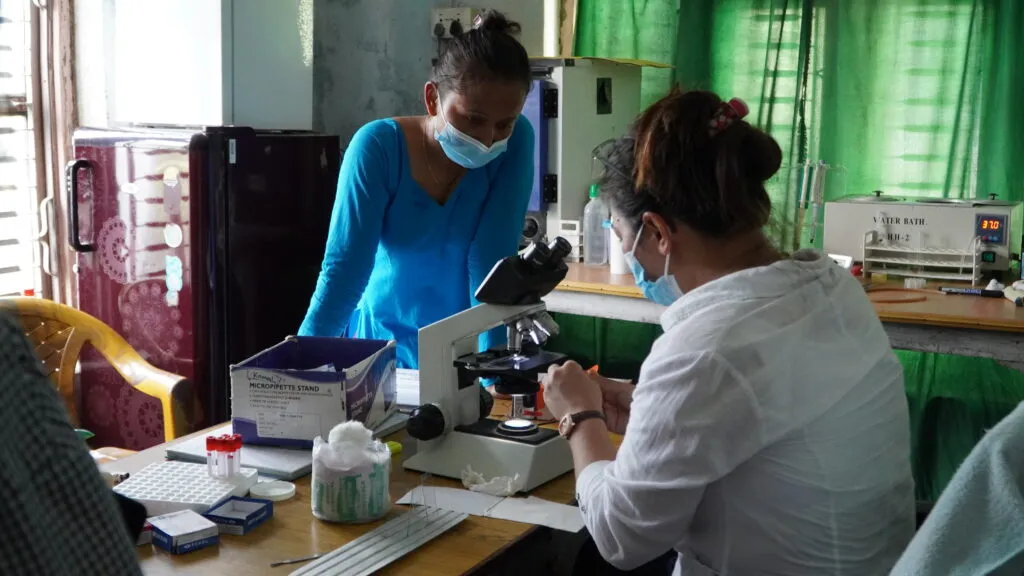
That helps explain another curious feature: symptoms often take several years to appear and can sometimes take as long as 20 years.
Imagine someone developing symptoms in 2026 after an infection dating back to 2006.
The Devil Wears Prada had just arrived in cinemas, Damien Leith was winning Australian Idol and MySpace was everywhere. Could you remember who you lived with, or spent time with regularly, back then?
And ancient doesn’t mean extinct. More than 167,000 people worldwide were newly diagnosed with leprosy in 2025, including over 8,000 children under 15.
A new diagnosis doesn’t necessarily mean a recent infection. But children haven’t had decades in which to be exposed, which is why cases among them indicate relatively recent transmission.
What are the symptoms of leprosy?
Early symptoms can include:
- patches of skin that have lost sensation
- numbness in the hands, feet, arms or legs
- muscle weakness
- tingling or burning sensations
Because nerve damage can become permanent, early diagnosis and treatment are important.
How does leprosy spread?
The infection is thought to spread mainly when someone repeatedly breathes in droplets from the nose or mouth of a person with untreated leprosy. Transmission generally requires months of close, frequent contact.
Measles is far more contagious. Its virus can remain infectious in the air for up to two hours after an infected person leaves a room. Leprosy generally needs a much longer period of close contact, often within a household, rather than a chance encounter.
Finding leprosy early means treatment can begin and close contacts can be screened. Where appropriate, those contacts may also be offered a single preventive dose of an antibiotic to reduce their risk of developing the disease.
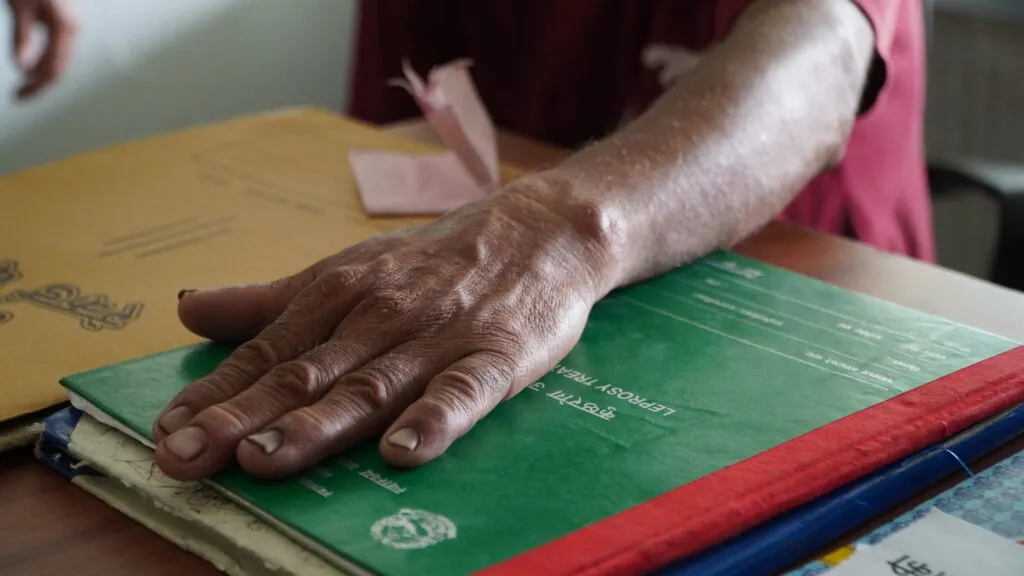
Is leprosy contagious?
Yes, but not easily. ‘Contagious’ tells us an infection can pass between people, not how readily.
Around 95% of people are naturally resistant to the bacteria that cause leprosy.
Picture a room of 100 people. For roughly 95 of them, their immune systems can fight off the infection.
And the other five? Even without that natural resistance, exposure doesn’t automatically mean they’ll develop leprosy.
With multidrug therapy, a combination of antibiotics, transmission stops quickly, generally within the first few days of treatment. The full course is essential to cure the infection, and starting early helps prevent lasting nerve damage.
What doesn’t spread leprosy?
Touching someone with leprosy won’t give you leprosy. Neither will shaking their hand, hugging them, sitting next to them or sharing a meal. Even sharing plates and utensils is safe.
And what about closer contact? Leprosy isn’t spread through sex, nor is it passed to a baby during pregnancy.
Considering the disease’s reputation, that’s a surprisingly ordinary list. We’re talking about the ways people spend time together, share affection and go about their daily lives.
For someone who has faced rejection because of leprosy, even these simple exchanges can carry uncertainty.
Why leprosy myths matter
The term peripheral neuropathy is an umbrella term used to describe various conditions that result in damage to the peripheral Old myths have a way of being passed down. Repeated often enough, they can start to sound less like stories and more like facts.
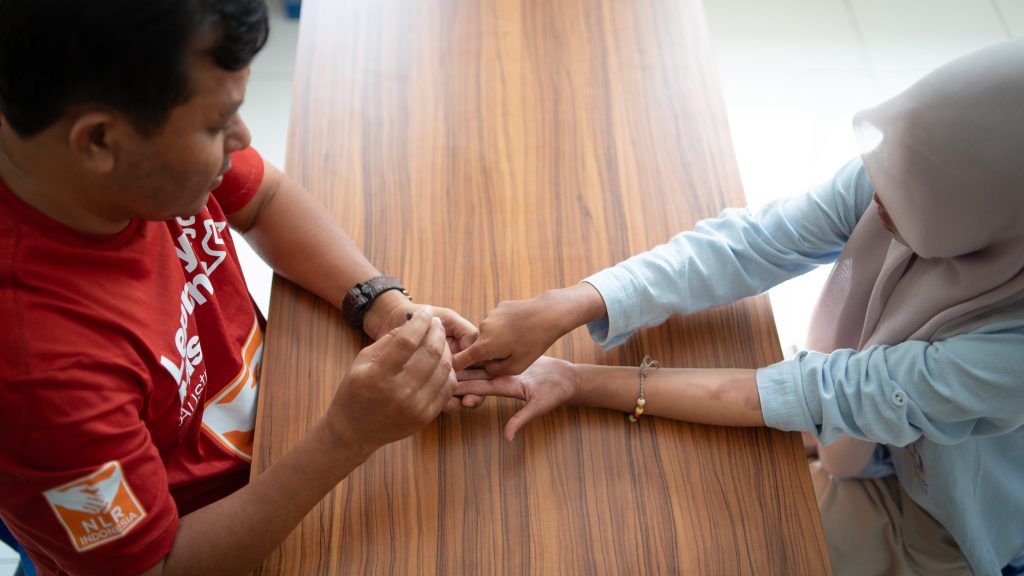
In Australia, where leprosy is rarely encountered today, there may be little to challenge those old ideas. In places where the disease is more common, experiences vary enormously.
Some communities know leprosy well, while others face barriers to reliable health information and care. Different circumstances, but the same difficulty: medical understanding can change much faster than the beliefs people have grown up with.
Friends may stop visiting, families may grow hesitant about spending time together, and opportunities at school or work can narrow. Little by little, someone can find themselves excluded from places and relationships that were once familiar.
Fear of rejection can also influence when someone seeks medical help. If you noticed a patch of skin that had lost feeling, would you be quick to have it checked if you worried a diagnosis might change how people treated you?
A review of 27 studies across 12 countries identified stigma as the most frequently reported social and community factor linked with delayed leprosy detection. Longer delays were also associated with higher rates of disability.
Seeking help doesn’t always mean getting an answer. An early symptom may be mistaken for something else, or the nearest health worker with experience of leprosy may be a long journey away. By the time the disease is recognised, nerve damage may already be permanent.
Sharing a table doesn’t spread leprosy. Nobody should have to wonder whether they’re welcome to sit at one.
For more stories like this, you can browse our full collection here!