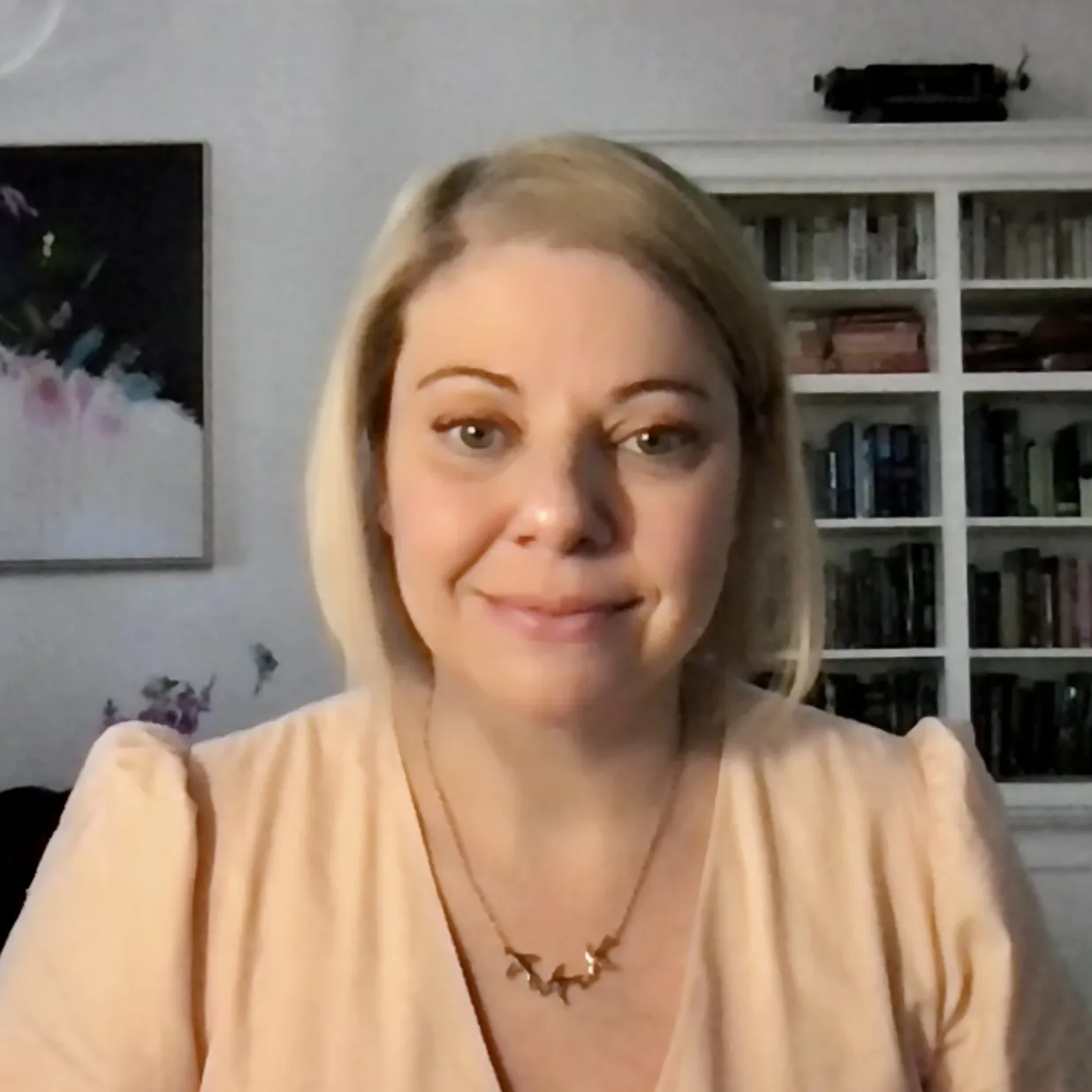
British physiotherapist Jean Watson, who died in December 2025, spent more than 50 years helping people protect themselves when their bodies could no longer warn them they were being hurt.
Pain does more work than most of us realise. Hold your hand too close to a flame and you pull it away. Pressure inside a shoe makes you shift your weight, slow down or stop, usually before you have given it a thought.
Leprosy can damage the nerves that carry those warnings, one of the many ways that leprosy is still a thing for people living with its long-term consequences. Someone may keep using an injured hand or walking on a damaged foot because nothing hurts enough to tell them to stop, and although treatment can cure the infection, loss of sensation may remain.
Jean Watson spent her career on what happened next: how health workers could recognise sensory loss earlier, and how people affected by leprosy could protect hands, feet and eyes they could no longer properly feel.
Making the invisible visible
After training as a physiotherapist in London, Jean spent 1960 and 1961 at Karigiri in southern India learning specialist leprosy care.
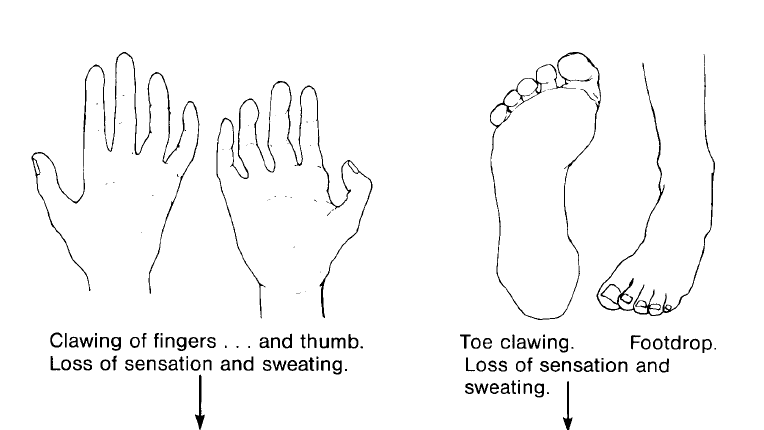
Because sensory loss was often invisible, Jean’s training materials used line drawings to help health workers test and record it. On outlines of hands and feet, they could mark where feeling had been lost. Visit by visit, those drawings became maps of numbness, showing what was changing over time.
They were particularly useful in places where specialist physiotherapy was not readily available. In 2007, a World Health Organization and Pan American Health Organization self-care booklet acknowledged that most of its drawings had been adapted from one of Jean’s manuals.
A physiotherapist might see someone only occasionally, but for a person living with reduced sensation, protecting their hands and feet was an everyday task. During the 1970s and 1980s, Jean helped develop self-care training that gave people practical ways to spot problems early, reduce the risk of ulcers and prevent further disability between clinic visits.
The shoe and the pen
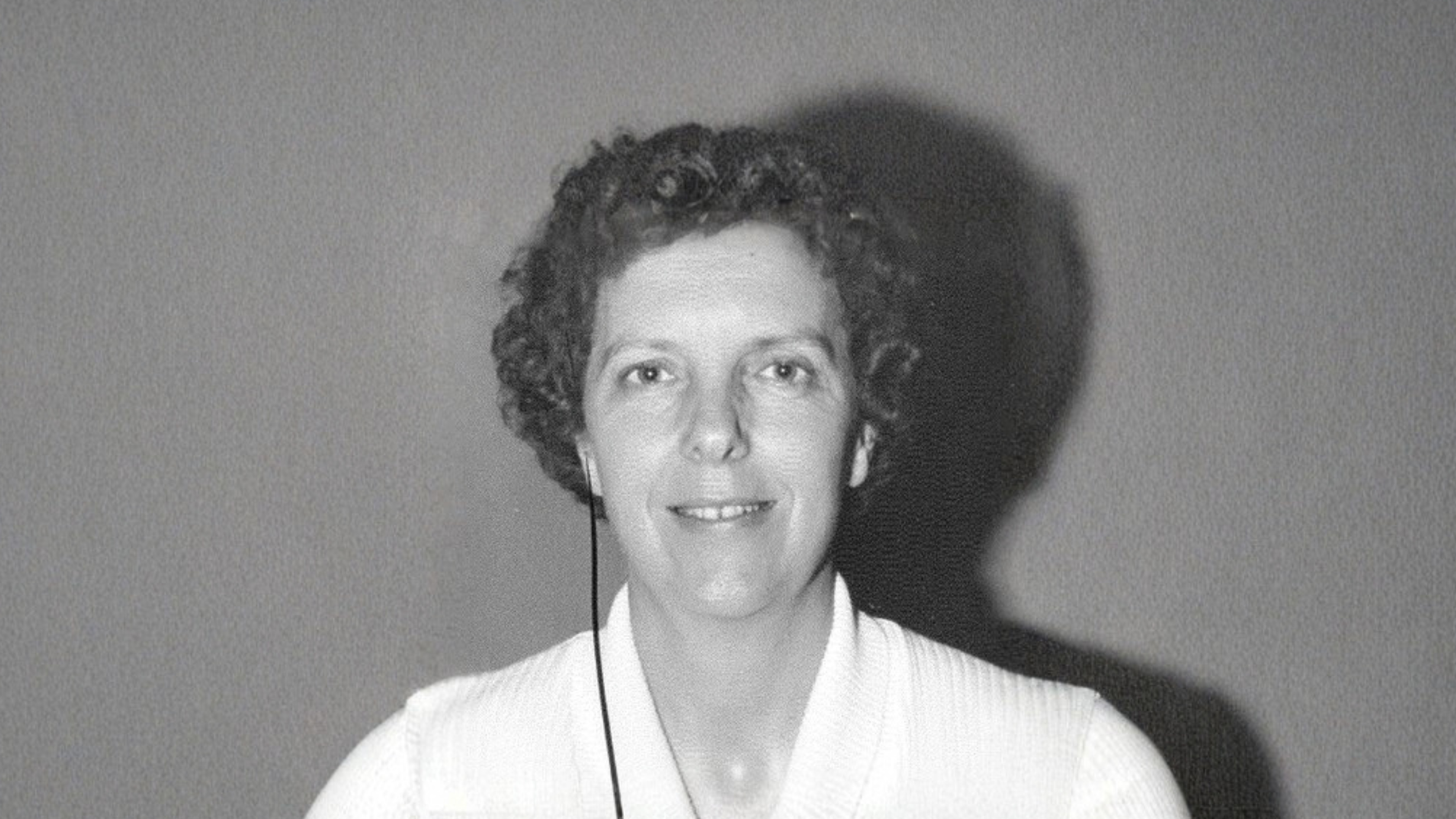
Jean was interested in whether everyday recommendations actually held up in practice.
In 1994, she and fellow researchers tested footwear used by leprosy programs around the world: a Chinese tennis shoe, a Mozambique sandal, Bombay sandals and a specialist extra-depth shoe from the United States.
One finding stood out: the specialist shoe was not automatically the best protection. Worn without an insole, the extra-depth shoe was no better than walking barefoot at reducing concentrated pressure on the sole. What mattered more was the insole. Thicker insoles reduced pressure at the parts of the foot most vulnerable to damage. Later research across eight leprosy programs reached a similar conclusion: with the right insole, the model, material and cost of the shoe mattered far less. Effective protection did not have to depend on expensive specialist footwear.
Then there was the ballpoint pen.
Health workers sometimes used an ordinary pen to test whether someone could feel light pressure on their hands or feet, but Jean and her colleagues warned that pressing too firmly could make a person with reduced sensation appear to feel more than they really could, so nerve damage could be missed.
In 2002, they set out how the test should be done: touch just enough to move the skin slightly, without making it blanch.
Jean had helped write guidance on sensory testing in 1968. Thirty-four years later, she was still thinking about how lightly a pen should touch the skin.
Teaching what worked
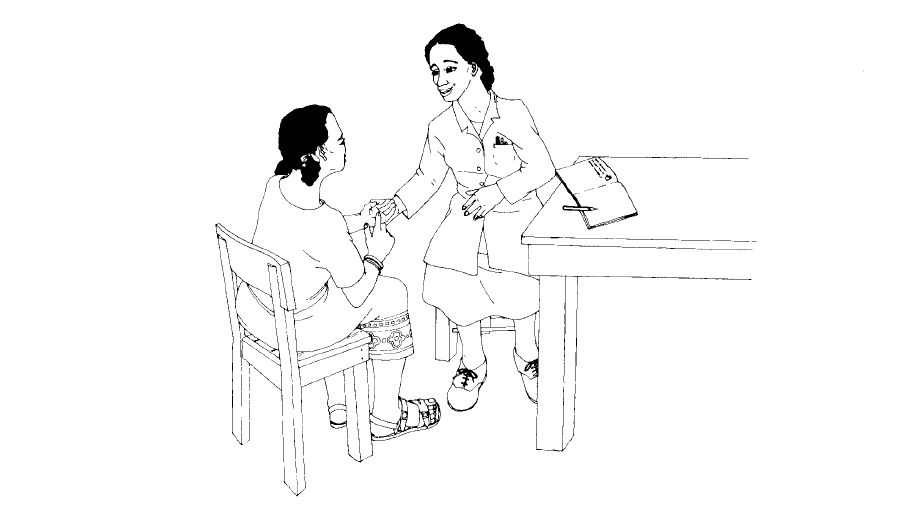
After Karigiri, Jean worked for The Leprosy Mission in Hong Kong and Malaysia, and later at the Darwin Leprosy Hospital in Australia, helping build physiotherapy services and train local staff. She then spent seven years as Chief of Physiotherapy at the All-Africa Leprosy and Rehabilitation Training Centre (ALERT) in Addis Ababa, Ethiopia, where she trained hundreds of leprosy workers from across Africa. From 1979, she worked internationally for The Leprosy Mission, advising programs on rehabilitation and preventing disability.
In a two-year project in China involving thousands of people affected by leprosy, the results were striking. Regular hand self-care was linked to an 80 per cent reduction in cracks and wounds on the hands, while cracks on the feet fell by 83 per cent. The figures put real weight behind the everyday routines Jean had spent years teaching.
In 2011, Jean was still warning that health workers could miss the signs. Writing from China, she said nerve lesions did not consistently “trigger thoughts of leprosy” in neurology departments, delaying diagnosis and treatment. One patient had undergone tendon-transfer surgery for a paralysed hand before anyone identified leprosy as the cause.
The case underlined why training still mattered: health workers could see and even treat the consequences without recognising leprosy as the cause.
Remembering Jean
Jean died in London on 18 December 2025. She had been appointed an OBE in 1988 for her work with people affected by leprosy.
Jean’s Christian faith was an important part of her life. Janet Walmsley, who knew her through The Leprosy Mission, described her as someone who “served the Lord whole-heartedly”.
While working in Yunnan with people affected by leprosy, Jean was introduced to Zhang Qin, an acid attack survivor who had been 15 when a man threw a bowl of concentrated acid over her face as she left school. Zhang remembered Jean taking her hands and telling her, “I will help you, God will help you and God loves you.” Jean began visiting Zhang regularly and brought others in to support her.
When she received the International Gandhi Award in 1996, its citation described her writings and teaching as “a treasure for health workers all over the world”. After her death, her colleague Jannine Ebenso remembered Jean as “our teacher, mentor and friend”. She said she still reached for Jean’s books and learning materials when explaining something to a newcomer because “they make things so simple to understand”.
Even as her health became frail, Jean kept asking how The Leprosy Mission was doing and about old friends she had made around the world.
The young physiotherapist from Nottingham who travelled to Karigiri in 1960 went on to shape leprosy care across continents. More than half a century later, her methods were still helping health workers recognise nerve damage, prevent disability and respond to a disease that, despite what many people assume, is still a thing.
For more stories like this, you can browse our full collection here!