

If you’ve ever Googled “What is Hansen’s Disease?” or “Why is leprosy called Hansen’s Disease?” you’re not alone. The two names are often used interchangeably, and the answer is more than a matter of semantics. It touches on science, stigma, history, advocacy and even faith.
Here’s the full story of how these two terms came about, why some people prefer one over the other, and why The Leprosy Mission has chosen to continue using the word “leprosy.”
What’s Hansen’s Disease?
Hansen’s Disease is another name for leprosy, a chronic infectious disease caused by Mycobacterium leprae. It mainly affects the skin and peripheral nerves, and if untreated, can cause disability.

The symptoms of Hansen’s Disease can include patches of skin that are lighter or darker than the surrounding area, numbness, muscle weakness in the hands or feet, and sometimes damage to the eyes or nerves. Thanks to modern medicine, the disease is curable with a course of Multi-Drug Therapy (MDT).
So, what is Hansen’s Disease commonly known as? The simple answer: leprosy.
Who uses which term today?
The language used varies around the world:
- United States & Brazil: “Hansen’s Disease” is widely used in medical and governmental contexts (HRSA: National Hansen’s Disease Program).
- India, Nepal, Africa and much of Asia: “Leprosy” remains the standard term.
- World Health Organization (WHO): WHO generally uses “leprosy”, though it sometimes references “Hansen’s Disease” for clarity.
- Advocacy groups: Some prefer “Hansen’s Disease” to avoid stigma, while others—like The Leprosy Mission—continue to use “leprosy” to strengthen recognition and advocacy.
Why some people avoid the word “leprosy”
The word “leprosy” is ancient, and with it comes centuries of misinformation. Myths that it was highly contagious, incurable, or even a punishment from God caused devastating social stigma.

Even today, in some places, a diagnosis can lead to broken families, lost jobs and lifelong exclusion. The CDC highlights stigma as a continuing issue, and the WHO works to correct myths and facts about leprosy. Advocates who prefer “Hansen’s Disease” believe replacing the word helps reduce fear and prejudice in societies where stigma is still deeply rooted.
So, who was Gerhard Hansen?
The push to rename leprosy began with Gerhard Armauer Hansen, a Norwegian doctor. In 1873, he discovered Mycobacterium leprae, the bacterium that causes the disease. It was the first time a bacterium had been identified as the cause of a human disease, and it marked a turning point in medical science.
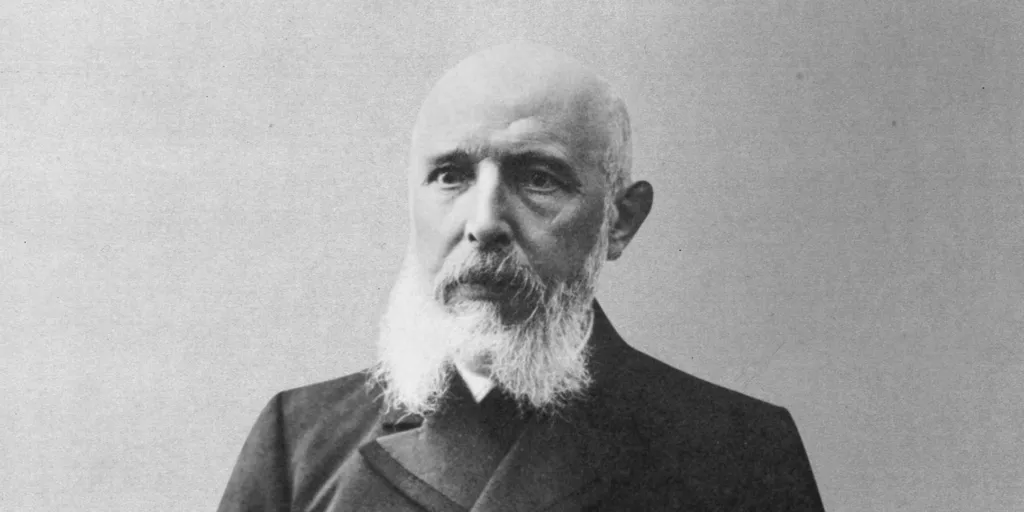
Although Hansen made a groundbreaking discovery, his colleagues insisted he provide further proof by growing the bacteria on artificial media and demonstrating infection in animals—tasks he was unable to accomplish.
Frustrated, Hansen began unsanctioned experiments to inoculate leprosy patients against the bacteria. In one such case, the courts found that his patient did not consent to Hansen’s experimental inoculation attempt. As a result, Hansen was dismissed from his position as resident physician at the leprosy hospital in Bergen.
For this reason, many argue his name should not be celebrated in medical terminology today. It is important to note, though, that among the medical community, his work was more accepted, with Hansen retaining his accreditation as medical officer of health for leprosy of Norway until his death.
The problem with naming diseases after people
“Hansen’s Disease” also highlights a broader issue: naming diseases after individuals is increasingly considered outdated. Firstly, anyone who shares the name with the scientist can be stigmatised by association with a disease, rather than a scientific achievement.
Secondly, science is now recognised as a communal effort. Discoveries rarely belong to one person alone, and even when credited to a single figure, history often overlooks the contributions of others—especially women, people of colour, and those from marginalised communities.

In fact, science has probably always worked this way, even if the recognition didn’t. By naming a disease after one person, we risk writing others out of the story. Some argue that it’s time to abandon eponyms altogether.
The problem with naming diseases after places
The same applies to geography. Diseases once called “Spanish flu,” “Middle East Respiratory Syndrome” or “Zika virus” unfairly linked illnesses with specific regions or people groups, fuelling prejudice. We know that the 1918 Spanish Flu pandemic wasn’t actually Spanish in origin at all. To avoid such stigma, the WHO now discourages geographic names for diseases.
Today’s naming conventions
To address this, the International Classification of Diseases (ICD) discourages naming diseases after people, places, or animals. Instead, it recommends descriptive names based on what the disease affects: the body system, the pathogen, or the symptoms.
That’s why we now see names like Severe Acute Respiratory Syndrome Coronavirus 2 (SARS-CoV-2) or COVID-19. The WHO’s naming guidance explains how this approach reduces stigma and improves clarity.
The shortcomings of descriptive naming
But descriptive names have limitations too. They can be long, clinical and inaccessible to the public. While “COVID-19” caught on quickly, imagine trying to build awareness campaigns around “Mycobacterium leprae–associated peripheral neuropathy.”
Language only works if people use it. And with a disease like leprosy—where advocacy, awareness and treatment access are so vital—clarity and recognition are non-negotiable.
What could be lost if we stop using the word “leprosy”?
If the word “leprosy” were dropped entirely, something important could be lost. The term carries weight in history, religion, literature and culture. It connects directly to the stories of people who endured stigma—and those who stood with them.
Think of Mother Teresa, who tenderly cared for people with leprosy when others turned away. Or Princess Diana, who shook hands with leprosy patients in front of the cameras, breaking taboos in direct opposition to UK media’s cautioning. And for Christians, think of Jesus, who healed and embraced people with leprosy, providing an earthly example of a gracious and loving God.

Leprosy’s story is not just one of exclusion. It is also a story of radical inclusion—of compassion against the odds. To erase the word “leprosy” risks erasing that countercultural history too.
Why The Leprosy Mission uses “leprosy”
For The Leprosy Mission, the decision is clear: we use “leprosy.”
Not because we are blind to stigma—quite the opposite. We use the word to reclaim it, to shine a light on truth and dismantle myths. We use it because advocacy depends on clarity and visibility. And we use it because the story of leprosy, with all its pain and redemption, is worth telling honestly.
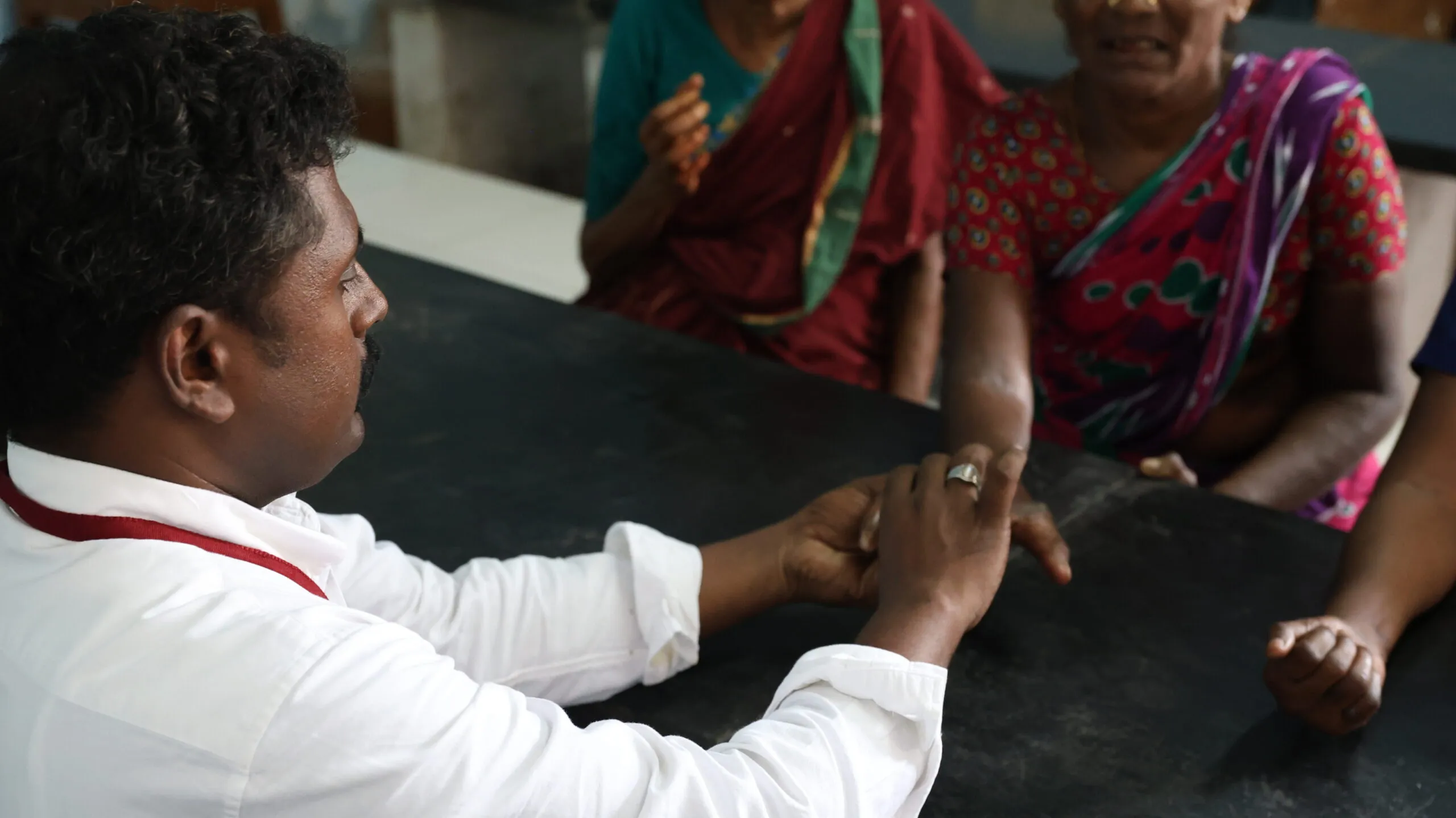
At the same time, we deeply respect those with lived experience who prefer the term “Hansen’s Disease.” Language is personal, and people affected by this disease deserve the dignity of naming their own experience, and the freedom to do so in language they find empowering.
So, what’s the best decision?
There may never be a perfect answer. The truth is, “leprosy” and “Hansen’s Disease” will continue to exist side by side. Each term has strengths and shortcomings.
But here’s what we know:
- The name Hansen’s Disease honours a discovery, but ties us to a problematic legacy.
- The name leprosy carries stigma, but also advocacy power, global recognition and a story of compassion that must not be forgotten.
The Leprosy Mission has chosen to speak the word “leprosy” openly, with courage and compassion. And in doing so, to stand with people affected by this disease until stigma is gone, cures are accessible, and every person is treated with dignity.

For more stories like this, you can browse our full collection here!