
International Women’s Day invites us to pause and recognise the women whose courage, leadership and compassion have shaped our world for the better.
In the history of leprosy, women have played extraordinary roles. Some worked in laboratories, searching for treatments that could bring relief to people living with the disease. Some cared for patients when others were afraid to come near. Some used their influence to challenge stigma. Others spoke from their own lived experience, demanding justice and dignity for those affected.
Here are five women whose work helped transform that story.
In the 1980s and 1990s, fear of leprosy still led to rejection and isolation in many parts of the world. Although medical science had long established that leprosy is curable and not spread by casual contact, public fear remained deeply entrenched.
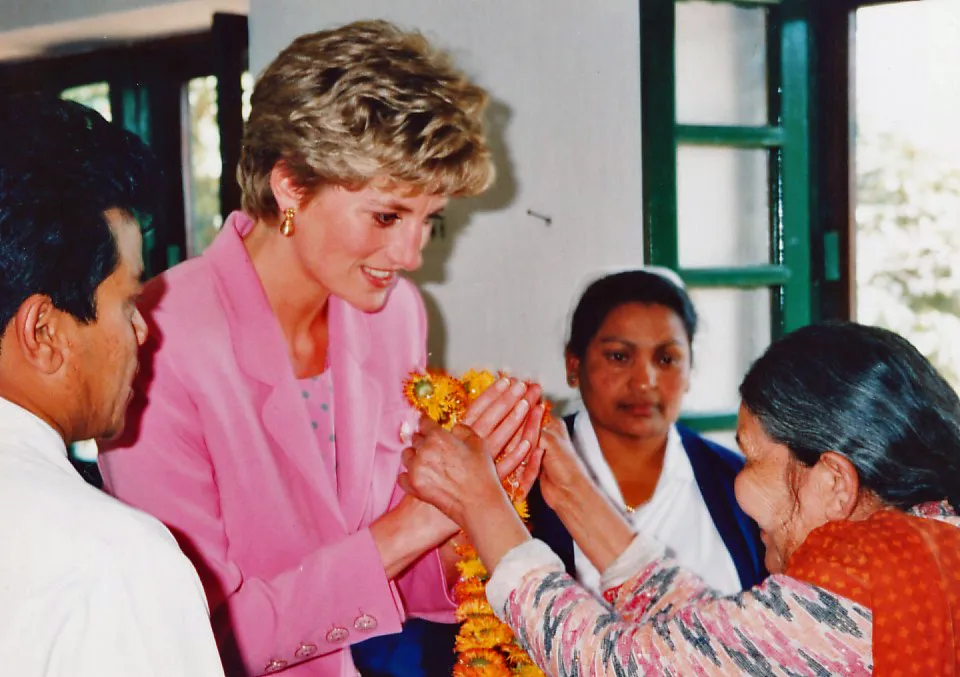
Diana, Princess of Wales understood that changing attitudes required more than facts. It required something visible and human.
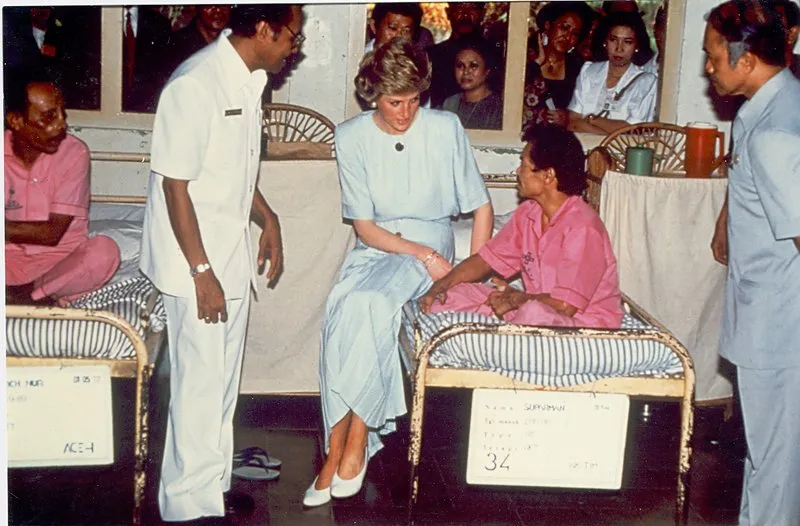
During visits to leprosy hospitals in Nepal and Indonesia, she sat with patients, spoke with them, and held their hands without gloves. In a world still afraid of touch, this simple gesture carried enormous power.
Images of Diana’s actions travelled around the world, helping to challenge misconceptions and humanise a disease that had long been associated with fear and exclusion.
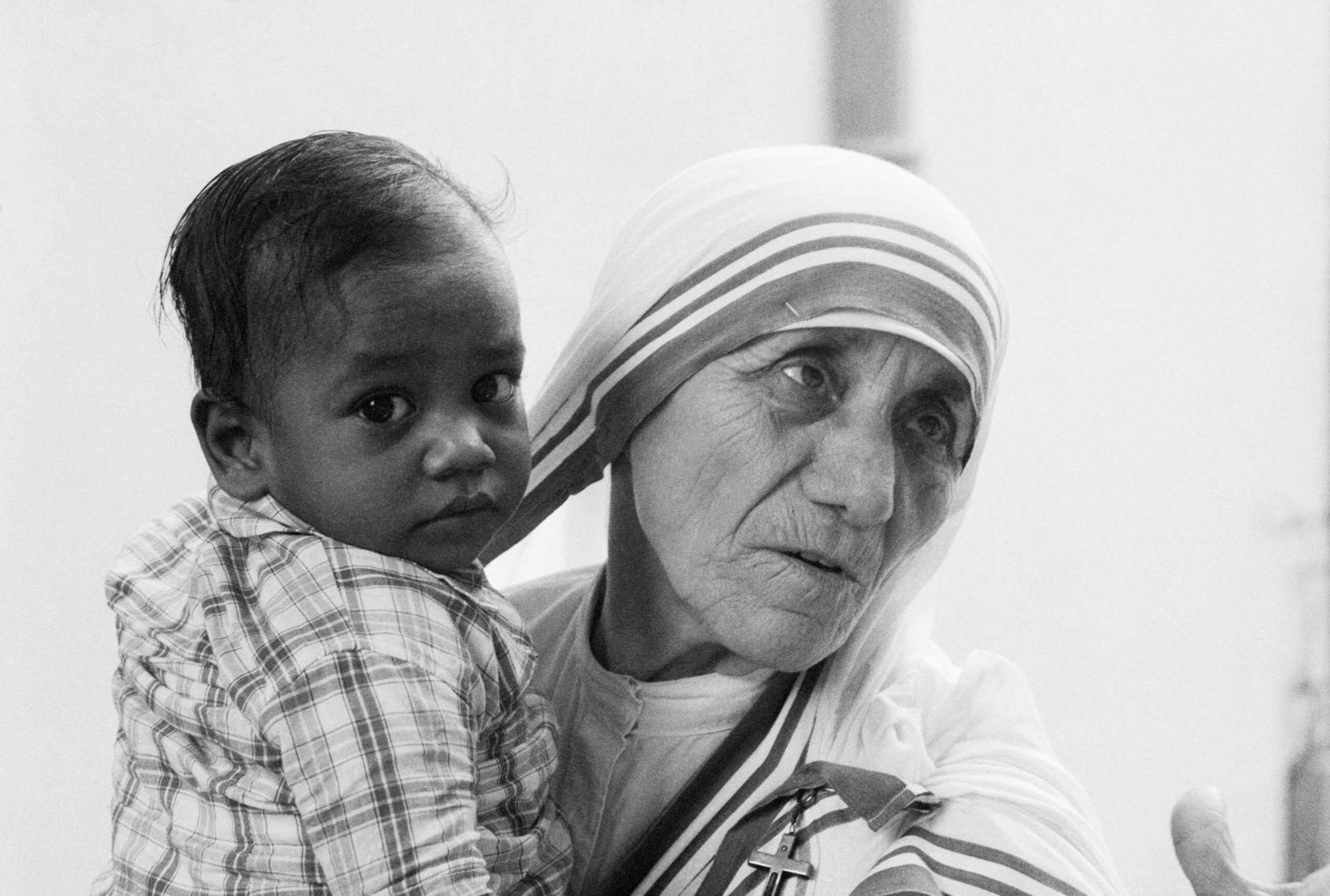
For decades, Mother Teresa and the Missionaries of Charity served people affected by leprosy across India.
At a time when many feared the disease, she established clinics, visited communities, and provided care to those who had been rejected or forgotten. Her work was grounded in a simple conviction: that every person, regardless of illness or circumstance, deserved dignity, compassion and love.
Her example helped draw global attention to the suffering caused not only by disease, but also by stigma.
These stories remind us that the fight against leprosy has never taken place in just one arena. It has unfolded in laboratories, hospitals, communities and global institutions. Women have helped drive that change in many different ways, through scientific discovery, medical care, public compassion and human rights advocacy.
Dr Grace Warren dedicated her life to the medical care of people affected by leprosy. Over a career spanning more than four decades, she pioneered reconstructive surgical techniques that helped restore movement and function to patients living with nerve damage caused by the disease.
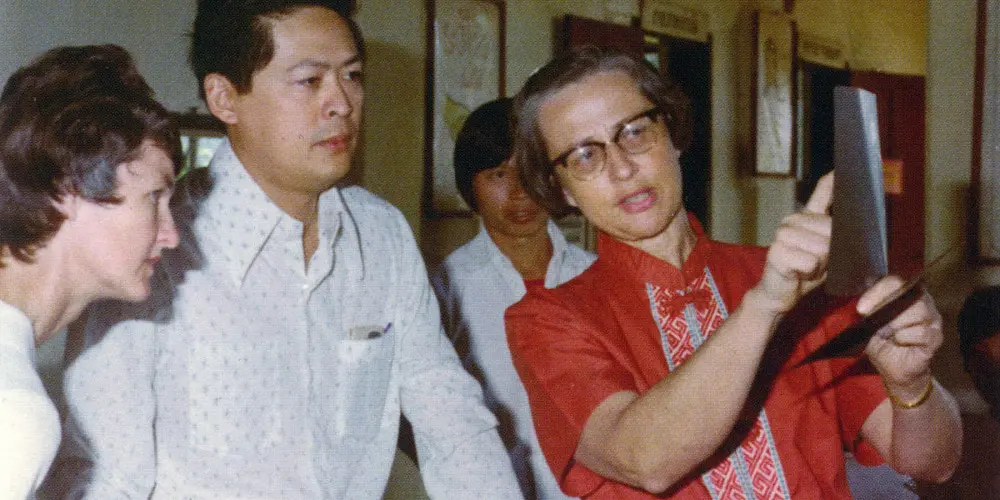
Working in Hong Kong and across Asia, she trained other surgeons and helped expand access to these life-changing procedures. Her work transformed treatment possibilities for thousands of people, restoring not only physical ability but also dignity and independence.
Among her patients, she was affectionately known as “the Old Dragon”—a strict surgeon who demanded discipline but cared deeply about their recovery.
In 1915, a young chemist named Alice Ball achieved what many scientists before her had failed to do.
At just 23 years old, she developed the first effective injectable treatment for leprosy. A brilliant young Black chemist, Ball discovered how to modify chaulmoogra oil so that it could be absorbed safely by the body, turning an unreliable remedy into a viable medical treatment.
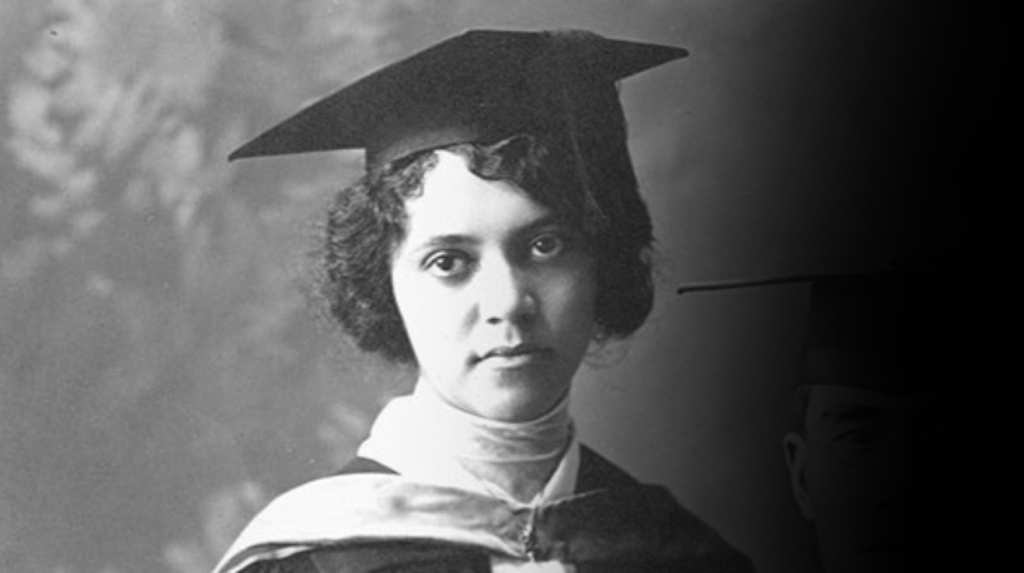
Her discovery offered new hope to people living in isolation in leprosy settlements around the world.
Her brilliance was undeniable. Recognition was not.
After her death at just 24, her work was published under another scientist’s name and became known as “the Dean Method.” Decades later, the historical record was corrected, and today her work is recognised as the Ball Method.
Today, the fight against leprosy also takes place in courtrooms, policy forums and international institutions.
Beatriz Miranda-Galarza serves as the United Nations Special Rapporteur on discrimination against persons affected by leprosy and their family members. Her work focuses on ensuring that governments and international organisations recognise leprosy not only as a medical issue, but also as a human rights issue.
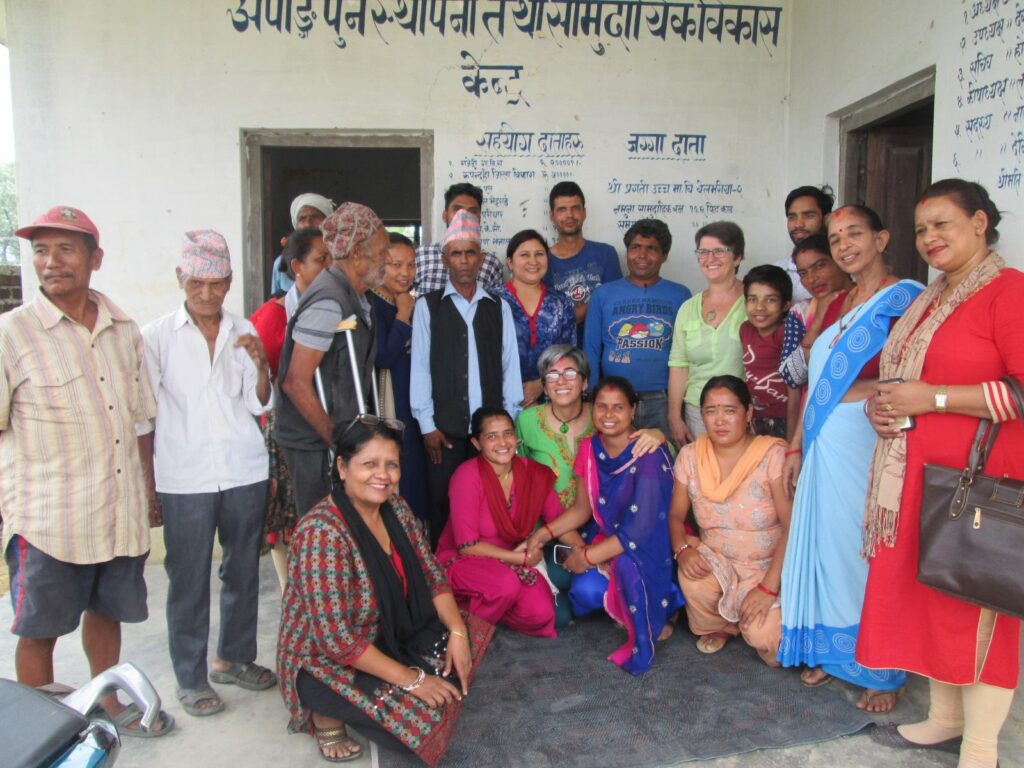
By bringing the voices and experiences of affected communities to global platforms such as the UN Human Rights Council, she continues to challenge discrimination and advocate for dignity, inclusion and justice.
These five women represent just a small glimpse of the many women who have shaped the story of leprosy.
Scientists, doctors, nurses, advocates and community leaders. Across generations, women have played a vital role in challenging stigma, advancing treatment, and standing alongside people affected by the disease.
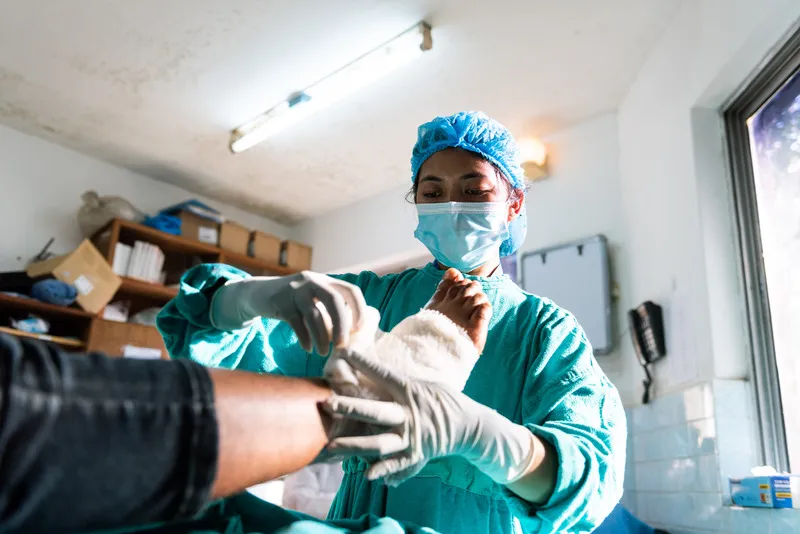
Their work reminds us that progress is never the work of one person alone.
It is built through courage, compassion, persistence and a deep commitment to human dignity—work that continues today.
For more stories like this, you can browse our full collection here!