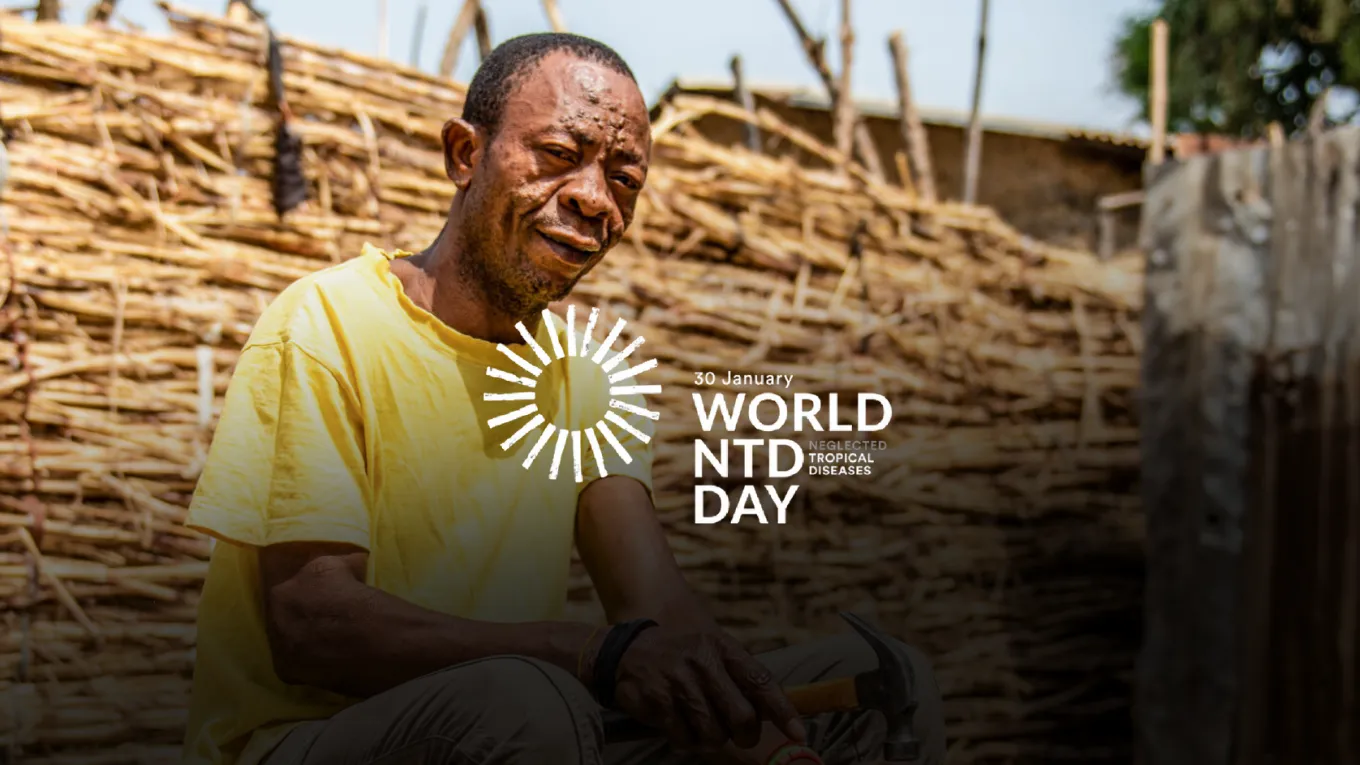
World Neglected Tropical Diseases (NTD) Day exists because certain diseases—and the people affected by them—have been systematically overlooked.
Neglected tropical diseases are a group of infectious conditions that primarily affect people living in poverty, often receiving less attention and funding than other global health priorities.
While there has been significant progress in recent decades, neglect continues to shape how NTDs are experienced and addressed. Neglect does not only appear as delayed diagnosis or limited access to treatment. It is also reflected in what happens to people after treatment ends—in their ability to return to work or school, to participate fully in community life, and to recover a sense of dignity and belonging.

World NTD Day invites us to look beyond disease prevalence alone and to reflect on a deeper question: what does neglect look like when it becomes lived experience?
NTDs are closely linked to poverty, inequality, and exclusion. They disproportionately affect communities with limited access to healthcare, education, secure livelihoods, and social protection.
When diseases are neglected, people often experience forms of neglect that extend beyond physical illness. Across NTD contexts, this can include stigma and discrimination, social isolation, disrupted education or employment, and longer-term emotional strain.
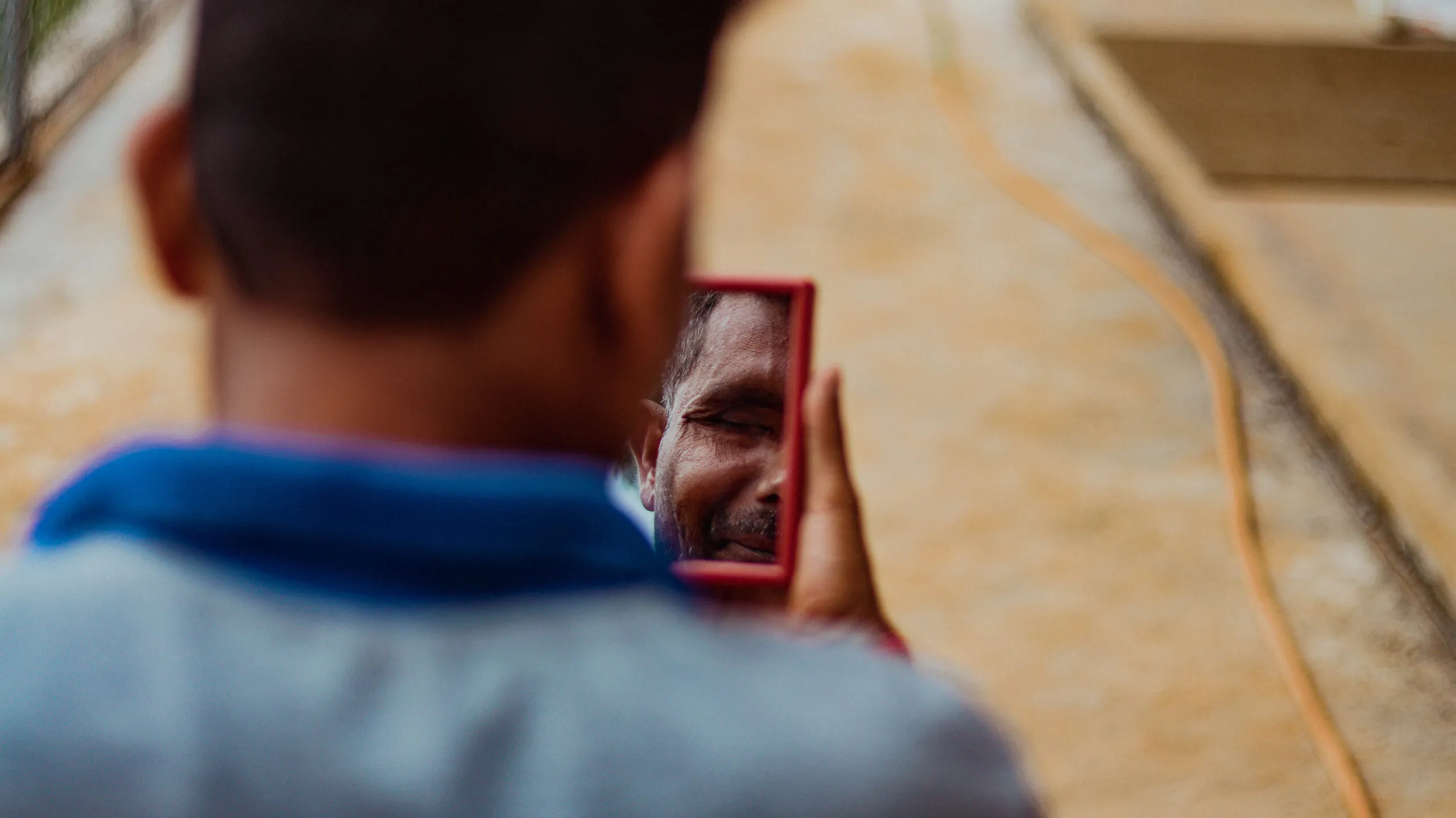
These outcomes are rarely the result of poor intent or ineffective programming. In many cases, they reflect structural limitations. Disease-specific programmes are often designed and funded to diagnose, treat, and interrupt transmission. They are not always mandated or resourced to address the longer-term social consequences that follow illness.
For many people affected by NTDs, emotional distress, loss of confidence, and internalised stigma can persist long after medical treatment is complete.
In the context of NTDs, mental wellbeing refers to the emotional, psychological, and social effects of living with disease, stigma, and exclusion—both during treatment and long after it ends. Mental wellbeing matters because it influences whether people feel able to seek care early, complete treatment, resume livelihoods or education, and re-engage confidently with their communities.
Emerging evidence and practitioner experience—including work in Nigeria and the Democratic Republic of Congo—suggest that when these dimensions are unaddressed, progress in other areas can remain fragile.
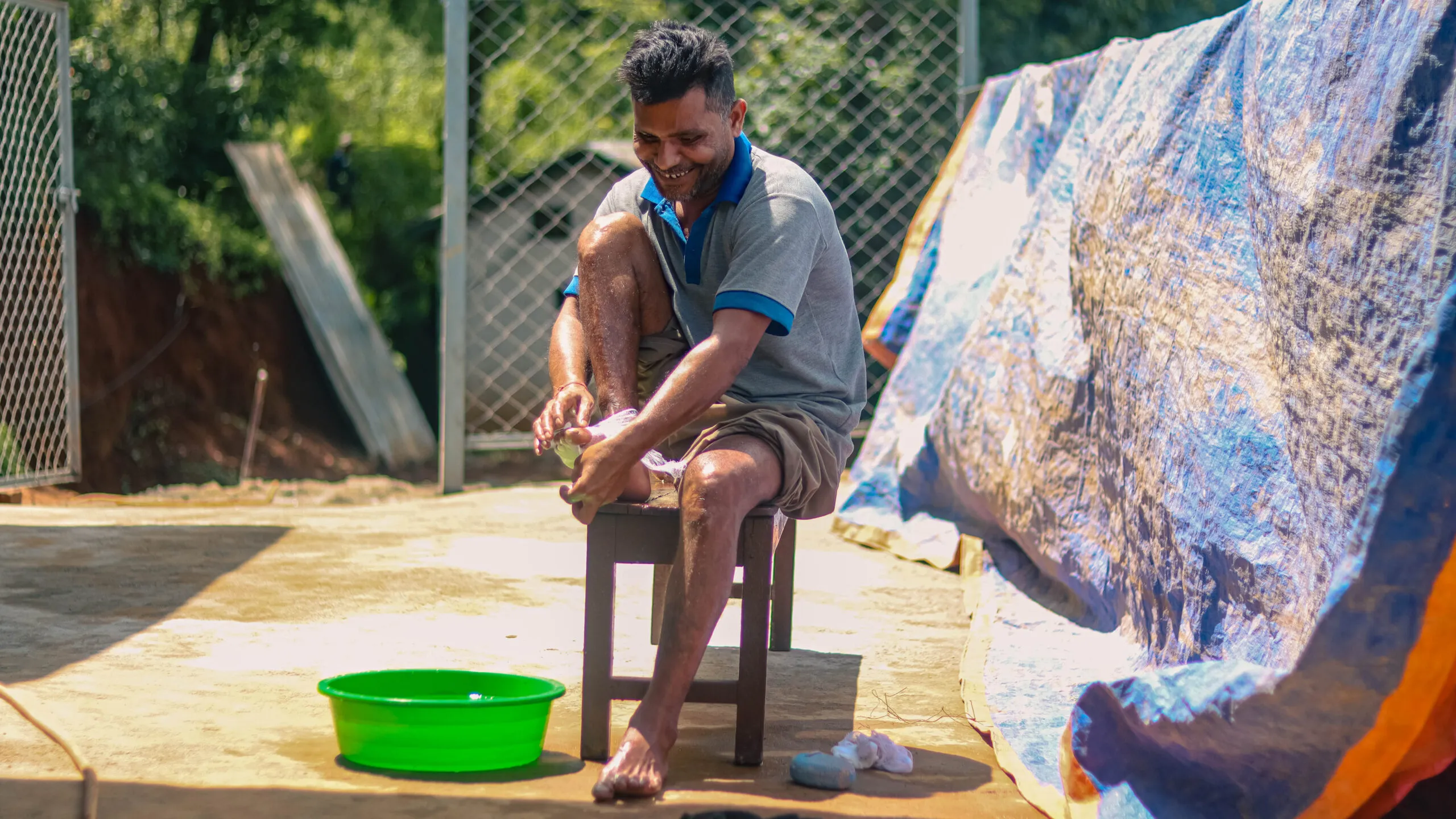
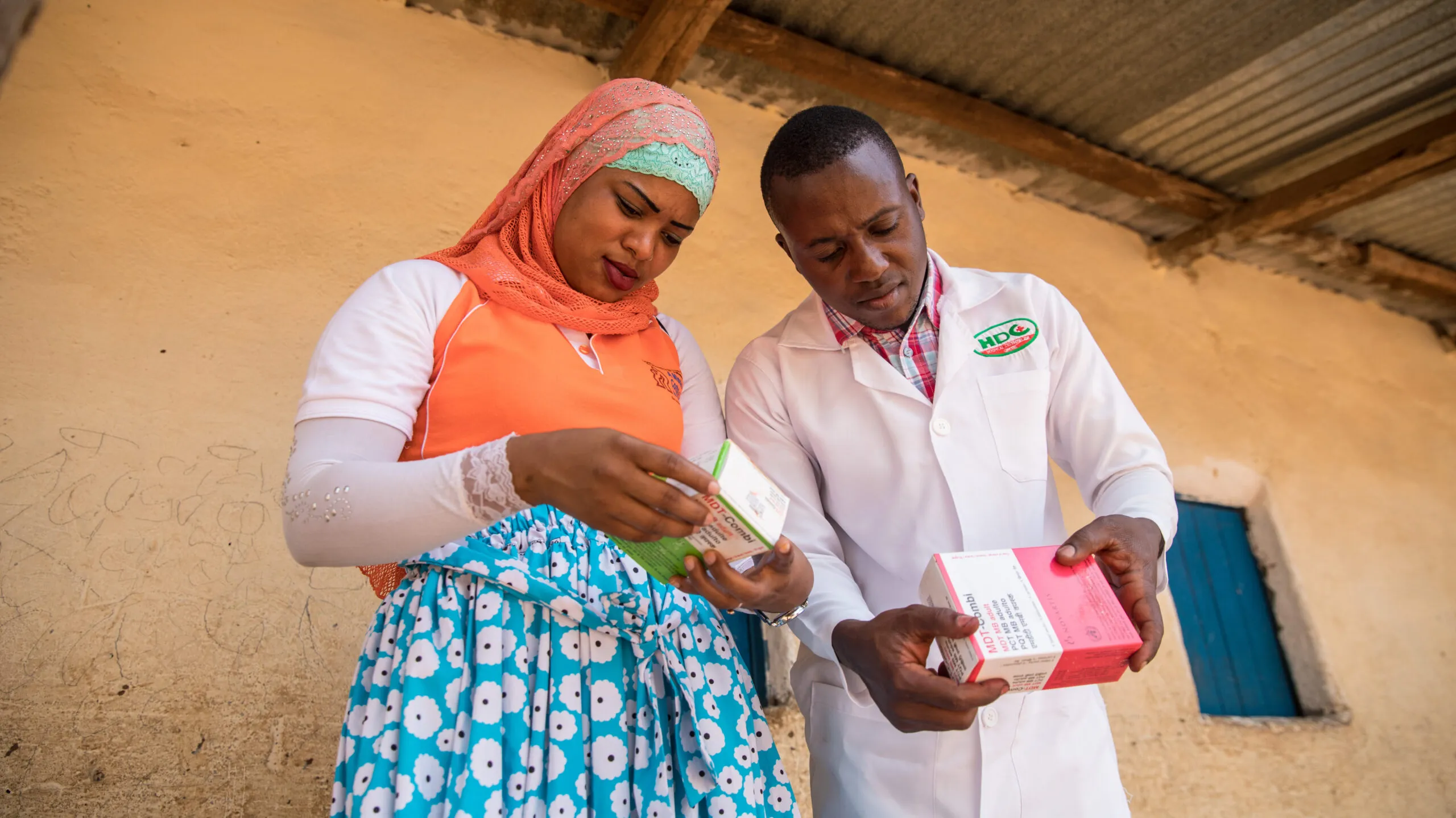
Leprosy provides a particularly clear example of how neglect can persist even after cure. The disease is treatable, yet stigma associated with leprosy remains among the most entrenched of any NTD.
Over time, leprosy programmes in many contexts have recognised that biomedical intervention alone cannot undo these effects. Community-based approaches—including peer support, self-help groups, livelihood initiatives, and advocacy—have emerged in response to the social and psychological consequences of exclusion.
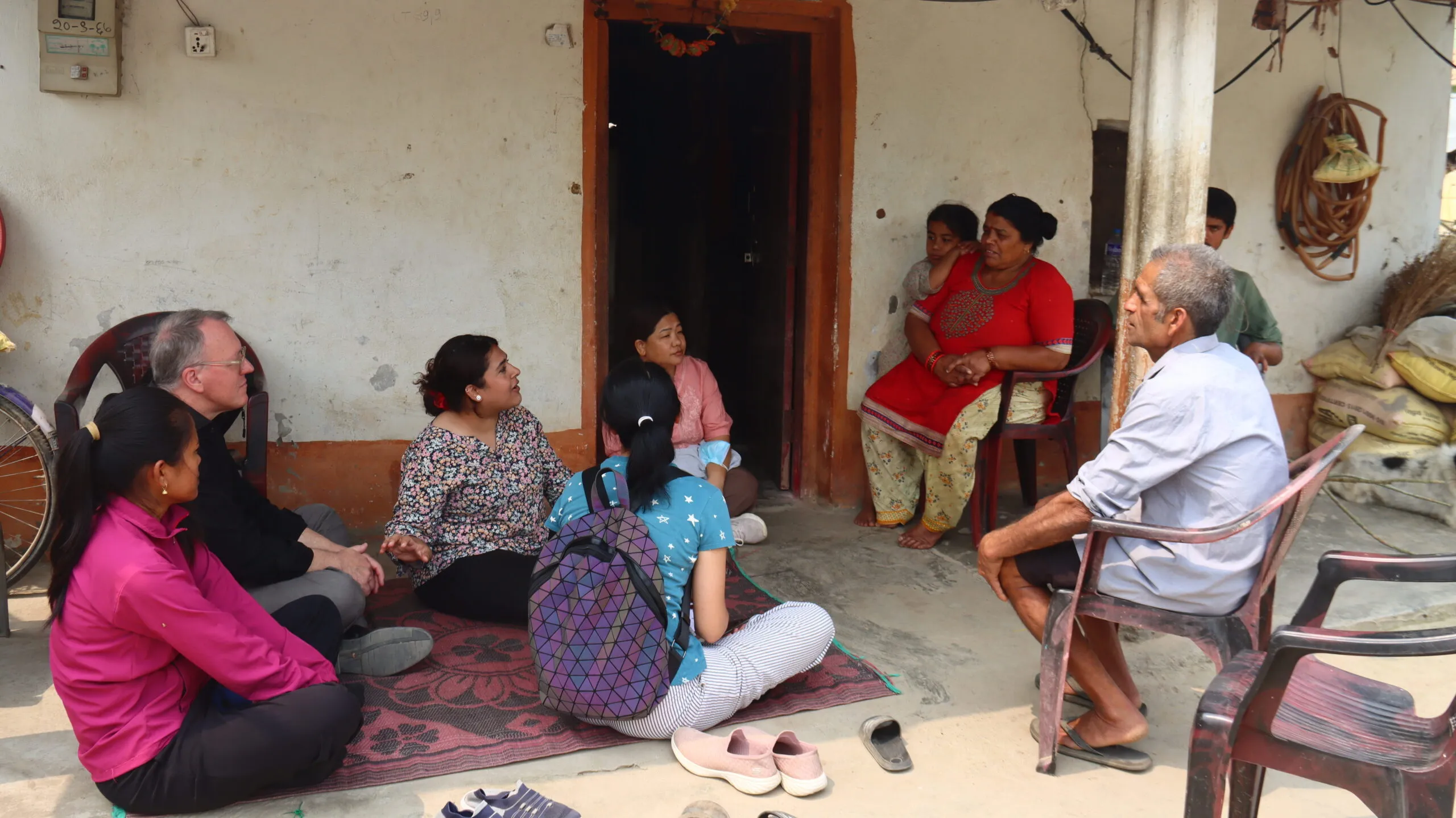
Ending NTDs depends on strong disease-control strategies. Diagnosis, treatment, surveillance, and prevention remain essential. At the same time, experience increasingly points to a gap between eliminating disease and restoring lives.
This does not mean existing NTD programmes are ineffective; rather, many are constrained by disease-specific mandates that do not extend to long-term social recovery. In many settings, the challenge is not the quality of programmes, but the absence of structures to support people once treatment ends.
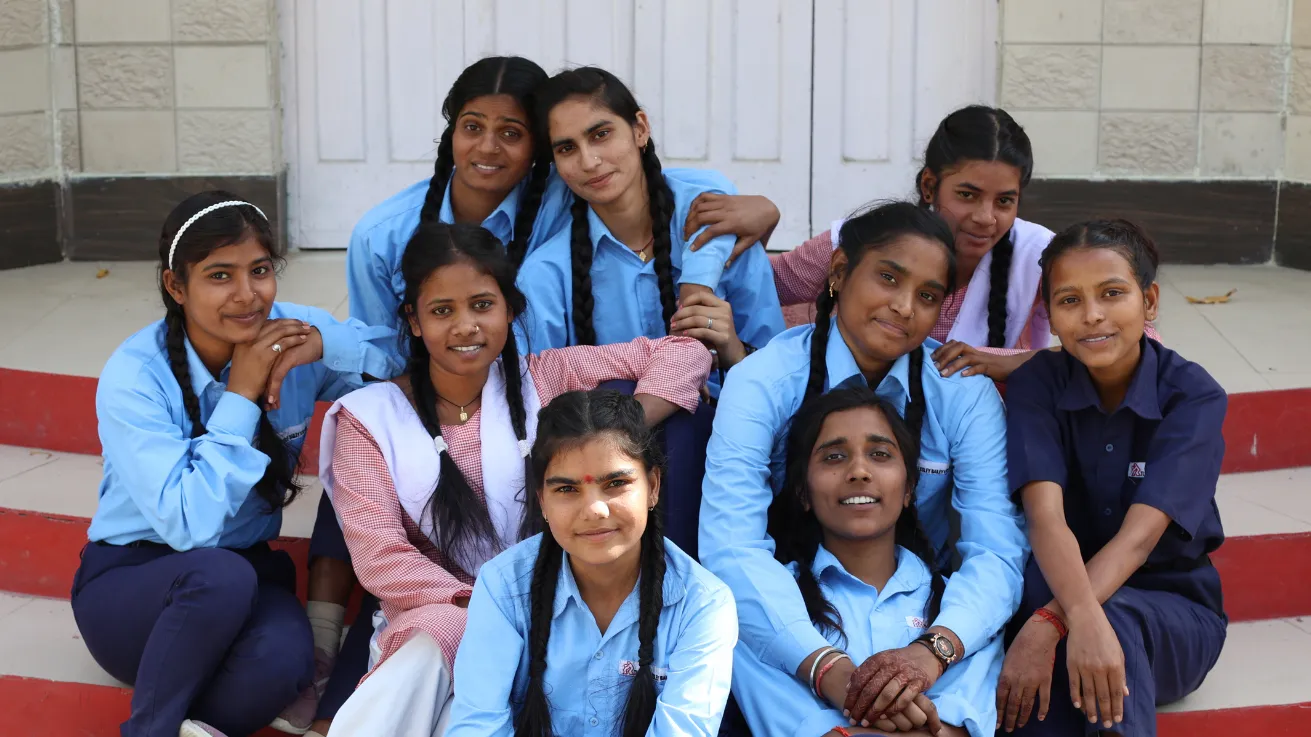
World NTD Day is both a moment to celebrate progress and an invitation to reflect honestly on what neglect still looks like today. Ending NTDs requires attention to what happens before, during, and after treatment—so that elimination translates into restored lives, not unfinished recoveries.
For more stories like this, you can browse our full collection here!