Discrimination does not announce itself. It settles into systems—into law, healthcare and classrooms—quietly deciding who belongs.
On Zero Discrimination Day, observed each year on 1 March, we are asked to imagine a world in which no one is treated as less than because of who they are.
It sounds aspirational. It is, in truth, structural.
This year’s theme, “People First,” is deceptively simple. It asks whether our systems are designed around human dignity—or around comfort for the majority.
Discrimination rarely begins with spectacle. It begins quietly, in assumptions. In inherited fears. In the belief that difference is dangerous, inconvenient or in need of correction. Over time, those beliefs calcify. They become policy. They become practice. They become the air people breathe.
When Cure Is Not Enough
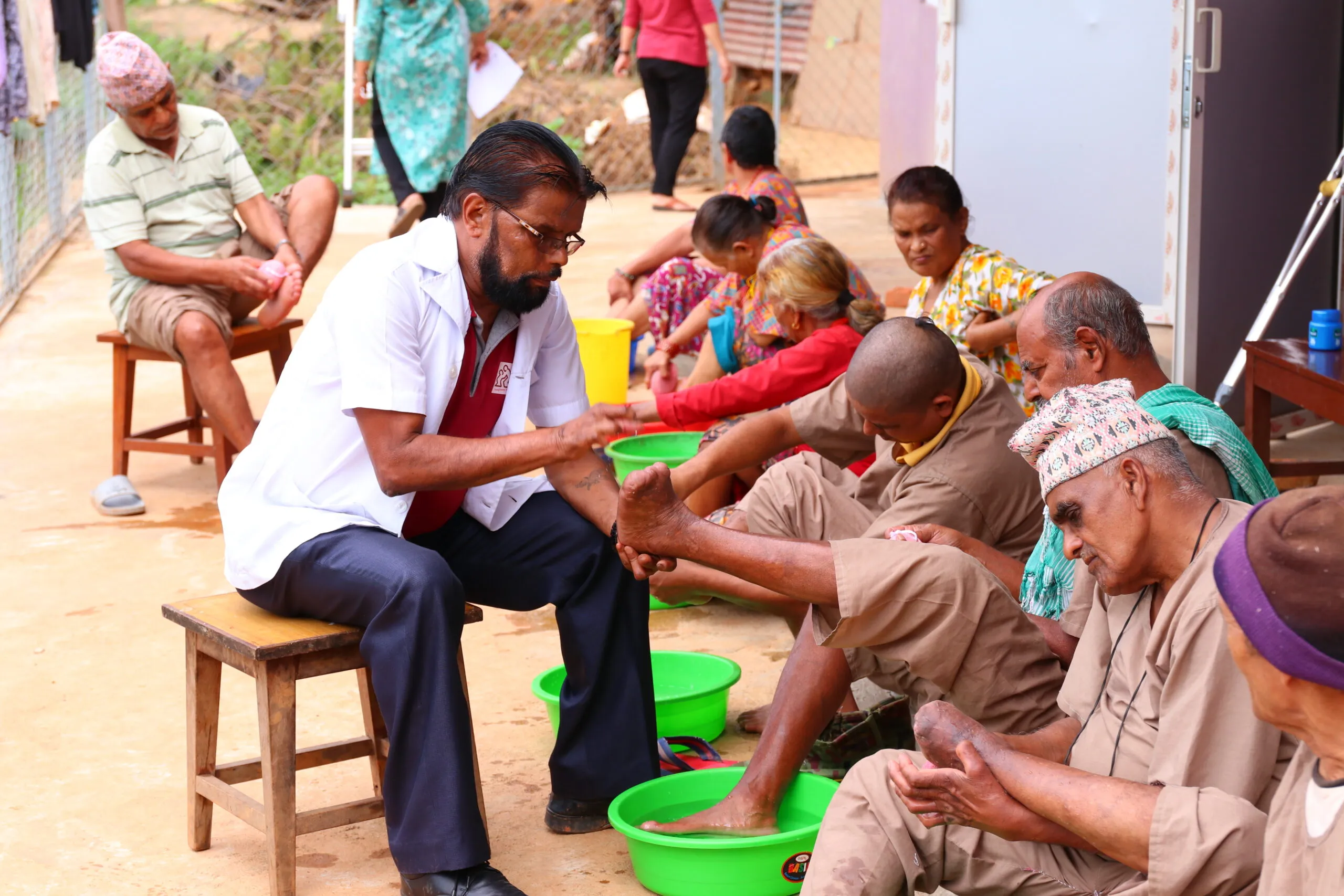
For generations, people affected by leprosy have lived inside that air. Though leprosy is curable, stigma lingers long after treatment. In many countries, laws that reference the disease remain on the books, limiting rights in employment, civic participation, marriage and access to services. Families have been torn apart by exclusion. Livelihoods have been restricted by prejudice—not because of active infection, but because fear outlives diagnosis.
Medicine can cure disease. It cannot cure fear.
When Stigma Becomes Dangerous
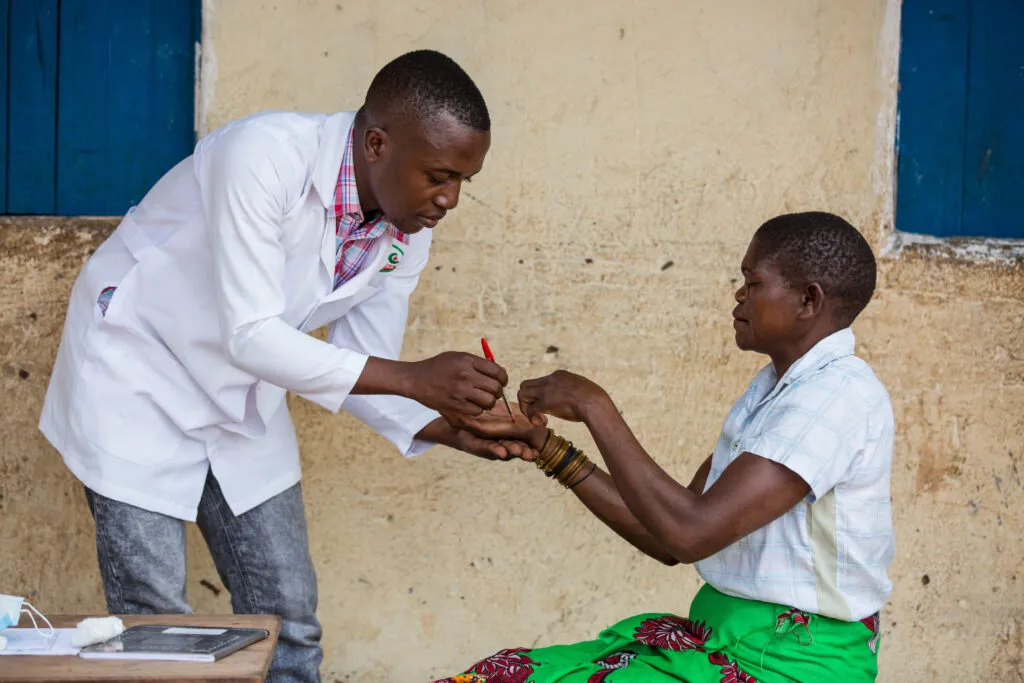
Zero Discrimination Day, led by UNAIDS, draws attention to the prejudice faced by people living with HIV. Despite decades of medical advancement, inequity persists in healthcare settings, workplaces and families. Oftentimes, the virus can be managed. The social consequences can be isolating and enduring.
And they are not merely emotional. When people avoid testing, delay treatment or withdraw from care because they fear rejection, the consequences become dangerous. Delayed access to treatment interrupts life-saving medicine. Distrust in health systems deepens. Places meant to heal become spaces of fear.
The burden is not evenly distributed. For many women and girls living with HIV, social bias intersects with gender inequality—manifesting in coercion, mistreatment and diminished autonomy in healthcare and community life.

The same pattern appears in leprosy. When fear drives people to hide early symptoms, when communities ostracise those diagnosed, when laws reinforce marginalisation, the result is delayed treatment and preventable disability. The disease may be curable, but prejudice magnifies its impact.
Across diagnoses and continents, the pattern repeats. The harm is biological, but it is also relational and structural.
Listening Beyond Speech
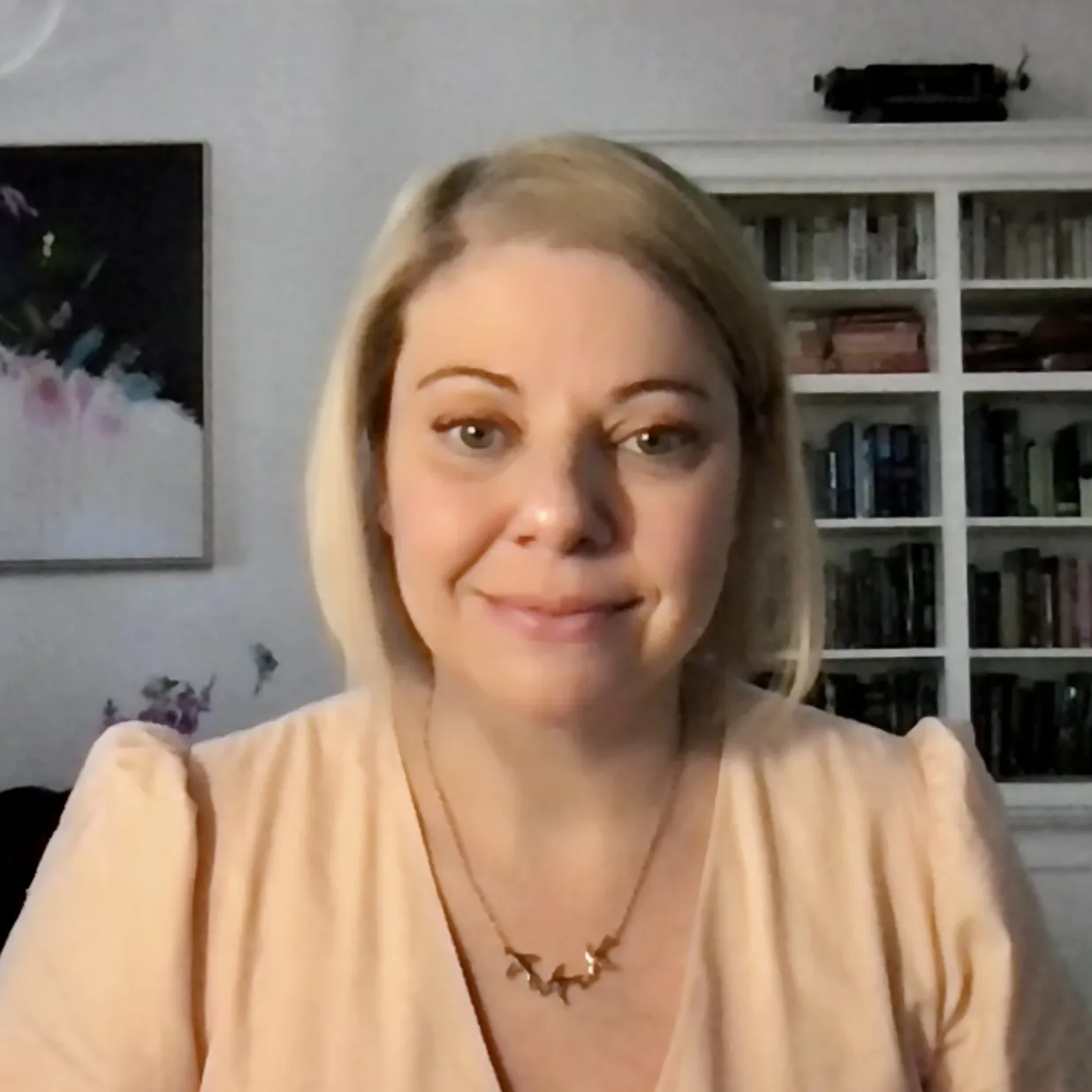
As the parent of an autistic son, I have seen how quickly differences can be misread. I have watched silence interpreted as a lack of intelligence. I have felt the subtle shift in a room when his behaviour does not align with expectations. I have sat in meetings where discussions about his education felt more preoccupied with limitation than possibility.
He does not use spoken words to communicate. That does not mean he does not think deeply, feel intensely or understand the world around him. It means the world must learn to listen differently to hear him—through his gestures, expressions, technology use, behaviour and trust.
I have also had to confront my own assumptions. I have had to unpack the quiet ableism I did not realise I carried—the belief that speech equals competence, that independence must look a certain way, that success follows a narrow path. Loving my son has required me to widen that definition.
Building for Belonging
This is how discrimination sustains itself. Not only through cruelty, but through narrow definitions of what is acceptable or “normal.”
When societies decide who fits and who does not, exclusion becomes easier to justify. Systems are built for those who fit easily within them, with the expectation that everyone else will adjust.
To put people first is to reverse that logic. It is to design systems around dignity rather than convenience.
Zero discrimination does not ask us to erase differences. It asks us to detach shame from it.
It asks us to ensure that a person affected by leprosy is not defined by myth.
That a person living with HIV can seek care without fear.
That a child who communicates differently is met with respect rather than reduced expectations.
Discrimination tells a story about who belongs. It arranges the world accordingly.
Dignity, however, does not depend on arrangement.
It is not earned through health, productivity, speech or conformity. It is inherent.
And yet systems matter. Laws matter. Healthcare settings matter. Classrooms matter. The assumptions made in boardrooms matter.
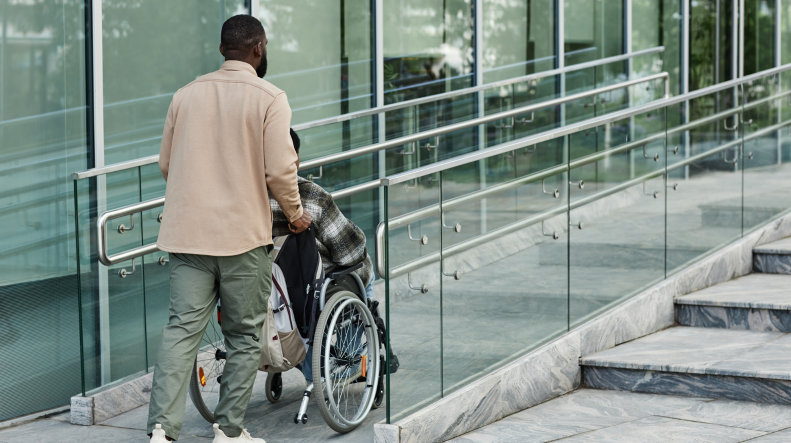
Discrimination is cumulative. It lives in architecture—in who is considered when spaces are designed and policies drafted.
Organisations such as UNAIDS and The Leprosy Mission Australia work not only to treat disease, but to dismantle the structures that make diagnosis a social sentence.
Zero discrimination is not sentimental. It is rigorous. It asks us to examine what we have normalised. It asks us to widen our definitions. It asks us to listen—especially when listening requires change.
Perhaps that is where it begins. Not in grand declarations, but in the quiet refusal to accept that anyone’s difference should cost them their dignity.
Learn More
Learn more about Zero Discrimination Day and follow the global movement led by UNAIDS:
https://www.unaids.org
https://www.facebook.com/UNAIDS
For more stories like this, you can browse our full collection here!