At 15, Eli has already missed nearly two years of school and is facing an amputation. Her story shows why reaching children earlier matters — and why The Leprosy Mission Australia is combining screening for skin diseases with deworming in Papua New Guinea.
Leprosy was eliminated as a public health problem in Australia in 1991. Just across the Coral Sea, in Papua New Guinea, it is still shaping the life of a 15-year-old girl named Eli.
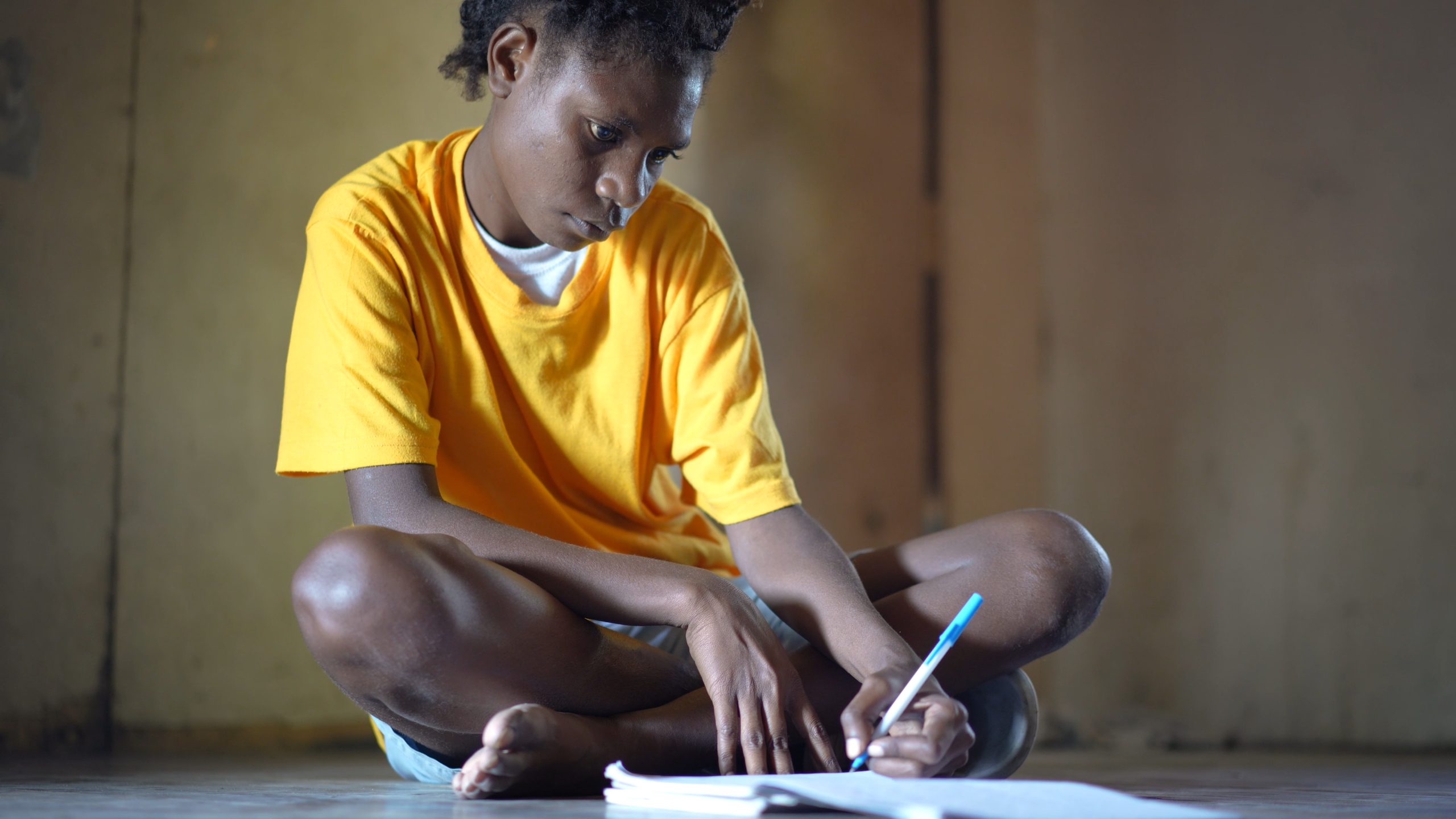
For nearly two years, Eli has been unable to attend school. “I miss school so much,” she says. “I think about it every day.”
The reason is a severe ulcer on the sole of her right foot that developed after leprosy damaged the nerves in her foot. Eli first showed signs of the disease when she was four, but it was not recognised until later. Although leprosy is a curable bacterial infection, delayed diagnosis can lead to lasting nerve damage and serious complications.
For Eli, the ulcer has become so severe that doctors say she will need an amputation below the knee. Along the way, she has also faced stigma from people who misunderstand how leprosy spreads.
Yet when she talks about the future, she still has big dreams. Eli hopes to return to school and, most of all, become a doctor.
“I want to help people like me,” she says. “People with deformities and sickness like leprosy. I want to care for them so they don’t suffer.”
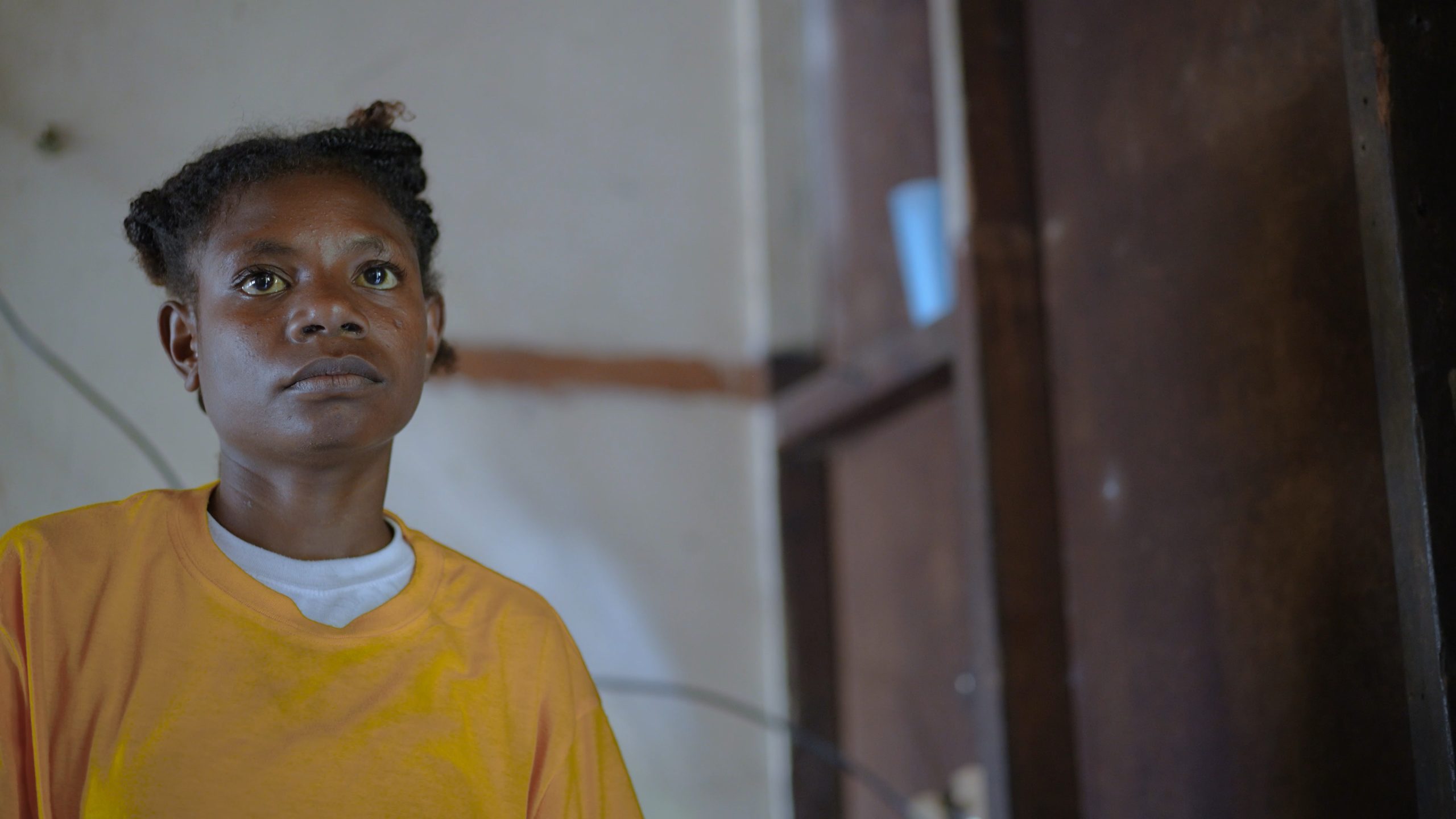
Her Christian faith has helped sustain that hope.
“Even when life is really hard, don’t give up,” she says. “Your dreams still matter. If you keep trying and trust God, anything is possible.”
Had Eli’s leprosy been recognised earlier, her story could have been very different. That is why finding children sooner matters so much.
One of the most promising opportunities to reach vulnerable children comes through an unexpected avenue: deworming programs.
Why worms matter in the fight against leprosy
Intestinal worms might seem unrelated to leprosy. But in Papua New Guinea, the two often affect the same communities.
In communities where sanitation and hygiene are poor, intestinal worms are widespread. Worms compete with the body for nutrients, leaving many children lacking the nourishment they need to grow, learn and stay healthy. This can contribute to poor growth, reduced concentration at school and greater vulnerability to illness.
Worms do not cause leprosy, but both are common in the same communities. More than 94% of new leprosy cases occur in communities where intestinal worms are common.
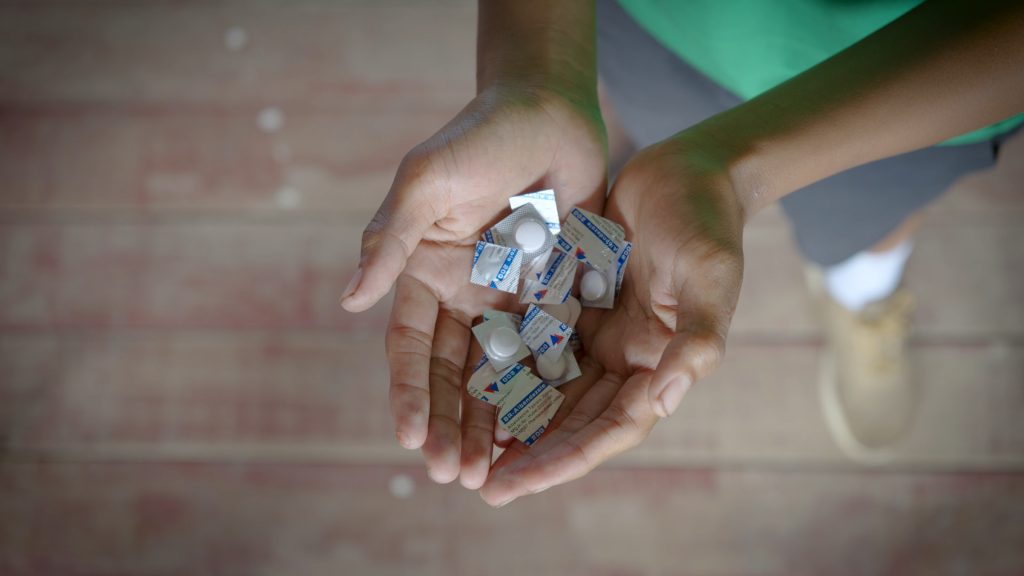
This is why our team in Papua New Guinea will bring these approaches together: providing deworming medicine and screening hundreds of children for the early signs of leprosy.
Bringing these measures together improves children’s overall health while creating more opportunities to identify leprosy before lifelong disability develops.
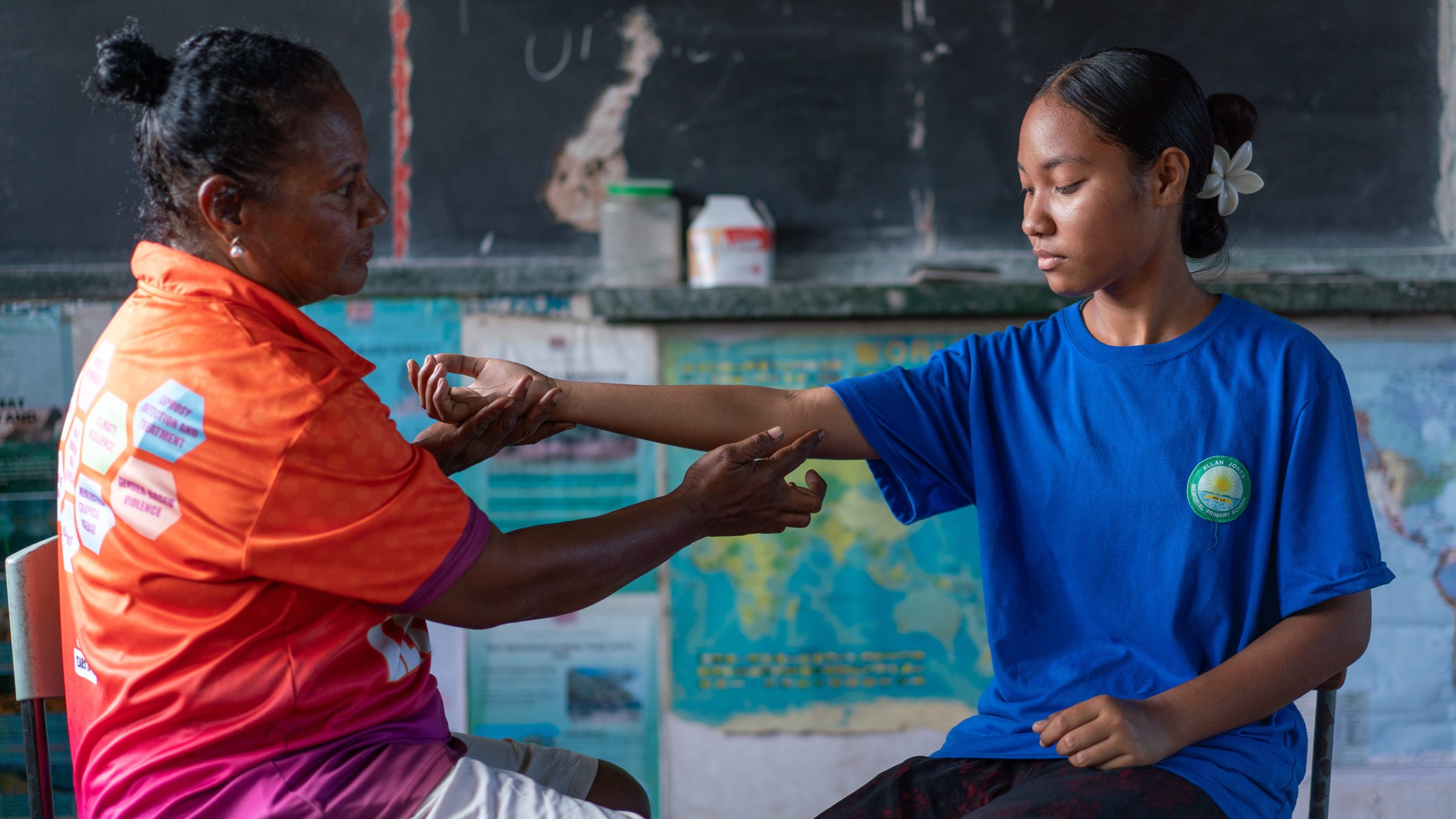
Today, Eli receives care and support from The Leprosy Mission Australia, with volunteers and community workers helping her care for her wound and protect her health. She faces an amputation, but her determination to help others remains unchanged.
We don’t know yet where that ambition will take her. What can still be changed is the story of the next child.
School screenings, community outreach and initiatives such as the upcoming deworming blitz can help ensure more children receive the care they need before leprosy changes the course of their lives.
We can help someone like Eli right now.
How you can help
Deworming is a powerful way to help protect a child’s long-term health and strengthen their immunity. Early screening can also be life-changing for a child before leprosy can take hold.
On 15 September, Giving Day will help fund a deworming blitz in Papua New Guinea and similar programs around the world, reaching hundreds of children with treatment while creating vital opportunities for screening and early treatment.
The goal is simple: no child should go as long as Eli did without the diagnosis and care they need.
What makes this day even more powerful is that every gift will be matched by generous donors. That means your support will go twice as far.
But we need your help to get there on this pivotal day for our mission – will you join us?
Find out more about Giving Day at endleprosy.org.
For more stories like this, you can browse our full collection here!