On 15 September 2026, we’re sharing our message across Australia to join the generation to end leprosy this Giving Day. Thanks to generous donors, every donation made on or before the day will be doubled, helping us reach even more people affected by leprosy.
Ending leprosy won’t happen overnight. It will also take moments when people choose to move forward together.
Giving Day is one of those moments.
Around the world, local teams are ready with the plan and expertise needed to reach vulnerable communities. What they need now are resources to put their plans into action.
Giving Day is our chance to make that happen.
Every dollar raised helps teams reach people who might otherwise go without diagnosis, treatment and care. For children affected by leprosy, early intervention can mean the difference between a healthy future and a lifetime of disability.
How does Giving Day work?
On Giving Day, your donation is doubled, making twice the impact.
Before Giving Day, a group of generous donors pledges money to a matching fund. Every gift made through the Giving Day campaign on or before 15 September can then be matched dollar for dollar while those funds remain.
Give $50 and another $50 will be added, turning it into $100 for the work to end leprosy. Give $500 and it becomes $200.
The maths is simple. But the real value of Giving Day isn’t the matching funds alone. It’s the opportunity to reach more people, more quickly, with the care and support they need.
It’s a moment when thousands of people unite behind the same goal: ending leprosy. Long-time donors, first-time supporters, families and communities can all take part.
Every gift adds momentum and every donor inspires others to join. Together, these acts of generosity create something much bigger.
That’s why Giving Day is a pivotal moment for our mission.
What can Giving Day make possible?
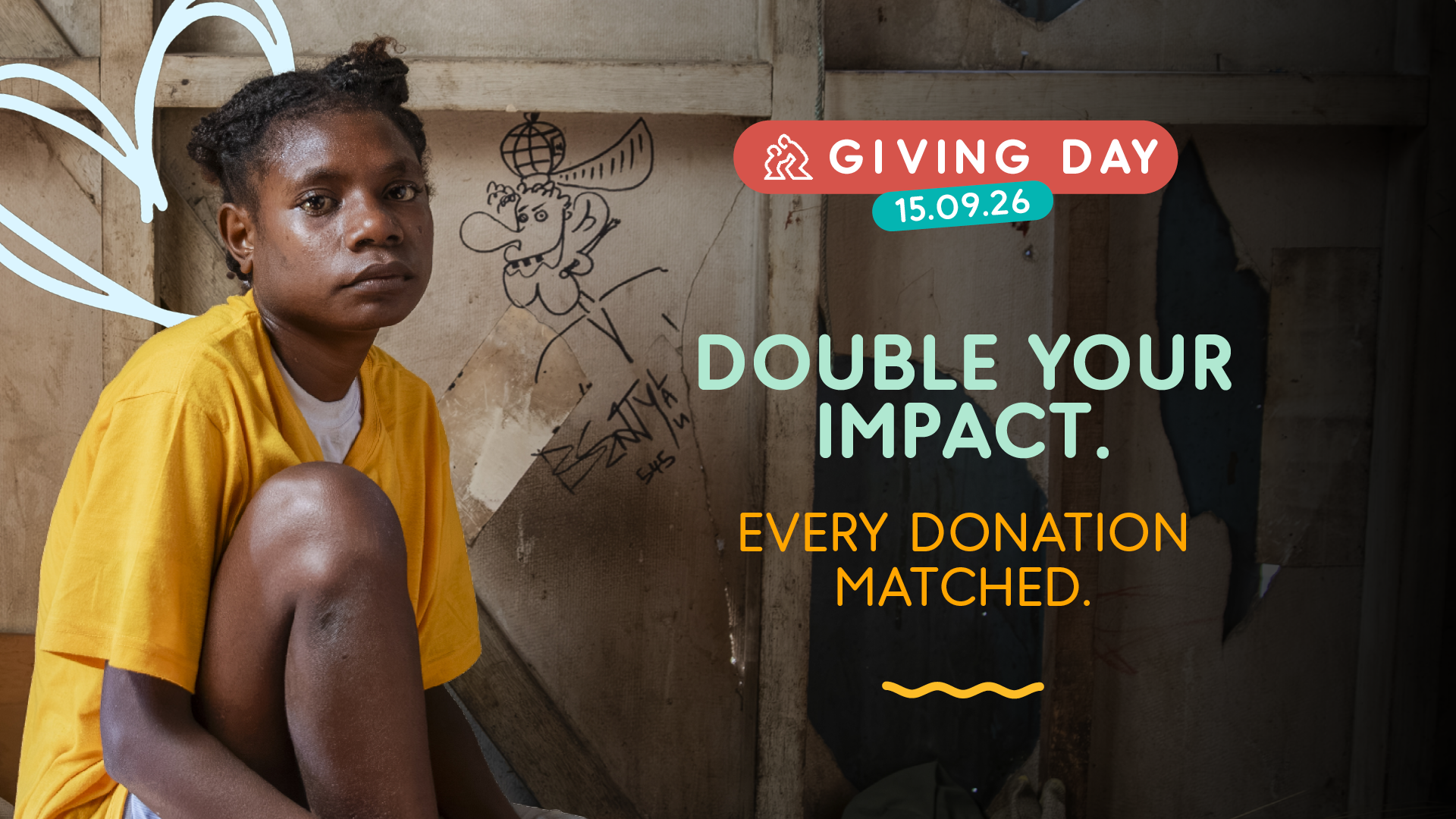
In Papua New Guinea, local teams are preparing for a major deworming and screening blitz.
They plan to provide deworming medicine, improve sanitation and hygiene practices, and screen hundreds of children for the early signs of leprosy.
The two parts of the blitz are deliberately connected. More than 94% of new leprosy cases occur in communities where intestinal worms are common.
Worms do not cause leprosy. But they can weaken a child’s immune system, making it harder for their body to fight leprosy and other diseases. Combining deworming with screening allows local health workers to respond to both concerns in the same visit.
It also creates more opportunities to identify leprosy early, before children experience complications.
The work planned in Papua New Guinea is one example of what that readiness looks like. Funds raised may also support efforts to overcome leprosy in Nigeria, Indonesia, Timor-Leste and Nepal.
Giving Day is not about one program or one country.
It’s about backing proven local solutions and accelerating progress towards a world without leprosy.
This Giving Day, join the generation to end leprosy
You don’t have to wait until 15 September to make a difference.
Visit endleprosy.org to make your Giving Day donation now or sign up for a reminder when the day begins.
Share the date with someone you know. Invite them to take part. When people choose the same moment to act, one day can create momentum that lasts far beyond it.
We’re ready to reach more children, find more cases early and help more people affected by leprosy. With your support, we can make it happen.
Join the generation to end leprosy this Giving Day.
Find out more about Giving Day at endleprosy.org.
For more stories like this, you can browse our full collection here!