

A handmade Christmas decoration can bring joy for years. But behind some of the most thoughtful gifts are stories of people finding opportunity, earning an income and discovering what they can achieve.
A tiny felt mouse dressed as an elf. A Christmas pudding stitched by hand. A garland of colourful felt trees, each one a little different from the next.
These are the kinds of decorations that make Christmas feel special: beautiful, distinctive pieces to bring out year after year. But they’re just one part of the story at The Leprosy Mission’s social enterprise (known as The Leprosy Mission Shop), which offers ethical gifts, handmade products and thoughtful finds for occasions throughout the year.
Behind many of these products are skilled makers, ethical trading relationships and a belief that shopping can help create opportunities for people and communities around the world. The Shop connects Australian shoppers with artisan groups, Fair Trade organisations and small businesses, while helping fund The Leprosy Mission Australia’s work.
For Supa Thejan, the Social Enterprise Manager at The Leprosy Mission Australia, that belief became especially real during a visit to India, where he met a young woman named Divya.
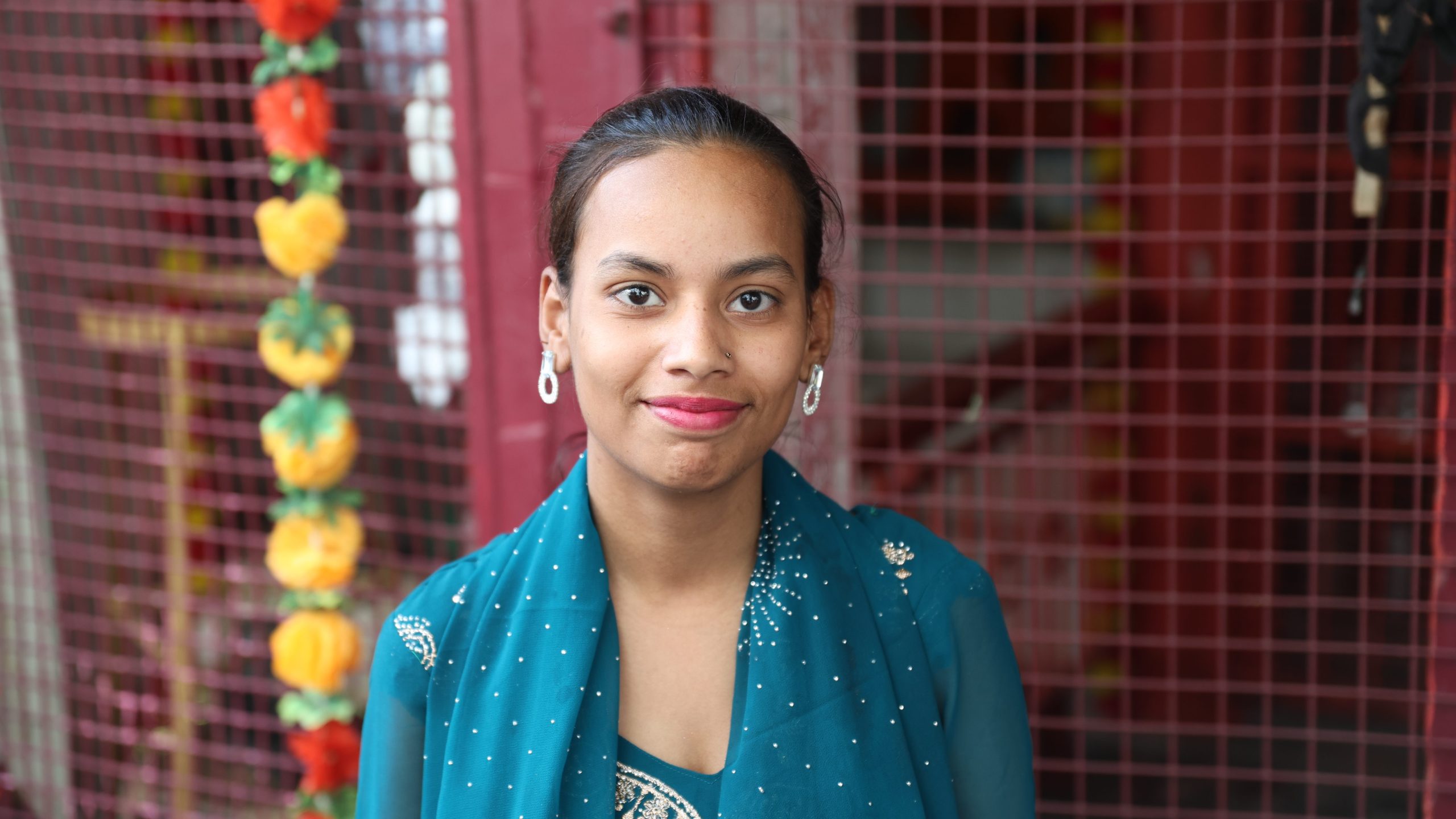
At 20, Divya had never attended school. Deaf and non-speaking, she had few opportunities to learn sign language or find paid work. Through local outreach, a producer group of The Leprosy Mission Shop connected with POWHER and MESH offered her training in handicrafts, painting and jute-making, helping her develop skills and explore the possibility of earning an income.
At times, Divya was kept home to help with chores, but she protested because she wanted to return to work. POWHER worked alongside her family, providing counselling that encouraged them to support her independence and her right to make her own choices. They also arranged travel by rickshaw for Divya every day, so she could attend work.
Through this support, Divya went on to earn a government certificate in jute-making.
When Supa met her, he understood a message expressed through her hands, facial expressions and body language: “I want to come and work here every day because I am happy.”
Divya’s experience offers a glimpse of what access to training and meaningful work can make possible. It’s a principle that sits at the heart of The Leprosy Mission Shop: connecting people with products they love while helping create opportunities for the people who make them.
From fundraising shop to social enterprise
The Leprosy Mission Shop’s story began long before today’s online Christmas catalogue.
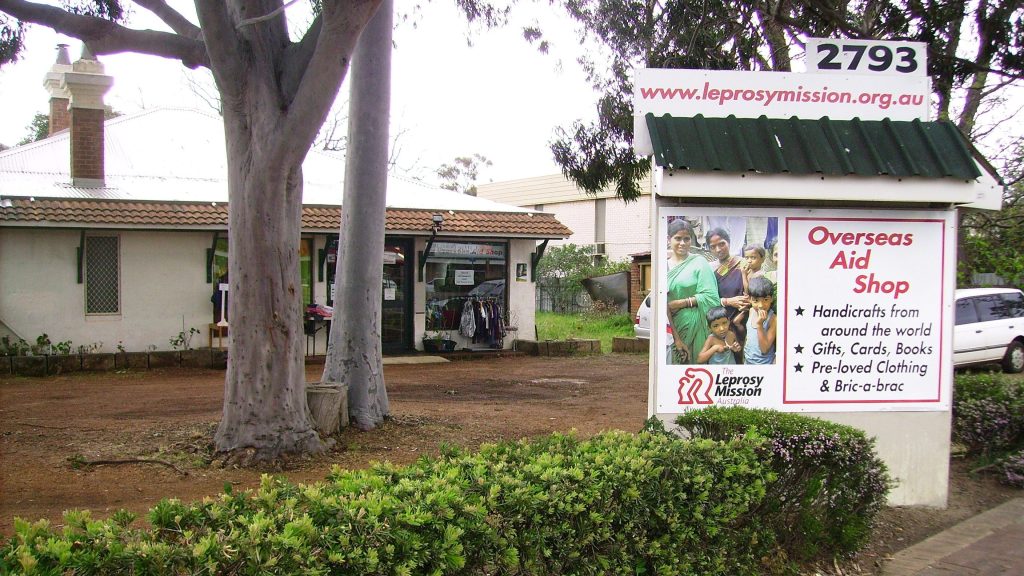
Near Kelmscott railway station, south-east of Perth, an old stationmaster’s house became an unlikely home for the Western Australian Overseas Aid Shop.
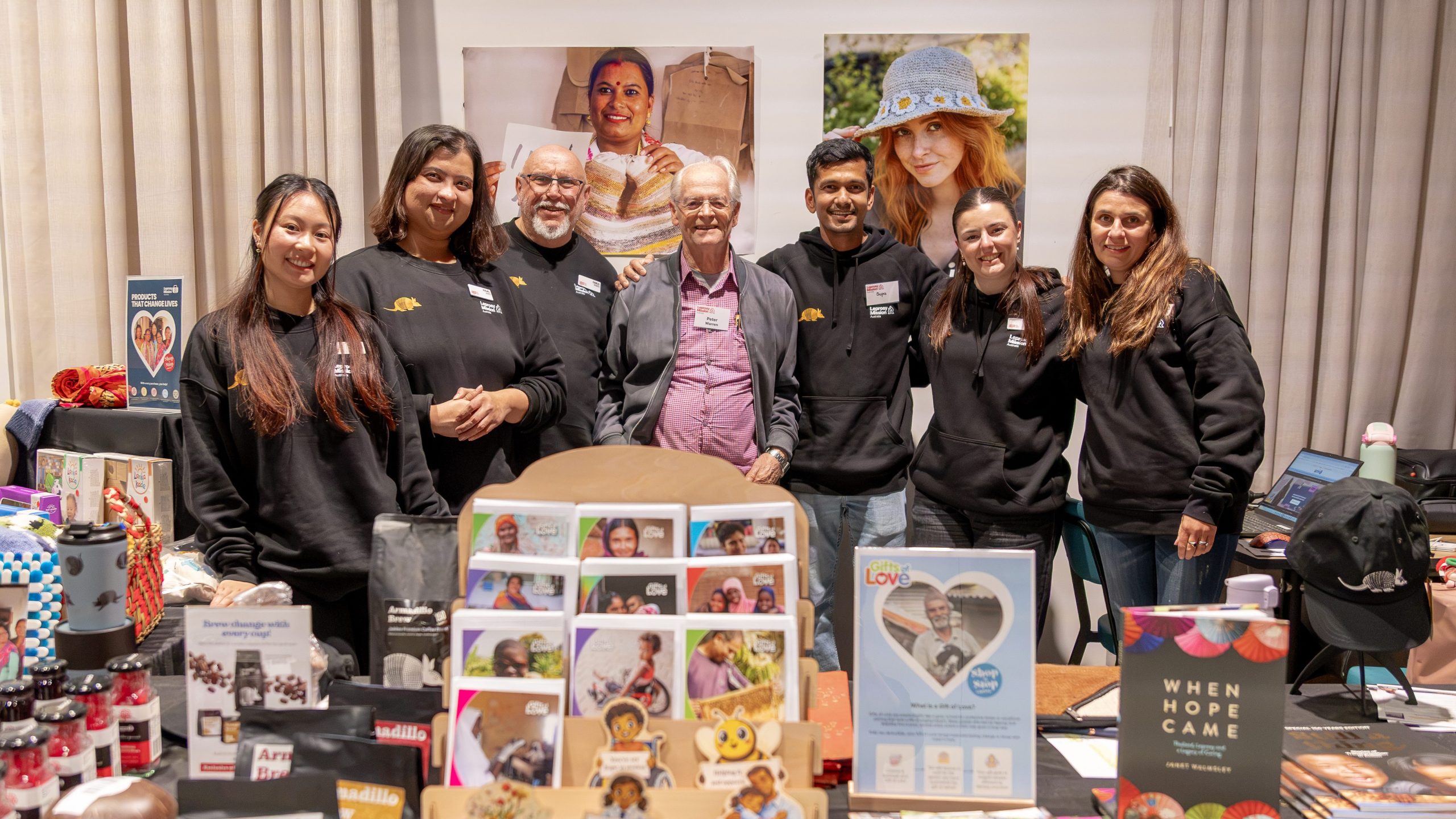
“It was primarily an op shop,” Peter Warren says. “I would see op shops all the time and think, why can’t we do something like that to raise funds for The Leprosy Mission?”
Peter, who served as The Leprosy Mission’s Western Australia State Director for 19 years from 1993, remembers arranging a peppercorn lease – meaning only a dollar a year – and four rent-free years to help the shop find its feet.
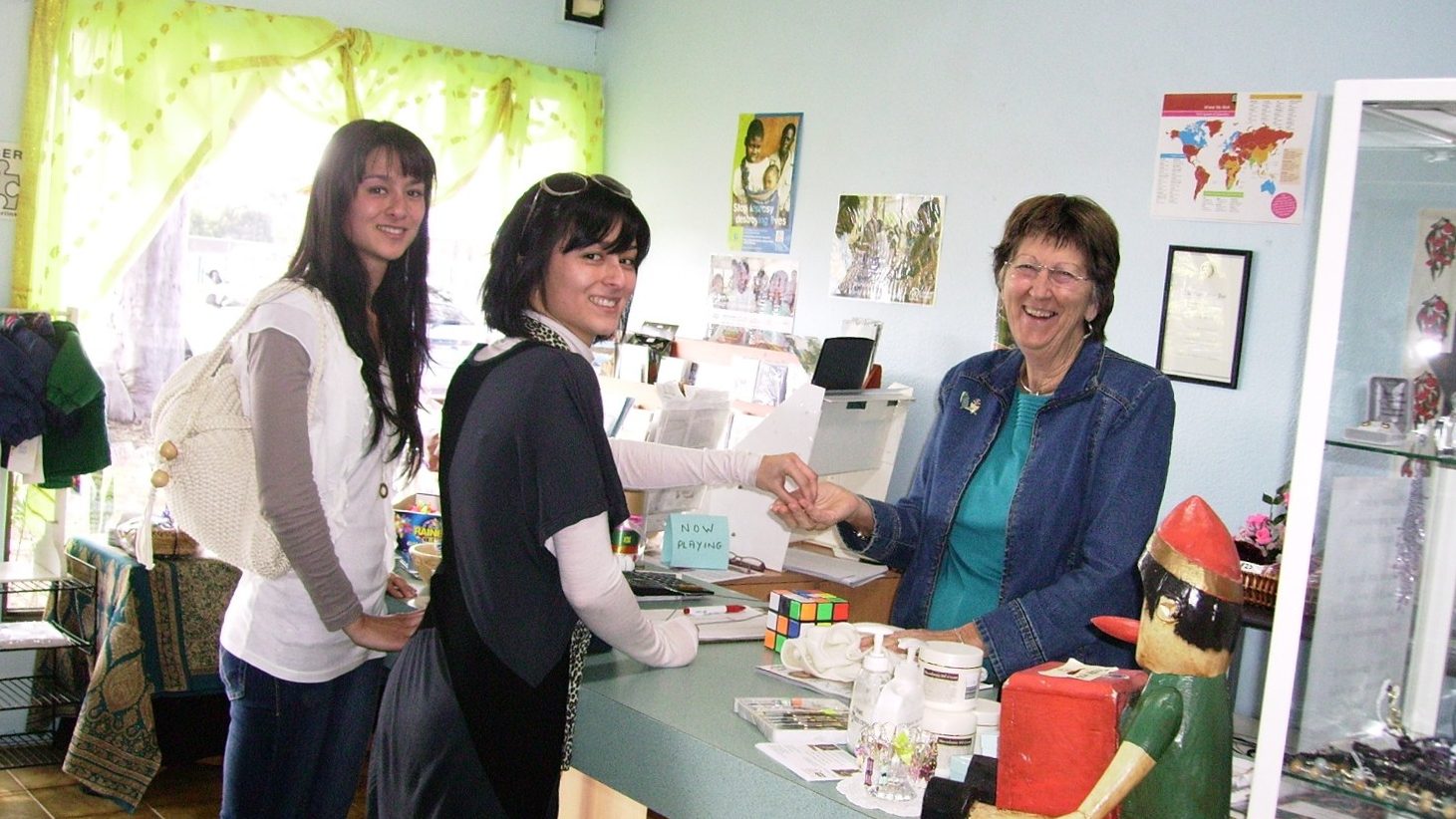
Volunteers stocked the shelves with The Leprosy Mission merchandise alongside donated second-hand goods, with proceeds supporting the mission’s work. Peter had already helped select products for catalogues mailed to supporters across Australia, and the Kelmscott shop gave people the opportunity to browse those products in person while connecting with the mission face to face.
“We had more pre-loved clothing and items than we could take in,” Peter recalls.
Peter’s role also regularly took him to India, where he would visit MESH in Delhi and purchase ethically made handicrafts created by people affected by leprosy and other disabilities.
Back in Australia, he sold these items through the Overseas Aid Shop and at community stalls, raising funds for The Leprosy Mission. “People loved them!” Peter says.
Although the shop eventually closed, it played an important role in the early growth of The Leprosy Mission’s retail fundraising efforts and helped lay the foundations for the Shop as it exists today.
When Supa joined in 2014, two printed catalogues generated most of the Shop’s sales, and there was little digital activity. Commercially made Christmas ornaments dominated the range.
Since then, the Shop has evolved from a traditional fundraising initiative into a social enterprise connecting Australian shoppers with artisan groups, Fair Trade organisations and small businesses.
“We are no longer simply selling merchandise to raise funds,” Supa says. He calls the approach “international impact shopping”: offering products people want to buy while building relationships with the people and organisations that make them.
Today, the range now brings together Fair Trade products, handmade goods and ethical gifts from artisan groups in Nepal, India, Indonesia, Nigeria and Timor-Leste, alongside products from Australian makers and small businesses. The range spans seasonal decorations and gifts for special occasions, as well as thoughtful finds to enjoy throughout the year.
Long-standing supporters share catalogues with friends, run church Christmas stalls or choose Gifts of Love for relatives who have everything. They make the mission part of their own Christmas traditions, much as Peter’s volunteers once made time to help.
The way people shop has changed, but the purpose of bringing people together to make a difference remains.
What makes a gift ethical?
Choosing a beautiful product is one thing. Understanding the people and practices behind it is another.
Behind every catalogue and order is a team selecting products, maintaining supplier relationships, producing catalogues and getting gifts to customers. The work begins months before Christmas, with product selection and photography, freight arrangements and stock planning. Delayed shipments can mean finding alternatives at short notice while managing costs and keeping orders on track.

But the most important decisions happen well before a gift reaches the Shop.
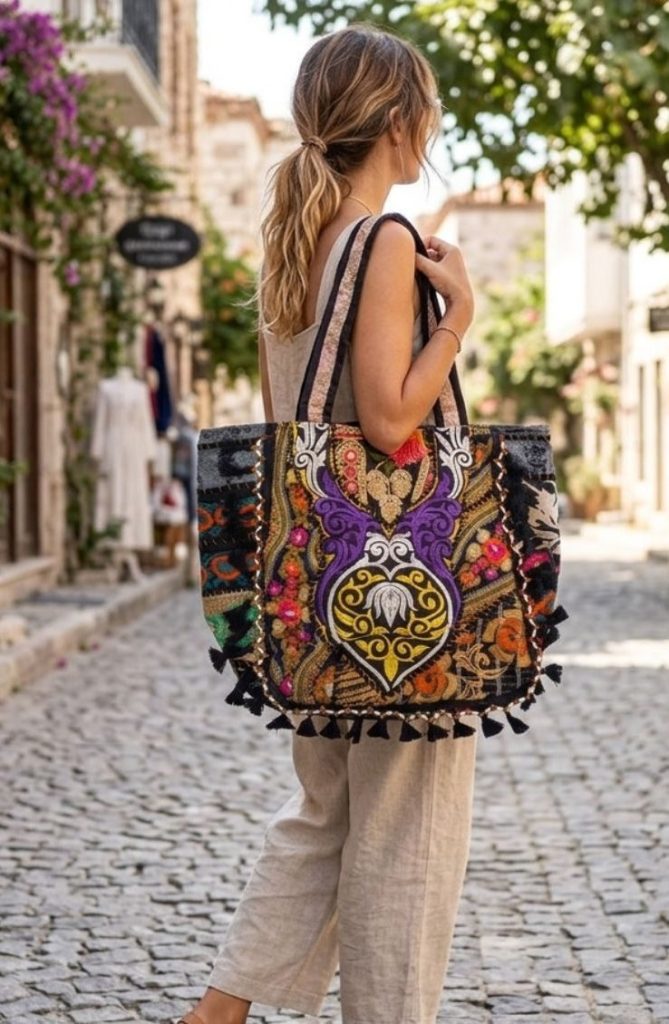
Price and appearance matter, but Supa and his team also consider Fair Trade credentials, payment and working conditions, product quality and whether a relationship with a supplier can be sustained over time.
“The best partnership is not a one-off charitable purchase,” Supa says. “It is a respectful, sustainable trading relationship in which the maker or producer creates something of genuine quality, and we help create a reliable market for it.”
Materials, packaging and durability are considered, too. The aim is to offer products people genuinely want to buy and enjoy, while making thoughtful decisions about the way they are produced and sourced.
That distinction matters. Ethical trade isn’t simply about purchasing something because it supports a good cause. It’s about recognising the value of the people who make it, paying attention to the conditions in which they work and helping build trading relationships that can continue beyond a single order.
“Good intentions alone do not create a sustainable Social Enterprise,” Supa says.
The printed catalogue remains an important part of the Shop’s story, but customers can explore the range online, too. They can also place orders via mail or phone.
Whether they’re looking for a Christmas decoration, a birthday present or something useful and beautiful for everyday life, shoppers can discover products chosen with care for their makers and their origins.
The people behind the products
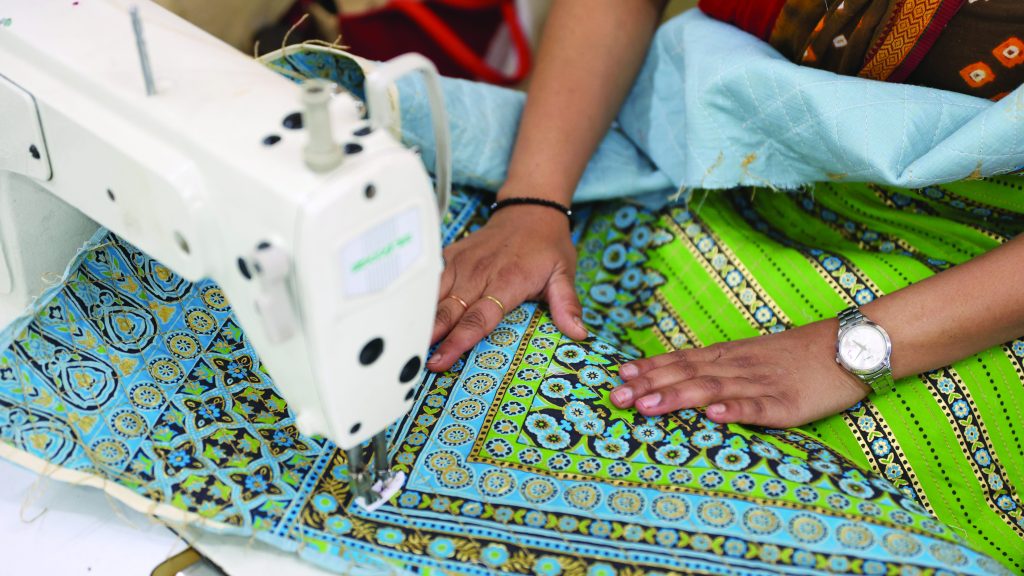
Divya’s story is one example of why access to skills, work and a reliable market can matter. The organisations and artisans behind the Shop’s products have different experiences and circumstances, but ethical trade starts from a shared principle: people deserve to have their work valued and the opportunity to earn an income.
POWHER supports women and people with disabilities in Delhi, while MESH is an Indian Fair Trade organisation featured among the Shop’s producers. Through partnerships with organisations such as these, the Shop connects customers with products made by people whose skills and work deserve recognition.
Not every product has a direct connection to people affected by leprosy or disability. Some come through wider Fair Trade partnerships, while others are sourced from Australian makers and small businesses. What matters is taking care in how products are selected and being transparent about the difference each purchase can make.
The Shop also offers Gifts of Love, which work differently. These are donations toward practical aid and programs supported by The Leprosy Mission, including livelihoods, health and medical projects.
Buying an artisan-made product supports trade with its supplier and contributes to The Leprosy Mission Australia’s work. A Gift of Love, by contrast, supports programs through a donation. Both offer ways to make a difference, but they do so in different ways.
Why handmade Christmas decorations matter
One of Supa’s favourites this Christmas is the felt decorations handmade in Nepal.
There are little felt Christmas puddings, mice dressed as elves and garlands strung with colourful felt trees. He loves the detailed handwork and the small differences that make each piece its own.
They’re the sort of gifts he’d choose for someone who loves things made by hand, or for a family beginning its own Christmas traditions. Rather than being packed away after a single season, they’re decorations to treasure, carefully tuck away and bring out again next year.
For artisan partners, Christmas orders can provide valuable work and income, although the benefits vary between suppliers. When the Shop orders artisan-made products, the trade supports the suppliers and their makers. Sales also help fund The Leprosy Mission Australia’s work.
As Supa puts it: “A gift that gives twice the love!”

You don’t need to spend more to shop thoughtfully. Sometimes, it simply means looking beyond the price tag to consider where something comes from, who made it and what your purchase helps make possible.
For Supa, the ambition is for The Leprosy Mission Shop to become Australia’s leading destination for mission-led ethical gifting — a place where customers can discover beautiful products, learn about the people behind them and understand the difference their choices can make.
He also hopes that discovering the Shop will prompt people to learn more about leprosy.
“Someone may first come to us looking for an ethical gift and leave understanding that leprosy still exists and that they can be part of ending it.”
Whether it’s a handmade Christmas decoration, a birthday present or something for everyday life, shopping thoughtfully can be a way to support skilled makers, contribute to the mission’s work and discover a story beyond the product itself.
Explore the range at shop.leprosymission.org.au.
For more stories like this, you can browse our full collection here!