As Japan publicly confronts the legacy of leprosy, its story offers an opportunity to reflect on Australia’s own history—and the voices reminding us that stigma still lingers.
Thirty years after Japan abolished its Leprosy Prevention Law, the country is continuing to reckon with a history that affected thousands of lives.
For much of the twentieth century, people affected by leprosy, also known as Hansen’s disease, were removed from their families and communities and confined to government-run sanatoriums. Many remained there for decades, even after effective treatment became available. Although the law that enforced this policy was repealed in 1996, the legacy of isolation and discrimination has endured.
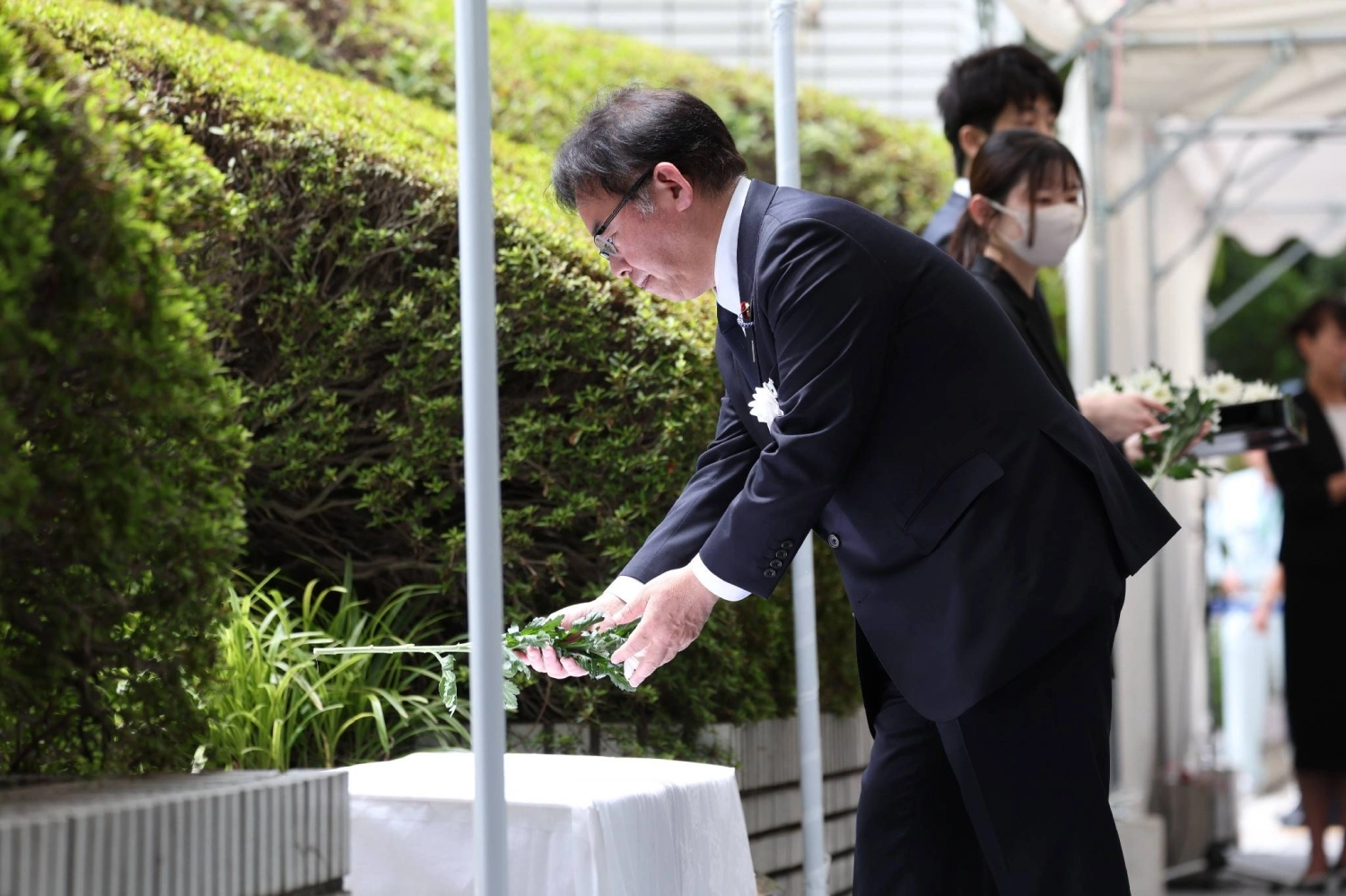
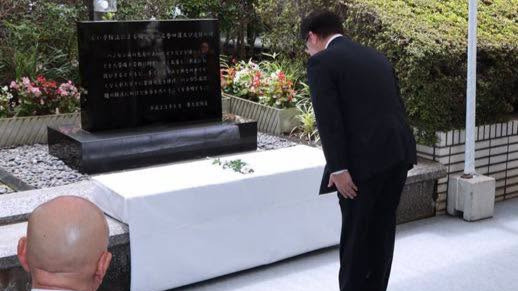
Since 2009, Japan has marked 22 June with an annual ceremony to restore the honour of people affected by the disease and remember those who suffered under the country’s forced isolation policy.
This year’s ceremony carried particular significance, marking 30 years since the law’s abolition. Among those attending was Health Minister Kenichiro Ueno, who acknowledged the human rights violations experienced by former patients and their families, saying Japan must “not repeat such history ever again.”
Survivor representative Isao Tateyama said many former patients and their families still hide their identities because of lingering prejudice and discrimination.
For anyone working in leprosy today, these words speak to a familiar reality: the disease may be curable, but stigma can linger long after treatment ends.
Looking closer to home
Australia has its own leprosy history, though many Australians know very little about it.
Places like Peel Island in Queensland and Bungarun, near Derby in Western Australia, became places of isolation where people affected by leprosy were separated from their families and communities.
For Indigenous advocate Aunty Kathy Watson, that history is deeply personal.
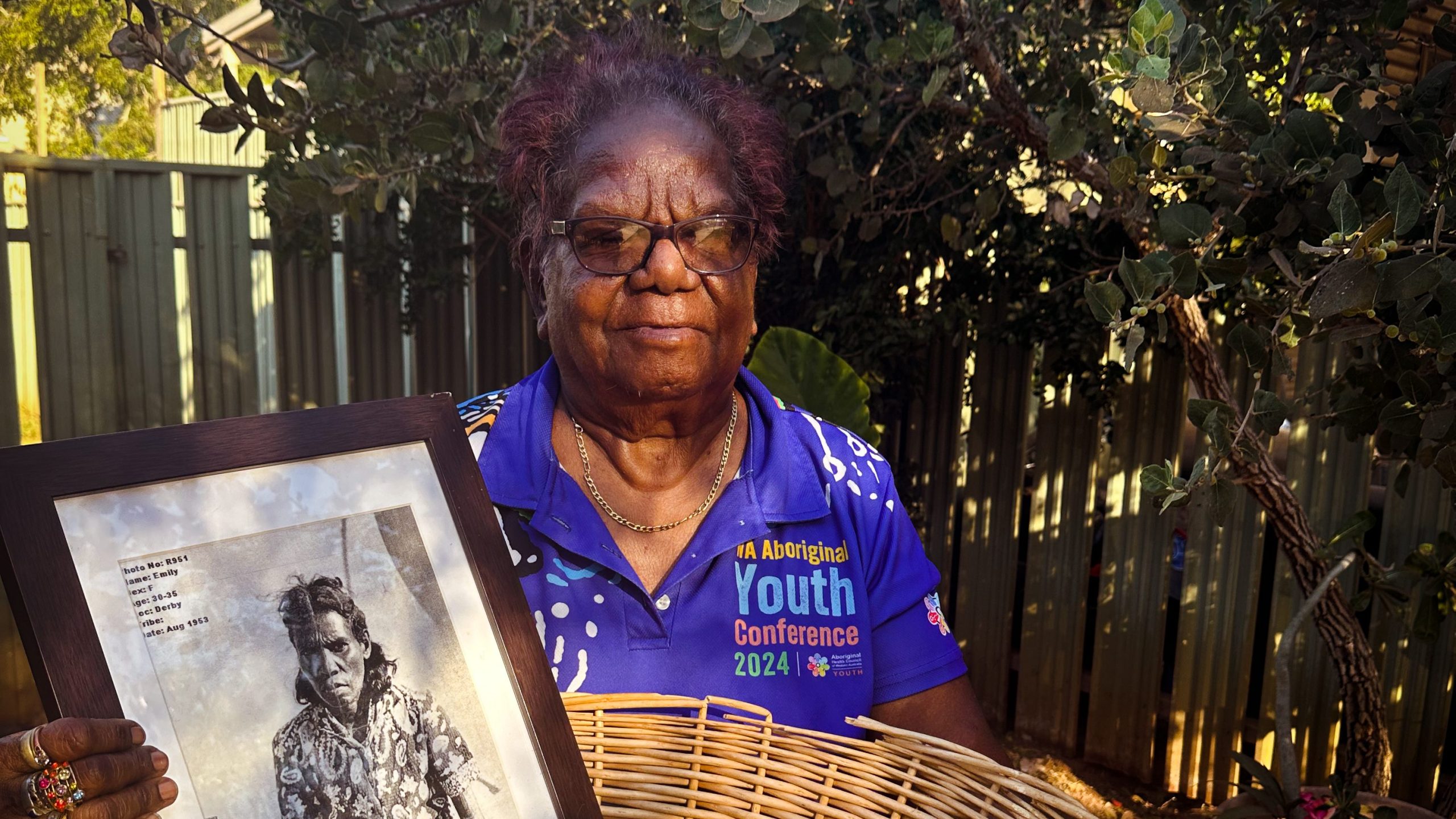
Born at the Derby Leprosarium in the early 1950s, Kathy was taken from her mother shortly after birth. As she shared with the National Indigenous Times, when she visited her mother at Bungarun, a fence always stood between them.
“She couldn’t touch us and we couldn’t touch her.”
The memories remain vivid, but so too does the stigma.
“Even today, many people in our communities still feel shame about it. They call it ‘Bungarun sickness.'”
Kathy hopes that will change.
“What I would really like to see is more awareness among both Indigenous and non-Indigenous people that leprosy can be cured. People shouldn’t feel ashamed.”
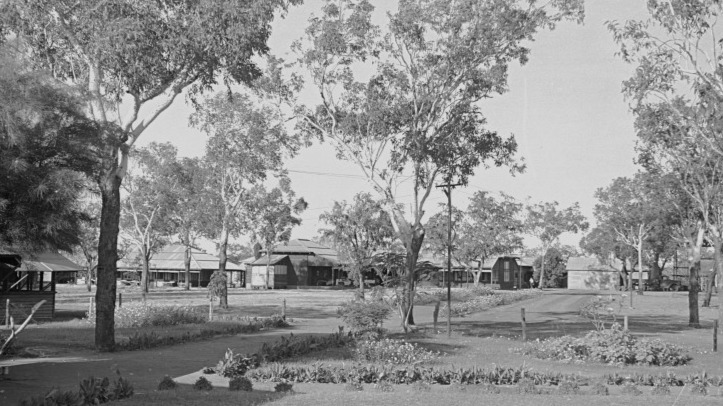
Japan’s example reminds us that history doesn’t disappear simply because time has passed. As NAIDOC Week draws to a close, listening to people like Aunty Kathy Watson and others who lived through Australia’s own experience of leprosy offers an opportunity to better understand our past—and to make sure these stories are not forgotten.
For more stories like this, you can browse our full collection here!