As a teenager, Mayalu feared leprosy would take away her future. Instead, early treatment gave her the chance to build one.
At 13, Mayalu noticed patches on her left hand where she had lost feeling. Other people in her village in Nepal had been diagnosed with leprosy, and when she sought advice, many suspected she had it too.
The possibility terrified her. She worried about being talked about, rejected and treated differently. She wondered whether anyone would ever want to marry her.
Determined to know the truth, Mayalu left home without telling anyone and walked alone to a nearby health clinic. There, with no one beside her, she heard the words she had been dreading: she had leprosy.
When her family found out
“I was scared when I was first diagnosed with leprosy,” Mayalu explains. “I was afraid that people would discriminate against me and start calling me names.”
When Mayalu’s parents learned of her diagnosis, some villagers urged them to keep her away from others, fearing she would spread leprosy. But her parents refused to isolate her.
At the clinic, Mayalu began multidrug therapy, a combination of antibiotics that cures leprosy. People receiving treatment generally stop passing on the infection within the first few days. Early treatment also helps prevent lasting disability: leprosy can damage the nerves, and antibiotics cannot always reverse harm that has already occurred. People may lose feeling and strength in their hands and feet, while burns or cuts go unnoticed and cause lasting injury. Mayalu had already lost feeling in parts of her hand. Seeking care early reduced the risk of further permanent damage.
With her family’s support, Mayalu continued going to school throughout her 12 months of treatment. By the end of the course, the patches on her hand had disappeared.
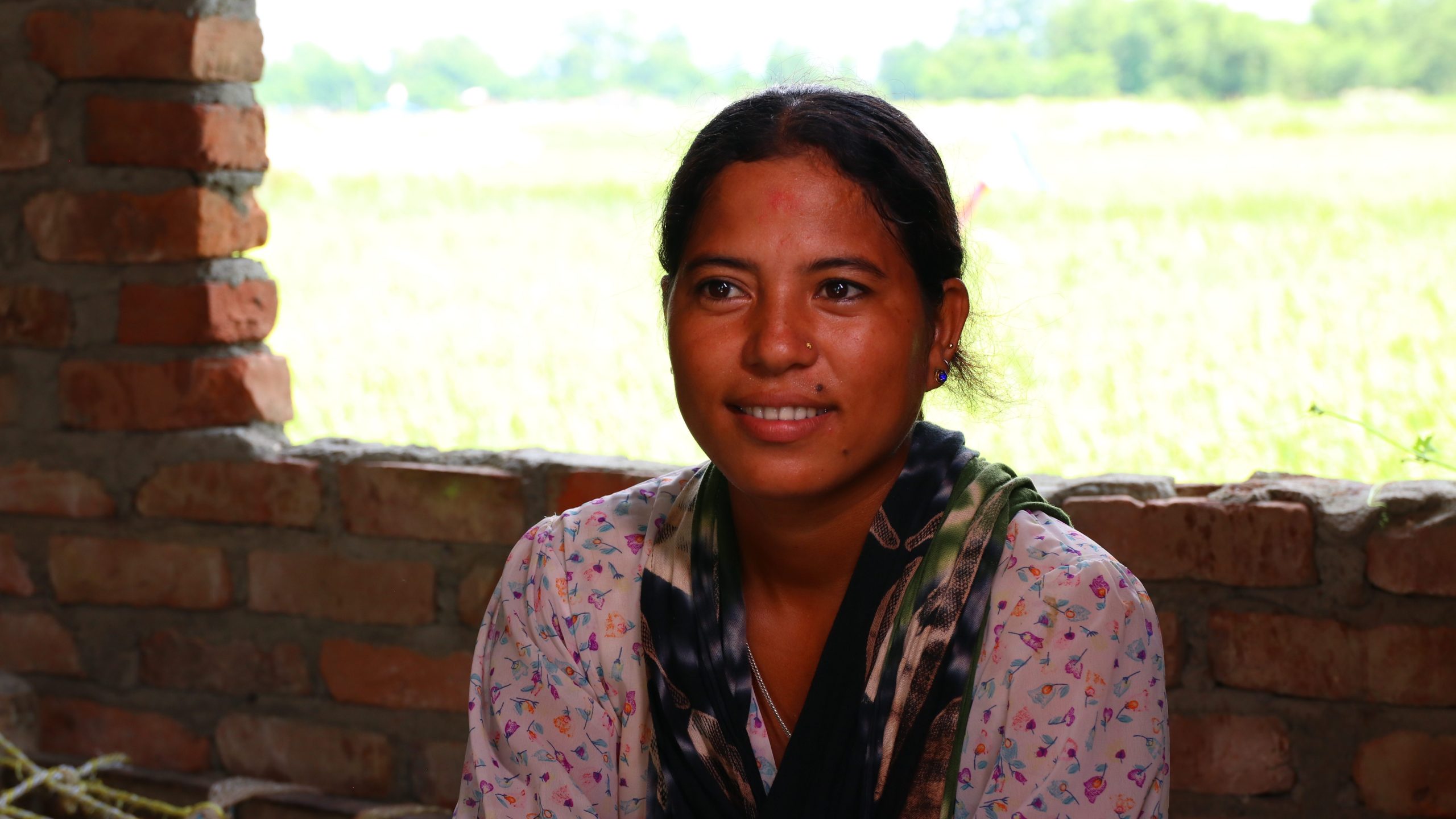
Helping others take the first step
After completing treatment, Mayalu became determined to help others seek care sooner than she had. She began encouraging people in her community who showed signs of leprosy to visit the same clinic where she had been diagnosed.
She was still in her early teens. Not long before, she had been the one asking for advice, too worried about gossip to tell anyone where she was going. Now she was the one giving it.
Chosen to lead
A few years later, Mayalu’s education was cut short when her large family needed her help at home.
When The Leprosy Mission began supporting a Self Help Group (SHG) in her area, Mayalu volunteered to join. Members affected by leprosy came together to build connections and confidence, learn to manage money and save collectively. The group’s savings and project support also made small loans available to people who had struggled to borrow elsewhere.
Mayalu was one of only a few women in the group. Yet when the members chose a chairperson, they chose her. She was active in her community, spoke well and had strong connections with others.
In a community where men have traditionally held leadership positions, being chosen to lead a group made up mostly of men was a significant achievement. Mayalu still holds the position today, and her example has encouraged other women to grow in confidence through social connections.
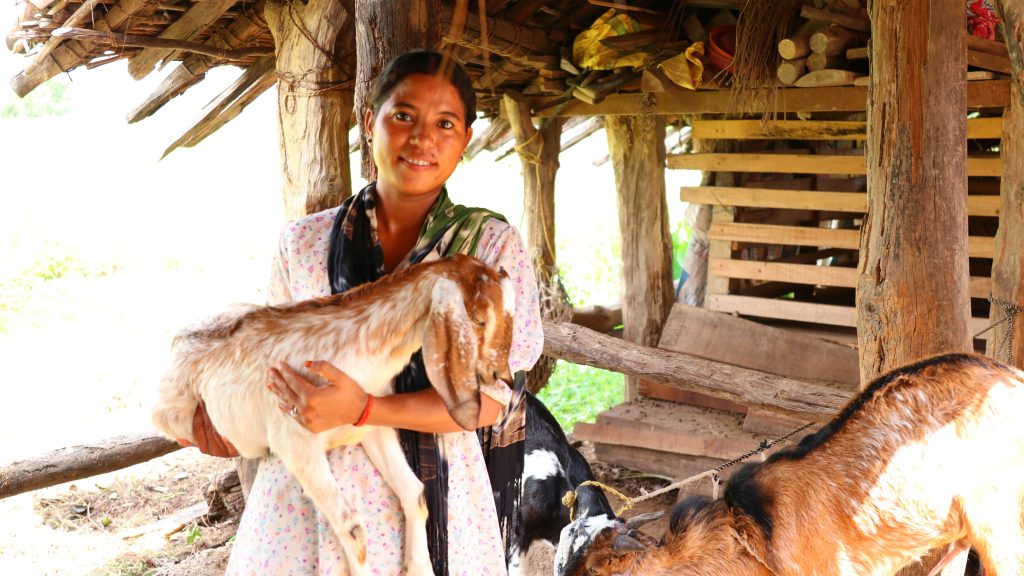
The chance to earn
With a loan from the group, Mayalu bought pigs. She sold some of their piglets and kept others to breed, building a way to earn from future litters. She tried building on that start with a small café at home and a poultry business. But customers took goods on credit and failed to pay what they owed. In the end, she had to close both businesses.
Mayalu tried again, this time raising two young goats provided through the group. As her herd grew, she began selling goats and building a business of her own.
Mayalu explains why access to loans mattered:
“If it weren’t for SHG, I wouldn’t have been able to take any loans because, at the time, they wouldn’t lend to people like me. Now, I can look after my family as well.”
Her parents had stood by her when others wanted her kept at home. Today, the income from her goats helps support them, her brother and his children.
What might another woman do?
Other women affected by leprosy have their own ideas, ambitions and families they want to support. Yet stigma and gender inequality can leave them with little say over the money they earn, whether they can travel or when they seek healthcare. Without the right support, their plans may never have the chance to begin.
For some, that might mean being able to speak to a female healthcare worker about a worrying patch of skin. For others, it might be learning how to save, gaining access to a small loan and having the chance to try a business idea of their own.
Through The Leprosy Mission Australia’s Christmas appeal, your gift can help women access healthcare sooner, train female healthcare workers, strengthen Self Help Groups and create more opportunities for women to learn, lead and earn.
Mayalu’s life changed because she found help when she needed it. Your Christmas gift can help ensure the next girl does too.
With your Christmas gift, she can.
For more stories like this, you can browse our full collection here!