For women in some communities, seeing a health worker depends on decisions they have little power to make. With leprosy, delays can cause damage that cannot be undone.
A patch of skin changes colour and loses feeling, but it doesn’t hurt. With children to feed, work to finish and a clinic difficult to reach, it can seem like something to deal with another day. All the while, leprosy may be damaging the nerves beneath the skin.
Women account for 39% of newly detected leprosy cases worldwide. That tells us who has received a diagnosis, not how many women are living with the disease. To appear in the figures, someone must reach a health worker or be reached by one.
The cost of leaving home
In some communities where The Leprosy Mission Australia works with local partners, men leave their villages to find work in towns and cities, bringing them closer to healthcare. Women are more likely to stay near home, where services can be scarce. Reaching a clinic may mean a long journey, permission from a husband or relative, someone to accompany her and money she cannot decide to spend herself.
She might work every day, farming or selling goods, yet have little control over the income. The transport fare competes with food for the family. Time away means lost earnings, and someone else must care for the children. Without clear information about the early signs of leprosy, a numb patch may not seem worth the cost and disruption of a clinic visit.
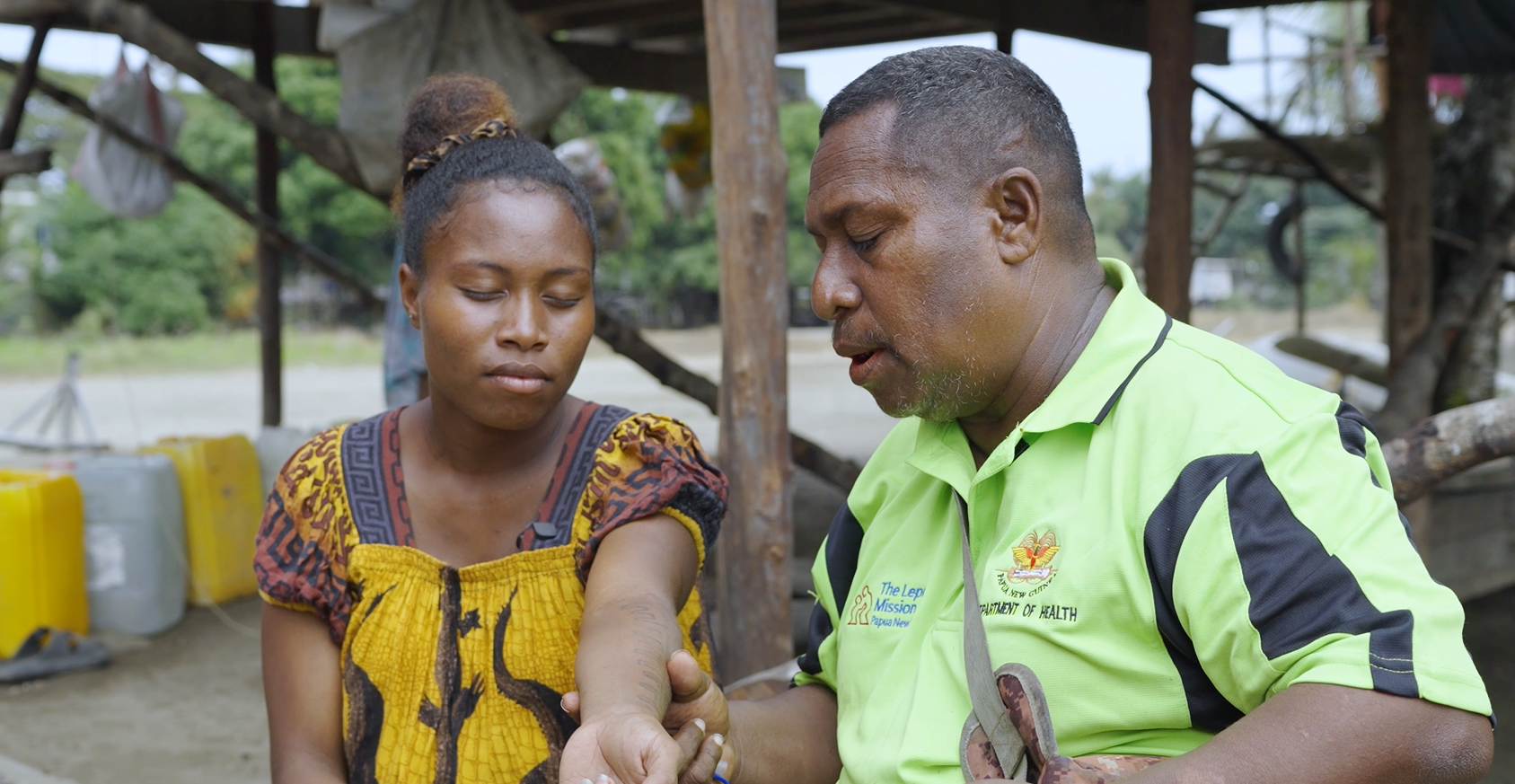
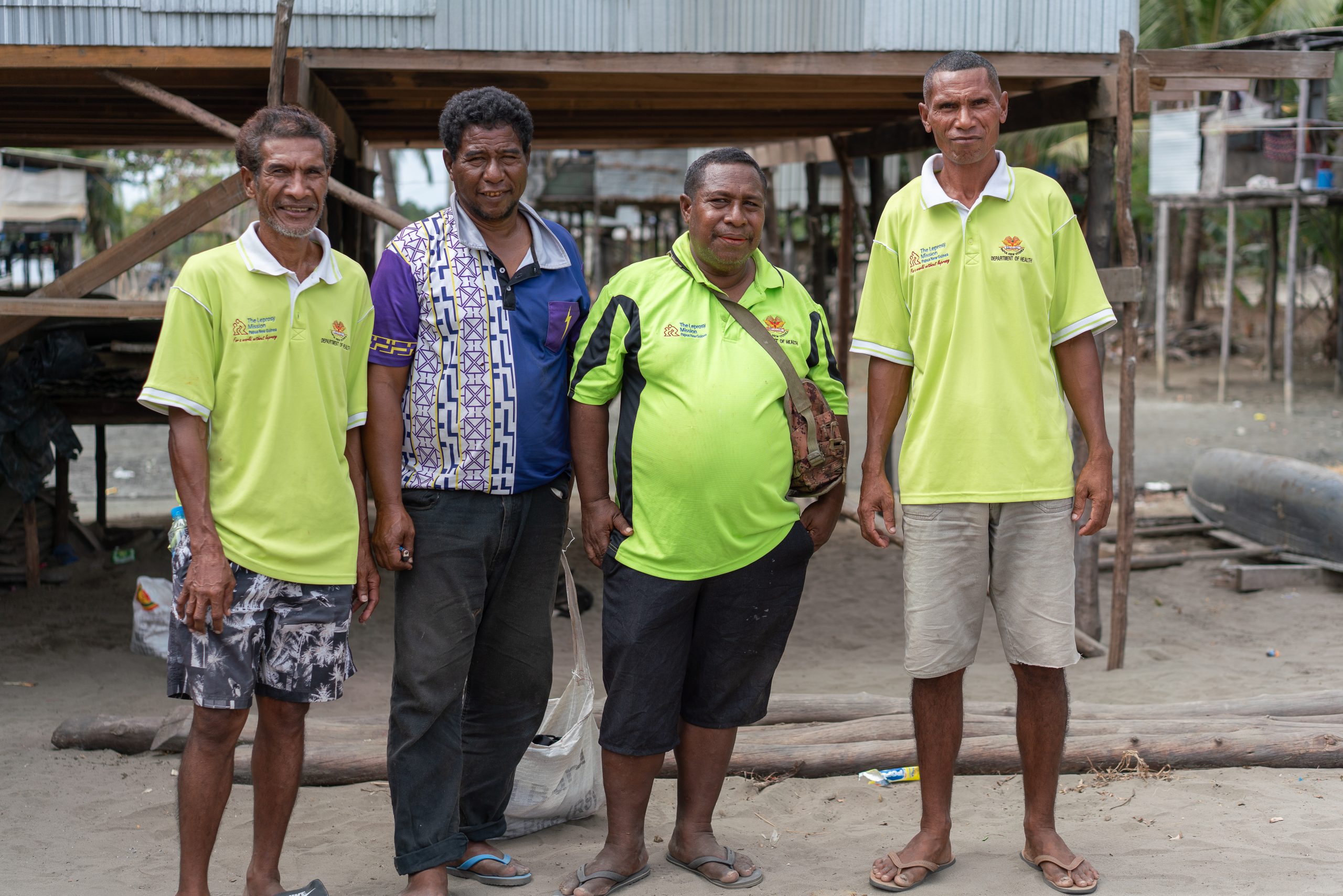
When Ruby, in Papua New Guinea, began losing feeling in her arm, her cousin, a volunteer with a leprosy awareness team, recognised the sign and helped her seek care. Even with his support, she had to leave her six-month-old daughter, who was still breastfeeding, with her sister. Ruby had no money for a bottle or formula, and she did not know when she would return.
What a diagnosis could cost
Some women hesitate for another reason: fear of what a diagnosis could bring. Husbands sometimes abandon their families after a diagnosis. For a woman who depends on her husband’s income or shares a home with his family, telling someone about her symptoms could put the roof over her head and her children’s security at risk.
Leprosy stigma can also shut women out of work, education and community life. Some fear violence or rejection by relatives. The threat of losing a marriage, income or support is immediate; the damage caused by an illness that does not hurt can seem distant.
The longer leprosy goes untreated, the greater the risk of lasting nerve damage. A hand that cannot feel heat may be burned while cooking. A cut on a numb foot can go unnoticed, worsening into an ulcer or serious infection. In the most severe cases, amputation may be necessary. Injuries like these can make it hard to farm, cook or earn a living, while visible disability can bring the rejection she was trying to avoid.
And when a mother loses her income or family support, her children live with the consequences. Paying for food or keeping them in school can become harder. The obstacles don’t disappear with a diagnosis, either. Returning for treatment or follow-up appointments can still mean another fare, lost earnings and finding someone to mind the children.
Bringing care within reach
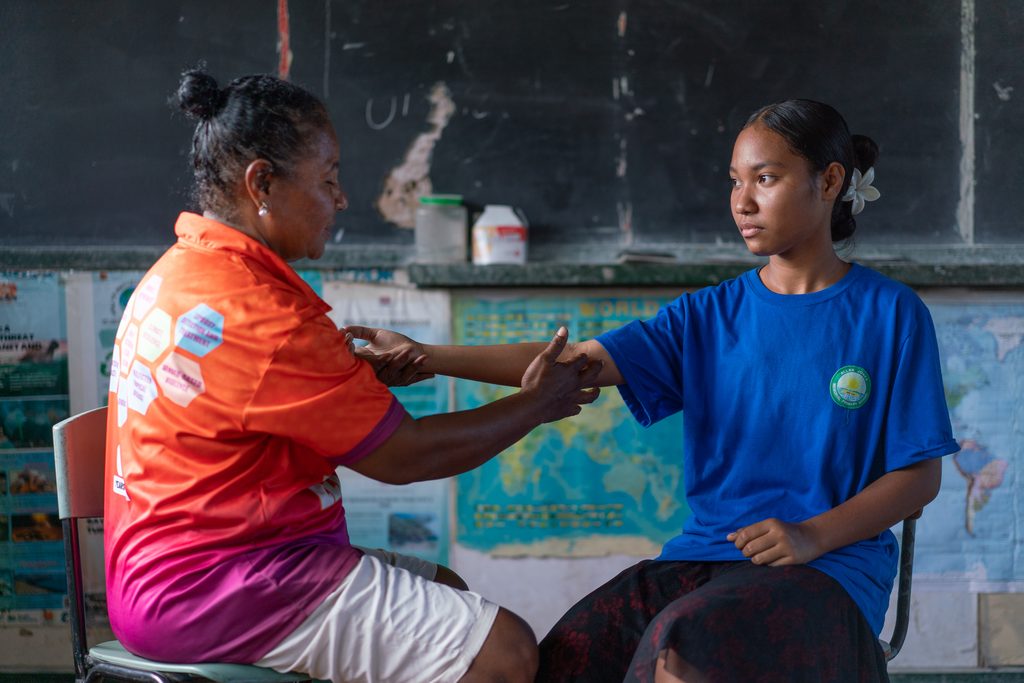
Sometimes a woman cannot get to a clinic, and the team looking for leprosy cannot easily reach her at home. Female health workers may be scarce in remote areas, while cultural expectations can prevent male workers from entering homes or make women reluctant to be examined by them. Privacy matters when an examination involves exposing patches of skin.
Research by our international colleagues found that training female health workers helped services reach more women and detect more cases. Our partners in Nepal and Nigeria have also improved privacy during outreach examinations through gender-awareness training.
Pregnancy brings another concern for women already living with leprosy. Research suggests that changes in the immune system can worsen symptoms or trigger leprosy reactions, episodes of inflammation that require careful monitoring. But pregnancy can also bring a woman into contact with a midwife, even when other health services are difficult to reach. In several projects we support, midwives have been trained to recognise suspicious skin patches and refer women for examination. A sign of leprosy might be noticed during an appointment the woman was already able to attend.
Giving women a greater say
Some of the obstacles to care have nothing to do with the clinic itself. If a woman needs permission to travel or has little say over the money for transport, better outreach is only part of the answer.
In Nepal, our partners have helped two municipalities develop gender equality and social inclusion policies to improve access to local services. Gender officers there and in Timor-Leste are also working to make equality part of how programmes are planned. In self-help groups, members learn practical skills in managing money, farming and running small businesses, while gaining confidence and a greater say in decisions at home.
We don’t yet know how many women are living with leprosy without a diagnosis. We want more of them to be seen before the damage becomes permanent.
Through our She Can Christmas Appeal, your gift can help train local health workers and midwives to recognise the signs of leprosy and bring screening closer to women who struggle to leave home. It can also support work that gives women more control over decisions about their health.
For more stories like this, you can browse our full collection here!